
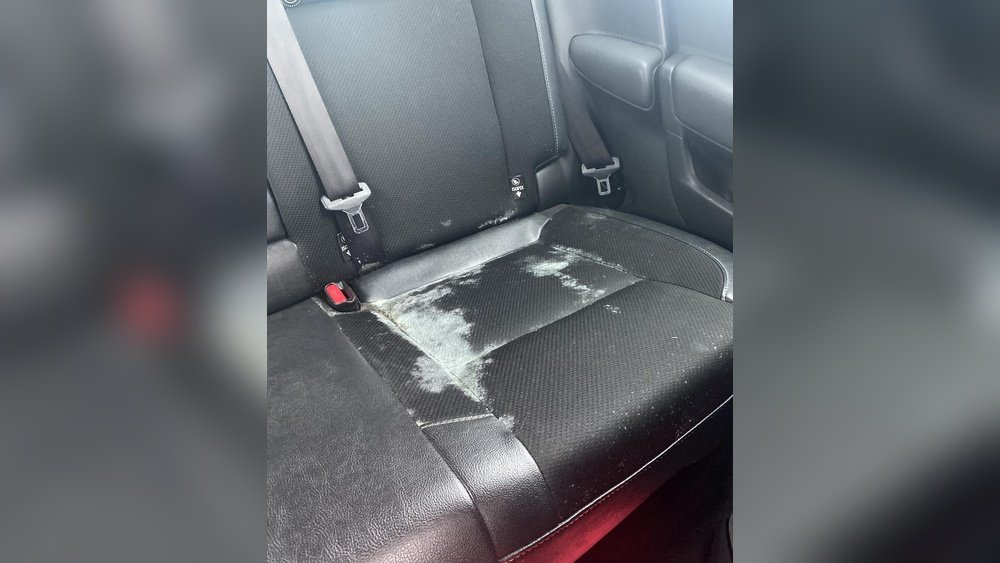
Have you noticed a musty smell or seen ugly spots on your car seats? That’s mildew, and it can quickly damage your car’s interior if you don’t act fast.
Getting mildew out of car seats might seem tough, but with the right steps, you can restore your seats to their clean, fresh state. In this guide, you’ll discover simple, effective ways to tackle mildew and keep your car smelling great.
Keep reading to protect your investment and enjoy a healthier ride every time you get behind the wheel.
Credit: www.youtube.com
Identify Mildew On Car Seats
Identifying mildew on car seats is the first step to cleaning them effectively. Mildew grows in damp, warm places and can harm your car’s interior. Spotting mildew early helps protect your car seats from damage and bad smells. Knowing what mildew looks like and understanding your seat material makes cleaning easier.
Common Signs Of Mildew
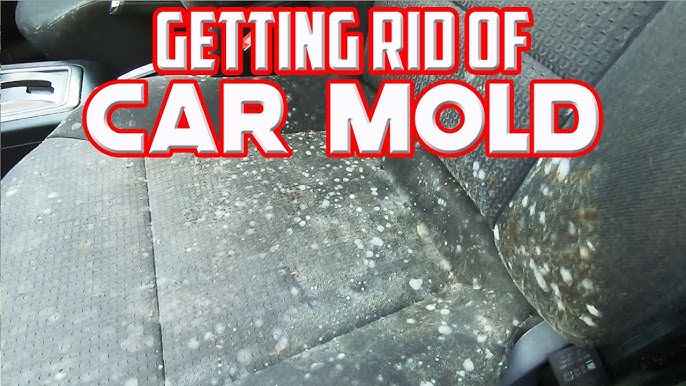
Mildew often appears as small, fuzzy spots on the fabric. These spots can be white, gray, or greenish. A musty smell inside the car also signals mildew. Sometimes, mildew causes discoloration or stains on the seats. You might notice the fabric feels damp or sticky in affected areas.
Types Of Car Seat Materials
Car seats come in different materials, such as cloth, leather, and vinyl. Cloth seats absorb moisture easily, making mildew growth common. Leather seats resist mildew but can still get mold if wet for long. Vinyl seats are less likely to grow mildew but need cleaning to avoid buildup. Knowing your seat type helps choose the right cleaning method.
Prepare Your Cleaning Tools
Preparing your cleaning tools is the first step to remove mildew from car seats. Having the right supplies ready saves time and makes the process easier. It also helps protect your car seats from damage. Gather everything before you start to clean.
Essential Cleaning Supplies
Start with a soft brush to loosen mildew gently. A vacuum cleaner helps remove loose spores and dust. Use a spray bottle for applying cleaning solutions evenly. Mild detergent or upholstery cleaner works well on fabric seats. For leather seats, get a cleaner made for leather. White vinegar or baking soda can help kill mildew naturally. Have clean cloths or microfiber towels for wiping and drying. Gloves protect your hands from strong cleaners. A small bowl helps mix homemade solutions.
Safety Precautions
Wear gloves to avoid skin irritation from mildew and cleaners. Work in a well-ventilated area to avoid breathing in spores. Open car doors and windows for fresh air. Avoid mixing cleaning chemicals, as this can cause harmful fumes. Test cleaning products on a small seat area first. This prevents stains or damage. Keep children and pets away during cleaning. Wash your hands well after finishing the job.
Initial Cleaning Steps
Removing mildew from car seats starts with basic cleaning steps. These steps help stop mildew from spreading and make deep cleaning easier. Clean seats look better and smell fresh again.
Follow simple actions to prepare your car for mildew removal. Doing these right can save time and effort in the next steps.
Vacuuming Loose Mold And Debris
Use a vacuum cleaner with a brush attachment. Gently vacuum the car seats to remove loose mold and dirt. Avoid pressing too hard to stop spores from spreading. Clean all corners and seams where mold hides. This step removes surface particles and prepares seats for washing.
Ventilating The Car
Open all windows and doors for fresh air. Ventilation helps dry moisture and reduce mildew smell. Leave the car open for at least 30 minutes. Use a fan if possible to speed up airflow. Good ventilation lowers the chance of mildew growth returning.
Effective Mildew Removal Methods
Mildew on car seats is a common problem that needs quick action. Removing mildew not only improves the look but also stops bad smells. Several methods work well to clean mildew from fabric or leather seats. Choose the one that fits your needs and available materials.
Using Vinegar And Baking Soda
Vinegar is a natural cleaner that kills mildew spores effectively. Mix equal parts of white vinegar and water in a spray bottle. Spray the solution on the affected seat area. Let it sit for 10 to 15 minutes. Then, sprinkle baking soda on the damp surface. Baking soda helps absorb moisture and odors. Use a soft brush to scrub gently. Wipe the seat with a clean, damp cloth. Allow the seat to dry completely in fresh air.
Applying Commercial Cleaners
Commercial mildew removers are designed for tough stains. Choose a cleaner made for car upholstery or leather. Follow the instructions on the product label carefully. Spray or apply the cleaner on the mildew spot. Use a soft brush or cloth to work the cleaner in. Rinse or wipe off the residue as directed. These cleaners can remove mildew faster than home solutions. Ensure good ventilation while using strong chemicals.
Natural Remedies
Lemon juice has natural acids that break down mildew. Apply lemon juice directly to the mildew spot. Let it sit for 5 to 10 minutes. Wipe the area with a damp cloth. Salt can also help scrub away mildew. Mix salt with lemon juice for better cleaning power. Another option is tea tree oil. Dilute a few drops in water and spray on mildew. Tea tree oil kills mildew spores and smells fresh. These natural remedies are gentle and safe for most seats.
Deep Cleaning Techniques
Deep cleaning techniques are essential to remove mildew from car seats effectively. These methods reach below the surface to kill mold spores and eliminate odors. Proper cleaning helps restore your seats and prevents mildew from returning.
Steam Cleaning
Steam cleaning uses hot steam to sanitize car seats deeply. The heat kills mildew and bacteria without harsh chemicals. It loosens dirt and grime stuck in the fabric fibers. Use a handheld steam cleaner or visit a professional service. Avoid soaking the seats to prevent water damage. Steam cleaning also helps remove stubborn stains and odors.
Using Upholstery Shampoo
Upholstery shampoo cleans fabric seats by breaking down mildew and dirt. Choose a mild shampoo made for car interiors. Apply the shampoo with a soft brush or cloth. Gently scrub the seats in small sections. Use a wet cloth to wipe away shampoo and dirt. Let the seats dry completely to stop mildew growth. Regular shampooing keeps your car seats fresh and clean.

Credit: goodcar.com
Drying And Preventing Mildew
Mildew on car seats is a common problem after moisture builds up. Drying the seats well stops mildew from growing again. Preventing mildew needs care and simple habits.
This section shows easy ways to dry your seats and keep mildew away. Follow these steps to keep your car fresh and clean.
Proper Drying Methods
Start by wiping wet seats with a clean cloth. Use a fan or open windows to air dry seats fast. Sunlight helps kill mildew spores on fabric seats. Avoid using heat that is too strong. It can damage seat material. Dry all parts of the seat, including seams and folds.
Maintaining Low Humidity
Keep your car’s inside air dry to stop mildew growth. Use a dehumidifier or moisture absorber inside the car. Park in a dry, sunny place if possible. Avoid leaving wet clothes or items inside the car. Keep windows slightly open on dry days to improve airflow.
Regular Seat Care Tips
Clean your car seats often with mild soap and water. Check for damp spots and dry them quickly. Use seat covers that protect against moisture. Vacuum seats regularly to remove dust and dirt. These habits help stop mildew before it starts.
When To Seek Professional Help
Dealing with mildew on car seats can be frustrating. Small spots you can clean yourself. But sometimes the problem is bigger. Knowing when to call a professional saves time and stress. Experts have tools and skills to handle tough mold issues safely.
Signs Of Severe Mold Damage
Large patches of mold cover the seat surface. The smell is strong and does not go away. Mold stains have soaked deep into the fabric. You notice the seat feels damp even after drying. Mold returns quickly after cleaning attempts. These signs mean the mildew is more than surface level.
Choosing A Specialist
Find a cleaner who specializes in car interiors. Check for experience with mold and mildew removal. Ask about the products and methods they use. Make sure they follow safety steps to protect your health. Read reviews from other car owners. A good specialist will restore your seats without damage.
Credit: www.reddit.com
Frequently Asked Questions
How Do I Remove Mildew From Car Seats Safely?
Use a mixture of white vinegar and water. Spray the solution on the mildew spots. Scrub gently with a soft brush. Wipe with a clean cloth and let the seats dry completely.
What Household Items Kill Mildew On Car Upholstery?
White vinegar, baking soda, and hydrogen peroxide are effective. These items kill mildew and remove odors without harsh chemicals. Always test on a small area first to avoid damage.
Can I Prevent Mildew From Forming On Car Seats?
Yes, keep your car dry and well-ventilated. Use moisture absorbers or dehumidifiers inside the vehicle. Regularly clean and air out your car seats to prevent mildew growth.
Is It Safe To Use Bleach On Car Seats For Mildew?
Bleach can damage fabric and discolor seats. It’s better to use milder solutions like vinegar or specialized cleaners. Always follow product instructions and test on a hidden area first.
Conclusion
Cleaning mildew from car seats is simple with the right steps. Act quickly to stop the smell and damage. Use gentle cleaners and soft brushes to protect your seats. Always let your car dry fully to prevent mildew return. Regular checks keep your car fresh and safe.
Keep your car seats clean and enjoy a pleasant ride every time.
