
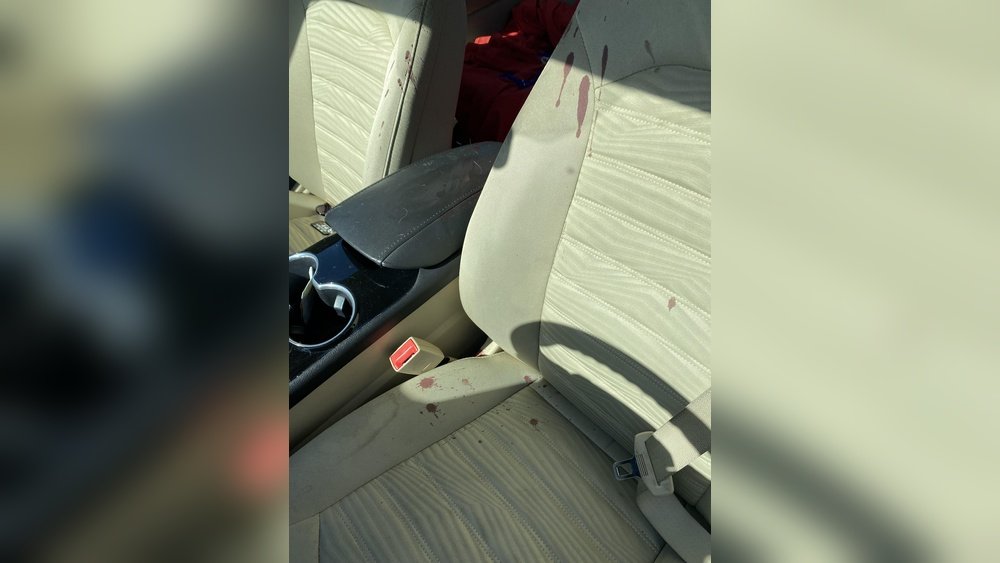
Accidents happen, and when period blood stains your car seat, it can feel embarrassing and frustrating. You might worry the stain will never come out or that cleaning it will damage your seat.
But don’t stress—removing period blood from your car seat is easier than you think. You’ll discover simple, effective steps to get your seat looking fresh again. Keep reading, because by the end, you’ll have the confidence and tools to tackle this common problem quickly and discreetly.
Credit: www.reddit.com
Identify The Stain Type
Identifying the type of period blood stain is the first step to effective cleaning. Stains can vary in age and the fabric they are on. Knowing these details helps you choose the right method to remove the stain without damaging your car seat.
Fresh Vs. Dried Stains
Fresh blood stains are easier to clean because the blood is still wet. You can often blot them gently with a clean cloth to lift the stain. Avoid rubbing, as it can spread the blood further.
Dried stains are tougher. The blood has set into the fabric, making it harder to remove. These stains may need special treatment, like soaking or using specific stain removers designed for dried blood.
Fabric Material Considerations
Car seats come in different materials like leather, cloth, or vinyl. Each fabric reacts differently to cleaning agents.
Leather seats require gentle cleaning to avoid damage. Use mild cleaners and avoid harsh scrubbing.
Cloth seats can handle more aggressive cleaning but test any cleaner on a small spot first. Vinyl seats are usually easier to clean but can crack if treated with strong chemicals.

Credit: www.wikihow.com
Gather Cleaning Supplies
Cleaning period blood from a car seat requires the right supplies. Gathering these items before starting will save time and effort. Having everything ready helps you clean quickly and efficiently. Let’s explore what you need to prepare.
Essential Cleaning Agents
Choose cleaning agents that break down blood stains well. Cold water is the best base for cleaning blood. Avoid hot water as it can set the stain. Use a mild detergent to help lift the stain gently. Hydrogen peroxide works great on fresh blood spots. Baking soda can absorb moisture and remove odors. Select agents safe for your car seat material.
Tools Needed
Gather soft cloths or microfiber towels for blotting. Use a soft-bristle brush to scrub gently if needed. Have a spray bottle for applying cleaning solutions evenly. Paper towels help absorb excess liquid quickly. Gloves protect your hands during cleaning. A vacuum cleaner can remove dried particles after cleaning. Keep all tools within reach to work smoothly.
Pre-treatment Steps
Removing period blood from a car seat needs quick and careful action. The pre-treatment steps help stop the stain from setting. These steps prepare the seat for deeper cleaning. Follow these tips to handle the stain safely and effectively.
Blotting Excess Blood
Use a clean cloth or paper towel to blot the blood. Press gently to soak up as much as possible. Avoid rubbing the stain. Rubbing can push the blood deeper into the fabric. Change the cloth or towel when it gets wet. Blotting removes moisture and reduces stain size.
Avoiding Stain Spread
Work from the outside of the stain toward the center. This stops the blood from spreading further. Do not use too much water. Excess water can enlarge the stain area. Keep the stained spot as dry as possible while blotting. Use minimal liquid in early cleaning steps.
Effective Cleaning Methods
Cleaning period blood from a car seat needs quick and careful action. Blood stains can be tough to remove if they dry. Using the right cleaning methods helps keep your car seat fresh and stain-free. Here are some effective ways to clean blood stains safely and easily.
Using Cold Water And Soap
Start by blotting the stain with cold water. Cold water stops the blood from setting into the fabric. Use a clean cloth or sponge to dab gently. Avoid rubbing hard to prevent spreading the stain.
Add a small amount of mild soap to the cold water. Soap breaks down the proteins in blood. Dip the cloth in the soapy water and continue blotting the stain. Rinse with cold water and repeat until the stain fades. Let the seat air dry.
Applying Hydrogen Peroxide
Hydrogen peroxide works well on fresh or light stains. Pour a small amount directly on the stain. It will bubble as it breaks down the blood. Let it sit for 5 to 10 minutes.
Blot the area with a clean cloth to lift the stain. Avoid using too much hydrogen peroxide. Test on a small hidden spot first to check for color loss. Wipe the seat with cold water after cleaning.
Enzyme-based Cleaners
Enzyme cleaners break down blood proteins for easy removal. These cleaners are safe on most car fabrics. Spray the stain with the enzyme cleaner and let it sit as the instructions say.
Blot the stain with a cloth until it lifts. Rinse the spot with cold water. Enzyme cleaners work well on dried stains. Use them for tough, older blood marks.
Diy Natural Solutions
Natural cleaners can remove blood without harsh chemicals. Mix baking soda with cold water to form a paste. Apply the paste to the stain and let it dry.
Brush off the dried paste and wipe with a damp cloth. White vinegar diluted with water also helps break down blood. Spray the mixture on the stain and blot gently. These natural options work well for mild stains and sensitive fabrics.
Deep Cleaning For Stubborn Stains
Deep cleaning is essential for stubborn period blood stains on car seats. Basic cleaning might not remove old or set-in stains. Deep cleaning breaks down tough stains and lifts them from the fabric. It restores the seat’s look and freshness.
Steam Cleaning
Steam cleaning uses hot steam to loosen and remove stains. The heat breaks down blood proteins and kills bacteria. It cleans deep into the fabric without harsh chemicals. Steam also helps remove odors and refreshes the car seat. This method works well on cloth and synthetic seats. Avoid using steam on leather seats as it may cause damage.
Professional Cleaning Options
Professionals have tools and cleaners for tough stains. They use special stain removers safe for car fabrics. Experts understand how to treat different materials without harm. Professional cleaning can save time and effort. It ensures deep stain removal and fabric care. Consider this option if stains remain after home treatments.
Drying And Aftercare
After cleaning period blood from your car seat, drying and aftercare are very important. Proper drying stops stains from setting and helps keep your seat fresh. Taking care of the seat after cleaning keeps bad smells away. Follow these tips to protect your car seat and keep it looking good.
Proper Drying Techniques
Use a clean towel to blot the wet spot. Press gently to soak up moisture. Avoid rubbing, as it can spread the stain. Leave the car doors or windows open for air flow. This helps the seat dry faster. Avoid using heat directly on the seat. It can damage the fabric or leather. Let the seat dry naturally in a shaded area. Check the seat often to make sure it dries well.
Preventing Odors
Sprinkle baking soda lightly on the cleaned area. Let it sit for several hours or overnight. Baking soda absorbs moisture and removes smells. Vacuum the baking soda off the seat carefully. Use a fabric freshener made for car seats if needed. Avoid strong sprays that can irritate your nose. Keep the car well ventilated to stop odors from building. Regularly clean and dry your seats to keep them fresh.
Preventive Measures
Preventive measures help avoid stains on car seats. They save time and stress later. Taking small steps keeps your car clean and fresh. These measures reduce the chance of stains and odors.
Protective Seat Covers
Seat covers shield your car seats from spills and stains. They are easy to remove and wash. Choose waterproof covers for extra protection. Covers come in many materials and colors. Use a cover during your period for safety. It keeps your seat clean and stain-free.
Emergency Cleaning Kits
Keep an emergency kit in your car at all times. Include wet wipes, stain removers, and paper towels. Quick cleaning stops stains from setting in. A small kit fits easily in your glove box. Use the kit right after any spill. It helps maintain your car seat’s look.

Credit: www.reddit.com
Frequently Asked Questions
How Do I Remove Period Blood Stains From Car Seats?
Use cold water and mild detergent to blot the stain gently. Avoid hot water as it sets the stain. Repeat the process until the stain fades. Finish with a clean cloth to absorb excess moisture.
What Household Items Help Clean Period Blood On Upholstery?
Hydrogen peroxide and baking soda effectively break down blood stains. Apply hydrogen peroxide carefully, let it fizz, then blot with a cloth. Baking soda paste can also lift stains when applied and wiped off after drying.
Can I Use Vinegar To Clean Blood From Car Seats?
Yes, white vinegar can help remove blood stains. Mix vinegar with cold water, apply to the stain, and blot gently. Vinegar breaks down proteins in blood, aiding stain removal without damaging fabric.
Is It Safe To Use Bleach On Car Seat Blood Stains?
No, bleach can damage car seat fabric and cause discoloration. Opt for gentle cleaners like hydrogen peroxide or upholstery-specific products. Always test a small hidden area before full application.
Conclusion
Getting period blood out of a car seat is possible with simple steps. Act quickly to stop the stain from setting. Use cold water and gentle soap for best results. Blot, don’t rub, to protect the fabric. Repeat if needed until the stain fades.
Always test cleaners on a small area first. Keeping calm and following these tips saves your seat. Clean seats keep your car fresh and comfortable. Easy care makes a big difference in daily life.
