
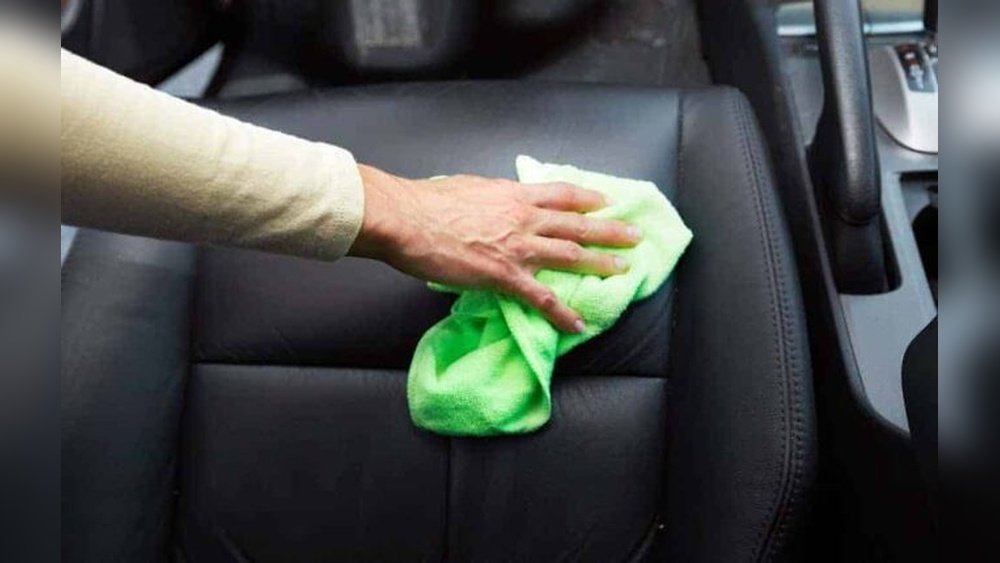
Your car’s leather seats give it a touch of luxury and comfort. But when stains appear, they can ruin that sleek look and make you feel frustrated.
You might wonder how to clean those stubborn spots without damaging the leather. Don’t worry—you’re in the right place. This guide will show you simple, effective ways to get stains out of your leather seats and keep them looking fresh.
Keep reading, and you’ll learn easy steps that save you time and protect your car’s interior.
Common Causes Of Leather Seat Stains
Leather seats in cars add style and comfort. They also need care. Stains can ruin their look. Knowing common causes helps prevent damage. It also guides proper cleaning methods.
Food And Drink Spills
Spilled coffee, soda, or sauce often stain leather. These liquids soak into the material fast. Sugary drinks leave sticky marks. Greasy foods can cause dark spots. Quick cleaning is important to avoid permanent stains.
Ink And Dye Marks
Pen ink or marker stains are tough to remove. Ink seeps deep into leather fibers. Dye from clothes or bags can transfer color. These stains need special cleaners to avoid spreading. They often require gentle scrubbing or treatment.
Oil And Grease Stains
Oils from skin or food leave dark patches. Car grease or lotion can also stain seats. Oil sits on leather surface and absorbs quickly. These stains look shiny and dirty. Absorbing powders or cleaners work best for removal.
Dirt And Mud
Mud and dirt track into cars on shoes. Dry dirt can scratch leather if rubbed. Wet mud can soak in and cause stains. Regular wiping stops buildup. Deep cleaning may be needed for tough dirt marks.
Credit: www.reddit.com
Essential Supplies For Cleaning
Cleaning stains from leather car seats needs the right supplies. Using proper tools protects the leather and keeps it soft. This section lists the must-have items for effective cleaning. These supplies help remove stains safely without damage. Keep them ready before starting the cleaning process.
Leather Cleaner Types
Choose a cleaner made for leather only. Avoid harsh chemicals that dry or crack leather. There are foam, liquid, and spray cleaners. Foam works well for light stains and dirt. Liquids penetrate deeper for tough stains. Sprays offer easy, even coverage on large areas.
Soft Cloths And Brushes
Use soft cloths like microfiber to wipe surfaces gently. Rough cloths can scratch or harm leather. Small brushes help clean seams and crevices. Select brushes with soft bristles to avoid damage. These tools lift dirt without rubbing harshly.
Protective Gloves
Wear gloves to protect your hands from chemicals. Gloves also stop oils from your skin reaching the leather. Choose disposable or reusable gloves made from latex or nitrile. Gloves keep cleaning safe and hygienic.
Moisturizing Conditioners
Conditioners restore moisture and flexibility to leather. They prevent cracking after cleaning. Apply a thin layer and let it absorb fully. Use conditioners designed for car leather seats. This step extends the life of your leather seats.
Preparation Before Cleaning
Preparing your leather car seats before cleaning is important. It helps protect the leather and makes stain removal easier. Taking small steps first ensures the best results without damage. Follow these simple tips to get started the right way.
Vacuuming And Dust Removal
Start by vacuuming the seats gently. Use a soft brush attachment to avoid scratches. Remove loose dirt and dust from the surface and seams. This stops dirt from rubbing deeper into the leather during cleaning. Clean seats allow stain removers to work better.
Testing Cleaners On Hidden Areas
Always test any cleaner before full use. Pick a small, hidden spot on the seat. Apply a little cleaner and wait a few minutes. Check for color changes or damage. Testing protects your seats from harsh chemicals or fading. Use only products safe for leather.
Step-by-step Cleaning Process
Cleaning leather seats in your car needs care and the right steps. Follow the step-by-step process below to remove stains safely. This method protects the leather and keeps your seats looking fresh. Each step is simple and uses gentle techniques.
Applying Cleaner Gently
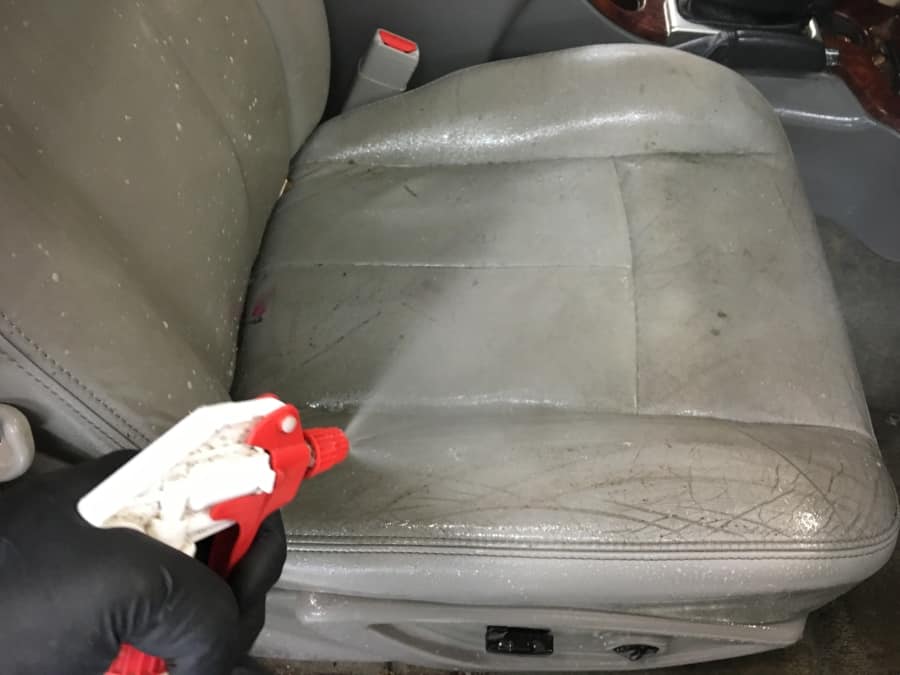
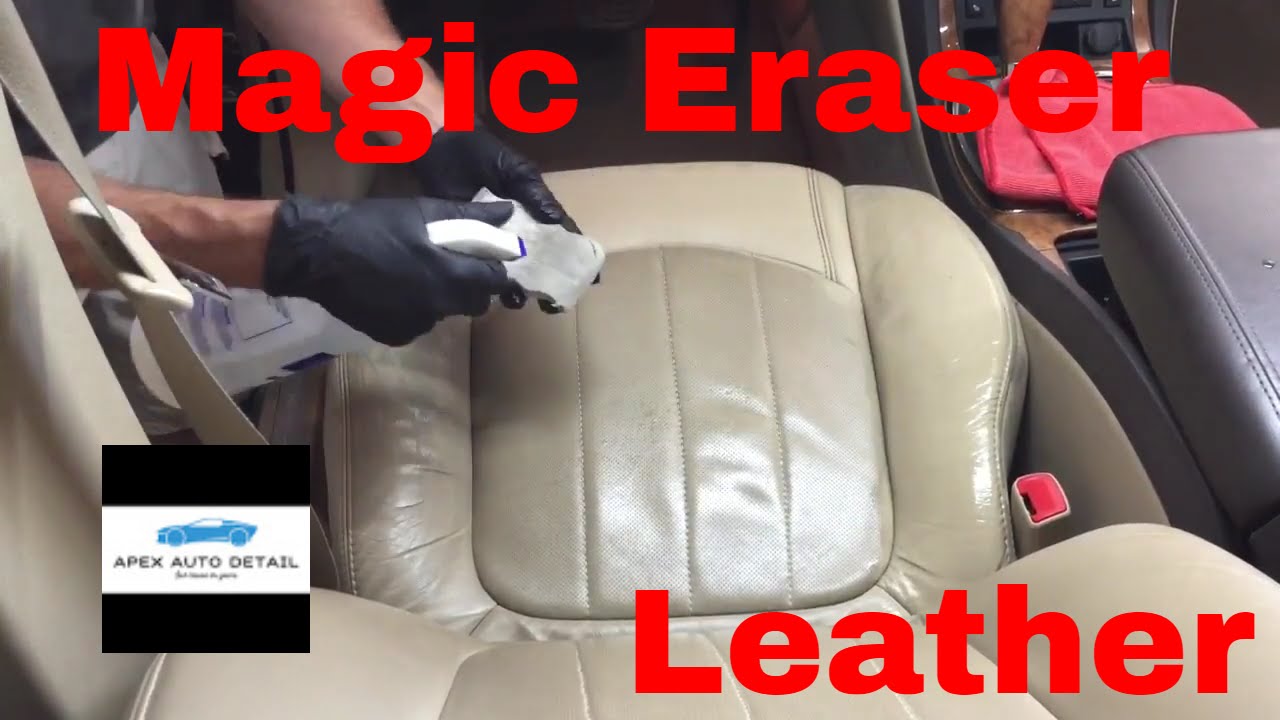
Choose a leather cleaner made for car seats. Apply a small amount to a soft cloth. Dab the cleaner on the stained area carefully. Avoid pouring cleaner directly on the leather. Work in small sections to prevent damage.
Removing Stains With Soft Brushes
Use a soft brush to loosen dirt and stains. Gently scrub the stained area in circular motions. Do not press too hard to avoid scratching the leather. This helps lift the stain without harming the surface.
Wiping And Drying The Leather
Take a clean, dry cloth to wipe away the cleaner and loosened dirt. Pat the leather gently to soak up moisture. Let the seats air dry naturally in a cool place. Avoid direct sunlight or heat, which can dry out the leather.
Home Remedies For Tough Stains
Leather seats give your car a rich and clean look. But stains can spoil that look fast. Tough stains need special care to avoid damage. Home remedies use simple items you likely have. These methods are gentle and effective for stubborn spots.
Using Vinegar And Water
Mix equal parts of white vinegar and water. Dampen a soft cloth with the mix. Gently rub the stained area in circles. Vinegar breaks down dirt and oils. Use a dry cloth to wipe away moisture. Repeat if the stain stays. Always test in a hidden spot first.
Baking Soda Paste
Make a paste with baking soda and water. Spread the paste on the stain carefully. Let it sit for 30 minutes to absorb oils. Use a soft brush or cloth to scrub lightly. Wipe off the paste with a damp cloth. Dry the seat well to prevent marks.
Rubbing Alcohol Techniques
Pour rubbing alcohol on a cotton ball. Dab the stained area gently without soaking. Alcohol helps lift ink and grease stains. Do not rub hard to avoid damage. Wipe with a clean cloth after treating. Test on a small area to check for color loss.
Tips To Protect Leather Seats
Protecting leather seats keeps your car looking fresh and clean. Good care stops stains and damage. Follow simple tips to keep leather soft and strong. These easy steps help your seats last longer and look better every day.
Regular Cleaning Schedule
Clean leather seats often. Use a soft cloth to wipe dust and dirt. Avoid harsh chemicals that can dry out leather. A gentle cleaner made for leather works best. Clean spills quickly to stop stains from setting. Regular cleaning keeps the leather smooth and healthy.
Using Leather Conditioners
Leather conditioners keep seats soft and shiny. Apply conditioner every few months to prevent cracks. Use a small amount and rub gently into the leather. Conditioners protect against dryness and fading. This step helps leather stay flexible and strong over time.
Avoiding Direct Sunlight Exposure
Sunlight can make leather fade and crack. Park in shaded areas or use sunshades inside the car. Close windows or use tinted glass to reduce sun damage. Protecting seats from sun keeps the leather color rich. Avoiding direct sunlight helps maintain leather’s natural look and feel.
When To Seek Professional Help
Some stains on leather seats need more than just home cleaning. Leather is delicate and can get damaged easily. Knowing when to seek professional help can save your seats and your money.
Professionals have special tools and cleaners made for leather. They know how to treat tough stains without harming the material. This service is important for keeping your seats looking good and lasting longer.
Deep Stains And Damage
Deep stains are hard to remove with regular cleaning. Spills that soaked into the leather may not come out easily. Scratches, tears, or cracks need expert care. Professionals can fix damage and treat deep stains safely.
Restoration Services
Restoration experts restore the leather’s color and texture. They use special techniques to clean and repair. These services bring old or stained seats back to life. DIY methods cannot match the quality of professional restoration.
Cost Considerations
Professional cleaning and repair cost more than home cleaning. The price depends on the stain type and damage level. Consider the value of your car and leather condition. Spending on experts can prevent bigger, costly problems later.
Credit: avalonking.com
Credit: www.youtube.com
Frequently Asked Questions
How To Remove Ink Stains From Leather Car Seats?
Use a cotton swab dipped in rubbing alcohol. Dab gently on the stain without rubbing. Wipe with a clean, damp cloth. Repeat if necessary. Always test in an inconspicuous area first to avoid damage.
Can Vinegar Help Clean Leather Seat Stains?
Yes, dilute white vinegar with water in equal parts. Apply with a soft cloth and gently wipe the stain. Avoid soaking the leather. Vinegar helps break down stains and deodorizes without harsh chemicals.
What Household Items Remove Grease Stains On Leather?
Cornstarch or baking soda absorbs grease effectively. Sprinkle on the stain, let it sit for a few hours, then brush off gently. This method lifts grease without damaging leather surfaces.
Is It Safe To Use Leather Cleaner Regularly?
Yes, using a dedicated leather cleaner monthly keeps seats clean and supple. Avoid harsh detergents or abrasive tools. Regular cleaning prevents buildup and extends the life of your leather seats.
Conclusion
Cleaning leather seats does not have to be hard. Act fast to stop stains from setting. Use gentle cleaners and soft cloths for best results. Test any product on a small spot first. Regular care keeps leather looking fresh and new.
Treat your car seats with care to protect your investment. A clean seat makes every drive more enjoyable. Simple steps can save you time and money. Keep your car interior neat and comfortable. Easy to follow tips help you maintain leather seats well.
