
You want to keep your child safe every time they ride in the car. But did you know that your car seat might have an expiration date?
Using an expired car seat can put your little one at serious risk. How can you tell if your car seat is still safe to use? You’ll learn simple ways to check if your car seat is expired and what steps to take next.
Keep reading to protect your child and drive with confidence.
Car Seat Lifespan
Car seats have a lifespan that every parent should know. This lifespan tells how long a car seat is safe to use. Over time, materials wear out, and safety features might weaken. Using an expired car seat can put your child at risk. Understanding the car seat lifespan helps keep your child safe on every ride.
Typical Expiration Period
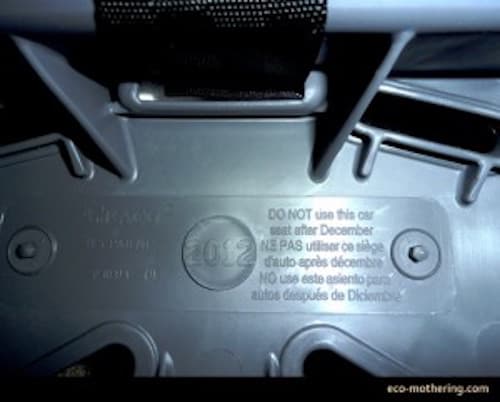
Most car seats expire after six to ten years. This time starts from the seat’s manufacture date. You can find this date on the label or molded into the plastic. After this period, the seat may not protect well in a crash. Manufacturers set expiration dates to ensure safety and performance.
Factors Affecting Durability
Heat, sunlight, and humidity can damage car seats faster. Storing a seat in a hot car can weaken its parts. Crashes or accidents can also affect its safety, even if damage is not visible. Regular cleaning with harsh chemicals can wear out the materials. These factors shorten the car seat’s effective life.
Credit: www.shadetreegarage.com
Checking Expiry Dates
Checking the expiry date is the best way to know if your car seat is still safe. Car seats have a limit on how long they can be used. This limit helps keep children protected. Expired seats may lose strength and fail in accidents. Finding and reading the expiry date is quick and easy.
Locating The Expiration Label
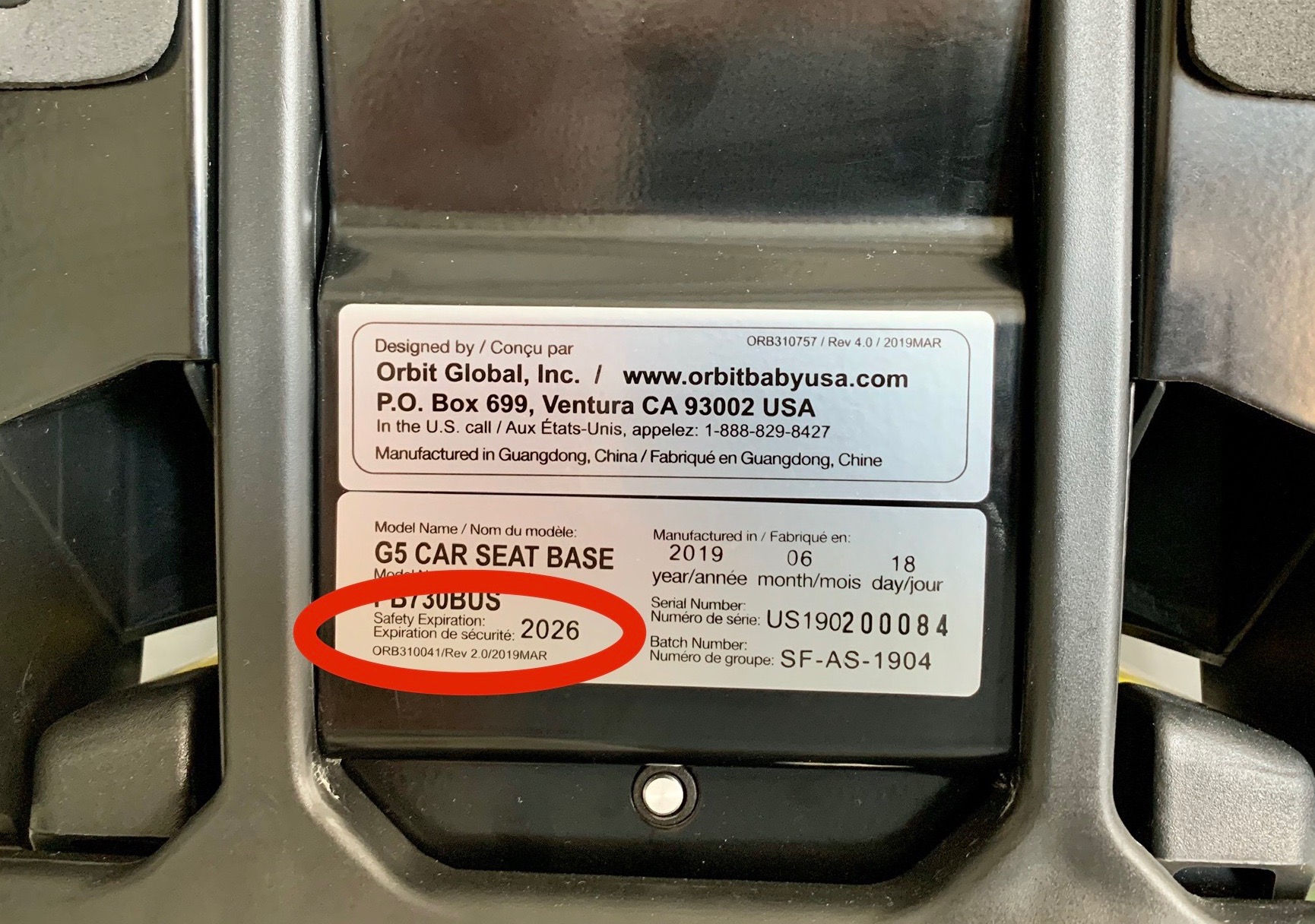
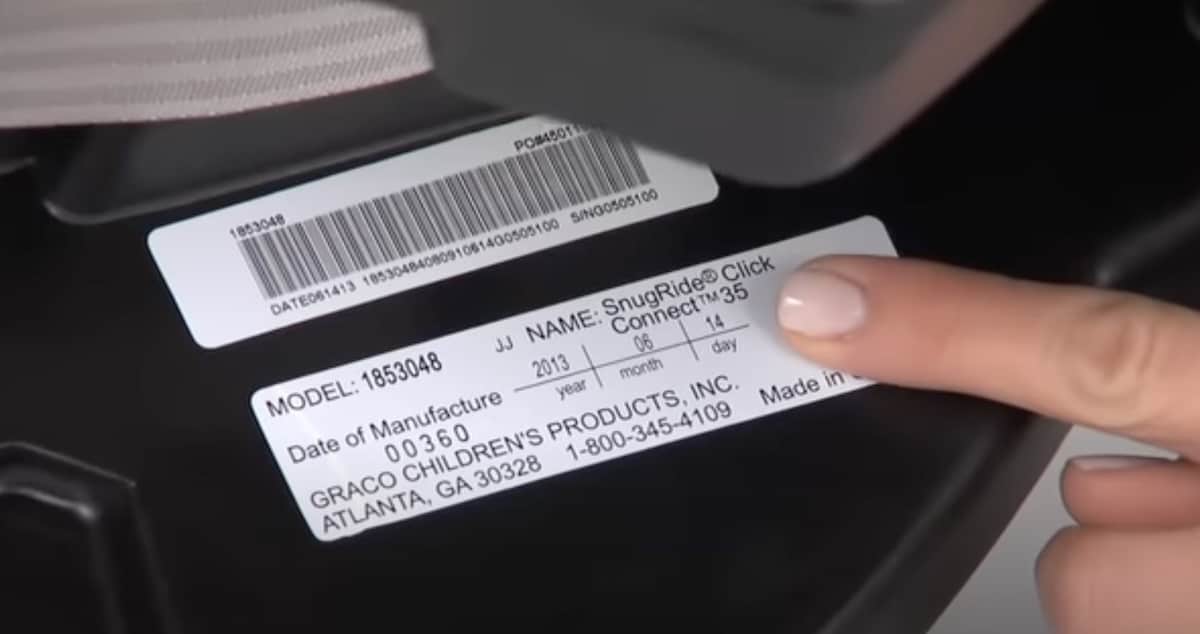
The expiration label is usually on the car seat’s frame or base. It can be a sticker or a molded number. Look near the belt path, back, or bottom of the seat. The label is often white with black text. It states the manufacture date and expiry date or lifespan.
Interpreting The Date Code
The date code shows when the car seat was made. It may appear as month and year or a full date. The expiry date is often six to ten years after the manufacture date. Some seats list an exact expiry date. Others give a lifespan in years. Subtract the manufacture year from the lifespan to find expiry.
Signs Of Wear And Damage
Car seats protect children during travel. Over time, they wear out and lose safety. Signs of wear and damage show when a car seat is no longer safe. Regular checks help keep your child safe on every ride.
Cracks And Broken Parts
Look closely for cracks in the plastic shell. Even small cracks weaken the seat’s strength. Check buckles and straps for broken parts. Broken pieces can fail during a crash. Any damaged part means the seat must be replaced.
Faded Or Torn Fabrics
Faded fabrics show the seat has been exposed to sun for too long. Sun damage can weaken the material. Torn or frayed fabric may reduce comfort and protection. Worn fabric also hides important labels and instructions. Replace the seat if fabric is badly worn or torn.
Credit: support.orbitbabyusa.com
Impact Of Recalls And Safety Standards
Car seat safety depends on strict rules and updates. Recalls and safety standards protect children from hidden dangers. Knowing how recalls and rules affect your car seat helps keep kids safe. It also shows if your car seat is outdated or unsafe.
Checking For Recalls
Car seat recalls happen when a safety issue is found. Manufacturers fix or replace faulty seats free of charge. Check your car seat model number on official recall websites. Register your car seat with the maker to get recall alerts. Using a recalled seat can put a child at risk.
Compliance With Current Safety Regulations
Safety rules for car seats change over time. New laws require better protection in crashes. Older seats may not meet these new rules. Check the label for the manufacture date and safety standards. Replace seats that do not follow the latest regulations. This ensures the highest safety level for your child.
Storage And Maintenance Tips
Proper storage and care help keep your car seat safe for children. It also extends the seat’s life. Good habits reduce damage and make sure the seat works correctly. Follow these simple tips to protect your car seat.
Proper Cleaning Methods
Use mild soap and warm water for cleaning. Avoid harsh chemicals that can weaken the fabric or plastic. Remove the cover and wash it by hand or on a gentle cycle. Let the cover air dry to keep its shape and strength.
Clean straps with a damp cloth only. Do not soak or scrub straps deeply. This prevents weakening and loss of safety. Check the manual for specific cleaning instructions.
Avoiding Extreme Conditions
Store the car seat in a cool, dry place. Avoid direct sunlight which can fade and crack plastic parts. Keep it away from damp areas to prevent mold growth.
Do not leave the seat in very hot or cold cars for long. Extreme heat or cold can damage the seat’s materials. Proper storage helps maintain the seat’s strength and safety features.
When To Replace Your Car Seat
Knowing when to replace your car seat is very important for your child’s safety. Car seats do not last forever. Over time, parts can wear out or break without showing clear signs. Old seats might not protect your child well in a crash. Checking the right time to replace helps keep your child safe on every trip.
After A Crash
Replace your car seat right after any crash. Even small crashes can harm the seat’s structure. Damage may not always be visible. The seat might not protect your child properly after an accident. Car seat manufacturers and safety experts say to stop using seats involved in crashes. Always buy a new seat after a crash.
Regular Replacement Intervals
Car seats have expiration dates. These dates are usually found on a label on the seat. Most car seats expire after six to ten years. Plastic parts break down over time. Safety standards also change. Using an expired car seat is risky. Follow the expiration date to know when to replace your seat. Check this date before buying a used car seat too.
Credit: southernmaineonthecheap.com
Frequently Asked Questions
How Do I Find My Car Seat’s Expiration Date?
Look for a sticker or molded date on the car seat’s shell. It usually indicates the manufacture and expiration dates. If unclear, check the user manual or manufacturer’s website for specific details.
Why Do Car Seats Expire?
Car seats expire due to wear, material degradation, and evolving safety standards. Over time, plastic weakens and harnesses may lose effectiveness, reducing protection in crashes.
Can Expired Car Seats Still Be Used Safely?
No, using expired car seats is unsafe. They may not protect your child properly in an accident. Always replace car seats once they reach the expiration date.
How Long Is The Typical Car Seat Lifespan?
Most car seats expire within 6 to 10 years from the manufacture date. Check your seat’s label, as lifespan varies by brand and model.
Conclusion
Car seats wear out over time and can become unsafe. Check the expiration date on the label. Look for cracks or missing parts. Old seats might not protect your child well. Always follow the manufacturer’s instructions. Replace the seat if it is expired or damaged.
Safety comes first when traveling with children. Stay alert to keep your child secure on every trip.
