
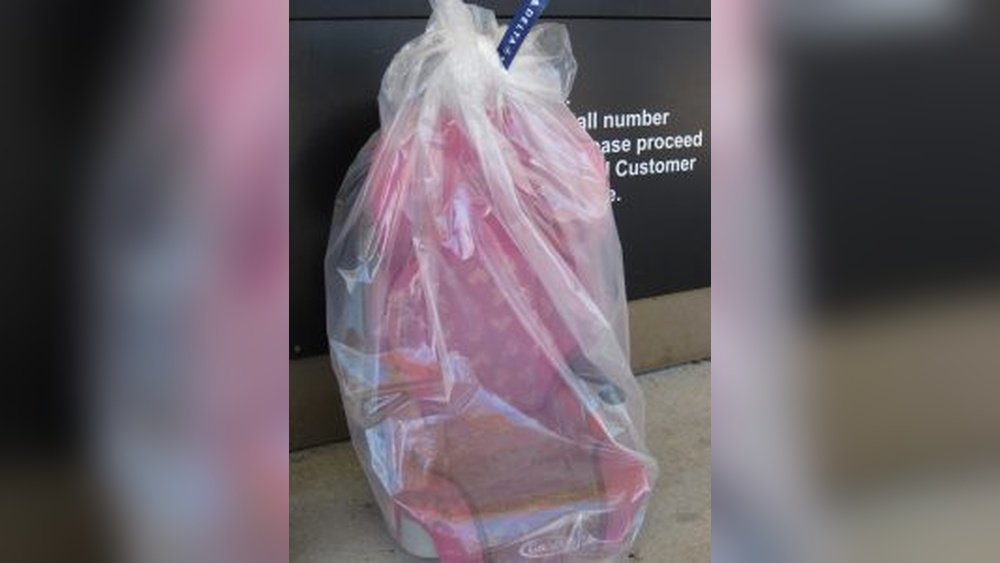
Traveling with a car seat can be tricky, especially when you need to check it as baggage. You want to keep your little one safe, but you also want to protect the seat from damage.
If you’re wondering how to pack a car seat for checked baggage without the stress, you’re in the right place. This guide will show you simple, effective steps to keep your car seat secure and ready for use when you arrive.
Keep reading to discover easy tips that save you time, money, and worry on your next trip.
Choosing The Right Car Seat
Choosing the right car seat for checked baggage is crucial for a smooth trip. The right seat protects your child and fits airline rules. It also makes traveling easier and less stressful.
Check Airline Policies
Each airline has its own rules for car seats. Some allow seats as checked bags for free. Others charge extra fees. Check size and weight limits too. Knowing these rules saves money and trouble at the airport.
Consider Car Seat Size And Weight
Heavy and large car seats are hard to carry and check. Choose a seat that is lightweight and compact. It should fit easily in overhead bins or under seats. Smaller seats are easier to handle and store during travel.
Look For Travel-friendly Features
Seats with travel-friendly features make trips easier. Look for removable covers for washing. Padded straps add comfort for your child. Some seats fold or come with travel bags. These features help protect the seat and simplify packing.

Credit: easytobreezy.com
Preparing The Car Seat
Preparing the car seat for checked baggage helps protect it during travel. It keeps the seat clean and safe from damage. Taking a few simple steps ensures the seat arrives ready for use.
Clean And Inspect
Start by cleaning the car seat. Wipe off dirt and crumbs using a damp cloth. Check for stains or sticky spots. Look for any damage like cracks or broken parts. A clean and sound seat is easier to pack and protects your child.
Remove Loose Parts
Take off any loose pieces. This includes headrests, cup holders, or toys attached to the seat. Removing these parts prevents loss and damage during handling. Keep them in a separate bag to avoid misplacing them.
Secure Straps And Buckles
Fasten all straps tightly. Buckle the harness and secure any loose ends. Tuck straps inside the seat to stop them from getting caught or tangled. This keeps the car seat compact and safe during transit.
Packing Materials And Tools
Packing a car seat for checked baggage needs the right materials and tools. These help protect the seat during travel. Proper packing keeps the seat safe from scratches, dirt, and damage.
Gathering the correct supplies makes packing easier and more secure. Focus on covers, padding, tape, and labels. These items work together to shield the car seat and identify your luggage.
Select Protective Covers
Choose a cover that fits your car seat well. Look for thick, durable materials. Covers help stop scratches and dirt from reaching the seat. A waterproof cover adds extra protection against rain or spills.
Use a cover made for car seats or a heavy-duty luggage bag. Avoid thin plastic bags that tear easily. Covers with padding inside give better shock absorption.
Use Bubble Wrap And Padding
Wrap the car seat in bubble wrap for extra cushioning. Bubble wrap absorbs bumps during handling and transport. Add soft padding like foam or blankets around the seat.
Cover all sides, especially corners and edges. Padding fills empty spaces inside the luggage. This stops the seat from moving and reduces impact damage.
Gather Tape And Labels
Use strong packing tape to secure the cover and padding. Tape all openings and seams tightly. This keeps the packing materials in place during travel.
Attach clear labels with your name and contact information. Mark the bag as “Fragile” to alert handlers. Use waterproof markers or printed labels for durability.
Packing Techniques
Packing a car seat for checked baggage needs care and smart methods. Proper packing keeps the seat safe from damage during travel. Follow these simple packing techniques to protect your car seat.
Wrap The Car Seat Properly
Start by cleaning the car seat. Remove loose dirt and crumbs. Use a soft blanket or bubble wrap to cover the entire seat. Wrap tightly but gently to avoid pressure on the seat. Secure the wrap with tape or straps to keep it in place.
Place In A Sturdy Bag Or Box
Choose a strong bag or box that fits the car seat well. The container should protect against knocks and drops. Hard plastic boxes work best. If using a bag, pick one with strong handles and zippers. Make sure the seat does not move inside the container.
Add Extra Cushioning
Fill empty spaces around the car seat with soft materials like foam or clothes. This extra cushioning absorbs shocks during handling. Avoid using materials that can crush or shift easily. Check that the seat feels snug and secure before closing the container.
Labeling And Documentation
Labeling and documentation are key steps for packing a car seat as checked baggage. They help protect your seat and make sure it arrives safely. Clear labels and proper papers reduce confusion at the airport. They also make it easier to claim the seat if lost.
Attach Fragile Stickers
Place fragile stickers on all sides of the car seat. This tells handlers to be careful with your baggage. Use bright, easy-to-see stickers. Fragile labels increase the chance of gentle handling.
Include Contact Information
Write your name, phone number, and email on a tag. Attach it securely to the car seat. This helps airport staff reach you if needed. Use waterproof tags to protect the information from damage.
Keep Receipts And Manuals
Keep the purchase receipt and instruction manual in your carry-on bag. These papers prove ownership and the seat’s model. They help with insurance claims or repairs if needed. Store them safely and accessibly.
Credit: thevacationgals.com
At The Airport
Packing a car seat for checked baggage requires care, especially at the airport. The process can feel stressful without proper steps. Follow simple tips to keep your car seat safe and avoid delays. Prepare early and stay calm to make your travel smooth.
Arrive Early
Arriving at the airport early gives you extra time. You can handle check-in without rushing. More time means you can carefully pack and check your car seat. Early arrival helps avoid last-minute stress and long lines.
Communicate With Airline Staff
Talk to airline staff about your car seat. Let them know you plan to check it as baggage. Staff can guide you on the best way to handle it. Clear communication helps prevent damage and confusion.
Confirm Checked Baggage Procedures
Check the airline’s rules for car seats in checked baggage. Some airlines have specific guidelines or fees. Knowing these rules saves time and money. Confirming procedures ensures your car seat is accepted and protected.
After Arrival
After your trip, handling the car seat carefully is key. The journey can be rough on the seat. Checking it right after arrival protects your child’s safety. Follow these steps to ensure the car seat is ready for use again.
Inspect The Car Seat
Look over the car seat carefully. Check for cracks, dents, or broken parts. Make sure the straps are not frayed or twisted. Look inside the seat for any missing pieces. A thorough check helps spot any damage early.
Report Damage Immediately
If you find damage, report it without delay. Contact the airline or baggage service desk at the airport. Provide details and photos of the damage. Early reporting increases the chance of compensation. Keep all your travel documents handy for reference.
Clean And Reassemble
Remove dirt and dust from the car seat. Use a damp cloth and mild soap. Avoid harsh chemicals that can weaken the material. Let the seat dry completely before putting it back together. Follow the manufacturer’s instructions to reassemble properly.
Additional Tips
Packing a car seat for checked baggage needs some extra care. Small steps can protect your seat and make travel easier. These tips help you travel smart and stress-free.
Consider Using A Car Seat Travel Cart
A car seat travel cart makes moving your seat easier. It holds the seat securely and has wheels for smooth transport. You avoid carrying heavy weight and reduce damage risk. Many carts fold small for easy storage.
Explore Rental Options
Renting a car seat at your destination saves packing trouble. It cuts the risk of damage during flights. Rental seats meet safety standards and are clean. Check prices and policies before booking to save money.
Plan For Carry-on Alternatives
Some airlines allow car seats as carry-on items. This keeps your seat safe and handy during travel. Check your airline’s rules on size and weight limits. Prepare a travel bag that fits under the seat or overhead bin.

Credit: easytobreezy.com
Frequently Asked Questions
How Do I Protect A Car Seat In Checked Baggage?
Use a sturdy car seat travel bag or hard case to protect it. Wrap padding around the seat to avoid damage. Secure loose parts tightly to prevent movement during transit.
Can I Check Any Car Seat On A Plane?
Most airlines allow car seats as checked baggage. Check your airline’s policy first. Make sure the seat meets safety standards and is properly packed.
Should I Remove The Car Seat Cover Before Packing?
Yes, remove and wash the car seat cover before packing. This prevents dirt and odors during travel. Pack the cover separately in a clean bag.
How To Label A Car Seat For Checked Baggage?
Attach a clear luggage tag with your contact details on the car seat. Add a “Fragile” sticker for careful handling. This helps airline staff identify and protect your seat.
Conclusion
Packing a car seat for checked baggage does not have to be hard. Use a sturdy bag or cover to protect it well. Make sure to secure straps tightly to avoid damage. Label the bag clearly with your contact details.
Check airline rules before you travel for smooth handling. Taking these steps helps keep your car seat safe and ready to use. Travel with peace of mind, knowing your child’s seat is packed right. Safe travels and enjoy your trip!
