
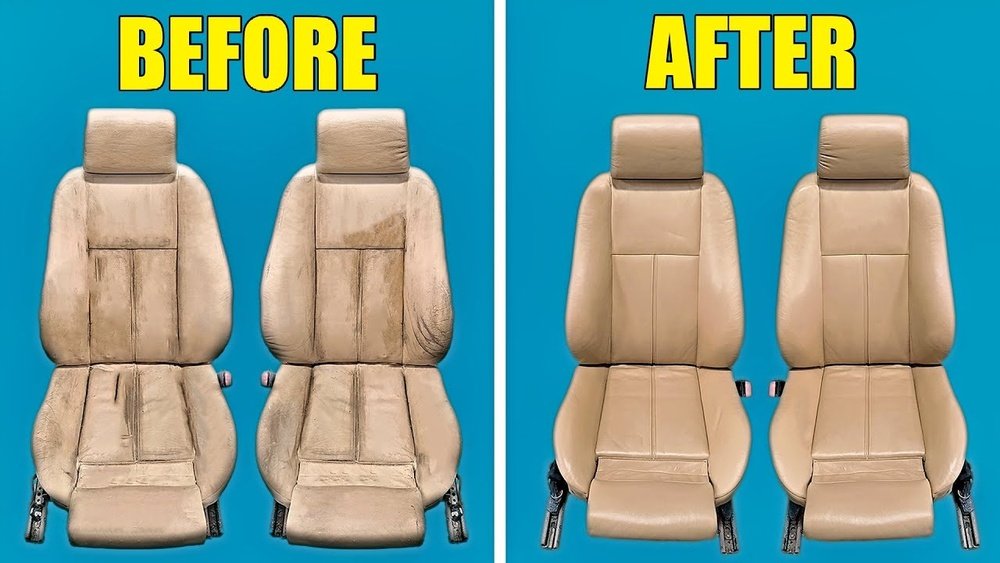
Your leather car seats can look worn out, cracked, or faded over time. But what if you could bring them back to life without spending a fortune?
Reconditioning your leather seats is easier than you think, and it can make your car feel brand new again. In this guide, you’ll discover simple, effective steps to restore the beauty and comfort of your leather seats. Keep reading to learn how you can protect your investment and enjoy a fresh, stylish ride every time you get behind the wheel.
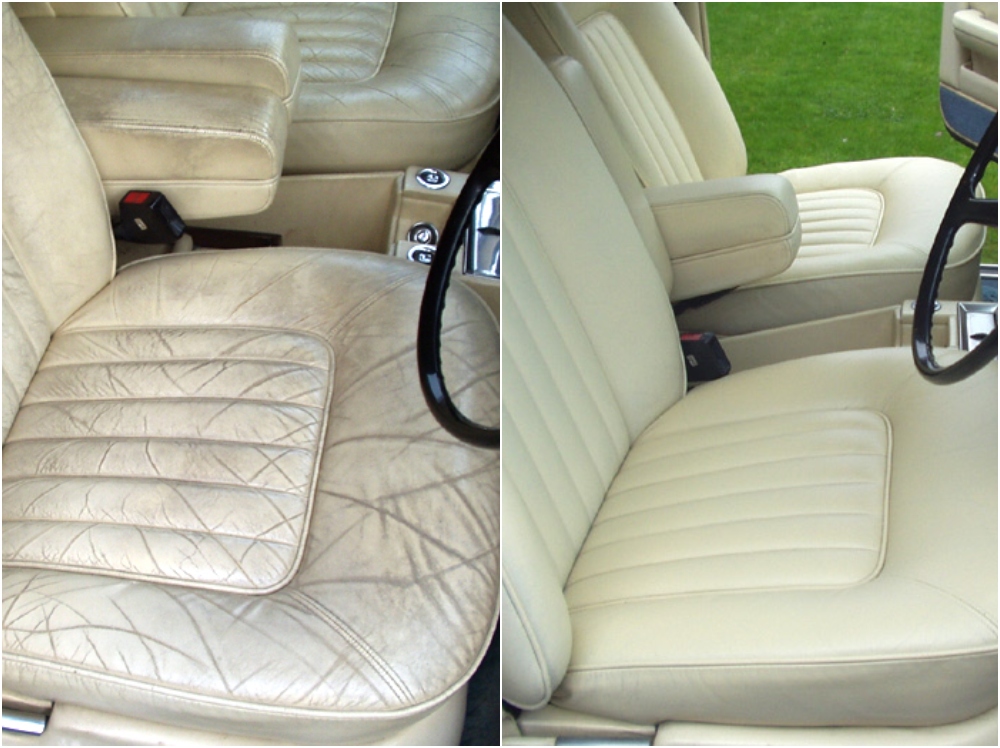
Credit: www.furnitureclinic.ae
Preparing Your Leather Seats
Preparing your leather seats is the first step to bring them back to life. This process helps you clean and fix the leather properly. Taking time now will make the reconditioning last longer and look better.
Gathering Necessary Tools
Start by collecting all tools needed for the job. You will need a soft cloth, a gentle leather cleaner, a sponge, and a brush with soft bristles. Also, have leather conditioner and repair kits ready. These tools protect the leather and make cleaning easier.
Cleaning The Leather Surface
Remove dust and dirt from the seats with a dry cloth. Apply leather cleaner on a sponge and gently rub the surface. Clean in small circles to avoid damage. Use a damp cloth to wipe off the cleaner. Let the seats dry completely before moving forward.
Assessing Damage And Wear
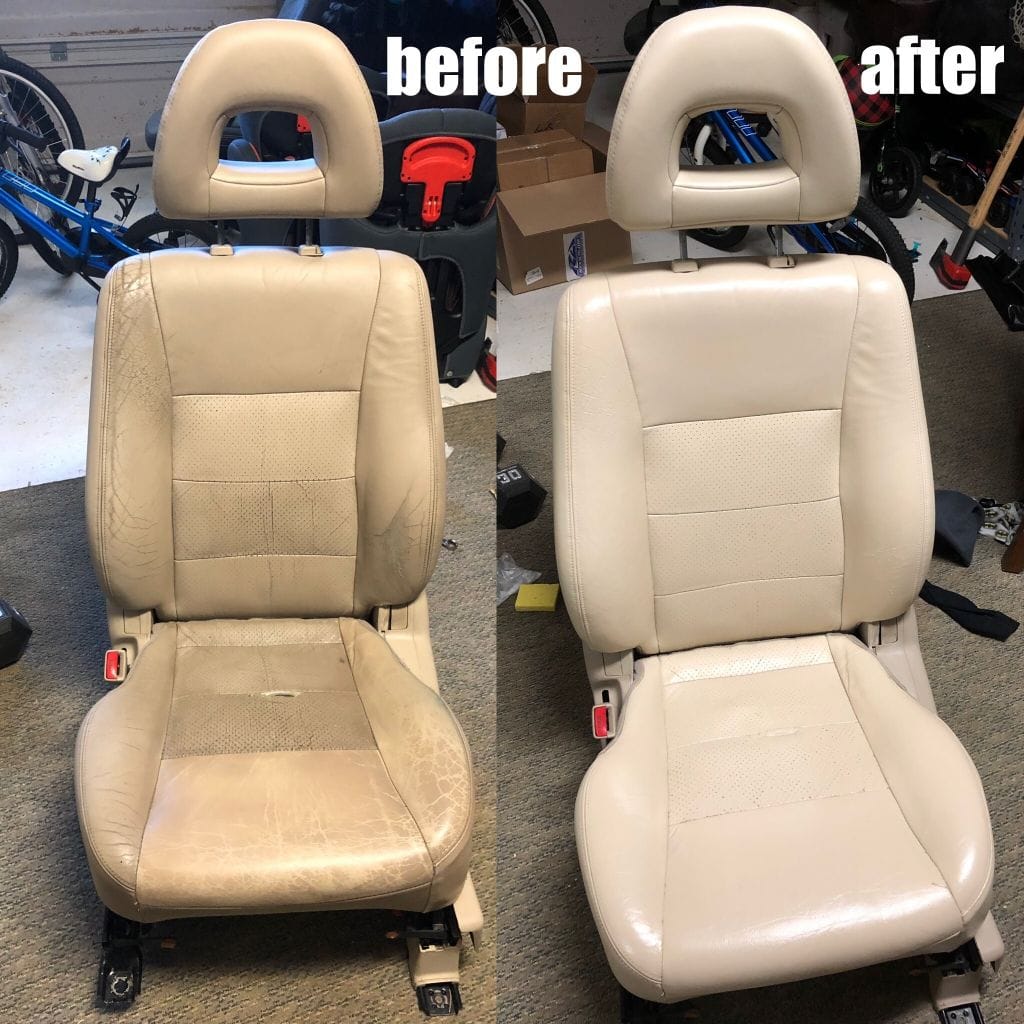
Check the seats for cracks, tears, or faded spots. Small cracks can be fixed with repair kits. Deep tears might need professional help. Notice the color fading or stains that might need special treatment. Knowing the damage helps choose the right reconditioning steps.
Credit: rubnrestore.com
Repairing Leather Damage
Repairing leather damage is a key step in reconditioning your car seats. Small cracks, scratches, tears, and holes can make seats look old and worn out. Fixing these issues restores the seats’ appearance and extends their life. Careful repair brings smooth, even surfaces ready for conditioning.
Fixing Small Cracks And Scratches
Small cracks and scratches are common on leather seats. Clean the area with a mild cleaner first. Use a leather filler or repair compound to fill cracks gently. Apply thin layers and let each dry before the next. Finish by smoothing the surface with a soft cloth.
Handling Tears And Holes
Tears and holes need stronger repair methods. Trim any loose fibers around the damage. Use a leather patch or backing fabric inside the seat. Apply leather adhesive to hold the patch firmly. Fill the tear with a leather repair compound. Let it dry fully before sanding.
Sanding And Smoothing The Surface
Sanding creates a smooth and even surface for repair. Use fine-grit sandpaper to gently sand filled areas. Remove any rough edges or excess filler. Wipe the surface clean to remove dust. Smooth surfaces help the leather paint or dye stick better.
Conditioning And Restoring Leather
Conditioning and restoring leather car seats is key to keeping them soft and strong. Leather can dry out and crack over time. Proper care brings back its natural shine and flexibility. This process also protects the leather from future damage. Follow these steps to make your seats look and feel great again.
Choosing The Right Leather Conditioner
Select a conditioner made for automotive leather. Some products suit only furniture or clothing leather. Look for one that cleans and moisturizes. Avoid conditioners with harsh chemicals or silicone. These can damage the leather or leave residue. Test a small area first to check for color changes.
Applying Conditioner Evenly
Use a soft cloth or sponge to apply conditioner. Work in small sections for better control. Apply thin, even layers to avoid buildup. Rub gently in circular motions to help absorption. Cover all parts, including seams and crevices. Wipe off any extra conditioner to prevent stickiness.
Allowing Leather To Absorb Treatment
Let the leather sit for at least 30 minutes after applying conditioner. This time allows the leather to soak up the oils. Avoid sitting on or touching the seats during this period. For very dry leather, repeat the process once dry. Proper absorption restores softness and prevents cracks.

Credit: www.leathercare.com
Dyeing And Coloring
Dyeing and coloring leather car seats can bring them back to life. It covers up scratches, stains, and dull spots. The process requires care and the right tools. Proper dyeing makes seats look fresh and new.
Choosing the right color and applying it carefully keeps the leather soft. Protecting the color helps it last longer. Follow these steps to get the best results.
Selecting Matching Leather Dye
Choose a dye that matches your seat color closely. Test the dye on a small hidden spot. Check how it looks after drying. Leather colors can vary, so pick carefully. Use dyes made for leather, not fabric or wood.
Applying Dye With Precision
Clean the seat before dyeing to remove dirt and oils. Use a sponge or soft cloth to apply dye evenly. Apply thin layers to avoid streaks and patches. Let each layer dry before adding the next. Work in small sections to control the process.
Sealing And Protecting The Color
After dyeing, apply a leather sealer to lock the color. Sealers stop fading and protect against spills. Use a soft cloth to spread the sealer evenly. Let the sealer dry fully before using the seat. Repeat sealing every few months for best protection.
Maintaining Reconditioned Seats
Keeping your leather car seats in great shape takes effort after reconditioning. Proper maintenance helps your seats stay soft and look fresh for longer. Simple habits protect the leather from damage and wear. Follow easy steps to maintain the quality and beauty of your seats.
Regular Cleaning Tips
Clean your leather seats often to remove dust and dirt. Use a soft cloth or vacuum with a brush attachment. Avoid harsh cleaners that can dry out leather. Choose a mild leather cleaner or a mix of water and mild soap. Wipe gently and dry with a clean towel. Regular cleaning stops dirt from damaging the leather surface.
Protecting From Sun And Heat
Sunlight and heat cause leather to fade and crack. Park in shaded areas or use sunshades to block UV rays. Keep windows slightly open to reduce heat build-up. Use leather protectant sprays that guard against sun damage. Cover seats if you leave your car outside for long periods. These steps keep your leather soft and vibrant.
Scheduling Periodic Conditioning
Leather needs moisture to stay soft and flexible. Condition your seats every 3 to 6 months. Use a quality leather conditioner made for car seats. Apply evenly with a clean cloth and let it absorb. Conditioning prevents drying, cracking, and peeling. Regular conditioning keeps your seats feeling new and comfortable.
Frequently Asked Questions
How Do I Clean Leather Car Seats Before Reconditioning?
Use a gentle leather cleaner and a soft cloth to remove dirt. Avoid harsh chemicals that can damage the leather. Clean thoroughly to prepare the surface for conditioning and repair.
What Products Are Best For Leather Seat Reconditioning?
Use high-quality leather conditioners, cleaners, and repair kits designed for automotive leather. Avoid household products, as they may cause damage or discoloration.
How Often Should I Recondition Leather Car Seats?
Recondition leather seats every 3 to 6 months to maintain softness and prevent cracking. Frequency depends on usage, climate, and exposure to sunlight.
Can I Fix Cracks And Tears In Leather Seats Myself?
Small cracks and tears can be repaired with leather repair kits. For extensive damage, professional repair is recommended to restore seat integrity.
Conclusion
Reconditioning leather car seats takes time and patience. Clean the seats gently and use the right products. Regular care keeps leather soft and strong. Small cracks can turn into big problems if ignored. Fixing seats yourself saves money and gives good results.
Your car will look fresher and feel more comfortable. Keep your seats protected from sun and spills. Simple steps can extend the life of your leather. Enjoy the look and comfort of well-kept seats every day.
