
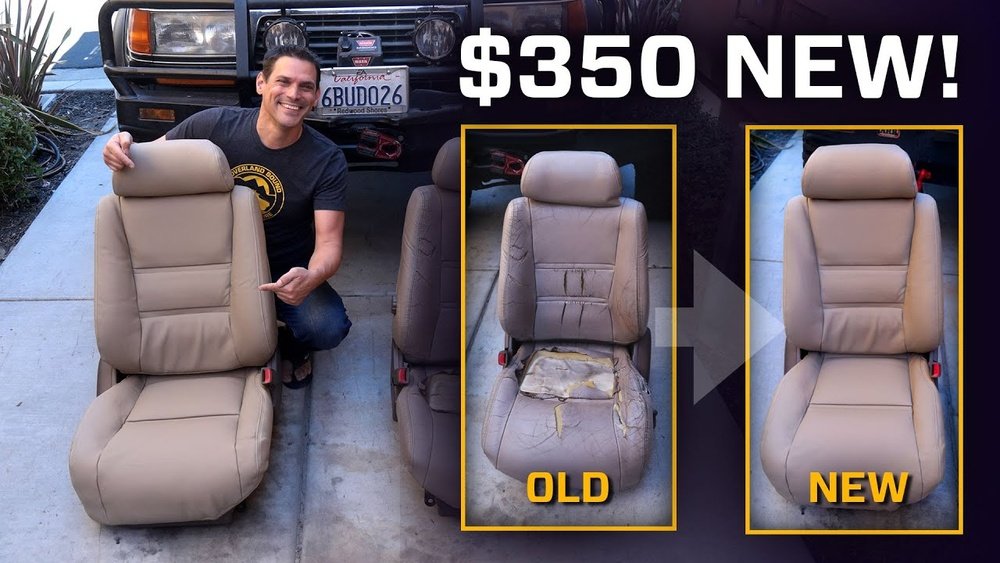
Are your car seats looking worn out, stained, or just plain old? You don’t have to settle for a tired interior or spend a fortune on replacements.
Imagine stepping into your car and feeling like you’re in a brand-new ride. Recovering your car seats can do just that – and it’s easier than you think. In this guide, you’ll discover simple, practical steps to bring your seats back to life.
Ready to transform your car’s look and comfort? Keep reading, because your perfect car seat makeover starts here.

Credit: vixencomposites.com
Assessing Seat Damage
Assessing seat damage is the first step in restoring car seats. It helps decide the best way to fix or replace the seat. Careful examination reveals the type and extent of damage. This guides you in choosing the right repair method.
Identifying Common Issues
Look for tears, holes, and worn-out fabric. Check for stains that do not come out easily. Feel for foam that has lost its shape or firmness. Listen for broken springs or squeaky sounds. Notice any fading or discoloration on the seat cover. These are usual problems that affect car seats.
Determining Repair Vs Replacement
Small tears and stains often need simple repairs. Foam and padding problems may need partial replacement. Large rips, deep holes, or broken frames require full seat replacement. Consider the cost of repair against buying a new seat. Sometimes replacement saves time and money in the long run. Choose the option that fits your budget and seat condition.
Gathering Essential Tools
Gathering the right tools is the first step to recover car seats successfully. Proper tools make the process easier and ensure better results. Prepare everything before starting to avoid interruptions. Focus on three main categories: cleaning supplies, repair kits, and protective gear.
Cleaning Supplies
Clean seats are the foundation of good recovery. Use a vacuum cleaner to remove dust and crumbs. Soft brushes help lift dirt from fabric and seams. Choose mild soap or upholstery cleaner for stains. Avoid harsh chemicals that can damage the material. Microfiber cloths work well to wipe and dry surfaces gently.
Repair Kits
Repair kits fix tears, holes, and worn areas on seats. Look for kits with patch materials matching your seat fabric. Include strong adhesives or glue for secure bonding. Needles and thread can help stitch small rips. Some kits have foam fillers to restore cushion shape. Follow kit instructions carefully for best results.
Protective Gear
Protect yourself during the recovery process. Wear gloves to keep hands clean and safe from chemicals. Use a mask if working with strong adhesives or sprays. Old clothes or a work apron protect your garments from stains. Safety glasses shield your eyes when cutting or sanding materials. Stay safe and comfortable to work better.
Cleaning And Preparing Seats
Cleaning and preparing car seats is the first step to a successful recovery. It removes dirt and grime that can damage the new material. Proper cleaning helps the new fabric or leather stick better. It also makes the seats look fresh and new.
Vacuuming And Dust Removal
Start by vacuuming the seats to remove loose dirt and dust. Use a brush attachment to reach tight corners and seams. This step prevents dirt from getting trapped under the new cover. Vacuuming also helps spot stains and damage that need extra care.
Stain Treatment Techniques
Treat stains before any other cleaning. Use a mild cleaner safe for your seat material. Dab stains gently with a clean cloth. Avoid rubbing hard to stop spreading the stain. For tough stains, repeat the process until clean.
Leather And Fabric Preparation
Leather seats need special care before recovering. Clean leather with a soft cloth and leather cleaner. Let it dry completely before proceeding. Fabric seats require a fabric-safe cleaner. Avoid soaking the seat to prevent damage. Dry the seats well to prepare for the new cover.

Credit: www.youtube.com
Repairing Tears And Holes
Repairing tears and holes in car seats can bring back their look and comfort. Small damages often get worse if not fixed soon. Repairing these issues saves money and keeps your car interior neat. Simple tools and materials can help you fix most problems at home.
Using Fabric Patches
Fabric patches work well for cloth car seats. Choose a patch that matches your seat color and texture. Cut the patch slightly larger than the tear. Place it under the tear and use fabric glue or iron-on adhesive. Press firmly and let it dry completely. This method hides holes and stops them from growing.
Leather Repair Methods
Leather seats need special care for tears. Clean the damaged area with mild soap and water. Use a leather repair kit with filler and color compounds. Apply filler in thin layers to fill the hole. Let each layer dry before adding the next. Finish with color matching paint to blend the patch with the seat.
Sewing And Gluing Tips
Sewing works best for clean tears with straight edges. Use a strong needle and heavy thread that matches the seat color. Sew carefully to avoid new holes. For irregular tears, use strong fabric glue. Apply glue under the torn edges and press firmly. Let it cure without stress on the seat. Sewing and gluing both strengthen the repair and improve appearance.
Restoring Seat Foam
Restoring seat foam is a key step in recovering car seats. Foam affects comfort and support. Old foam can be flat, torn, or crumbly. Fixing or replacing it brings life back to your seats. It makes driving more pleasant and extends seat life.
Assessing Foam Damage
Check foam for cracks, holes, or flat spots. Press on different areas to feel firmness. Soft, spongy parts show wear. Broken foam pieces inside the seat need removal. A clear idea of damage helps choose the right fix. Some foam can be fixed, others need full replacement.
Foam Replacement Options
Buy foam sheets or pre-cut seat foam kits. Foam types vary by density and thickness. High-density foam offers better support and lasts longer. Low-density foam is softer but wears out fast. Choose foam that matches your seat shape. Select materials that resist moisture and heat for durability.
Shaping And Securing Foam
Cut foam to fit seat contours accurately. Use a sharp knife or electric cutter. Smooth edges with sandpaper for comfort. Attach foam with spray adhesive or upholstery glue. Make sure foam sits flat and stable. Cover foam with fabric or batting before reupholstering for extra comfort.
Reupholstering Basics
Reupholstering car seats gives old interiors a fresh, clean look. It saves money and lets you pick your style. The process involves removing old fabric and attaching new covers. Knowing the basics helps you avoid mistakes and get good results.
Choosing Materials
Pick a material that fits your car and budget. Fabric, leather, and vinyl are common choices. Fabric feels soft and is easy to clean. Leather looks classy but costs more. Vinyl is durable and water-resistant. Think about color, texture, and comfort too.
Removing Old Upholstery
Start by taking off the car seats or folding them forward. Use tools like screwdrivers and pliers. Carefully remove staples, clips, or screws holding the fabric. Pull the old material gently to avoid damage. Keep the old fabric as a pattern for cutting new covers.
Attaching New Covers
Cut the new fabric using the old pattern as a guide. Stretch the fabric tight over the seat foam. Use a staple gun or clips to secure the material underneath. Check for wrinkles and smooth them out. Reinstall the seats and enjoy the fresh look.
Maintaining Restored Seats
Restoring car seats brings new life to your vehicle’s interior. Maintaining those restored seats keeps them looking fresh and protects your investment. Regular care helps avoid damage and extends the seats’ lifespan.
Regular Cleaning Routines
Clean your seats often to remove dirt and dust. Use a soft brush or vacuum to clear crumbs and debris. Wipe the surface with a damp cloth and mild soap. Avoid harsh chemicals that can harm the fabric or leather. Dry seats quickly to prevent mold and stains.
Protective Treatments
Apply protectants designed for your seat material. Leather conditioners keep the leather soft and prevent cracks. Fabric protectors create a barrier against spills and stains. Use these treatments every few months for best results. Follow product instructions carefully for safe use.
Preventing Future Damage
Avoid eating or drinking inside the car to reduce spills. Use seat covers if you carry pets or heavy items. Park in shaded areas to protect seats from sun damage. Fix small tears or cracks early to stop bigger problems. Simple habits make a big difference in seat care.
Credit: moizhussain.com
Frequently Asked Questions
How Do I Recover Car Seats At Home?
To recover car seats at home, remove the old upholstery carefully. Measure and cut new fabric precisely. Use strong adhesive or staples to secure the fabric. Take time to smooth wrinkles for a neat finish. Patience and the right tools ensure success.
What Materials Are Best For Car Seat Recovery?
Choose durable fabrics like leather, vinyl, or high-quality cloth for car seat recovery. These materials resist wear and tear and are easy to clean. Leather offers a premium look, while cloth provides comfort. Select based on your car’s style and your budget.
How Much Does Car Seat Recovery Cost?
Car seat recovery cost varies by material and labor. DIY projects cost mainly for materials, around $50-$150. Professional services range from $200 to $750 depending on fabric and complexity. Price depends on your car model, seat condition, and fabric choice.
Can I Recover Car Seats Without Professional Help?
Yes, you can recover car seats without professional help. With basic tools and instructions, DIY recovery is doable. It saves money and allows customization. However, complex seats or premium fabrics might need expert skills for best results.
Conclusion
Recovering car seats can save money and improve your car’s look. Start with cleaning and removing old fabric carefully. Choose the right materials to match your style and needs. Take your time to fix seams and cushions well. Small repairs can make a big difference in comfort and appearance.
With patience, your seats will look fresh and last longer. Enjoy the feeling of a cleaner, nicer car interior every day. Try these steps and see the change for yourself.
