
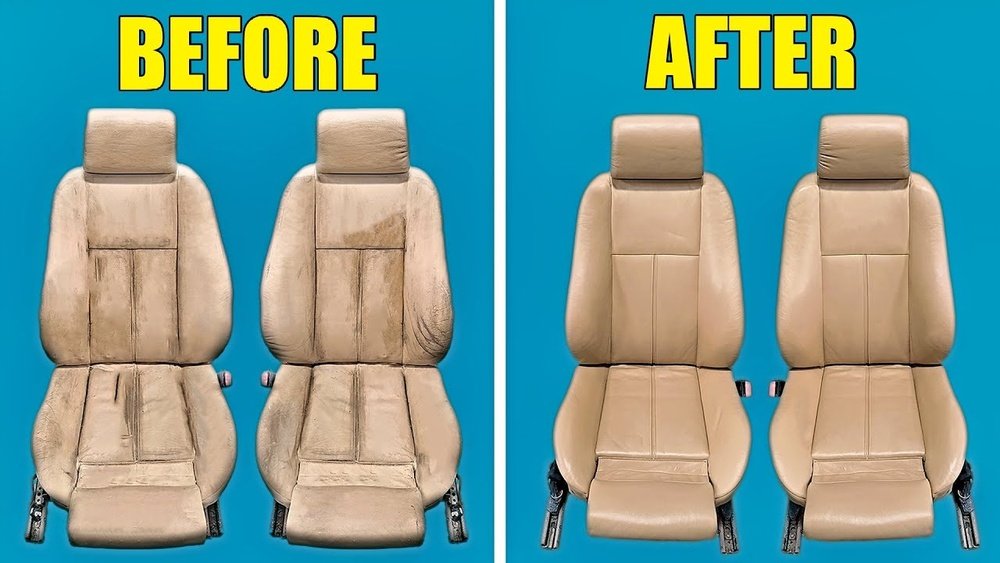
Are your leather car seats looking worn, cracked, or faded? You don’t have to live with that tired, old look.
Imagine sliding into your car and feeling the smooth, soft leather beneath you—just like the day you bought it. Rejuvenating your leather seats is easier than you think, and it can make your whole car feel brand new again. You’ll discover simple, effective steps to restore your leather seats’ shine and comfort.
Keep reading to bring back that fresh, luxurious feel to your car’s interior.
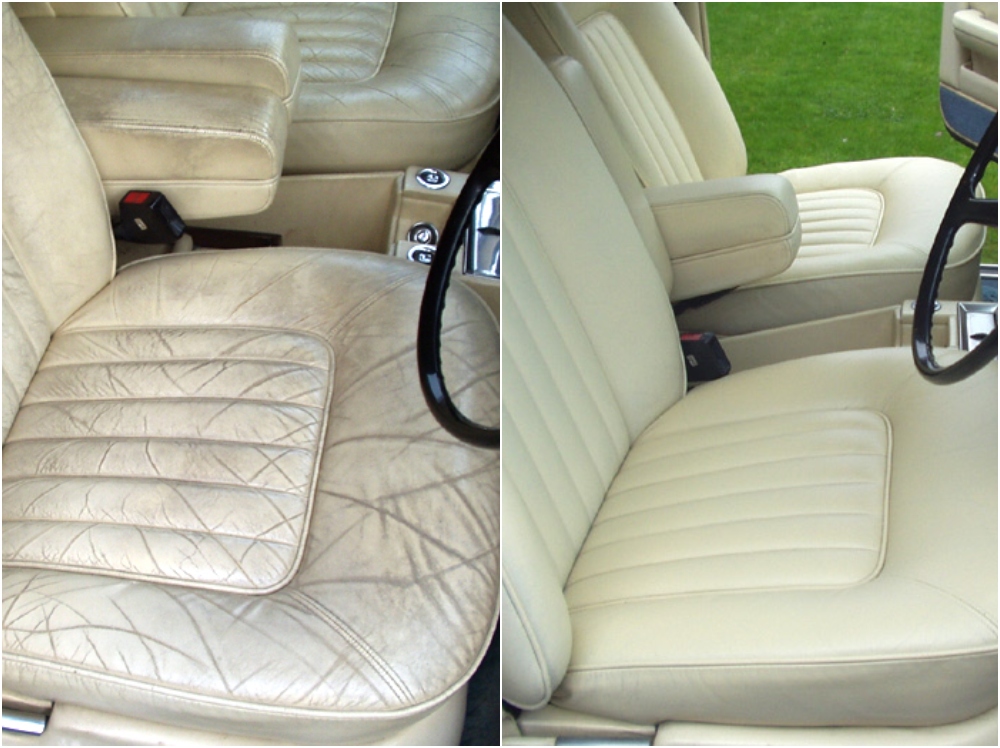
Credit: www.furnitureclinic.ae
Leather Seat Wear And Tear
Leather car seats add style and comfort to any vehicle. Over time, these seats face wear and tear. This damage can make them look old and tired. Understanding how leather wears out helps you keep your car interior fresh. Acting early can save you money on repairs.
Leather seat wear and tear happens naturally. Use and exposure cause changes in the leather. Heat, dirt, and friction all take a toll. Knowing the causes and signs is key to proper care.
Common Causes Of Damage
Leather seats suffer from many common problems. Sunlight causes fading and drying. Heat makes the leather crack and hard. Dirt and dust act like sandpaper on the surface. Friction from getting in and out wears down the leather. Sharp objects can scratch or tear the material. Spills and stains may leave marks if not cleaned fast.
Signs Your Seats Need Restoration
Look for cracks or splits in the leather. Fading or discoloration shows damage from sun and heat. Rough or dry patches mean the leather lacks moisture. Loose leather or peeling areas reveal deep wear. Stains that won’t come off suggest long-term neglect. If your seats feel uncomfortable or stiff, restoration can help. These signs mean it is time to restore your leather seats.
Essential Tools And Materials
Rejuvenating leather car seats requires the right tools and materials. Using proper items makes cleaning and repair easier. It helps keep the leather soft and strong. Choose products made for leather care. Avoid harsh chemicals that can damage the seats. Below are the essential tools to gather before starting.
Cleaning Supplies
Start with gentle cleaners made for leather. Use a soft cloth or sponge to apply the cleaner. Avoid rough brushes that can scratch the surface. A vacuum with a soft brush tool helps remove dust and dirt. Have clean water and microfiber towels ready for rinsing and drying. Proper cleaning clears away grime and prepares the leather for repair.
Repair Kits
Repair kits fix cracks, tears, and scratches on leather seats. They include fillers, adhesives, and color compounds. Choose a kit that matches your seat’s color. Follow the instructions carefully for the best results. Using repair kits restores the leather’s smooth look. It also prevents small damages from getting worse.
Conditioners And Protectants
Leather conditioners restore moisture and softness to dry seats. Apply them evenly with a soft cloth. Protectants create a barrier against stains and UV damage. Regular use keeps leather supple and extends its life. Select products that absorb well and do not leave sticky residue.
Cleaning Leather Seats
Cleaning leather seats is the first step to make them look fresh and new. Dirt and dust can cause the leather to crack and fade. Regular cleaning helps keep the leather soft and shiny. It also removes oils and stains that build up over time.
Cleaning leather is different from cleaning fabric. Leather needs gentle care to stay in good condition. Using the right products and methods protects the leather’s surface. This section covers how to clean leather seats properly.
Removing Dirt And Debris
Start by removing loose dirt and dust. Use a soft brush or vacuum with a brush attachment. Gently clean the seat surface and seams. Avoid pressing hard to stop scratches. This step clears away particles that can damage leather during cleaning.
Choosing The Right Cleaner
Select a cleaner made for leather seats only. Avoid harsh chemicals or strong detergents. These can dry out or discolor the leather. Look for pH-balanced or natural leather cleaners. Test the cleaner on a small hidden spot first. This check avoids unexpected damage or color change.
Step-by-step Cleaning Process
Dampen a soft cloth with the leather cleaner. Wipe the seat in small, circular motions. Focus on dirty areas but clean the whole seat. Use a second dry cloth to remove excess cleaner. Let the leather air dry naturally, away from sunlight. Repeat cleaning if needed, but do not soak the leather.

Credit: www.youtube.com
Repairing Cracks And Tears
Repairing cracks and tears in leather car seats helps restore their look and feel. Small damages can get worse if not fixed early. Fixing these issues keeps your car interior neat and comfortable. The process requires care and the right materials. Follow clear steps to repair leather effectively.
Assessing Damage Severity
Start by checking how deep and wide the cracks or tears are. Shallow cracks may only need surface treatment. Bigger tears require filling and extra support. Look for loose leather edges or missing pieces. This helps decide what repair method suits best.
Using Leather Fillers
Leather fillers fill gaps and smooth out cracks. Choose a filler that matches your seat’s leather type. Apply the filler in thin layers for better results. Let each layer dry before adding the next. This builds a strong, even surface over the damaged area.
Smoothing And Blending Techniques
After filling, gently sand the area to smooth it. Use fine sandpaper to avoid new damage. Blend the repaired spot with matching color dye or paint. This hides repairs and makes the seat look natural. Finish with a leather conditioner to soften and protect.
Restoring Color And Finish
Restoring the color and finish of leather car seats brings life back to your vehicle’s interior. Over time, leather fades, cracks, or loses its shine. Using the right products and techniques can make seats look fresh again. This process requires care and patience but is worth the effort.
Selecting Leather Dyes
Choose a leather dye that matches your seat color closely. Test the dye on a small hidden spot first. This step ensures the dye does not damage or discolor the leather. Use water-based dyes for easy application and better control. Avoid harsh chemicals that can dry out leather.
Applying Color Evenly
Clean the seats thoroughly before applying dye. Use a soft cloth or sponge to spread the dye. Apply thin layers to avoid streaks or patches. Let each layer dry completely before adding the next. Move in circular motions for a smooth, even finish.
Sealing The Dye For Longevity
After dyeing, seal the color with a leather finisher. The sealer protects the dye from rubbing off and fading. Apply the sealer evenly using a clean cloth. Allow it to dry fully before using the car. Regular sealing keeps the color vibrant for longer.
Conditioning And Protecting
Conditioning and protecting leather car seats keeps them soft and strong. It stops cracks and dry spots. Well-maintained leather lasts longer and looks newer. Regular care brings out the best in your seats.
Choosing The Best Conditioner
Select a conditioner made for leather car seats. Avoid products with harsh chemicals. Look for natural oils like mink oil or lanolin. Test the conditioner on a small hidden spot first. This prevents color change or damage.
Proper Application Methods
Clean the seats before applying conditioner. Use a soft cloth to apply a small amount. Rub it gently in a circular motion. Let the conditioner soak in for 10-15 minutes. Wipe off any extra with a dry cloth. Avoid soaking the leather to keep it healthy.
Preventing Future Damage
Keep your car out of direct sunlight often. Use sunshades to protect the seats from UV rays. Clean spills immediately to stop stains. Avoid sharp objects that can scratch the leather. Regularly condition the seats every three months. This keeps leather soft and protected over time.
Maintenance Tips For Longevity
Leather car seats need care to stay soft and look new. Proper maintenance keeps them strong and prevents cracks. Small, regular efforts help your seats last longer and stay comfy. Follow these simple tips to protect your leather and keep it fresh.
Regular Cleaning Schedule
Clean your leather seats every two weeks. Use a soft cloth and a gentle cleaner made for leather. Avoid harsh chemicals that dry out the leather. Wipe dirt and dust away before it sets in. Dry the seats with a soft towel after cleaning.
Avoiding Common Mistakes
Never use household cleaners or bleach on leather. Avoid soaking the seats with too much water. Don’t leave the car windows open during rain. Avoid sharp objects that can scratch or tear the leather. Do not sit with wet clothes or heavy items on the seats.
Seasonal Care Advice
In summer, park in the shade or use sunshades. Heat can dry and fade leather quickly. In winter, clean off salt and dirt fast to stop damage. Use a good leather conditioner every three months. It keeps the leather soft and stops cracking.

Credit: www.leathercare.com
Frequently Asked Questions
How Often Should I Clean Leather Car Seats?
Clean leather car seats every 1-3 months to maintain their look. Frequent cleaning prevents dirt buildup and keeps leather supple.
What Products Are Best For Leather Seat Rejuvenation?
Use pH-balanced leather cleaners and conditioners. Avoid harsh chemicals that dry or damage leather surfaces.
Can Homemade Remedies Restore Leather Car Seats?
Mild soap with water can clean leather gently. For conditioning, use natural oils sparingly, but commercial products work best.
How Do I Prevent Leather Seats From Cracking?
Keep seats clean and conditioned regularly. Avoid direct sunlight and extreme temperatures which cause leather to dry out.
Conclusion
Rejuvenating leather car seats keeps your car fresh and comfortable. Clean and condition the leather regularly to prevent cracks. Use gentle products made for leather care. Treat small stains quickly before they set in. Protect seats from harsh sunlight to avoid fading.
Simple care steps make your seats last longer. Enjoy a smooth, soft feel every time you drive. Your car’s interior will look neat and well-kept. A little effort goes a long way in leather care. Keep your seats looking great with regular attention.
