
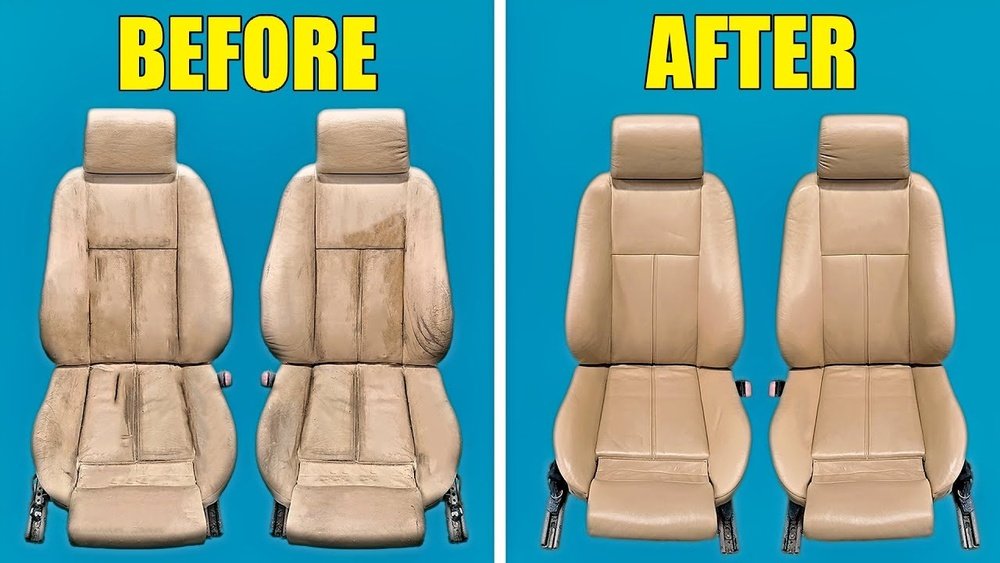
Are your leather car seats looking worn, cracked, or faded? You don’t have to replace them or spend a fortune to bring back that rich, smooth feel.
Renewing your leather seats can make your car look fresh and feel comfortable again. You’ll discover simple, effective steps to restore your leather seats at home. Keep reading to learn how to protect your investment and enjoy a cleaner, more stylish ride every time you get behind the wheel.

Credit: www.youtube.com
Preparing Your Leather Seats
Preparing your leather seats is the first step to renew them effectively. This stage makes sure the leather is clean, smooth, and ready for treatment. Proper preparation helps the leather absorb conditioners and dyes better.
Start by gathering all necessary tools and materials. Next, clean the leather surface carefully. Lastly, check the seats for any damage or wear. These steps protect your car seats and improve the final look.
Gathering Necessary Materials
Collect all items before starting to avoid interruptions. You will need a leather cleaner, soft cloths, a brush with soft bristles, and leather conditioner. If you plan to dye the seats, include leather dye and applicator pads. Also, have a vacuum cleaner ready to remove dust.
Cleaning The Leather Surface
Remove loose dirt and dust with a vacuum cleaner. Use a soft brush for hard-to-reach areas. Apply leather cleaner to a cloth, not directly on the seat. Gently wipe the leather in small sections. Avoid soaking the leather to prevent damage. Let the surface dry completely before moving on.
Inspecting For Damage
Look closely at the leather for cracks, tears, or fading. Small cracks can be fixed with leather filler. Tears may need professional repair. Check seams for loose stitches or weak spots. Addressing damage early helps improve the seat’s lifespan and appearance.
Repairing Scratches And Cracks
Scratches and cracks can make leather car seats look old and worn out. Fixing these issues helps keep your seats looking fresh and smooth. Repairing small damages early stops them from getting worse. This section shows simple steps to fix scratches and cracks on leather seats.
Choosing The Right Leather Filler
Pick a leather filler that matches your seat’s color. Look for flexible fillers that move with the leather. Avoid hard fillers that can crack again. Test the filler on a hidden spot first. Make sure it sticks well and dries fast. Good fillers fill cracks without changing the seat’s feel.
Applying The Filler Correctly
Clean the seat area before applying filler. Use a soft cloth and mild soap. Let the leather dry fully. Apply the filler in thin layers. Press it gently into scratches and cracks. Avoid adding too much at once. Let each layer dry before adding more. This builds a smooth, even surface.
Sanding And Smoothing The Surface
After the filler dries, sand the area lightly. Use fine-grit sandpaper for best results. Sand until the surface feels smooth and even. Wipe away dust with a clean cloth. Avoid sanding too hard to prevent damage. Smooth surfaces help the leather look new again.
Conditioning The Leather
Conditioning the leather is a key step to keep car seats soft and strong. It stops the leather from drying out and cracking. Proper conditioning also helps keep the color fresh and the surface smooth. This care step adds years to your leather seats.
Selecting A Quality Leather Conditioner
Choose a conditioner made for car leather, not furniture or clothing. Look for products with natural oils and no harsh chemicals. A good conditioner will nourish leather deeply and not leave sticky residue. Always check product reviews and labels to find safe options.
Proper Application Techniques
Clean the seats first to remove dust and dirt. Use a soft cloth or sponge to apply conditioner in small amounts. Rub it gently in circular motions across the leather surface. Avoid soaking the leather. Work on one section at a time for even coverage.
Allowing The Leather To Absorb
Let the conditioner sit and soak into the leather for at least 20 minutes. This time lets oils penetrate and restore moisture. After absorption, wipe off any extra with a clean cloth. Repeat conditioning every few months to maintain softness and strength.
Dyeing And Restoring Color
Dyeing and restoring color bring life back to old leather car seats. Over time, leather fades and loses its shine. Using the right dye can make seats look new again. This process requires care and attention. Proper dyeing protects leather and keeps it soft.
Matching The Leather Dye
Choose a dye color that matches your seat closely. Test a small hidden spot first. Leather color can change under light or wear. Use a dye designed for automotive leather. Matching the color ensures a natural, uniform look.
Applying Dye Evenly
Clean the leather thoroughly before dyeing. Use a sponge or brush to apply dye. Apply thin layers to avoid streaks. Let each layer dry before the next. Even application prevents blotches and patches. Work in small sections for best results.
Sealing The Color
After dyeing, protect the color with a leather sealant. Sealants prevent fading and cracking. Apply a thin, even coat of sealant. Allow it to dry fully before using the car. Sealing keeps the color fresh longer and protects leather from damage.
Maintaining Renewed Leather
Maintaining renewed leather car seats keeps them looking fresh and new for longer. Proper care prevents cracks, fading, and wear. Simple steps help you protect your investment and enjoy a clean, soft interior. Consistent attention is key to lasting beauty and comfort.
Regular Cleaning Tips
Clean your leather seats regularly to remove dirt and oils. Use a soft cloth or vacuum with a brush attachment. Choose a cleaner made for leather, avoiding harsh chemicals. Gently wipe the surface in small sections. Let the leather dry naturally after cleaning.
Protecting Against Future Damage
Apply a leather conditioner to keep seats soft and flexible. Condition every few months or as needed. Use sunshades to block UV rays that cause fading. Avoid sharp objects that can scratch or tear the leather. Keep pets and heavy items off the seats when possible.
When To Seek Professional Help
Look for cracks, deep stains, or discoloration beyond cleaning. Professionals can repair damaged leather and restore its color. Choose experts who specialize in leather car seats. Regular check-ups can extend your seats’ life. Don’t wait for small issues to become bigger problems.
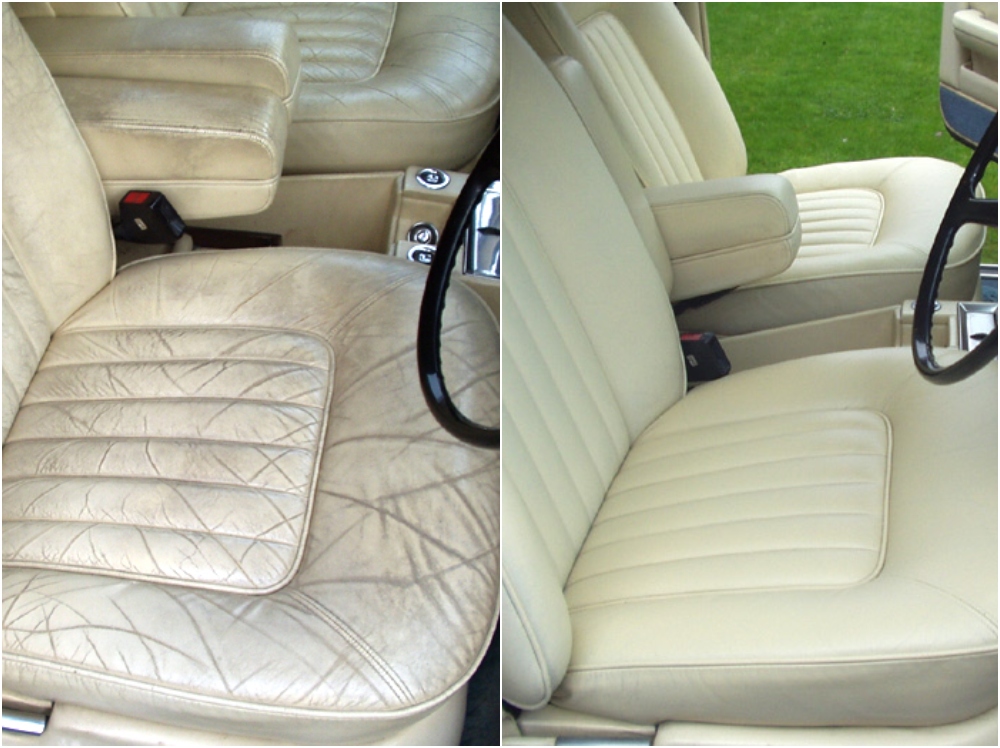
Credit: www.furnitureclinic.ae

Credit: www.leathercare.com
Frequently Asked Questions
How Often Should I Renew Leather Car Seats?
Leather car seats should be renewed every 1 to 2 years. Regular maintenance protects the leather from cracks and fading. Frequent conditioning keeps the seats soft and extends their lifespan. Renewing also maintains your car’s interior value and appearance.
What Products Are Best For Renewing Leather Car Seats?
Use leather cleaners and conditioners specifically designed for automotive leather. Avoid harsh chemicals or household cleaners. Products with natural oils and UV protection work best. Always test on a small area first to prevent damage. Quality products ensure effective cleaning and moisturizing.
Can I Renew Leather Car Seats Myself?
Yes, renewing leather car seats is a DIY-friendly task. Clean the seats with a leather cleaner, then apply conditioner evenly. Use soft cloths and avoid excess water. Follow product instructions carefully for best results. DIY renewal saves money and keeps seats looking fresh.
How Do I Remove Stains Before Renewing Leather Seats?
Use a gentle leather cleaner or a mixture of mild soap and water. Apply with a soft cloth and gently rub the stain. Avoid soaking the leather or using abrasive tools. After cleaning, let the seats dry before conditioning. Proper stain removal improves renewal results.
Conclusion
Renewing leather car seats keeps your car looking fresh and clean. Regular care stops cracks and fading. Use gentle cleaners and conditioners to protect the leather. Small repairs can prevent bigger damage later. Taking time to clean and treat seats saves money.
Enjoy the comfort and style of smooth, soft leather. Your car feels newer and more inviting. Simple steps make a big difference in leather care. Keep your seats healthy with easy, regular maintenance.
