
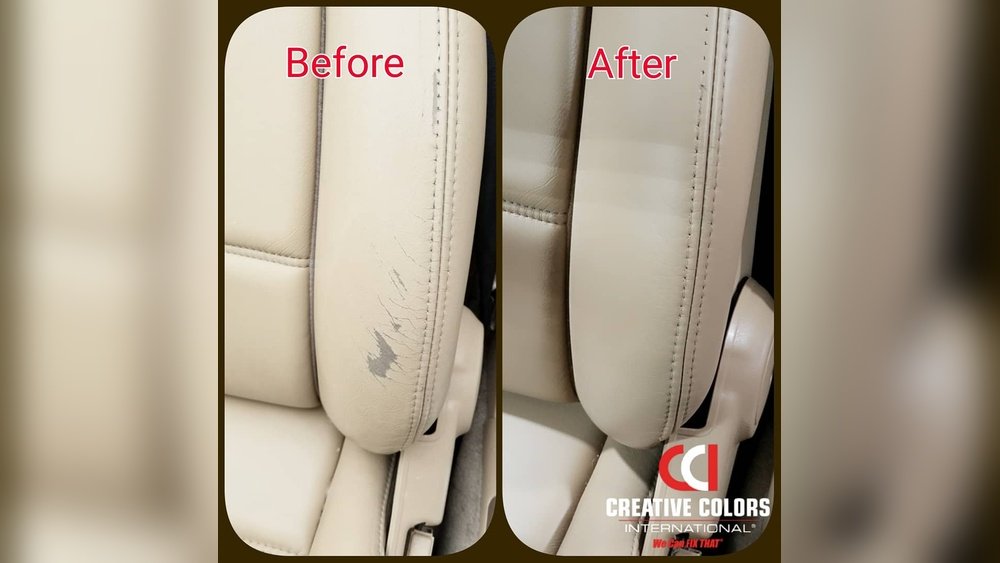
A small tear in your leather car seat can be frustrating to see every time you get in your car. It might seem like a big problem, but fixing it yourself is easier than you think.
Imagine saving money and making your seat look almost brand new again without calling a professional. In this guide, you’ll discover simple steps to repair that tear quickly and effectively. Keep reading, and you’ll learn how to protect your car’s interior and boost its value with just a few tools and some easy techniques.
Credit: www.reddit.com
Tools And Materials Needed
Repairing a small tear in a leather car seat needs the right tools and materials. Having these ready helps the repair go smoothly and look good. It saves time and avoids mistakes.
Gather everything before starting. This way, you won’t stop in the middle to find a missing item. Below are the main tools and supplies you need.
Essential Repair Kits
Leather repair kits are the core of the job. They usually include patches, adhesives, and color compounds. These kits match the leather color and texture.
Choose a kit with clear instructions and good reviews. It should have a flexible glue to hold the tear firmly. Color compounds help blend the repair with the seat.
Additional Supplies
Besides the kit, some extra items help the repair. Fine sandpaper smooths the area around the tear. A clean cloth removes dust and dirt.
Small scissors trim loose threads or edges. A spatula or plastic card spreads glue evenly. A hairdryer speeds up drying time.

Credit: community.cartalk.com
Preparing The Leather Surface
Preparing the leather surface is an essential step before fixing a small tear in your car seat. Proper preparation helps the repair materials stick better and last longer. It also makes the repaired area look smoother and less noticeable.
Start by making sure the leather around the tear is clean and dry. Any dirt or oils can stop the glue or filler from bonding well. Then, check the tear for loose threads or edges that might catch on the repair materials. Removing these helps create a neat and even surface for repair.
Cleaning The Tear Area
Use a soft cloth and mild soap mixed with water to clean the area around the tear. Gently wipe the leather to remove dirt, grease, and dust. Avoid soaking the leather to prevent damage. Let the surface dry completely before moving on to the next step.
Trimming Loose Threads
Check the edges of the tear for any loose threads or rough bits. Use small scissors or tweezers to carefully trim these away. Removing loose threads helps the repair material stick better and prevents further tearing. Keep the edges smooth for a cleaner finish.
Choosing The Right Repair Method
Choosing the right repair method for a small tear in your leather car seat is important. The right choice helps the repair last longer and look better. Different methods suit different tear sizes and leather types. Some fixes are easy and fast. Others need more care and skill.
Using Leather Glue
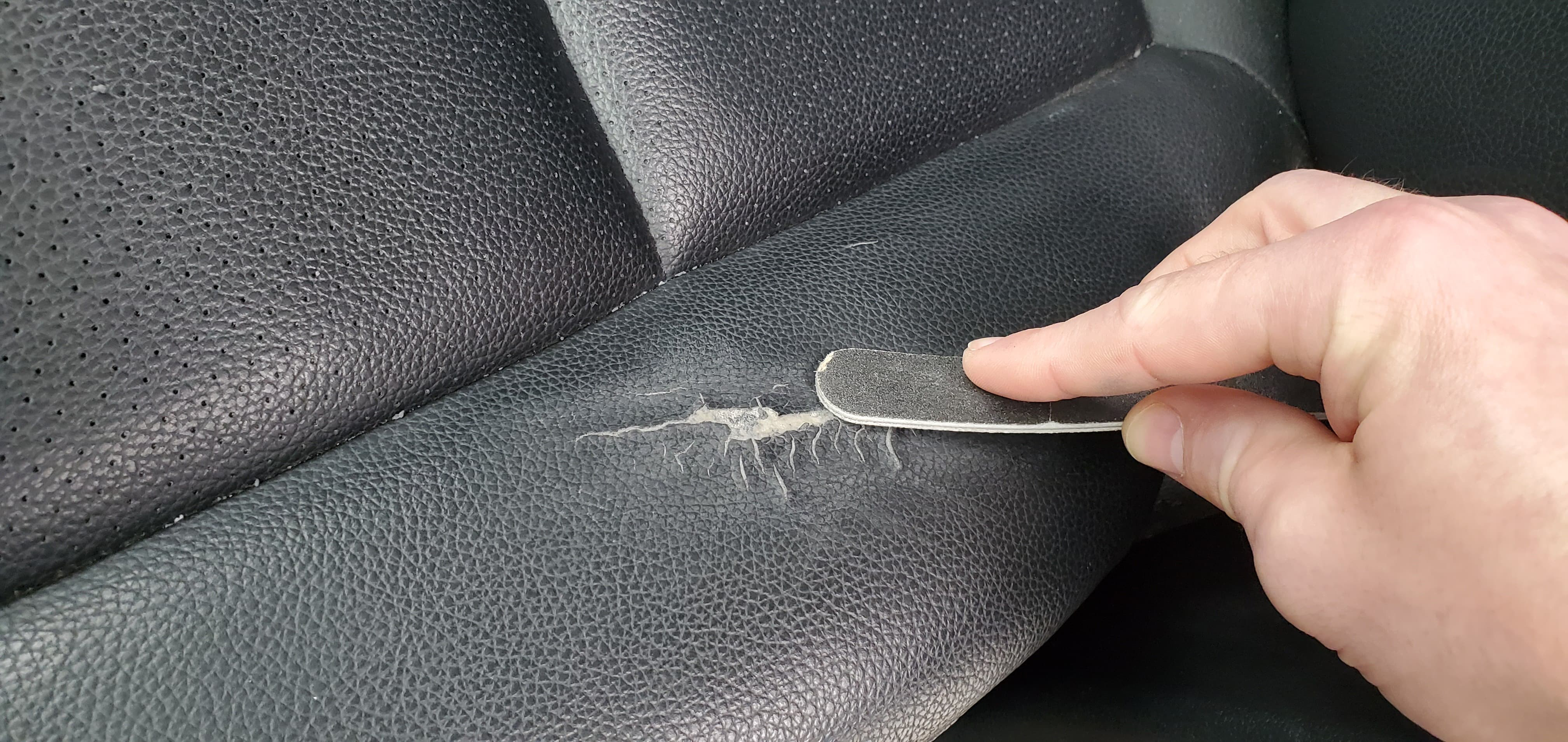
Leather glue works well for small, clean tears. It bonds the torn edges together quickly. Clean the area before applying glue. Press the edges gently and hold until dry. This method keeps the tear from growing. It is simple and low cost.
Applying A Patch
A patch covers the tear from underneath or on top. Use a patch made from similar leather or fabric. Cut the patch slightly bigger than the tear. Glue or sew the patch carefully in place. Patches hide the damage and add strength. Good for larger tears or holes.
Heat Repair Kits
Heat repair kits melt leather fibers to seal the tear. These kits include a filler and a heat tool. Apply filler into the tear and smooth it out. Use the heat tool to bond the filler to the leather. This method works well on small to medium tears. It gives a clean, smooth finish.
Credit: www.tearmender.com
Step-by-step Repair Guide
Repairing a small tear in your leather car seat can save you money and keep your car looking neat. This step-by-step guide helps you fix the tear easily. Follow each step carefully for the best result.
Applying Adhesive Or Patch
Start by cleaning the torn area with a soft cloth. Remove any dirt or dust. Choose a leather adhesive or patch that matches your seat. Apply the adhesive inside the tear. Press the edges together gently. If using a patch, place it under the tear first. Then press down firmly. This will hold the leather in place.
Blending And Coloring
Use a leather repair kit with color compounds. Match the color to your car seat. Apply the color over the repaired area. Use a small brush or sponge for smooth coverage. Blend the edges well to hide the repair. Let the color dry before touching it.
Drying And Setting Time
Allow the adhesive and color to dry fully. This may take a few hours. Avoid sitting on the seat during this time. The repair will set stronger with proper drying. Check the area after drying to ensure it is firm and smooth.
Tips To Prevent Future Tears
Preventing future tears in your leather car seat keeps it looking new longer. Small tears can grow if you do not take care. Simple habits protect your leather and save money on repairs. Follow these easy tips to keep your seats strong and smooth.
Regular Cleaning And Conditioning
Clean your leather seats often. Dirt and dust can wear the leather. Use a soft cloth and mild cleaner made for leather. Avoid harsh soaps or chemicals that dry the leather.
Condition the leather after cleaning. It keeps the leather soft and flexible. Dry leather cracks and tears easily. Use a good leather conditioner every few months. This adds moisture and protects the surface from damage.
Avoiding Sharp Objects
Sharp objects cause tears fast. Keep keys, tools, and pens away from the seats. Check pockets before sitting down. Remove anything that can poke or scratch the leather.
Be careful with pets. Their claws can scratch and tear leather. Use a seat cover if pets ride often. This adds a layer of protection against sharp claws and dirt.
When To Seek Professional Help
Small tears in leather car seats can sometimes be fixed at home. Yet, not all tears are simple. Knowing when to seek professional help saves time and money. It also keeps your car seat looking good and lasting longer.
Some tears need special tools and skills. Professionals have the right materials to make repairs that blend well with your seat. They also prevent damage from getting worse. Recognize signs that show a repair needs expert care.
Extensive Damage Beyond Small Tears
Tears that are large or deep require expert attention. Big rips can weaken the leather structure. Trying to fix these alone may cause more harm. Professionals can restore the seat properly and safely.
Damage Near Seams Or Stitching
Tears close to seams or stitching are tricky to repair. These areas hold the leather together. Incorrect repair might make the tear grow. Experts know how to handle seams without causing more damage.
Leather With Fading Or Cracks
If the leather is faded or cracked around the tear, a simple patch won’t work. This damage shows aging or wear. Professionals can treat the leather to match color and texture. This keeps the seat looking uniform.
Poor Results From Previous Diy Repairs
Failed past repairs need professional fixing. Bad patches or glue marks reduce seat appearance. Experts can remove old fixes and repair the tear cleanly. This restores the seat’s look and strength.
Need For Long-lasting And Clean Finish
Professional repair ensures the tear won’t reopen soon. They use quality leather glue and fillers. The repair blends smoothly with the seat. This gives a neat look that lasts longer than home fixes.
Frequently Asked Questions
How Do I Fix A Small Tear In My Leather Car Seat?
To fix a small tear, clean the area first. Use a leather repair kit with adhesive and filler. Apply the filler smoothly. Let it dry, then gently sand and color match for a seamless finish. This restores both appearance and durability.
What Materials Are Needed For Leather Seat Tear Repair?
You need leather cleaner, adhesive, filler compound, sandpaper, and color dye. A repair kit often includes these. Also, use a soft cloth and spatula for smooth application. Having all materials ready ensures an efficient and effective repair process.
Can I Repair Leather Seats Without Professional Help?
Yes, small tears can be repaired at home. Use a quality leather repair kit and follow instructions carefully. DIY repair saves time and money while restoring your seat’s look. For large damages, professional help is recommended for best results.
How Long Does A Leather Car Seat Repair Take?
A small tear repair usually takes about 30 to 60 minutes. Drying time for adhesive and filler might add extra hours. Overall, it’s a quick process that can be done in one session at home.
Conclusion
Repairing a small tear in your leather car seat is easier than it seems. With simple tools and steps, you can fix it yourself. This saves money and keeps your car looking nice. Take your time and follow the instructions carefully.
A neat repair can last a long time. Keep your leather clean and cared for to avoid new tears. Small fixes help maintain your car’s value. Try this repair to enjoy a fresh, smooth seat again.
