
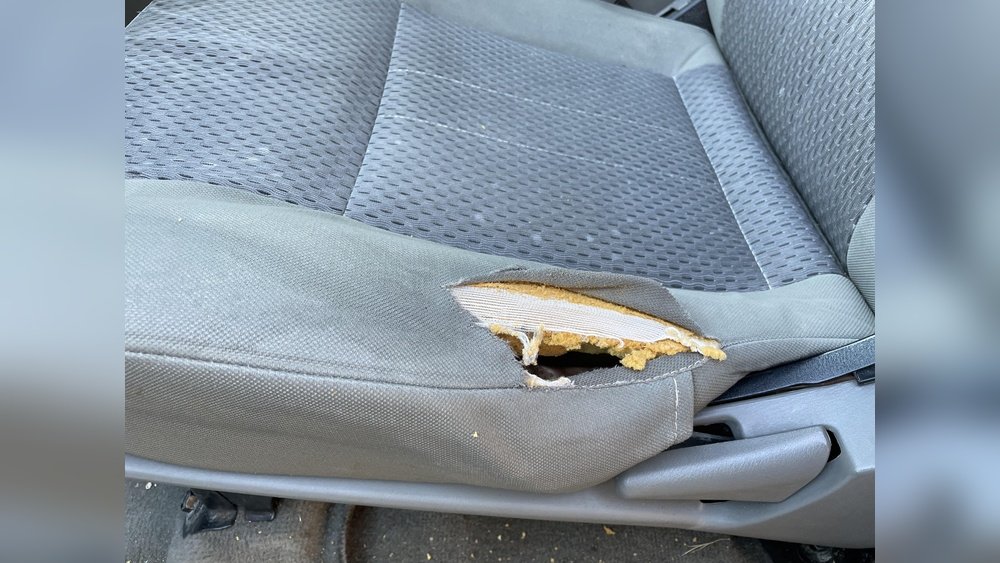
Your car seat is ripped, and it’s driving you crazy every time you get in. You might think fixing it means expensive repairs or replacing the whole seat.
But what if you could repair that rip yourself quickly and affordably? Imagine saving money and making your car look neat again without any hassle. In this guide, you’ll discover simple, effective ways to repair your ripped car seat. Keep reading to find easy steps that anyone can follow—even if you’ve never done this before.
Your car deserves to look great, and you’re just a few minutes away from making that happen.

Credit: www.reddit.com
Tools And Materials Needed
Repairing a ripped car seat needs the right tools and materials. Using proper supplies makes the job easier and the repair stronger. This section lists all you need to fix your car seat like a pro.
Essential Repair Supplies
Start with a good pair of scissors to trim loose threads. Get a needle and strong thread that matches your seat color. Fabric glue helps hold patches in place. A seam ripper removes damaged stitches carefully. Sandpaper smooths rough edges around the tear. Use a ruler or tape measure to size the patch accurately. Keep some cleaning wipes to clean the area before repair. These basic supplies prepare you well for the task.
Choosing The Right Fabric Or Leather Patch
Pick a patch material that matches your car seat. Fabric patches suit cloth seats, while leather patches fit leather seats. Match the color and texture for a neat look. Patches come in self-adhesive or sew-on types. Self-adhesive patches are quick but less durable. Sew-on patches last longer but need sewing skills. Choose the patch size bigger than the tear. This ensures full coverage and prevents further ripping.

Credit: www.youtube.com
Preparing The Seat For Repair
Preparing the seat for repair is the first important step. A clean and smooth surface helps the patch or glue stick better. Taking time now makes the repair last longer and look neat.
Cleaning The Damaged Area
Start by wiping the torn area with a soft cloth. Use mild soap and water to remove dirt and oils. Avoid harsh chemicals that can damage the fabric or leather. Let the area dry completely before moving on.
Removing Loose Threads And Debris
Carefully cut away any loose threads around the rip. Use small scissors to avoid making the tear bigger. Remove bits of dirt or small pieces of fabric inside the rip. A clean edge helps the patch fit smoothly.
Fixing Small Rips And Tears
Small rips and tears in car seats can spoil the look of your vehicle. Repairing these minor damages quickly can prevent them from getting worse. Simple tools and materials can fix most small tears. Here are two easy ways to repair your car seat and keep it looking neat.
Using Fabric Glue
Fabric glue is a quick fix for small rips on car seats. First, clean the area around the tear. Make sure it is dry and free from dust. Apply a thin layer of fabric glue on the edges of the rip. Press the torn parts together carefully. Hold them in place for a few minutes. Let the glue dry completely before using the seat again. This method works best for small, straight tears.
Applying Iron-on Patches
Iron-on patches provide a strong repair for small tears. Choose a patch that matches your seat’s fabric color. Cut the patch slightly larger than the tear. Place the patch over the rip on the inside of the seat cover. Use a hot iron to press the patch firmly. Hold the iron for about 30 seconds. Check if the patch sticks well. This method adds extra strength to the damaged area.

Credit: carmansauto.com.au
Repairing Larger Rips
Repairing larger rips in car seats needs care and the right tools. Big tears can weaken the seat and let stuffing show. Fixing these rips restores comfort and keeps the seat strong. The repair must hold up to daily use and stress.
Sewing Techniques For Durability
Sewing large rips requires strong stitches. Use a heavy-duty needle and thick thread. Double stitching adds extra strength and stops the rip from growing. Stitch slowly to keep the fabric even. Tie knots tightly at the start and end.
Use a backstitch for a firm hold. It locks each stitch in place. Avoid loose or uneven stitches. They weaken the repair and may tear again.
Attaching Replacement Fabric Or Leather
Sometimes the rip is too large for sewing alone. Adding new fabric or leather patches can help. Cut a piece slightly bigger than the hole. Match the seat material as closely as possible.
Place the patch under the rip inside the seat. Use fabric glue or a strong adhesive to fix it. Press firmly and let it dry well. After drying, sew around the edges of the patch. This keeps the patch secure and hidden.
Properly attached patches blend in and last long. They protect the seat and improve the look.
Finishing Touches
The final steps in fixing a ripped car seat are very important. These finishing touches make your repair look natural. They also help the seat last longer. Taking time here means your work will hold up well over time. Pay close attention to details for the best results.
Blending Colors And Textures
Match the seat fabric color carefully. Use fabric paint or markers made for upholstery. Test colors on a small hidden spot first. Blend colors slowly to avoid harsh lines. Texture matters too. Use a soft brush to mimic the seat’s surface. This makes the repair less noticeable. Take your time. The closer the match, the better it looks.
Protecting The Repair For Longevity
After fixing and blending, protect the seat surface. Use a clear fabric sealant made for car seats. Spray a thin, even layer over the repair area. This stops dirt and moisture from damaging the patch. Let it dry fully before using the seat. Avoid harsh cleaners that can break down the repair. Gentle care extends the life of your work. The seat stays strong and clean longer.
Tips To Prevent Future Damage
Preventing future damage to your car seats keeps your vehicle looking fresh longer. Small efforts make a big difference. Follow these tips to protect your seats from tears and wear.
Regular Maintenance Practices
Clean your seats often to remove dirt and dust. Use a soft brush or cloth for gentle cleaning. Avoid harsh chemicals that weaken fabric and leather. Check for small tears and fix them quickly. Sunlight fades and dries out materials. Park in shaded areas or use sunshades inside your car.
Using Seat Covers Effectively
Seat covers shield your seats from spills and scratches. Choose covers made from durable, breathable materials. Make sure covers fit snugly to avoid slipping. Remove and wash seat covers regularly. Replace covers if they wear out to keep seats safe.
Frequently Asked Questions
How Can I Repair A Ripped Car Seat At Home?
You can repair a ripped car seat using a fabric patch or leather repair kit. Clean the area first. Cut a patch slightly larger than the tear. Apply adhesive and press the patch firmly. Let it dry completely for a durable fix.
What Materials Are Needed To Fix Ripped Car Seats?
Common materials include a fabric or leather repair kit, scissors, adhesive glue, and a patch. Cleaning supplies like alcohol wipes help prep the area. Optional tools are a needle and thread for sewing small tears. Choose materials matching your seat’s fabric or leather.
How Long Does It Take To Fix A Ripped Car Seat?
Repairing a ripped car seat usually takes 30 to 60 minutes. Preparation and drying time can vary depending on the adhesive used. Quick repairs can be done in under an hour, but complex tears may require more time for a professional finish.
Can I Fix A Ripped Leather Car Seat Myself?
Yes, you can fix small leather tears yourself using a leather repair kit. Clean the area, apply filler or adhesive, and color match the repair. Larger or complex damage might require professional help for the best results.
Conclusion
Repairing a ripped car seat can save money and keep your car looking good. Small tears need quick attention to stop them from getting worse. Using simple tools and materials makes the job easier. Take your time and follow the steps carefully for the best results.
A fixed seat feels more comfortable and looks neat. Regular care helps your car interior last longer. Try this repair yourself and enjoy a cleaner, more pleasant ride.
