
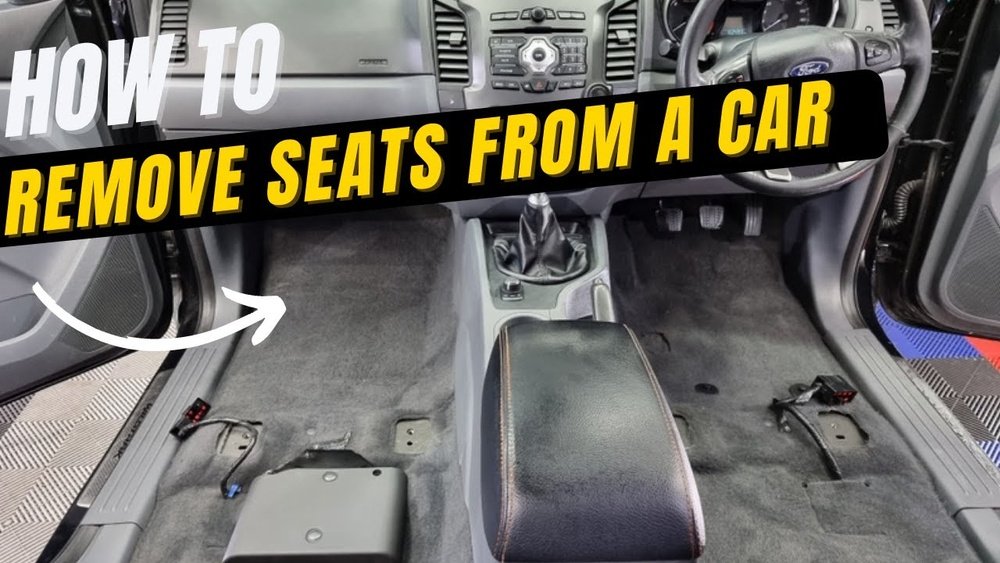
Have you ever needed extra space in your car but didn’t know how to remove the seats? Whether you’re making room for large items or just want to clean every nook and cranny, taking out your car seats can make a big difference.
But it might seem tricky or even risky if you’ve never done it before. Don’t worry—you’re about to learn simple steps that anyone can follow. By the end of this guide, you’ll feel confident removing your car seats quickly and safely, saving time and effort.
Ready to unlock that extra space in your vehicle? Let’s dive in.
Tools Needed
Removing car seats requires some basic tools and safety gear. Having the right tools makes the job easier and safer. Prepare all tools before starting to avoid interruptions.
Basic Tools
You will need a socket wrench set to remove bolts holding the seat. A screwdriver, usually Phillips or flathead, helps with smaller screws. A trim removal tool protects plastic parts from damage. A ratchet extension can reach tight spaces under the seat. Keep a flashlight nearby to see clearly in dark areas.
Safety Gear
Wear gloves to protect your hands from sharp edges. Safety glasses keep dust and debris out of your eyes. Use knee pads if you must work on hard surfaces for long periods. A dust mask helps if the car is dirty or dusty inside. Dress comfortably but avoid loose clothing that can catch on parts.
Preparing The Car
Preparing your car is the first step before removing the seats. This step keeps you safe and makes the job easier. Taking time now prevents damage to your car’s interior and parts.
Follow simple steps to get your car ready. Secure the vehicle and protect its electrical system before you start.
Park And Secure
Find a flat, stable place to park your car. Use the parking brake to stop the car from moving. Turn off the engine to avoid any accidents.
Remove the keys from the ignition. This stops the car from turning on by mistake. Close the doors to prevent dust and debris from entering.
Disconnect The Battery
Locate the car battery under the hood. Use a wrench to loosen the negative terminal first. This prevents electrical shorts and shocks.
After removing the negative cable, disconnect the positive terminal. Keep the cables away from the battery terminals. This step protects your car’s electrical system during seat removal.
Accessing The Seats
Accessing the seats in your car is the first step to safely remove them. You need clear space and easy access to the bolts. This section shows how to prepare the area and find the seat bolts.
Remove Floor Mats
Start by taking out the floor mats. They cover the floor and might hide bolts or wiring. Pull them out carefully to avoid dirt falling inside. Removing mats also gives you more room to work. Clean the floor if needed before moving on.
Locate Seat Bolts
Look under the seat for the bolts holding it down. These bolts are usually at the front and back of the seat rails. Use a flashlight for better visibility. Knowing the bolt positions helps to plan the removal steps. Check for covers or plastic caps hiding the bolts and remove them gently.
Removing Seat Bolts
Removing seat bolts is a key step to take out car seats. These bolts hold the seat firmly to the car floor. Taking them out carefully helps avoid damage to the seat or car. It is important to follow the right method and tools for this job.
Use The Right Wrench
Choose a wrench that fits the bolt heads perfectly. Most car seat bolts need a socket wrench or a spanner. Using the wrong size can strip the bolt or make it hard to remove. Check the bolt size before starting. Keep the wrench steady to avoid slipping.
Loosen And Remove Bolts
Start by loosening each bolt slowly. Turn the wrench counterclockwise to loosen the bolt. If bolts are tight, apply firm but gentle force. Remove bolts completely once loose. Keep bolts in a safe place for reinstallation. Repeat this for all bolts holding the seat.
Disconnecting Electrical Connections
Disconnecting electrical connections is a key step when removing car seats. Many modern seats have wires for airbags, seat heaters, or sensors. These wires must be handled carefully to avoid damage or triggering warning lights. Follow simple steps to find and unplug these connections safely.
Locate Wiring Plugs
Start by moving the seat to its farthest back position. Look under the seat base for wiring plugs. These are usually plastic connectors with wires leading into the car floor. Check both sides of the seat for all plugs. Some cars hide connectors under plastic covers or trim panels. Use a flashlight to see clearly in tight spaces.
Safely Unplug Connectors
Do not pull wires directly. Find the locking tab on each connector. Press or lift the tab to unlock the plug. Gently pull the connector apart by holding the plastic housing. Avoid forcing or twisting the plugs. If a connector feels stuck, wiggle it slightly while pulling. Keep track of each connector to reconnect later.
Credit: www.capitalone.com
Taking Out The Seats
Removing car seats can feel tricky. It needs care to avoid damage. This part guides you through the seat removal process. Follow these steps to keep the task smooth and safe.
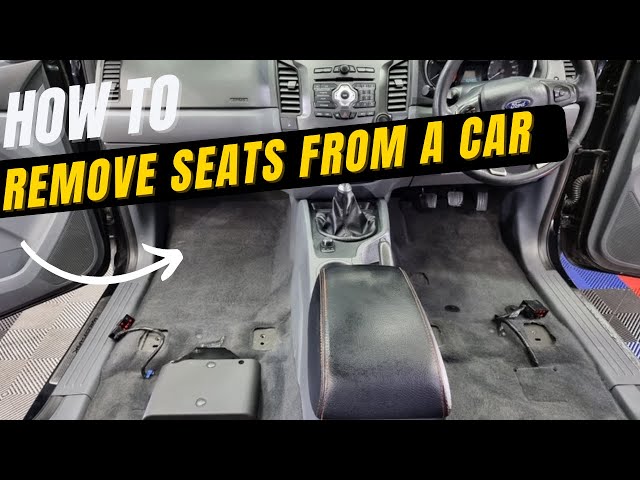
Lift Seats Carefully
Start by loosening all bolts or clips. Use the right tools for this step. Hold the seat firmly with both hands. Lift straight up to avoid scratching the car. Take your time. Rushing can cause harm to the seat or car floor.
Navigating Tight Spaces
Seats can be bulky and hard to move. Angle the seat slowly to fit through narrow doors. Watch for door frames and interior panels. Move the seat in small, steady steps. Avoid forcing it through tight spots. Patience helps prevent damage to the car or seat.
Storing Or Transporting Seats
After removing car seats, proper storage or transport keeps them safe and clean. Seats can be heavy and bulky, so careful handling is important. Protecting the seats stops damage and dirt during moves or storage. Good handling helps avoid accidents and keeps the seat in good shape.
Protecting The Seats
Cover seats with a clean blanket or plastic wrap. This stops dust and moisture from causing stains or mold. Use soft materials to avoid scratches on leather or fabric. Keep seats away from direct sunlight to prevent fading. Store seats in a dry, cool place. Avoid stacking heavy items on top to keep shape intact.
Handling Tips
Lift seats with help to avoid injury and damage. Hold the seat firmly by the frame or strong parts. Avoid dragging seats on rough surfaces that can tear upholstery. Use a dolly or cart for easier transport over long distances. Take breaks if the seat feels too heavy. Keep the path clear to prevent trips and falls.
Credit: www.youtube.com
Reinstalling Seats
Reinstalling car seats is an important step after removal. It ensures safety and comfort for the driver and passengers. The process needs care and attention to detail. Follow these simple steps to put your seats back properly.
Aligning And Securing Bolts
Start by placing the seat in its original position. Check the bolt holes carefully. Make sure the holes on the seat and car floor match perfectly. Insert the bolts one by one. Tighten each bolt slightly at first. Once all bolts are in place, tighten them fully. Use a wrench to secure them firmly. Loose bolts can be dangerous during driving.
Reconnecting Electricals
Many seats have electrical connections for heaters or sensors. Locate the wiring harness under the seat. Connect each plug carefully. Ensure each connector clicks into place. Avoid forcing any connections. Test the seat functions before finishing. Reconnecting electricals correctly avoids issues later on.
Safety Checks
Safety checks are vital before removing car seats. They prevent damage and keep you safe. Each seat has parts that must be secure and working well. Skipping checks can cause problems later. Take time to inspect carefully.
Test Seat Stability
Push the seat gently from different sides. It should not move or wobble. A loose seat can break or cause injury. Check the seat rails and bolts too. Tighten any loose parts before removal.
Check Electrical Functions
Many car seats have electric controls. Test buttons for adjusting position or heating. Make sure wires are not damaged or loose. Disconnect power carefully to avoid shorts. Note any issues to fix after removal.
Credit: www.kiddies-kingdom.com
Frequently Asked Questions
How Do I Safely Remove Car Seats?
First, disconnect the car battery to avoid airbag issues. Then, unbolt the seat from the floor using a wrench. Carefully unplug any electrical connectors before removing the seat. Always handle seats with care to prevent damage or injury.
What Tools Are Needed To Take Out Car Seats?
You typically need a socket wrench, screwdriver, and sometimes a Torx bit. These tools help remove bolts and screws securing the seat. Having gloves and a flashlight can also assist in tight spaces or dark areas.
Can I Remove Car Seats Without Damaging The Upholstery?
Yes, by carefully unbolting and unplugging all connections, you avoid damage. Use protective covers to keep upholstery safe during removal. Avoid dragging the seat across rough surfaces to protect the fabric or leather.
How Long Does It Take To Remove Car Seats?
Removing car seats usually takes 20 to 40 minutes depending on the car model. Experience and proper tools can speed up the process. Always allow extra time to disconnect electrical components safely.
Conclusion
Removing car seats can be simple with the right steps. Always check your car’s manual for specific instructions. Use basic tools and work carefully to avoid damage. Take your time and stay safe throughout the process. Once seats are out, cleaning or repairs become much easier.
This guide helps you handle seat removal with confidence. Try these tips next time you need to take out seats. It saves time and effort. Easy and clear steps make the task less stressful. Keep your car in good shape by knowing how to remove seats properly.
