
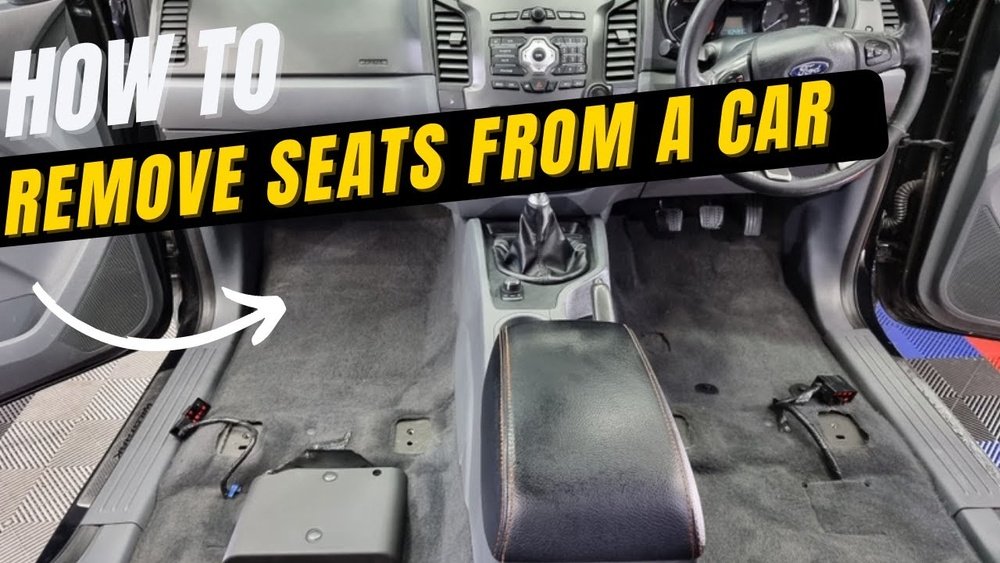
Have you ever needed to take the seats out of your car but felt unsure where to start? Whether you’re looking to clean deeply, create more space, or make repairs, removing car seats can seem tricky.
But don’t worry—you have the power to do it yourself, quickly and safely. In this guide, you’ll discover simple steps that anyone can follow, even if you’ve never tried it before. Keep reading, and you’ll learn how to take your car seats out with confidence and ease.
Credit: www.youtube.com
Tools Needed
Removing car seats is a task that needs the right tools. Having proper tools makes the job safer and easier. Some tools are necessary for all car models. Others are optional but helpful. Preparing tools before starting saves time and avoids frustration.
Basic Tools
A socket wrench set is essential. It helps remove bolts holding the seat. Different cars need different socket sizes. A screwdriver set is also important. Flathead and Phillips screwdrivers handle screws and clips. A ratchet extension can reach tight spots. Gloves protect your hands during work. A flashlight improves visibility in dark areas.
Optional Equipment
Plastic trim removal tools prevent damage to panels. A magnetic tray keeps bolts and screws safe. A cordless drill speeds up screw removal. A torque wrench helps tighten bolts to the right strength. Knee pads add comfort when working on the floor. A vacuum cleaner cleans dirt and debris after seat removal.
Credit: www.youcanic.com
Preparing The Car
Before taking seats out of a car, preparing the car is essential. This step makes the removal process easier and safer. It also helps prevent damage to the car and injury to yourself. Proper preparation saves time and effort during the seat removal.
Clearing The Area
Start by clearing the space inside and around the car. Remove any items from the seats and floor. This gives you more room to work comfortably. Clear the back seat and front seat area if both need removal. Outside the car, create a clean spot for the seats. Keep tools and parts close to avoid searching later. A tidy work area reduces accidents and lost parts.
Safety Precautions
Safety is important before removing car seats. Wear gloves to protect your hands from sharp edges. Use safety glasses to shield your eyes from dust or debris. Disconnect the car battery to avoid electrical issues. Check the car manual for airbag warnings related to seat removal. Use proper tools to avoid slipping or breaking bolts. Work slowly and carefully to prevent injury. A safe approach keeps you and the car safe.
Locating Seat Fasteners
Locating seat fasteners is the first step in removing car seats safely. These fasteners hold the seat firmly to the car’s frame. Knowing where to find them makes the removal process quicker and easier. Each car model may have different fastener types and positions. Understanding these details helps avoid damage to your vehicle and seat.
Types Of Fasteners
Car seats use various fasteners. Bolts are the most common. They usually require a wrench or socket to remove. Some seats have screws instead. These need a screwdriver. Clips and hooks may also secure parts of the seat. These fasteners are easier to release but need careful handling to avoid breaking.
Access Points
Fasteners hide in specific places. Check under the seat cushion first. The front and rear edges often have visible bolts or screws. Some fasteners lie beneath plastic covers or trim pieces. These covers snap off gently with a trim tool or flat screwdriver. Also, look along the seat rails where it slides back and forth. Proper access ensures safe and smooth seat removal.
Removing The Front Seats
Removing the front seats from your car is a useful skill. It helps with cleaning, repairs, or upgrades. The process requires care to avoid damage. Each step must be done carefully for safety.
Start by preparing your tools and workspace. Make sure the car is off and the keys are out. This ensures no power runs through the seat’s electrical parts.
Disconnecting Electrical Components
Front seats often have electrical parts like airbags and seat heaters. Locate the connectors under the seat carefully. Press the tabs to unplug each connector gently. Avoid pulling wires to prevent damage.
Disconnecting these parts stops electrical issues or airbag warnings. Always check the car manual for specific instructions. Some vehicles need battery disconnection before working on seats.
Unbolting The Seat
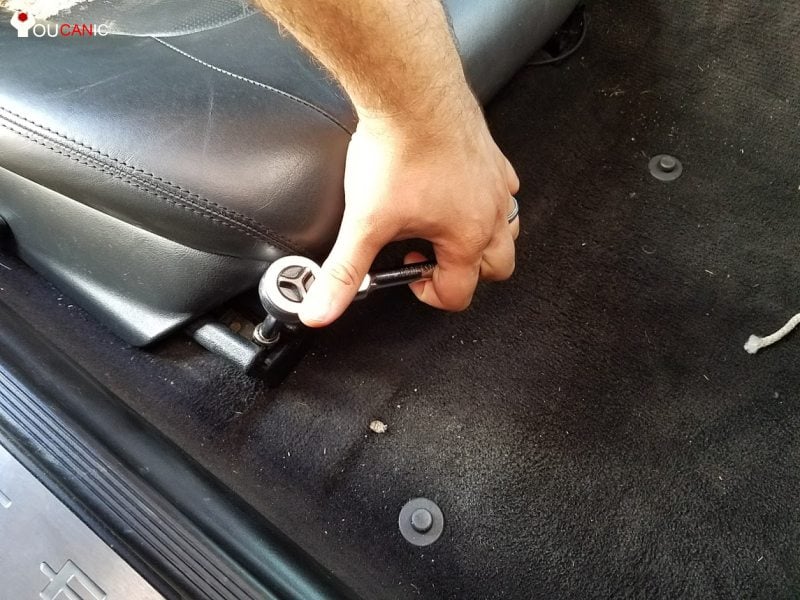
Locate the bolts holding the seat to the car floor. Usually, four bolts secure the seat in place. Use a wrench or socket set to remove these bolts. Turn counterclockwise to loosen and remove them.
Keep the bolts safe for reinstallation. After removing bolts, carefully lift the seat out of the car. Seats can be heavy, so ask for help if needed.
Removing The Rear Seats
Removing the rear seats in a car can create more space for cargo or cleaning. It is not difficult but needs care. Follow simple steps to avoid damage and keep everything safe. This guide helps you take out the rear seats quickly and safely.
Folding And Lifting Techniques
Start by folding the seatbacks forward. Most rear seats have a lever or button to fold down. Push the seatback forward to create room for lifting. Hold the seat bottom firmly. Lift the seat upward or pull it out gently. Avoid force to prevent breaking parts. Some seats may need to slide forward first. Check your car manual for specific details.
Unclipping Seat Parts
Look for clips or bolts holding the seat in place. Use a wrench or screwdriver to loosen bolts. Keep all screws and clips safe for reinstallation. Unclip any plastic covers hiding fasteners. Pull the seat carefully to detach it from the clips. Do not rush, as clips can break easily. Once free, remove the seat completely from the car.

Credit: www.reddit.com
Handling Seat Belts And Accessories
Handling seat belts and accessories is a key step when removing car seats. Proper care keeps these parts safe and ready for later use or replacement. It also helps avoid damage to your car’s interior. Follow simple steps to detach seat belts and remove headrests and cushions carefully.
Detaching Seat Belts
Start by locating the seat belt mounting points. Use a wrench or screwdriver to loosen bolts. Pull the seat belt gently to release tension. Avoid cutting or forcing the belt to prevent damage. Store the belts in a safe place to keep them clean and untangled.
Removing Headrests And Cushions
Press the release buttons at the base of each headrest. Pull the headrest straight up and out. For cushions, check for clips or screws underneath the seat. Remove these fasteners carefully. Lift the cushion slowly to avoid tearing the fabric or foam.
Tips For Reinstallation
Reinstalling car seats needs care and focus. Doing it right keeps you safe and comfortable. Follow these tips to make the process smooth and secure.
Aligning Fasteners
Start by lining up the seat with the bolt holes. This step helps the fasteners fit correctly. Use your hands to guide the seat into place gently. Avoid forcing the seat, which can cause damage. Once aligned, insert the bolts carefully. Tighten them just enough to hold the seat steady before fully securing.
Testing Seat Stability
After securing the bolts, check the seat’s firmness. Push and pull the seat lightly in different directions. The seat should not move or wobble. If it does, tighten the bolts more. Sit down and shift your weight to feel any loose spots. Repeat tightening and testing until the seat feels solid and safe.
Common Issues And Fixes
Removing car seats can be tricky. Some common problems may slow you down. Knowing these problems helps you fix them faster. This saves time and effort during the job.
Stuck Bolts
Bolts may not move easily. Dirt and rust often cause this. Spray a little oil on the bolts. Let it sit for a few minutes. Use a wrench to try again. If the bolt still won’t move, tap it gently with a hammer. This helps to loosen it. Avoid forcing too hard to prevent damage.
Electrical Connection Problems
Many modern car seats have wires inside. These wires connect to airbags or seat heaters. Disconnect these wires carefully. Look for clips or plugs holding them. Press or pull gently to unplug. If a wire feels stuck, check for hidden locks. Avoid pulling wires hard to prevent breaks. Use a small tool to release clips if needed.
Frequently Asked Questions
How Do I Safely Remove Car Seats?
To safely remove car seats, first disconnect the battery to avoid airbag issues. Use proper tools to unbolt the seats. Follow the car manual instructions carefully. Handle electrical connectors gently to prevent damage. Work slowly and double-check all bolts are fully removed.
What Tools Are Needed To Remove Car Seats?
You typically need a socket wrench set, screwdrivers, and sometimes a Torx driver. A pry tool may help disconnect clips. Always check your car’s manual for specific tools. Having the right tools makes the removal process faster and safer.
Can I Remove Car Seats Without Professional Help?
Yes, you can remove car seats yourself if you follow safety steps. Disconnect the battery, use proper tools, and follow the vehicle manual. Avoid forcing parts to prevent damage. If unsure, consult a professional to avoid safety risks.
How Long Does It Take To Remove Car Seats?
Removing car seats usually takes 30 to 60 minutes, depending on the vehicle and experience. Complex wiring or stubborn bolts may extend this time. Taking your time ensures safety and prevents damage.
Conclusion
Removing car seats can save space and help with cleaning. Always check your car’s manual for specific steps. Use the right tools to avoid damage or injury. Work slowly and carefully to keep everything safe. After removing seats, store bolts and parts where you can find them.
This simple task can make your car more versatile. Now, you can easily adjust your car’s interior as needed. Give it a try, and enjoy the extra room!
