
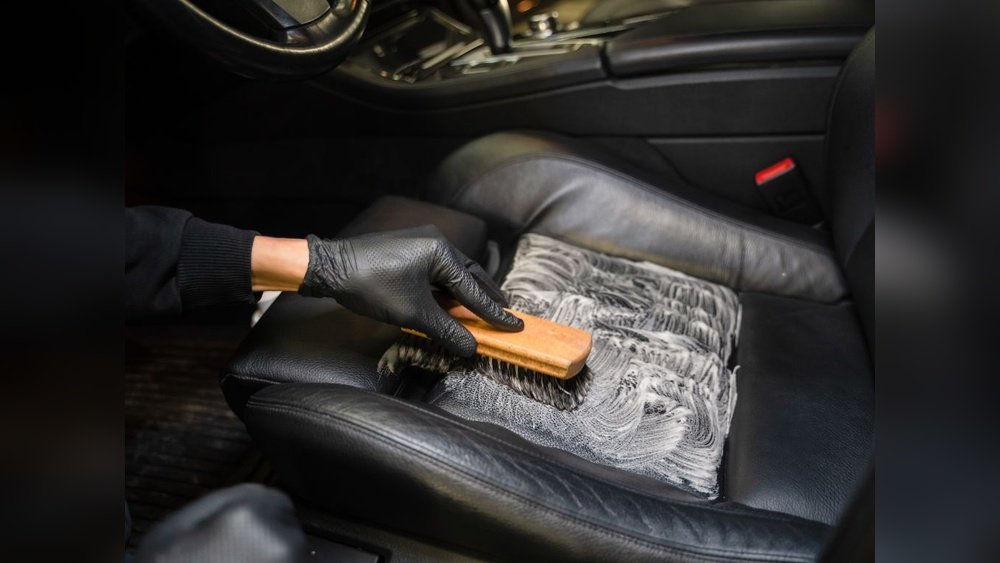
Your car’s leather seats add a touch of luxury and comfort every time you drive. But without the right care, they can dry out, crack, or lose their shine.
If you want your leather seats to stay soft, clean, and looking new, you need to know how to treat them properly. You’ll discover simple, effective steps to protect your leather and keep your car’s interior feeling fresh. Ready to give your seats the care they deserve?
Let’s get started.
Preparing Leather Seats
Preparing leather car seats is the first step to keep them clean and fresh. Proper preparation helps protect the leather and makes cleaning easier. Taking time to prepare ensures the best results and extends the seat’s life.
Gathering Necessary Supplies
Start by collecting all needed items. Get a soft brush, microfiber cloths, and a vacuum cleaner. Choose a leather cleaner and conditioner made for car seats. Avoid harsh chemicals or regular household cleaners. Having everything ready saves time and prevents mistakes.
Cleaning Dirt And Debris
Remove loose dirt and dust from the seats. Use a vacuum with a soft brush attachment. Gently clean all seat creases and seams. Avoid pressing too hard to protect the leather. This step clears particles that could scratch the surface during cleaning.
Choosing The Right Cleaner
Select a cleaner designed specifically for leather seats. Check that it is pH-balanced and safe for your car’s leather type. Test the cleaner on a small hidden area first. This prevents damage and color changes. Using the right product keeps the leather soft and looking new.
Cleaning Techniques
Cleaning leather car seats helps keep them fresh and lasts longer. Proper cleaning techniques remove dirt without harming the leather. Use gentle methods to protect the seat’s natural texture and color. Follow simple steps for the best results.
Spot Cleaning Stains
Act fast to clean stains on leather seats. Use a soft cloth dampened with water or mild soap. Gently dab the stain, avoid rubbing hard. This stops the stain from spreading or sinking deep. For tough stains, use a cleaner made for leather.
Using Gentle Brushes
Soft brushes remove dust and dirt from seat creases. Use a brush with soft bristles only. Brush lightly to avoid scratching the leather surface. This method cleans hard-to-reach spots and keeps the leather smooth.
Wiping And Drying Properly
After cleaning, wipe seats with a clean, dry cloth. Remove all moisture to prevent damage. Let the seats air dry naturally inside the car. Avoid direct sunlight or heat sources that dry out leather.
Conditioning Leather
Conditioning leather is key to keeping car seats soft and strong. It helps stop cracks and fading. Regular care keeps leather looking new for years. Proper conditioning restores moisture lost from sun and use. This process protects leather and improves comfort while driving.
Selecting A Quality Conditioner
Choose a conditioner made for automotive leather. Avoid products with harsh chemicals or waxes. Look for natural oils and gentle ingredients. Test the conditioner on a small, hidden spot first. This prevents damage or color change on the seats.
Applying Conditioner Evenly
Use a soft cloth or sponge for applying. Dab a small amount of conditioner on the surface. Spread it gently in circular motions. Cover all leather areas without overloading any spot. Even application ensures full protection and a smooth finish.
Allowing Proper Absorption
Let the conditioner soak into the leather naturally. Avoid wiping it off too soon. Leave the seats to rest for at least 15 minutes. This time helps the leather absorb oils fully. After absorption, buff lightly with a clean cloth to remove excess.
:max_bytes(150000):strip_icc()/how-to-clean-leather-car-seats-5204366-hero-a9e1643de2804141afa2639918981c29.JPG)
Credit: www.thespruce.com
Protecting Leather Surfaces
Protecting leather surfaces in your car keeps them looking fresh and new. Leather is strong but needs care to avoid cracks and fading. Simple steps help maintain its smooth feel and rich color.
Regular protection makes leather last longer. It stops damage from daily use and weather. Use the right products and habits to keep your seats safe.
Using Leather Protectants
Leather protectants form a thin barrier on the surface. This shield guards against dirt and spills. Apply protectants with a soft cloth. Let the leather dry fully before using the car.
Choose products made for leather car seats. Avoid harsh chemicals that can dry out leather. Protectants also keep leather soft and supple over time.
Avoiding Sun Damage
Sunlight causes leather to fade and crack. Park your car in the shade or use sunshades. Close windows and use windshield covers to block UV rays.
Keep leather out of direct sunlight as much as possible. Use tinted windows to reduce sun exposure. This helps preserve the leather’s color and texture.
Maintaining Moisture Balance
Leather needs moisture to stay flexible but not too much. Clean seats with damp cloths, not soaking wet ones. Dry the leather quickly after cleaning to avoid mold.
Use leather conditioners to restore moisture and prevent dryness. Apply conditioner every few months for best results. Balanced moisture keeps leather soft and prevents cracks.
Regular Maintenance Tips
Leather car seats add style and comfort to your vehicle. Keeping them in good shape needs regular care. Small steps can stop damage and keep seats looking fresh. Follow simple tips to protect your leather every day.
Routine Cleaning Schedule
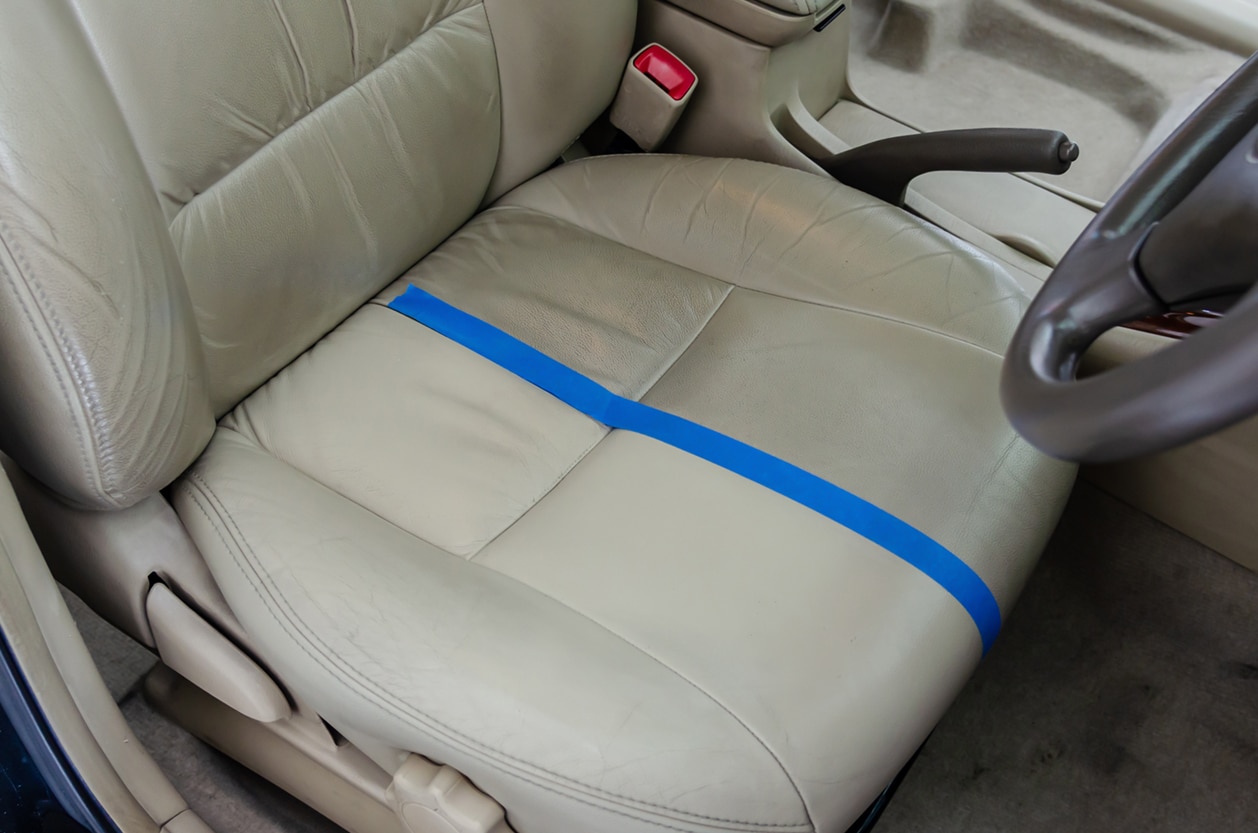
Clean leather seats every two weeks. Use a soft cloth and gentle leather cleaner. Avoid harsh chemicals that dry out leather. Wipe dirt and dust to stop buildup. Regular cleaning keeps leather soft and bright.
Preventing Cracks And Fading
Park in the shade to avoid sun damage. Use a leather conditioner once a month. This keeps leather moist and flexible. Cracks start when leather dries and ages. Conditioning stops fading and extends seat life.
Handling Spills Quickly
Blot spills right away with a dry cloth. Do not rub, or stain will spread. Use mild soap and water for sticky spots. Dry the area gently after cleaning. Quick action stops stains and protects leather color.
Credit: www.everydaycheapskate.com
Common Mistakes To Avoid
Leather car seats need care to stay soft and lasting. Many people try to clean or protect their seats but make mistakes. These errors can cause damage or reduce the leather’s life. Avoiding common mistakes helps keep leather looking new and fresh.
Using Harsh Chemicals
Strong cleaners can ruin leather. They remove natural oils and dry out the surface. Avoid bleach, ammonia, or alcohol-based products. Use cleaners made for leather only. Gentle cleaning keeps leather soft and healthy.
Over-conditioning Leather
Too much conditioner can harm leather. It clogs the pores and makes the surface sticky. Apply conditioner sparingly and only when the leather feels dry. Proper conditioning keeps leather flexible without damage.
Ignoring Manufacturer Guidelines
Every leather type is different. Manufacturers give care instructions for a reason. Following these rules prevents damage and ensures the right products are used. Check the manual or tags before treating your seats.
/how-to-clean-leather-car-seats-5204366-07-c3e3dbdf4eef4c3cad5c8de095d0b54d.JPG)
Credit: www.thespruce.com
Frequently Asked Questions
How Often Should I Clean Leather Car Seats?
Clean leather car seats every 1-3 months to maintain their appearance. Frequent cleaning prevents dirt buildup and damage. Use a soft cloth and leather cleaner for best results. Avoid harsh chemicals that can dry out the leather.
What Products Are Best For Leather Seat Treatment?
Use pH-balanced leather cleaners and conditioners designed for car seats. Avoid household cleaners that may cause discoloration or damage. Choose products with natural oils to keep leather soft and supple. Always test on a small area before full application.
Can I Use Household Items To Clean Leather Seats?
Household items like vinegar or baking soda can harm leather seats. They may cause drying, cracking, or discoloration. It’s safer to use products specifically formulated for leather care. This ensures effective cleaning without damaging the material.
How Do I Prevent Leather Seats From Cracking?
Regularly condition leather seats to keep them moisturized and flexible. Protect seats from direct sunlight to avoid fading and drying. Use seat covers in extreme weather for added protection. Avoid sharp objects that can puncture or scratch the leather.
Conclusion
Caring for leather car seats keeps them soft and strong. Clean seats gently with proper leather cleaner. Use conditioner to prevent cracks and dryness. Avoid harsh chemicals that can damage the leather. Regular care extends the life of your seats.
A little effort saves money on repairs later. Enjoy a fresh, comfortable ride every day. Keep your car looking neat and well-kept. Simple steps make a big difference over time. Protect your leather seats to keep them looking new.
