
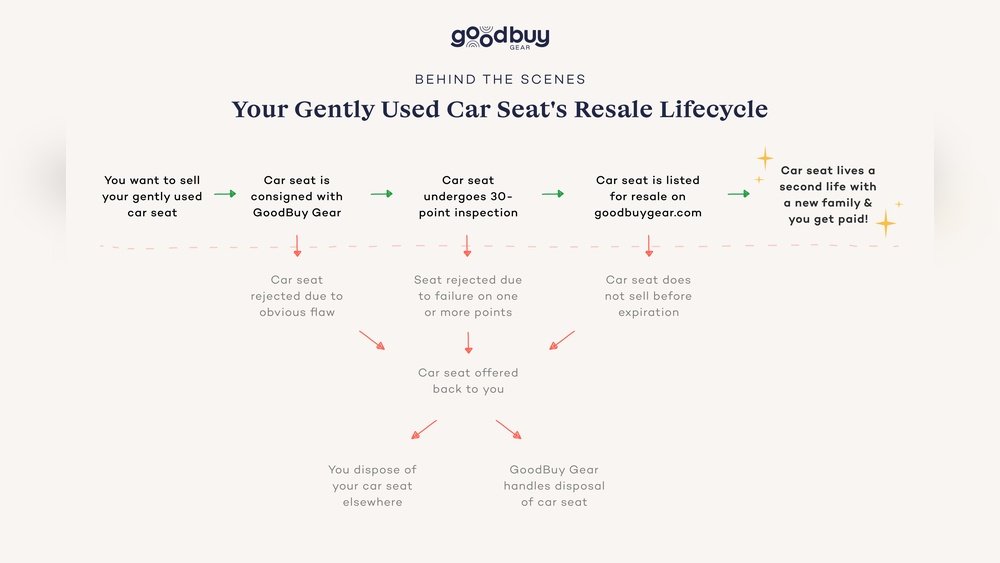
Are you thinking about buying or selling a used car seat? Before you make a move, it’s important to know the rules that could affect your safety and wallet.
Selling used car seats might seem like a smart way to save money, but is it even legal? What risks could be hiding behind that second-hand price tag? Keep reading to find out what you need to know to protect your child and avoid costly mistakes.
This guide will clear up the confusion and help you make the safest choice for your family.

Credit: wsbs.com
Legal Rules For Selling Used Car Seats
Selling used car seats involves legal rules to ensure child safety. These laws protect children from old or damaged seats that may fail in accidents. Knowing the rules helps sellers follow the law and buyers stay safe.
Federal Regulations
The U.S. government sets safety standards for car seats. The National Highway Traffic Safety Administration (NHTSA) oversees these rules. Car seats must meet federal crash test standards to be sold. Seats recalled for safety issues cannot be sold. Federal laws focus on making sure seats are safe and reliable.
State Laws And Variations
Each state has different rules about selling used car seats. Some states ban selling used seats outright. Others allow sales but with strict conditions. Sellers should check local laws before selling. State laws add extra protection beyond federal rules. These laws aim to reduce unsafe car seats on the road.
Age And Condition Requirements
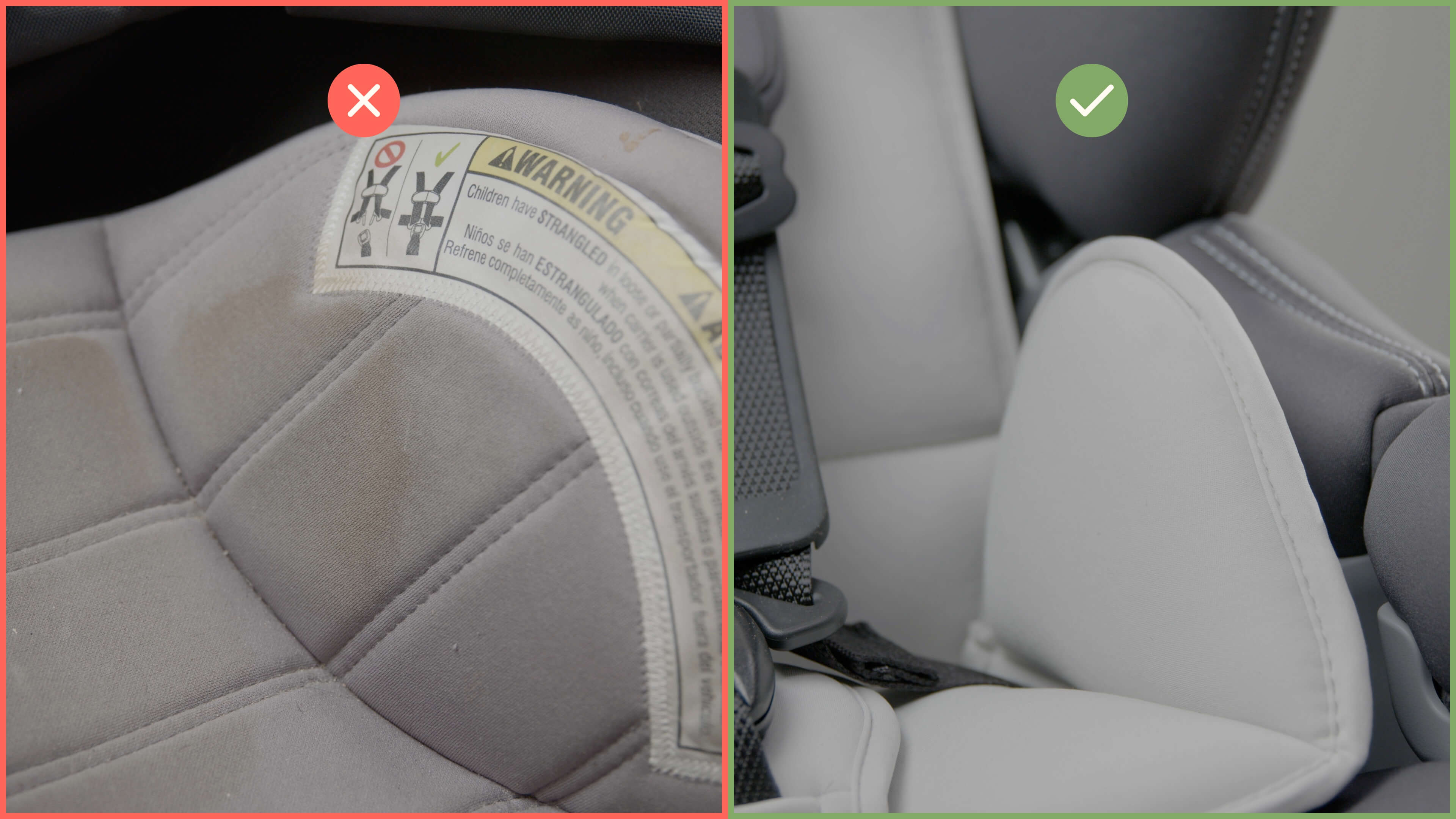
Used car seats must not be too old. Many states set an age limit, often around 6 to 10 years. Seats older than this lose safety effectiveness. Condition matters too. Seats with cracks, missing parts, or previous crash damage should not be sold. Proper labels and instructions must be intact for resale.
Credit: goodbuygear.com
Safety Concerns With Used Car Seats
Used car seats might seem like a good deal. Saving money is important for many families. Still, safety must come first. Car seats protect children during accidents. Old or damaged seats may fail to do this. Understanding the safety risks helps make better choices.
Expiration Dates
Car seats have expiration dates. Plastic and materials break down over time. Using an expired seat can be unsafe. Expired seats may not meet current safety rules. Check the label for the expiration date. Do not use seats past this date.
Crash History
A seat involved in a crash might be damaged. Damage can be hidden and hard to see. Cracks or broken parts weaken protection. Even a small crash can affect safety. Always avoid buying seats with unknown crash history.
Wear And Tear Issues
Used seats often show wear and tear. Straps may be frayed or stretched. Buckles can get stuck or broken. Padding might be compressed or missing. These problems reduce how well the seat protects. Inspect every part carefully before buying.
How To Verify Used Car Seat Legality
Knowing how to verify the legality of a used car seat is important. Safety rules protect children from harm. Not all used seats are safe or legal to sell. Checking the seat carefully helps avoid risks and fines.
Checking Manufacturer Guidelines
Start by reading the car seat manual or manufacturer website. Some brands forbid selling used seats. Others allow it but with strict rules. Look for the seat model and expiration date. Expired seats are unsafe and usually illegal to sell. Follow all instructions from the maker.
Inspecting For Recalls
Check if the seat has been recalled. Recalls mean the seat has safety problems. Visit official recall websites or contact the manufacturer. If the seat is on a recall list, do not sell it. A recalled seat can put a child in danger.
Assessing Seat Condition
Look at the seat carefully. Check for cracks, broken parts, or missing pieces. Make sure the harness and buckles work well. A damaged seat is unsafe and illegal to sell. Clean the seat but do not remove labels or stickers. These labels often contain important safety information.
Alternatives To Selling Used Car Seats
Used car seats may not always be safe to sell due to safety concerns. Many parents want to keep their children protected. Finding other ways to give old car seats a new life helps families and communities. Here are some good alternatives to selling used car seats.
Donation Options
Donating car seats to charities helps families in need. Some organizations check the seats for safety. They give them to low-income families or shelters. Donations can also support community programs that teach child safety.
Trade-in Programs
Some stores offer trade-in programs for old car seats. Parents bring in their old seats and get a discount on new ones. This helps remove unsafe seats from use. Trade-ins also encourage buying up-to-date and safe car seats.
Recycling Opportunities
Recycling car seats reduces waste and protects the environment. Some recycling centers accept car seats for proper disposal. They separate plastic and metal parts for reuse. Recycling helps keep harmful materials out of landfills.
Tips For Buyers Of Used Car Seats
Buying a used car seat can save money. But safety must come first. Used seats may have hidden damage or expired parts. Knowing what to check helps find a safe and reliable seat. This guide gives simple tips for buyers. Use these tips to make a smart choice.
Questions To Ask Sellers
Ask the seller about the car seat’s history. Has it been in any accidents? Has it expired or been recalled? Request the original manual and any proof of purchase. Find out the model and manufacture date. These answers help assess safety and condition.
What To Look For In Inspections
Check the seat carefully for cracks or broken parts. Look for missing pieces or worn straps. Make sure the harness adjusts properly. Inspect the labels for expiration dates. Avoid seats with visible damage or unclear history. Cleanliness also matters; a dirty seat may hide problems.
Ensuring Proper Installation
Confirm the seat fits your vehicle well. Follow the manual exactly during installation. Use either the seat belt or LATCH system, not both unless allowed. Test that the seat does not move more than an inch side to side. A secure seat protects your child better in a crash.
Credit: www.chiccousa.com
Frequently Asked Questions
Is Selling Used Car Seats Illegal Everywhere?
No, selling used car seats is not illegal everywhere. Laws vary by state and country. Always check local regulations before selling.
What Safety Concerns Exist With Used Car Seats?
Used car seats may have hidden damage or expired parts. This can compromise safety. Always inspect thoroughly before buying or selling.
How Can I Legally Sell A Used Car Seat?
Ensure the seat meets local safety standards. Disclose any damage or recalls. Provide proof of manufacture date and usage history.
Are There Restrictions On Used Car Seat Sales Online?
Some platforms restrict selling used car seats to ensure safety. Check each website’s policy before listing your seat for sale.
Conclusion
Selling used car seats is not always illegal but requires care. Check the seat’s condition and recall history before selling. Safety matters most for children’s protection in vehicles. Follow your local laws and guidelines to avoid trouble. Always put safety first when buying or selling seats.
Protect your family and others by making smart choices. Remember, a safe car seat saves lives.
