
Are you sure your child’s car seat meets Florida’s legal requirements? Knowing the law on car seats in Florida isn’t just about following rules—it’s about keeping your little one safe every time you hit the road.
If you want to protect your child and avoid costly fines, you need to understand exactly what Florida law says about car seats. Keep reading to discover the simple steps you must take to stay compliant and ensure your child’s safety.
Florida Car Seat Laws
Florida car seat laws protect children during car rides. These laws set clear rules about which car seats to use and when. Parents and caregivers must follow these laws to keep kids safe. Understanding these rules helps avoid fines and injuries.
Age And Weight Requirements
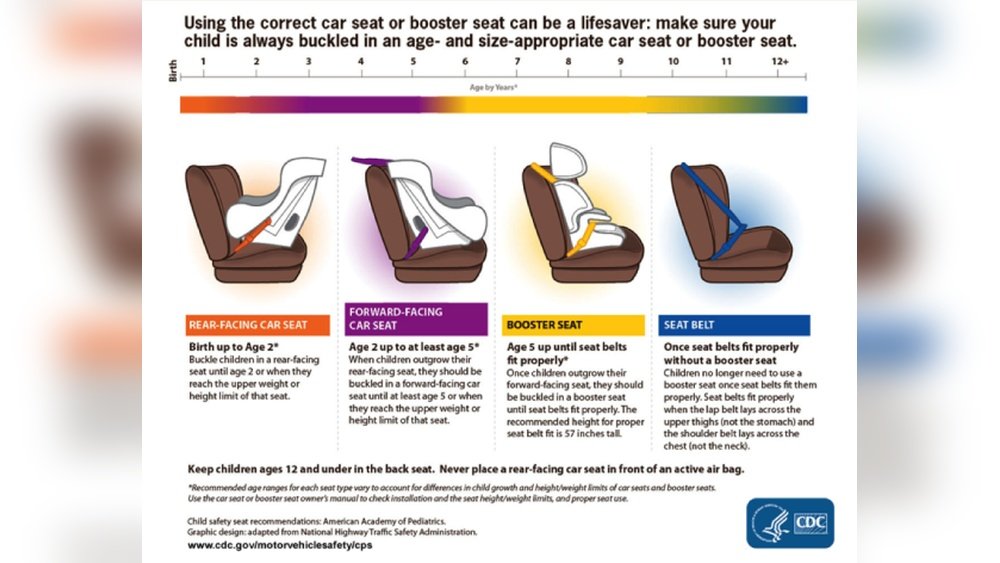
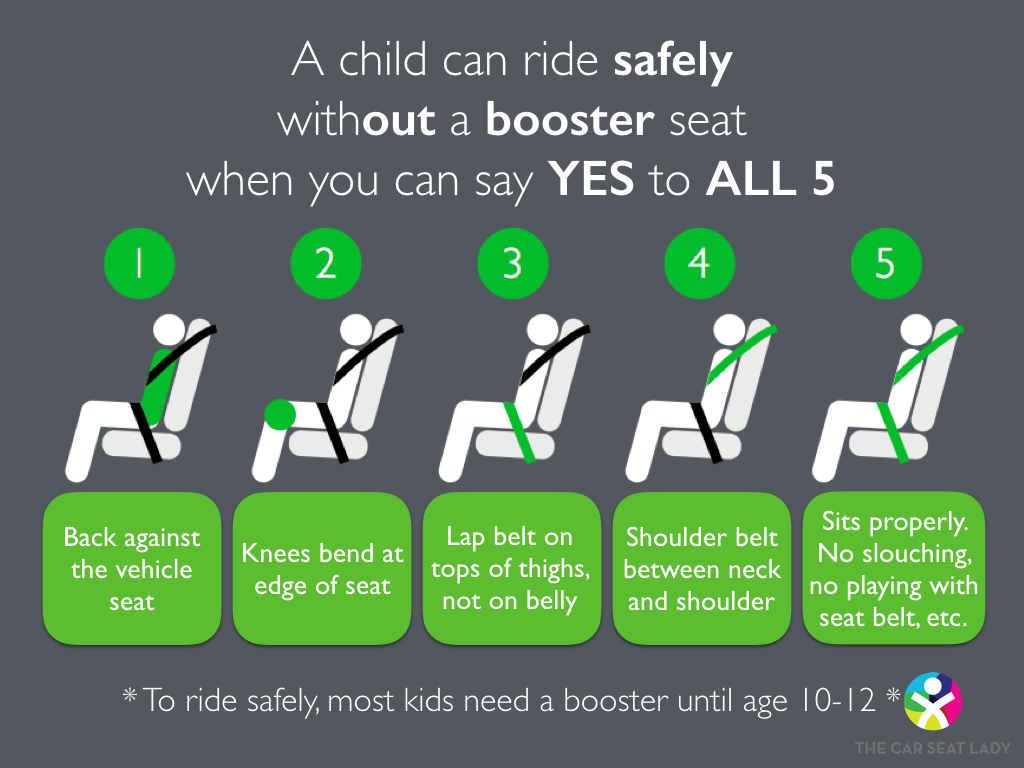
Children under 5 years old must use a car seat or booster seat. The seat type depends on the child’s weight and age. Toddlers usually need a rear-facing seat. Older kids need a booster seat until they reach 4 feet 9 inches tall or 8 years old.
Types Of Approved Car Seats
Florida law approves three main types of car seats. Rear-facing seats suit infants and toddlers. Forward-facing seats fit older toddlers and preschoolers. Booster seats help big kids use the car’s seat belt correctly. All seats must meet federal safety standards.
Rear-facing Vs. Forward-facing Rules
Children must stay rear-facing as long as possible. This position protects their head and neck better in crashes. Most kids switch to forward-facing seats after age 2 or when they outgrow rear-facing limits. Florida law encourages keeping kids rear-facing until at least age 2.
Credit: www.thefloridacenter.org
Installation Guidelines
Installing a car seat correctly is key for child safety. Florida law sets clear rules on how to install car seats. Following these rules helps protect children in case of accidents. Understanding the installation guidelines keeps everyone safe.
Proper Use Of Latch System
The LATCH system means Lower Anchors and Tethers for Children. It helps secure the car seat without using a seat belt. Check your car manual to find LATCH anchors in your vehicle. Attach the car seat connectors firmly to these anchors. Make sure the seat does not move more than one inch side to side.
Securing The Seat Belt
Some car seats need to be installed using the vehicle’s seat belt. Thread the seat belt through the car seat’s belt path. Buckle the seat belt and pull it tight. Lock the seat belt by pulling it all the way out and letting it retract. Check that the car seat is stable and does not shift.
Common Installation Mistakes
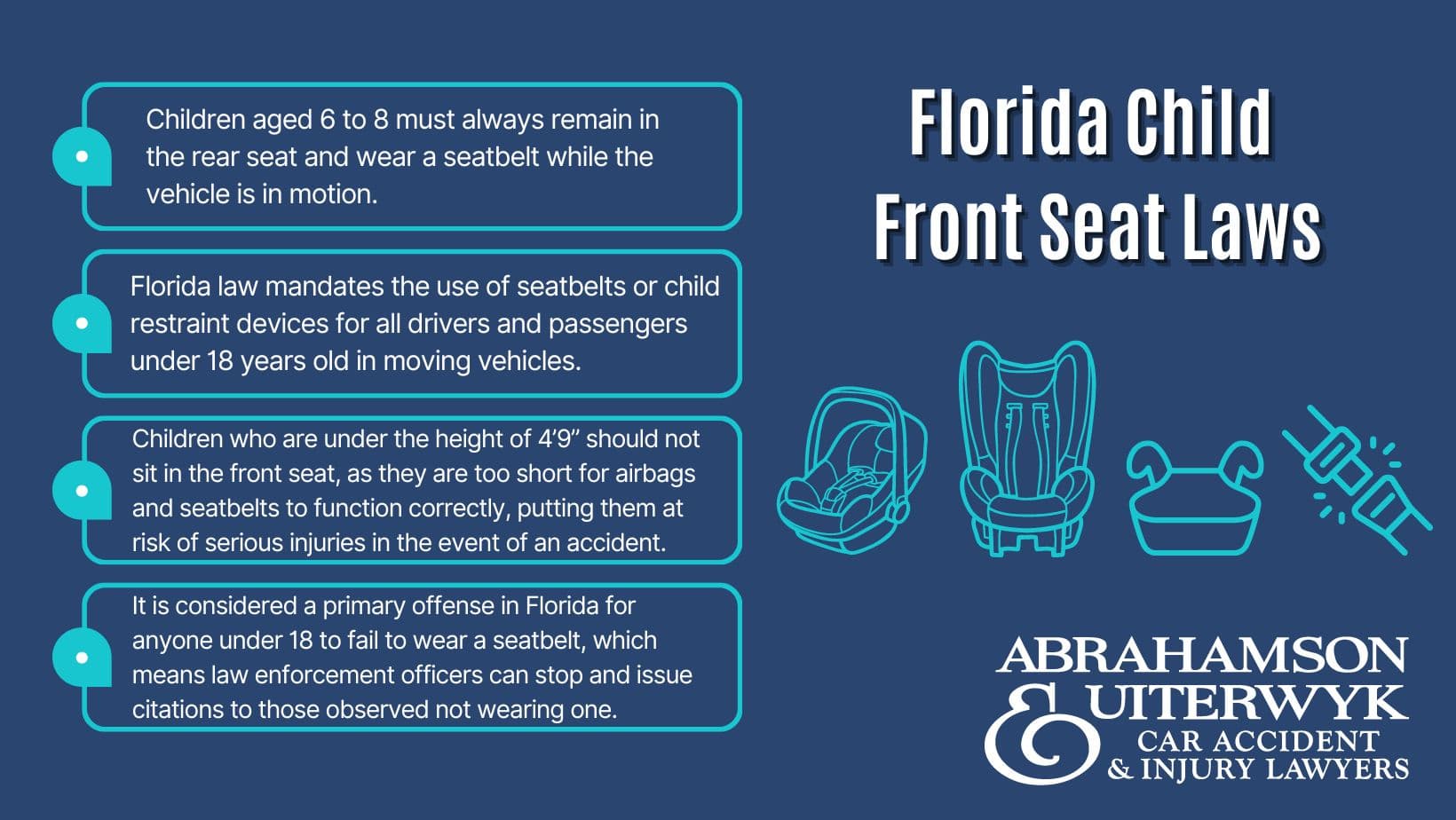
Many parents install car seats too loosely. The seat should not move more than one inch. Using both LATCH and seat belt at the same time can cause problems. Always follow the car seat manual for the right method. Avoid placing the car seat in the front seat. It is unsafe and against Florida law for young children.
Safety Tips For Parents
Parents want the best safety for their children in cars. Knowing the rules helps keep kids safe. Using car seats correctly lowers injury risks. Follow these safety tips to protect your little ones every trip.
Checking Expiration Dates
Car seats do not last forever. Plastic and straps weaken over time. Look for the expiration label on the seat. Usually, car seats expire after six years. Using an expired seat can be unsafe. Always check the date before using or buying a seat.
When To Transition Seats
Children must use the right seat for their size. Start with rear-facing seats for infants. Switch to forward-facing seats when kids reach weight limits. Booster seats come next for older children. Follow Florida laws for weight and height rules. Proper seats offer the best protection in crashes.
Avoiding Used Car Seat Risks
Used car seats might hide damage or missing parts. History of accidents weakens the seat’s safety. Labels or instructions could be missing. It is safer to buy new seats. If buying used, check the seat’s condition carefully. Ensure it has no recalls or past accidents.
Penalties And Enforcement
Florida takes child car seat laws seriously to protect young passengers. Penalties for breaking these laws help enforce safety rules. These consequences encourage drivers to follow proper car seat usage.
Fines For Non-compliance
Drivers not using car seats correctly face fines in Florida. The first offense can cost up to $60. Repeated violations may lead to higher fines and court fees. These fines aim to remind parents and caregivers to secure children safely.
Law Enforcement Practices
Police officers check car seats during routine traffic stops. They look for proper installation and age-appropriate seats. Officers may issue warnings or tickets based on the situation. Their role is to protect children on the road.
Reporting Unsafe Practices
Anyone can report unsafe car seat use to local authorities. Reporting helps protect children from harm. It also raises awareness about the importance of car seat laws. Keeping kids safe is a community effort.
Resources And Support
Florida offers many resources and support to help parents follow car seat laws. These tools ensure children stay safe while traveling in cars. Access to proper guidance makes it easier to install and use car seats correctly.
Car Seat Inspection Stations
Car seat inspection stations are available across Florida. Trained technicians check car seats for correct installation. They also offer advice on which seat fits your child’s age and size. These stations often operate at fire stations, hospitals, and police departments. Visiting a station can prevent common mistakes that reduce seat effectiveness.
Educational Programs
Various programs teach parents about car seat safety. Workshops and classes explain the latest Florida laws and safety tips. They provide hands-on demonstrations and answer questions. These programs help parents feel confident in using car seats properly. Some are free and open to all caregivers.
Contacting Local Authorities
Local authorities can provide information about car seat laws. Police departments and child safety offices answer questions and offer guidance. They help clarify any confusion about seat requirements. Contacting them is a good step if you face challenges or need more support.

Credit: www.keyshealthystart.org
Credit: www.theinjurylawyers.com
Frequently Asked Questions
What Are Florida’s Age Requirements For Car Seats?
Florida law requires children under 5 years to use a car seat or booster. Children aged 4 to 5 must use a booster seat unless they are 4 feet 9 inches tall. Proper car seat use ensures child safety during travel.
When Can A Child Switch From Car Seat To Booster?
In Florida, children can switch to a booster seat once they outgrow their forward-facing car seat. Usually, this is when they exceed height or weight limits set by the car seat manufacturer. Booster seats help position seat belts correctly for safety.
Are Rear-facing Car Seats Mandatory In Florida?
Yes, Florida law encourages rear-facing car seats for infants and toddlers. Experts recommend keeping children rear-facing until at least age 2 or until they exceed the car seat’s limits. Rear-facing seats offer better protection in crashes.
What Are Florida’s Penalties For Car Seat Violations?
Violating Florida’s car seat laws can result in fines up to $60 plus court costs. Repeat offenses may lead to higher fines. Ensuring proper car seat use is crucial to avoid penalties and protect children.
Conclusion
Florida car seat laws protect children’s safety on the road. Parents must use the right seat for their child’s age and size. These rules help reduce injuries in accidents. Always check that the seat is installed correctly. Staying informed about the law keeps kids safe and avoids fines.
Remember, safety comes first for every trip. Follow Florida’s car seat rules to protect your little ones. Simple steps make a big difference in road safety.
