
Are you confident that your child is as safe as possible when riding in your car? Understanding the California Car Seat Law is crucial to protecting your little ones every time you hit the road.
This law isn’t just a set of rules—it’s designed to keep your child secure and reduce the risk of injury in an accident. If you want to make sure you’re following the right guidelines and using the correct car seat for your child’s age and size, keep reading.
Knowing these details can give you peace of mind and keep your family safe.
California Car Seat Law Basics
The California Car Seat Law sets clear rules to keep children safe in vehicles. It requires the use of proper car seats based on a child’s age, weight, and height. These laws help reduce injuries in accidents by ensuring children are securely restrained.
Understanding the basics of this law helps parents and caregivers follow the correct safety steps. Knowing which car seat to use and when to switch seats is essential for every child’s protection.
Age And Weight Requirements
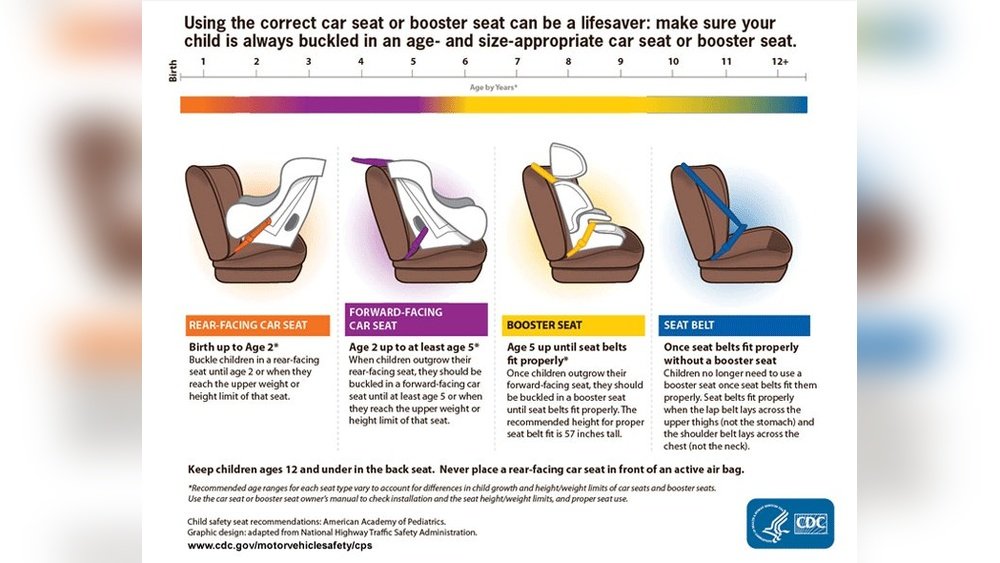
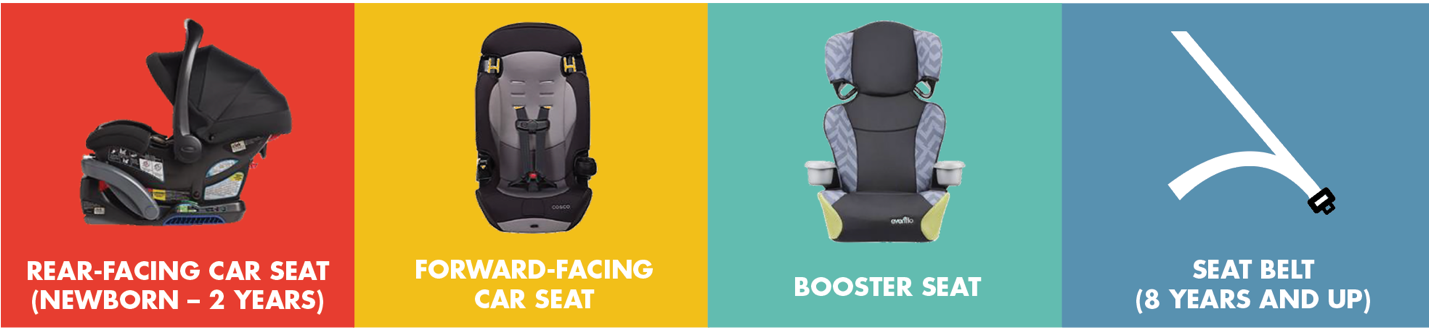
Children under 2 years old must ride in a rear-facing car seat. This position offers the best protection for their heads and necks. Once a child turns 2, they can use a forward-facing car seat with a harness.
Children must stay in a forward-facing seat until they reach 40 pounds. After that, they move to a booster seat until they are big enough for a seat belt. Usually, this means children use a booster seat until they are 8 years old or 4 feet 9 inches tall.
Types Of Car Seats Allowed
California law recognizes three main types of car seats. Rear-facing seats are for infants and toddlers under 2 years or under 40 pounds. Forward-facing seats with harnesses fit children over 2 years old and up to 40 pounds.
Booster seats help older children use regular seat belts safely. These seats raise the child so the seat belt fits correctly over the shoulder and lap. Proper seat belt fit is crucial to avoid injury in crashes.
Credit: www.ots.ca.gov
Proper Car Seat Installation
Proper car seat installation is crucial for your child’s safety. Even the best car seat can fail if it is not installed correctly. Understanding the right way to secure a car seat helps protect your child in a crash. This section explains key points about installation methods and common mistakes.
Using Seat Belts Vs. Latch System
Car seats can be installed using seat belts or the LATCH system. Seat belts are available in all cars and work well when locked tightly. The LATCH system uses special anchors built into most vehicles. It is designed to make installation easier and more secure.
Both methods are safe if used correctly. Check your car seat manual and vehicle guide to choose the best option. Avoid mixing both systems unless the car seat and vehicle allow it.
Common Installation Mistakes
Many parents make errors when installing car seats. One common mistake is a loose installation. The car seat should not move more than one inch side to side or front to back. Another error is incorrect seat belt locking. The belt must be locked tightly without slack.
Also, improper angle of the car seat can cause danger. Rear-facing seats need the right recline to support a baby’s head and neck. Double-check harness straps are snug and placed at the correct height.
Transitioning Between Seats
Changing car seats is a key step in child safety. It keeps children secure and follows the law. Parents must know when to move their child to the next seat type. This helps protect kids during car rides. Understanding the rules helps avoid fines and ensures safety.
From Rear-facing To Forward-facing
Children should stay rear-facing as long as possible. This position protects their head and neck best in a crash. California law requires rear-facing until at least 2 years old. Many safety experts suggest keeping kids rear-facing longer. Once your child outgrows the rear-facing seat’s height or weight limit, it’s time to switch. The forward-facing seat uses a harness to keep them secure. Always follow the car seat manufacturer’s guidelines for weight and height.
When To Use Booster Seats
Booster seats come after forward-facing seats with a harness. Children usually switch to boosters when they outgrow the forward-facing limits. California law says kids need booster seats until 8 years old or 4 feet 9 inches tall. Boosters help seat belts fit children properly. A good seat belt fit lowers injury risk. Never use a booster seat for a child under 4 years old. Always check that the booster fits your child well before use.

Credit: www.molnlyckedjurklinik.se
Legal Penalties And Enforcement
California takes child car seat laws very seriously. The state enforces strict rules to keep children safe in vehicles. Breaking these laws can lead to legal trouble. Understanding the penalties helps parents follow the rules better. Law enforcement officers actively check for compliance during traffic stops and other situations.
Fines For Non-compliance
Drivers who do not use car seats correctly face fines. The first offense may cost around $100. Additional fees and court costs can increase the total amount. Repeat violations lead to higher fines. The law aims to encourage safe practices, not just punish.
How Law Enforcement Checks Compliance
Police officers watch for car seat use during traffic stops. They check if children are in the right seat for their age and size. Officers also look for correct installation of the car seat. If a violation is found, they issue a citation. These checks help ensure children’s safety on the road.
Tips For Choosing The Right Car Seat
Choosing the right car seat is very important for your child’s safety. The right seat keeps your child safe during every ride. It must fit your child’s age, weight, and height. Also, it should match your vehicle’s design for easy installation. This guide helps you pick a safe and suitable car seat.
Safety Ratings To Consider
Check safety ratings before buying a car seat. Look for seats tested by national safety programs. Seats with high crash test scores offer better protection. Choose seats with side-impact protection for extra safety. Also, check for easy-to-use harness systems. A well-rated car seat reduces injury risks in accidents.
Budget-friendly Options
Safe car seats do not always cost too much. Many budget-friendly options meet safety standards. Compare prices and read reviews for good value seats. Look for seats with adjustable features for longer use. Buy from trusted brands to ensure quality. Spending smart saves money and keeps your child safe.
Resources For Parents And Caregivers
Parents and caregivers play a key role in keeping children safe in cars. Knowing the California Car Seat Law is important. This law sets clear rules about how children must be secured. Many resources help adults learn and follow these rules. These tools make car seat use easier and safer for every family.
Where To Get Car Seat Inspections
Car seat inspections help check if a seat is installed correctly. Experts guide parents on how to secure seats properly. Many local fire stations and police departments offer free inspections. Some hospitals and community centers also provide this service. Finding a nearby inspection site is simple online. These inspections reduce risks and boost confidence in car seat safety.
Educational Programs And Workshops
Workshops teach how to use car seats right. They cover choosing the correct seat for each age. Parents learn about weight limits and seat placement. Programs often include hands-on practice with real seats. Many health clinics and schools host these sessions. Attending a workshop makes car seat rules clear and easy to follow.
Credit: www.cosumnescsd.gov
Frequently Asked Questions
What Are The Age Requirements For California Car Seats?
California law requires children under 8 years old to use a car seat or booster. Children under 2 must ride rear-facing unless they weigh 40 pounds or more. This ensures maximum safety based on age and size.
When Can A Child Use A Booster Seat In California?
Children aged 4 to 8 who are under 4 feet 9 inches tall must use a booster seat. This helps position the seatbelt correctly for safety. Booster seats are mandatory until children meet height or age requirements.
Are There Penalties For Violating California Car Seat Laws?
Yes, violating California car seat laws can result in fines up to $500. Repeat offenses may lead to higher fines and points on your driving record. Proper use of car seats is essential to avoid legal consequences.
How Should Car Seats Be Installed According To California Law?
Car seats must be installed following manufacturer instructions and California guidelines. Use either the seatbelt or LATCH system securely. Proper installation greatly reduces injury risk during accidents.
Conclusion
California car seat laws protect your child’s safety on the road. Using the right seat reduces injury risks in crashes. Follow age, height, and weight rules carefully. Regularly check for updates to stay compliant. Keep your child secure every trip.
Simple steps make a big difference. Safety starts with proper car seat use. Stay informed and protect your little ones.
