

Are you struggling to find a car seat that fits perfectly in your tight car space? Choosing the right car seat can feel overwhelming, especially when space is limited.
You want something safe, comfortable, and narrow enough to fit just right without crowding your vehicle. You’ll discover exactly what the narrowest car seat is and why it might be the perfect solution for your needs. Keep reading to find out how to make your rides safer and more comfortable without sacrificing space.
Why Choose A Narrow Car Seat
Choosing a narrow car seat can improve your travel experience. It fits better in tight spaces. It helps keep the car organized and comfortable. Parents with small cars or multiple children find narrow seats very useful. These seats save space without sacrificing safety.
Benefits For Small Vehicles
Narrow car seats fit perfectly in small cars. They take less space on the backseat. This leaves more room for passengers or bags. Small vehicles often have limited space. Narrow seats help use that space well. They make car rides less crowded and more pleasant.
Maximizing Backseat Space
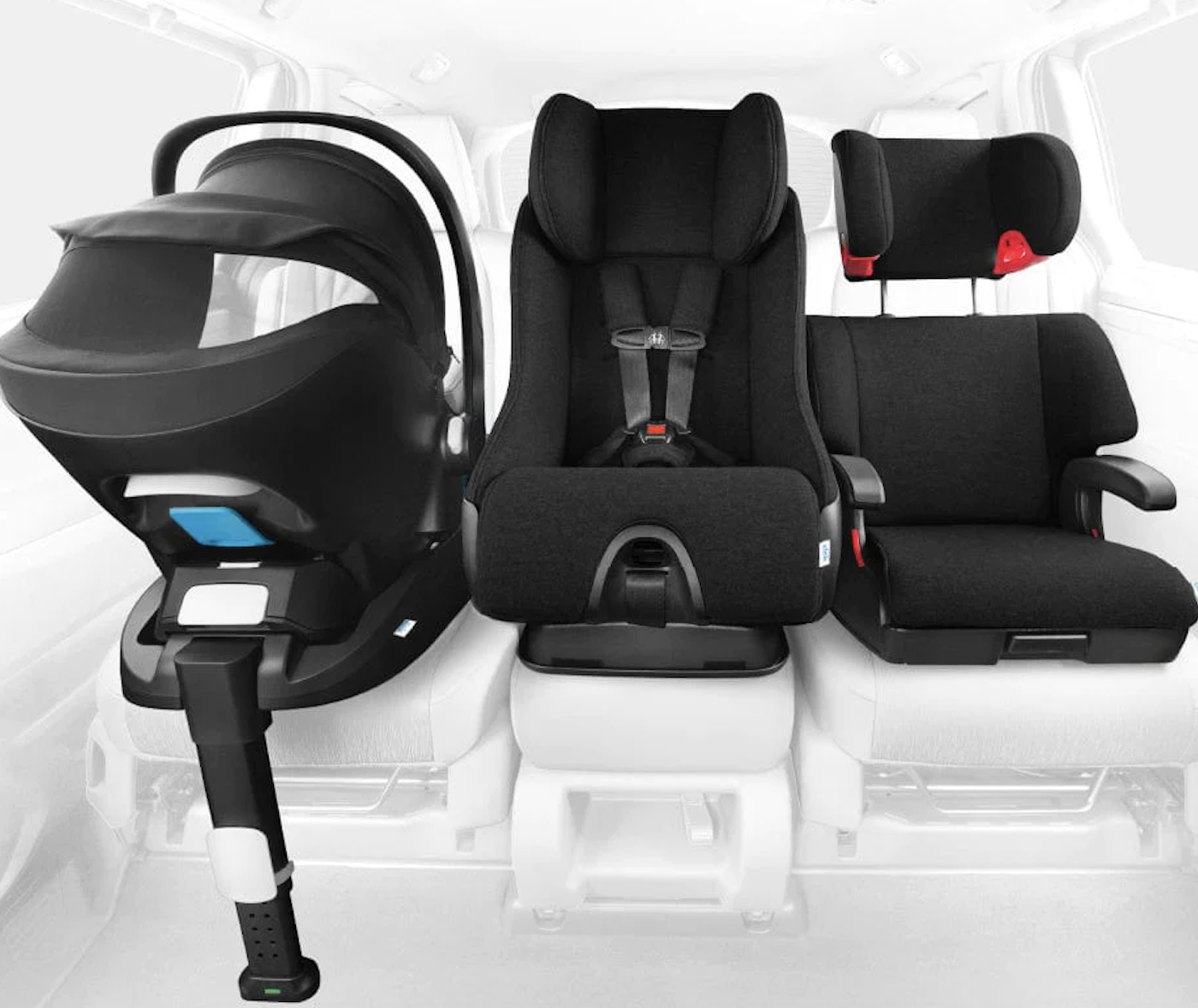
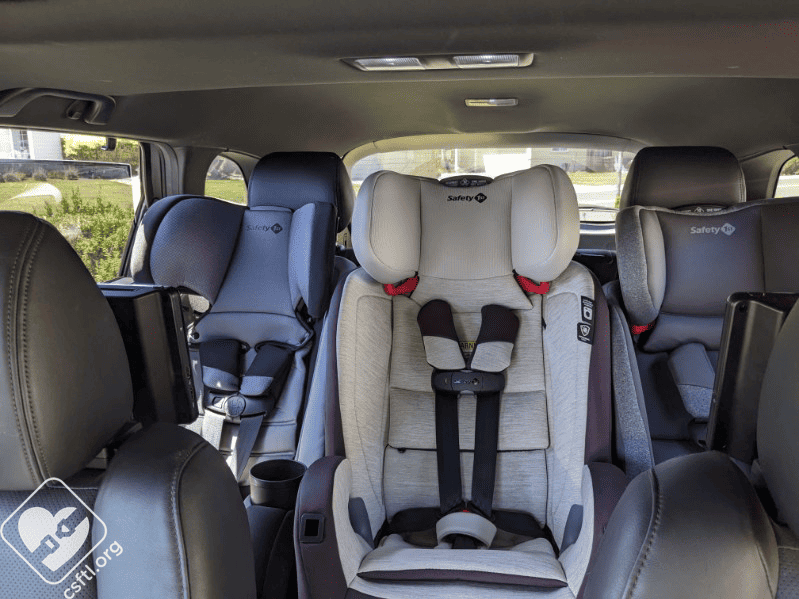
Backseat space is important for families. Narrow car seats allow more children to sit side by side. They create extra room for other items. This space helps keep the car tidy and safe. Parents can fit two or three car seats more easily. It also makes it easier to buckle children in.
Safety Considerations
Narrow car seats meet safety standards like wider seats. They provide strong support and protection. Many models include side impact protection. Proper fit and installation are key. A narrow seat that fits well is safer than a wider one that does not. Always check the seat’s safety ratings before buying.
Credit: www.thecarmomofficial.com
Key Features Of Narrow Car Seats
Narrow car seats offer practical solutions for tight spaces inside vehicles. These seats are designed to fit comfortably without compromising safety or comfort. Understanding their key features helps in choosing the right seat for your car and child.
Compact Dimensions
Narrow car seats have smaller widths than standard seats. They fit well in cars with limited space. This allows more room for other passengers or gear. Compact size does not mean less protection. These seats still meet safety standards.
Lightweight Design
Many narrow car seats use lightweight materials. This makes them easy to carry and move between vehicles. A lighter seat reduces the effort needed for installation. Parents appreciate this feature during travel or daily use.
Ease Of Installation
Narrow car seats often include simple installation systems. Clear instructions and easy buckles make setup quick. This reduces the chance of incorrect installation. Proper installation is crucial for child safety.
Top Narrow Car Seats On The Market
Choosing the right car seat is important for your child’s safety and comfort. Narrow car seats save space in your car. They fit well in smaller vehicles and allow more room for passengers. Many parents prefer narrow seats for their ease of use and space-saving design.
Here are the top narrow car seats on the market. Each type suits different age groups and needs. Find the best option for your child’s stage and your car’s space.
Best For Infants
Infant car seats are lightweight and easy to carry. The narrowest infant seats fit well in tight spaces. They offer good head and neck support for newborns. Many models come with a removable base for quick installation. Look for seats with side impact protection and adjustable harnesses.
Best For Toddlers
Toddler car seats provide more room for growing kids. Narrow toddler seats often convert from infant seats. They keep your child safe during longer rides. These seats usually have adjustable recline positions. Check for padded straps and breathable fabric for comfort.
Best Convertible Options
Convertible car seats grow with your child from infant to toddler. Narrow convertible seats save space without losing safety. They switch between rear-facing and forward-facing modes. Many have easy harness adjustments as your child grows. Choose one with strong side impact protection and durable materials.

Credit: kdfoundation.org
Comparing Narrow Seats By Size And Weight
Choosing the narrowest car seat means checking its size and weight. These two factors affect safety and comfort. Small spaces need seats that fit well. A seat too wide or heavy can cause problems. Comparing seats by width, weight, and adjustability helps find the best option.
Width Measurements
Width is key for narrow car seats. Most narrow seats measure between 16 and 18 inches. Some models go as low as 14 inches. A smaller width fits better in tight spaces. Measure your car seat area before buying. This prevents fitting issues later.
Weight Limits
Weight limits ensure the seat supports your child safely. Narrow seats usually handle weights from 5 to 65 pounds. Some can support up to 100 pounds. Check the seat’s weight range before choosing. It must match your child’s current and future weight.
Adjustability
Adjustability adds comfort and safety to narrow seats. Look for seats with adjustable harnesses and headrests. Recline options help find the best angle. Adjustable seats grow with your child. This saves money and space over time.
Installation Tips For Tight Spaces
Installing a car seat in a tight space can be tricky. Small cars or narrow back seats leave little room for adjustments. Careful planning and proper techniques ensure the car seat fits safely. Follow these simple tips to secure the narrowest car seat correctly.
Positioning Strategies
Place the car seat as close to the vehicle seat back as possible. This reduces movement during travel. Tilt the seat slightly if needed to fit better. Use the recline feature carefully for a snug fit. Check that the seat does not block the door or seatbelt buckle. Adjust the angle to keep your child comfortable and safe.
Using Seat Belt Vs Latch
Both seat belts and LATCH systems secure car seats. Choose the method that fits best in your space. Seat belts often work better in very narrow seats. LATCH anchors might be harder to reach or too far apart. Always read the car seat manual for the recommended option. Tighten the belt or LATCH strap firmly to avoid movement.
Avoiding Common Mistakes
Do not install the car seat loosely. A loose seat can shift and cause danger. Avoid twisting the seat belt or straps during installation. Check for any gaps between the car seat and vehicle seat. Do not place heavy items next to the car seat. Regularly inspect the installation to maintain safety over time.
Credit: csftl.org
Maintaining And Cleaning Narrow Car Seats
Narrow car seats need regular care to stay clean and last long. Dirt and spills can damage the fabric and padding. Clean seats keep your car fresh and safe for passengers. Simple steps help maintain these compact seats easily.
Removable Covers
Many narrow car seats have covers you can take off. Removing covers makes cleaning easier. Wash covers with mild detergent and cold water. Let them air dry to avoid shrinking. Always check the care label for washing instructions.
Spot Cleaning Techniques
Spills and stains happen fast. Use a damp cloth and mild soap to spot clean. Gently rub the stained area without soaking the seat. Avoid harsh chemicals that can damage fabric or foam. Dry the spot with a clean towel after cleaning.
Routine Inspections
Check your narrow car seat often for wear and tear. Look for loose seams, broken parts, or dirt buildup. Early fixes stop small problems from growing. Regular inspections keep your seat safe and comfortable for travel.
Frequently Asked Questions
What Defines The Narrowest Car Seat?
The narrowest car seat is designed with a slim profile to fit tight spaces. It allows more room in compact cars or multiple-seat setups without compromising safety or comfort.
Which Car Seats Are Best For Small Cars?
Car seats with slim designs and compact bases are ideal. Look for models labeled as “narrow” or “compact,” which maximize space without sacrificing safety features.
Are Narrow Car Seats Safe For Toddlers?
Yes, narrow car seats meet all safety standards. They provide proper restraint and protection while fitting smaller spaces, ensuring safety without bulkiness.
How Do Narrow Car Seats Improve Vehicle Space?
They reduce seat width, creating extra room for passengers or cargo. This is especially helpful in cars with limited interior space or multiple child passengers.
Conclusion
Choosing the narrowest car seat helps save space inside your vehicle. It fits well in small cars or tight spots. These seats offer comfort without bulk. Safety remains a top priority, even in compact designs. Check the measurements before buying to ensure a perfect fit.
The right narrow car seat makes travel easier and more comfortable. It supports your child’s safety and your car’s space needs. Simple choices can lead to smoother trips every time.
