
Your car seats face spills, dirt, and everyday wear that can quickly make them look tired and worn out. You might wonder, what’s the best way to clean them without causing damage?
Choosing the right cleaner is key to keeping your seats fresh and lasting longer. You’ll discover simple, effective options for cleaning your car seats—whether they’re fabric, leather, or vinyl. Keep reading to learn exactly what to clean your car seats with and bring back that just-like-new feeling every time you step inside.
Types Of Car Seat Materials
Car seats come in different materials. Each type needs special care. Knowing the material helps pick the right cleaner. This keeps seats fresh and lasting longer.
Fabric Seats
Fabric seats are soft and common. Dirt and stains stick easily. Use a gentle cleaner made for fabric. Avoid soaking the seat to prevent damage. A soft brush helps remove dirt well.
Leather Seats
Leather seats look classy and feel smooth. They need a cleaner that is gentle and moisturizing. Harsh chemicals can dry and crack leather. Use a soft cloth to clean and a conditioner to keep leather supple.
Vinyl Seats
Vinyl is easy to clean and water-resistant. Use mild soap and water for cleaning. Avoid harsh scrubbing to protect the surface. A soft cloth or sponge works best. Vinyl can crack if not cared for properly.
Synthetic And Alcantara Seats
Synthetic seats include materials like Alcantara. Alcantara feels like suede and is soft to touch. Use special cleaners made for synthetics. Avoid water soaking as it can leave marks. A gentle brush can lift dirt from the fabric.
Common Stains And Their Challenges
Car seats face many types of stains every day. Each stain has its own difficulty level and cleaning needs. Knowing the common stains helps in choosing the right cleaning method. Some stains soak deep, while others leave marks on the surface. Understanding these challenges saves time and effort.
Food And Drink Spills
Food and drink spills are the most common car seat stains. They can leave sticky patches or wet spots. Sugary drinks attract dirt and bugs. Some foods cause strong odors. Quick cleaning is best to prevent lasting damage.
Pet Hair And Dander
Pets leave hair and dander on car seats. Hair sticks to fabric and can be hard to remove. Dander causes allergies and smells bad. Regular vacuuming helps, but deep cleaning may be needed sometimes.
Grease And Oil Spots
Grease and oil stains come from hands or tools. These stains soak into fabric and feel slippery. They can darken the seat and attract more dirt. Special cleaners work better on greasy spots.
Ink And Dye Stains
Ink and dye stains are tough to remove. They spread quickly and can ruin the seat color. These stains need careful treatment to avoid damage. Using the right cleaner is important to lift ink without harm.
Essential Cleaning Supplies
Cleaning car seats requires the right supplies. Using the proper tools makes the job easier and more effective. Knowing what to use helps protect your seats and keeps them looking fresh. Below are the essential supplies needed for different types of car seats.
Cleaning Solutions For Different Materials
Car seats come in various materials like leather, fabric, and vinyl. Choose cleaning solutions made for each type. Leather needs gentle cleaners to avoid damage. Fabric seats require stain removers or mild soaps. Vinyl seats clean well with diluted dish soap or special vinyl cleaners. Always test a small area first.
Brushes And Cloths
Soft-bristled brushes help lift dirt from fabric seats. Use stiff brushes carefully on durable seats only. Microfiber cloths are best for wiping and drying. They trap dirt without scratching surfaces. Avoid rough towels that can damage the material.
Vacuum And Steam Cleaners
A vacuum removes dust and crumbs before cleaning. Use attachments to reach tight spaces. Steam cleaners sanitize and lift deep stains. They work well on fabric and some vinyl seats. Steam cleaning also helps remove odors without chemicals.
Protective Gloves And Masks
Wear gloves to protect your skin from harsh chemicals. Masks help avoid inhaling fumes from cleaners. Both keep you safe during the cleaning process. Choose disposable gloves and masks for easy cleanup.
Credit: www.youtube.com
Cleaning Fabric Car Seats
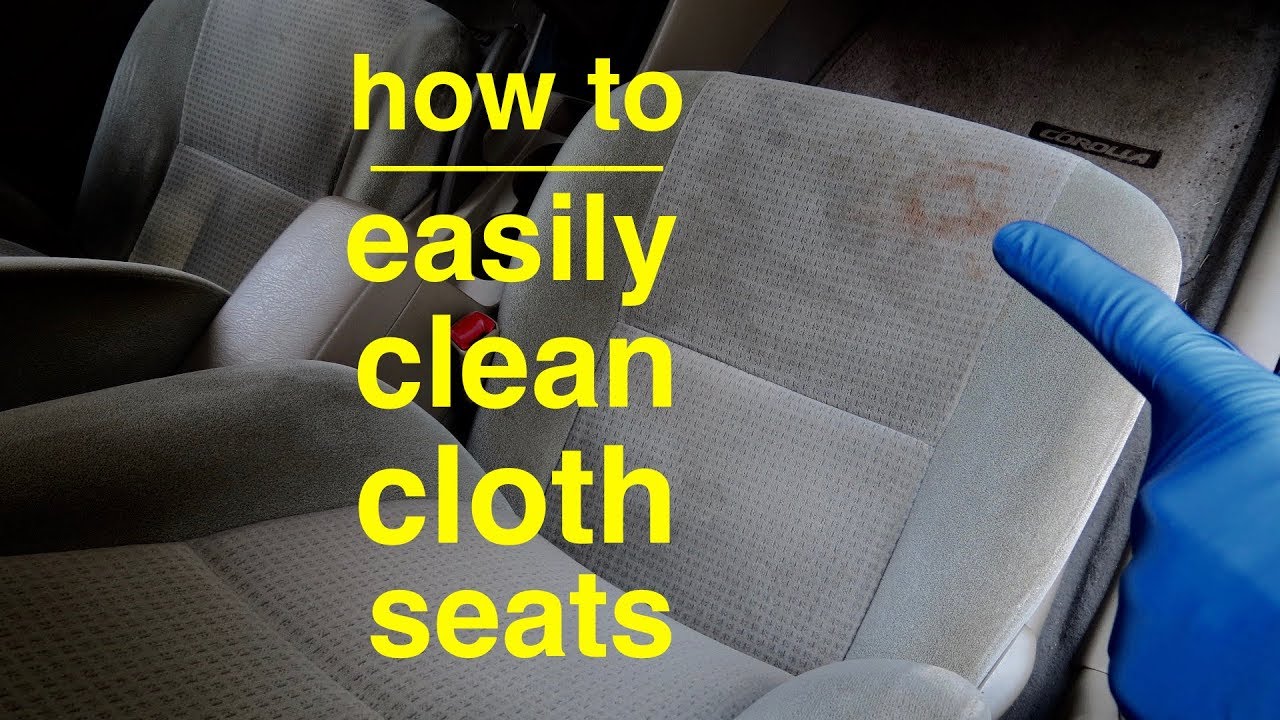
Fabric car seats need regular cleaning to stay fresh and last longer. Dirt, dust, and spills can make seats look old and worn out. Cleaning fabric seats is easy with the right tools and methods. This guide shows simple steps to keep your car seats clean and comfortable.
Vacuuming And Pre-treatment
Start by vacuuming the seats to remove loose dirt and crumbs. Use a brush attachment to reach seams and corners. This prevents dirt from spreading during cleaning. Next, spot-treat any stains with a mild fabric cleaner. Let the cleaner sit for a few minutes to break down dirt before scrubbing.
Using Upholstery Cleaners
Choose an upholstery cleaner made for fabric car seats. Spray the cleaner evenly over the seat surface. Use a soft brush to gently scrub in circular motions. Work on small sections at a time for better results. Wipe away extra moisture with a clean cloth.
Dealing With Deep Stains
Deep stains need extra attention. Apply a stronger stain remover designed for fabric seats. Let it soak for about 10 minutes. Use a stiff brush to scrub the stain gently. Repeat if necessary but avoid over-wetting the fabric. Blot with a clean towel to absorb excess moisture.
Drying Tips
Dry the seats quickly to avoid mold and odors. Keep car doors open or windows down for airflow. Use fans to speed up drying if possible. Avoid direct sunlight, which can fade fabric color. Make sure seats are fully dry before using the car again.
Cleaning Leather Car Seats
Leather car seats add style and comfort to any vehicle. They need special care to keep their look and feel. Cleaning leather seats requires the right products and gentle methods. The goal is to remove dirt without hurting the leather’s surface. Proper care also helps prevent cracks and fading over time.
Choosing The Right Leather Cleaner
Select a cleaner made specifically for leather. Avoid harsh chemicals or household cleaners. These can dry out or damage the leather. Look for pH-balanced, gentle formulas. Test the cleaner on a small hidden spot first. This helps ensure it won’t discolor or harm the leather.
Gentle Cleaning Techniques
Use a soft cloth or sponge to clean the seats. Dampen it slightly with the leather cleaner. Wipe the surface gently in small circles. Avoid scrubbing hard, which can scratch the leather. Clean one section at a time to control moisture. Dry the seats with a clean, dry cloth after cleaning.
Conditioning Leather After Cleaning
Apply a leather conditioner to keep the seats soft. Conditioning restores moisture and protects against drying. Use a small amount and spread it evenly with a cloth. Let the conditioner soak in before using the car. Regular conditioning helps maintain the leather’s natural shine.
Avoiding Damage And Cracking
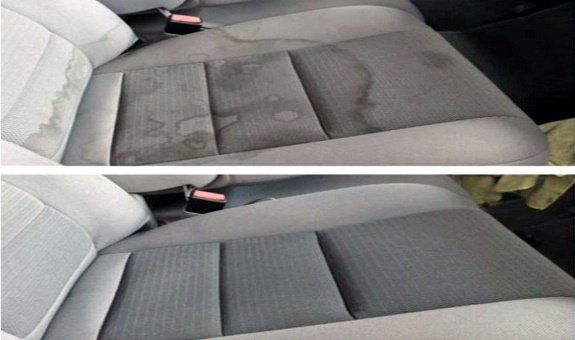
Do not expose leather seats to direct sunlight for long. Sunlight causes fading and drying, which leads to cracks. Avoid using too much water or cleaner. Excess moisture weakens the leather fibers. Clean and condition your seats every few months. This routine helps keep leather strong and smooth.
Credit: www.veishop.com
Cleaning Vinyl And Synthetic Seats
Vinyl and synthetic car seats are popular for their durability and easy maintenance. These seats need gentle care to stay clean and last longer. Proper cleaning keeps them looking fresh and prevents damage. Using the right products helps protect the material and color. Dirt, spills, and stains can be removed without harsh scrubbing or chemicals. Follow simple steps to keep these seats in great shape.
Safe Cleaning Agents
Use mild soap mixed with warm water for cleaning vinyl seats. Avoid bleach or ammonia-based cleaners. These can cause cracking and fading. A soft cloth or sponge works well to wipe down surfaces. Specialized vinyl cleaners are also safe and effective. Test any cleaner on a small hidden area first. This prevents unexpected damage or discoloration.
Removing Tough Stains
For stubborn stains, use a mixture of baking soda and water. Make a paste and apply gently with a soft brush. Let it sit for a few minutes before wiping off. Rubbing alcohol on a cotton ball can remove ink or grease spots. Avoid scrubbing hard to protect the seat’s texture. Repeat the process if the stain remains after the first attempt.
Maintaining Seat Shine
After cleaning, use a vinyl protectant to restore shine. It also adds a layer of protection against UV rays. Apply the protectant with a clean cloth in small amounts. Buff the seat lightly to avoid sticky residue. Regular use helps keep seats looking new. It prevents drying and cracking over time.
Preventative Care
Keep dirt and spills off seats by wiping them quickly. Use seat covers during messy trips or bad weather. Park in shaded areas to reduce sun damage. Clean seats regularly to stop buildup of grime. Small steps can save money on repairs later. Consistent care extends the life of vinyl and synthetic seats.
Diy Cleaning Remedies
Cleaning car seats at home saves money and avoids harsh chemicals. DIY remedies use common household items. They work well on fabric and leather seats. These methods are simple, safe, and effective. Try these easy solutions to keep your car seats fresh and clean.
Baking Soda Solutions
Baking soda is great for removing odors and stains. Sprinkle it on the seats and let it sit for 15 minutes. Then, vacuum it up. For stains, mix baking soda with water to make a paste. Apply the paste to the stain and scrub gently. Wipe clean with a damp cloth.
Vinegar And Water Mixes
White vinegar cuts grease and kills bacteria. Mix equal parts vinegar and water in a spray bottle. Lightly spray the solution on the seats. Use a soft brush to scrub gently. Wipe with a clean, damp cloth to remove residue. Vinegar also helps remove unpleasant smells.
Using Dish Soap And Warm Water
Dish soap breaks down dirt and grime easily. Add a few drops of mild dish soap to warm water. Dip a soft cloth into the solution and wring it out. Gently scrub the car seats to remove dirt. Wipe the seats with a clean, damp cloth to rinse.
Essential Oils For Freshness
Essential oils add a fresh scent and fight bacteria. Add a few drops of lavender or tea tree oil to water. Spray lightly on the seats after cleaning. Avoid using too much oil to prevent stains. This method keeps your car smelling clean and fresh.
Professional Cleaning Services
Professional cleaning services offer a deep and thorough clean for car seats. Experts use special tools and products to remove dirt, stains, and odors. This service saves time and effort and often brings better results than home cleaning methods.
When To Seek Experts
Choose professional cleaning if stains are tough or old. If seats smell bad or have mold, call a service. When fabric or leather looks worn or dirty, experts can restore it. Professionals handle delicate materials without damage.
Benefits Of Professional Cleaning
Experts remove dirt deep inside the seat fabric. They use safe cleaners that protect your car’s interior. Cleaning by professionals can extend the life of your seats. It also improves your car’s overall look and value.
Cost Considerations
Prices vary by car size and seat material. Basic cleaning costs less than deep stain removal. Think of it as an investment in your car’s upkeep. Compare prices and services before deciding.
Finding Reliable Services
Check reviews and ask for recommendations. Look for companies with experience in car seat cleaning. Ensure they use eco-friendly and safe cleaning products. Clear communication about services and prices is essential.
Preventing Future Stains
Preventing future stains on car seats saves time and effort later. Clean seats look fresh and keep your car smelling nice. Taking small steps helps protect your seats from dirt and spills. Follow these tips to keep your car seats clean longer.
Seat Covers And Protectors
Seat covers add a strong layer of protection. They catch spills and dirt before reaching the fabric. Choose covers that fit your seats well. Waterproof covers work best for families and pets. Remove and wash covers regularly to keep them fresh.
Regular Maintenance Routines
Clean your car seats often to avoid tough stains. Vacuum seats weekly to remove dust and crumbs. Wipe seats with a damp cloth to clear light dirt. Regular cleaning stops stains from setting deep into the fabric. Consistency keeps seats looking new and fresh.
Quick Spot Cleaning Tips
Act fast when spills happen. Blot liquids with a clean cloth—do not rub. Use mild soap and water for small stains. Test cleaners on a hidden spot first. Quick cleaning prevents stains from becoming permanent marks.
Avoiding Common Mistakes
Do not use harsh chemicals on car seats. Avoid soaking seats with too much water. Rubbing stains hard can damage seat fabric. Skip colored cloths that may bleed on seats. Follow care instructions to keep seats safe and clean.

Credit: www.kiaoflagrange.com
Frequently Asked Questions
What Is The Best Cleaner For Car Seats?
The best cleaner depends on the seat material. Use a fabric cleaner for cloth seats and a leather cleaner for leather seats. Always test the cleaner on a small area first to avoid damage.
Can I Use Household Products To Clean Car Seats?
Yes, mild household products like vinegar and baking soda work well on fabric seats. Avoid harsh chemicals on leather, as they can cause damage and drying.
How Often Should I Clean My Car Seats?
Clean your car seats every 1-3 months to maintain appearance and hygiene. Frequent cleaning prevents stains, odors, and wear, extending the life of your seats.
Is It Safe To Use Water On Car Seats?
Water is safe for fabric seats but use it sparingly. For leather, avoid excess water and use a damp cloth with a suitable cleaner instead.
Conclusion
Cleaning car seats keeps your vehicle fresh and inviting. Use gentle cleaners suited for your seat type. Always test a small area first to avoid damage. Regular cleaning stops stains from setting in. Soft brushes and cloths work best for scrubbing.
Dry seats well to prevent mold and odors. Simple steps make a big difference over time. Keep your car looking neat with easy care. Clean seats help you enjoy every drive more. Try these tips and see the results yourself.
