
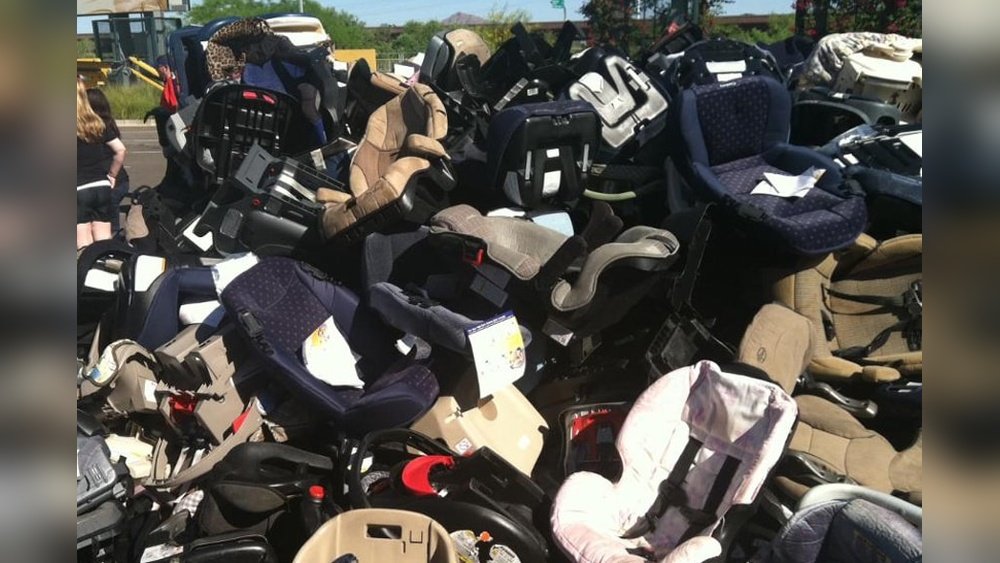
What do you do when your car seats are old, damaged, or no longer fit your style? Maybe you’re wondering if you should toss them out, sell them, or try something creative.
Your car seats are more than just a place to sit—they can be a source of comfort, safety, and even style. You’ll discover smart, practical, and surprising ideas for what to do with your car seats. Whether you want to save money, help the environment, or give your car a fresh look, you’ll find tips that make a real difference.
Keep reading to unlock the best solutions for your car seats right now.
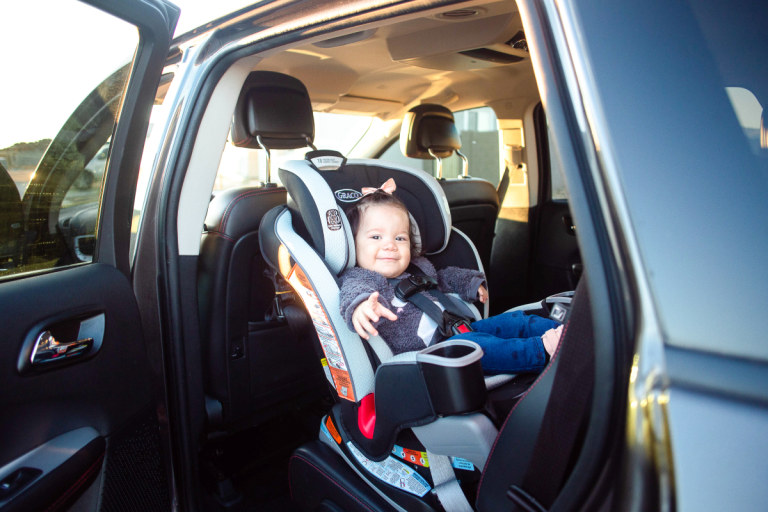
Credit: www.babylist.com
Assessing Car Seat Condition
Assessing the condition of a car seat is essential before using, donating, or selling it. A safe car seat protects children during travel. Checking its condition helps avoid risks from old or damaged seats. Follow these steps to ensure the car seat is still safe and reliable.
Check Expiration Dates
Car seats have expiration dates printed on them. This date shows when materials may start to weaken. Using a seat past its expiration can be unsafe. Look for a label or molded date on the seat base or back. If the seat is expired, do not use or give it away.
Inspect For Damage
Look closely for cracks, broken parts, or missing pieces. Check the harness straps for fraying or wear. Test the buckles to make sure they latch securely. Damage can reduce the seat’s protection in a crash. Avoid using a seat with any visible damage.
Review Safety Recalls
Manufacturers sometimes recall car seats for safety issues. Visit the brand’s website or government recall sites to check. Enter the seat’s model number and manufacture date. If the seat has a recall, follow instructions for repair or replacement. Never use a seat with an unresolved recall.
Options For Reusing Car Seats
Car seats do not have to end their life in the trash. There are many ways to reuse them. This helps save money and reduce waste. Reusing car seats can be simple and creative.
Below are some options for reusing car seats. These ideas give old seats a second life and keep them useful.
Passing To Family Or Friends
One easy way to reuse a car seat is by passing it on. Family or friends with young children might need one. Make sure the seat is still safe and not expired. Sharing a car seat helps others save money and reduces waste.
Repurposing As Household Items
Old car seats can become useful items around the house. Use the padding for pet beds or cushions. The straps can help secure items in storage. The frame can be part of a garden chair. These ideas give new life to old parts.
Crafting With Old Car Seats
Creative people can turn car seats into crafts. Use fabric and foam for DIY projects. Make unique bags or toys from the materials. Crafting helps recycle parts and makes fun new items. It is a good way to reuse car seats and enjoy creating.
Selling And Donating Car Seats
Selling or donating a car seat is a smart way to give it a second life. It helps others save money and reduces waste. Before passing on your car seat, check its condition and safety. Only seats that are not expired or damaged should be shared. This keeps children safe and buyers or recipients happy.
Where To Sell Safely
Choose trusted platforms to sell your car seat. Online marketplaces like Facebook Marketplace, Craigslist, and eBay are popular options. Meet buyers in public places to ensure safety. Be honest about the car seat’s age and condition. Provide clear photos and details to build trust. Avoid selling seats with missing parts or recalls. Always follow local laws about selling used car seats.
Donation Guidelines
Donating a car seat requires following strict rules. Most programs only accept seats less than six years old. The seat must have no visible damage or missing pieces. Clean the seat before donating. Remove any personal items or stickers. Check if the seat has a recall and fix it if possible. Some organizations do not accept used car seats for safety reasons. Call ahead to confirm their rules.
Organizations Accepting Car Seats
Many charities accept car seats in good condition. Local fire departments often run car seat programs. They may offer free installation checks too. Women’s shelters and community centers sometimes need car seats. Safe Kids Worldwide supports car seat donation programs. Habitat for Humanity ReStores accept car seats in some areas. Contact these groups to learn their donation process.

Credit: saferide4kids.com
Recycling Car Seats Responsibly
Recycling car seats responsibly helps protect the environment. Car seats contain many materials that can be reused. Throwing them in the trash wastes valuable resources and harms nature. Proper recycling also keeps harmful chemicals out of landfills. It takes a little effort but makes a big difference.
Local Recycling Programs
Many towns offer special recycling programs for car seats. These programs accept old seats and ensure safe recycling. Check your city or county website for details. Some places hold recycling events for bulky items. Drop off your car seat at these locations to recycle it right. This method supports local waste management and community health.
Specialized Recycling Centers
Some recycling centers specialize in car seats and plastics. They separate metal, foam, and fabric for reuse. These centers follow strict rules to handle car seats safely. Search online for nearby specialized centers. This option guarantees your car seat gets recycled properly. It helps reduce landfill waste and recovers useful materials.
Preparing Seats For Recycling
Remove all fabric covers and padding before recycling. Check for metal parts like buckles and straps. Some programs ask you to cut harness straps to prevent reuse. Clean the seat from dirt and debris. Follow local guidelines for preparation steps. Proper preparation speeds up recycling and improves safety.
Safety Considerations When Reusing
Reusing car seats can save money and reduce waste. Safety must be the top priority. Old or damaged seats can put children at risk. Checking the seat’s condition and rules is essential before reuse.
Avoiding Expired Or Damaged Seats
Car seats have expiration dates. Plastic and fabric weaken over time. Using expired seats can be dangerous. Check the label for the date of manufacture. Inspect for cracks, frayed straps, or broken parts. Do not use seats involved in crashes. Even small accidents can harm safety.
Compliance With Safety Standards
Car seats must meet safety laws. Look for labels showing approval by safety agencies. Standards vary by country, so check local rules. Using seats without certification may not protect children. Keep updated on changes to safety laws. Older seats may not meet new standards.
Proper Installation Tips
Incorrect installation reduces a car seat’s protection. Follow the instruction manual closely. Secure the seat tightly using seat belts or LATCH systems. The seat should not move more than one inch side to side. Adjust harness straps to fit snugly on the child. Regularly check for secure placement and wear.
Environmental Impact Of Disposal
Car seats are bulky and made from many materials. Throwing them away without care harms the environment. They take up space in landfills and do not break down easily. Chemicals and plastics inside can leak out and pollute soil and water. Proper disposal helps reduce this damage and protects nature.
Waste Reduction Benefits
Recycling car seats lowers the amount of trash sent to landfills. It saves space and cuts pollution from waste buildup. Less trash means fewer problems for communities and wildlife. Reducing waste helps keep the earth cleaner and safer for everyone.
Materials Recovered From Recycling
Car seats contain metal, plastic, and fabric. Recycling separates these parts for reuse. Metals can be melted and made into new products. Plastics get processed into useful materials. Fabrics may be turned into insulation or other items. This reuse saves energy and raw materials.
Reducing Landfill Contributions
Discarded car seats fill landfill space quickly. They take decades to break down. Chemicals inside can harm plants and animals near landfills. Recycling cuts the number of car seats thrown away. This helps landfills last longer and reduces pollution risks.

Credit: goodbuygear.com
Frequently Asked Questions
How Can I Safely Dispose Of Old Car Seats?
You can recycle old car seats at designated centers. Many local waste facilities accept them. Avoid throwing car seats in regular trash due to safety and environmental concerns.
What Are The Best Ways To Donate Used Car Seats?
Donate only if the car seat is in good condition and not expired. Check local charities, shelters, or community centers. Ensure the seat meets current safety standards before donating.
Can Car Seats Be Repurposed For Home Use?
Yes, car seats can be turned into baby swings or pet beds. Make sure to clean thoroughly and remove any hazardous parts before repurposing.
When Should I Stop Using A Car Seat For My Child?
Stop using a car seat when your child exceeds height or weight limits. Check manufacturer guidelines for specific limits. Transition to booster seats or seat belts accordingly.
Conclusion
Car seats can serve many purposes beyond travel safety. Donate them to families in need or recycle for materials. Some seats turn into furniture or pet beds. Always check safety rules before reuse. Proper disposal helps the environment and others.
Choose the option that fits your needs best. Small actions make a big difference. Keep safety and care in mind at all times.
