
Your leather car seats add a touch of luxury and comfort to every drive. But keeping them looking new isn’t always easy.
Using the wrong products can cause damage or dull their shine. You want to protect your investment and keep your seats soft, clean, and fresh. You’ll discover exactly what to use on leather car seats to maintain their beauty and durability.
Keep reading to learn simple, effective tips that will make your leather seats feel like new every time you get behind the wheel.
Choosing The Right Cleaner
Choosing the right cleaner for leather car seats is important. The wrong cleaner can damage the leather or make it look dull. A good cleaner protects the leather and keeps it soft. It also helps to remove dirt and stains without causing harm. Knowing what types of cleaners to use makes a big difference in leather care.
Types Of Leather Cleaners
Leather cleaners come in many forms. There are sprays, liquids, wipes, and foams. Each type works well for different needs. Sprays and liquids are easy to apply evenly. Wipes are quick for small spots. Foam cleaners often give a gentle clean. Choose a type that fits how often you clean and the size of the job.
Natural Vs. Synthetic Options
Natural leather cleaners use plant oils and mild ingredients. They are gentle and safe for most leather types. Synthetic cleaners have man-made chemicals. They can clean deeply but may dry out leather over time. Natural cleaners usually keep leather softer and last longer. Consider natural products for regular care and synthetic ones for tough stains.
Avoiding Harsh Chemicals
Harsh chemicals can ruin leather fast. Avoid cleaners with ammonia, bleach, or alcohol. These ingredients strip oils from leather, making it dry and cracked. Strong detergents also harm the finish. Always check the label before buying. Use only products made for leather to keep seats looking good and lasting longer.
/how-to-clean-leather-car-seats-5204366-07-c3e3dbdf4eef4c3cad5c8de095d0b54d.JPG)
Credit: www.thespruce.com
Preparing Leather Seats
Preparing leather seats is the first step to keep them clean and lasting longer. It helps avoid damage and keeps the leather soft and fresh. Taking time to prepare the seats makes cleaning easier and more effective.
Removing Dust And Debris
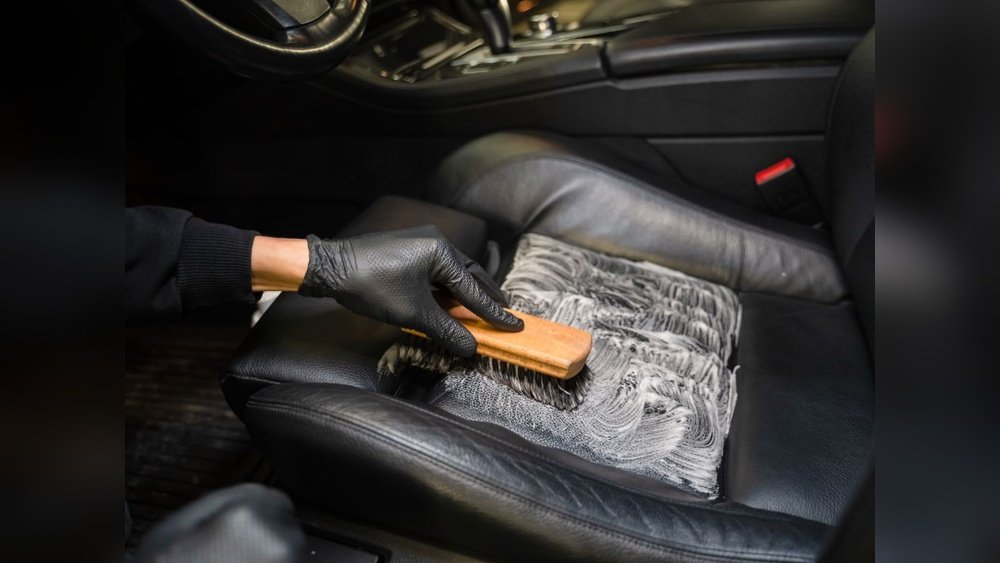
Start by removing loose dust and dirt from the seats. Use a soft brush or a vacuum with a brush attachment. Gently clean the entire surface, including seams and crevices. This prevents dirt from scratching the leather during cleaning.
Spot Testing Products
Test any cleaning product on a small, hidden area first. This ensures the product won’t change the color or damage the leather. Wait a few minutes to see any reaction before using it on the whole seat. Spot testing protects your leather from harm.
Gentle Cleaning Techniques
Use a soft cloth or sponge with mild cleaner to clean leather seats. Avoid harsh scrubbing to prevent scratches and wear. Wipe in circular motions to lift dirt gently. Always use minimal water to keep leather dry and safe.
Applying Conditioner
Applying conditioner to leather car seats keeps them soft and strong. It stops the leather from drying out and cracking. Regular conditioning helps your seats look new for a long time. It also adds a layer of protection against spills and dirt.
Benefits Of Conditioning
Conditioning leather makes it flexible and smooth. It prevents fading and damage from sun exposure. The conditioner nourishes the leather, keeping it from becoming brittle. It helps maintain the seat’s original color and shine. Conditioned leather feels comfortable and looks clean.
Best Conditioners For Car Leather
Choose conditioners made for automotive leather. Look for products with natural oils and waxes. Avoid harsh chemicals that can harm leather. Popular options include mink oil, lanolin, and silicone-based conditioners. Test any product on a small seat area first.
Proper Application Methods
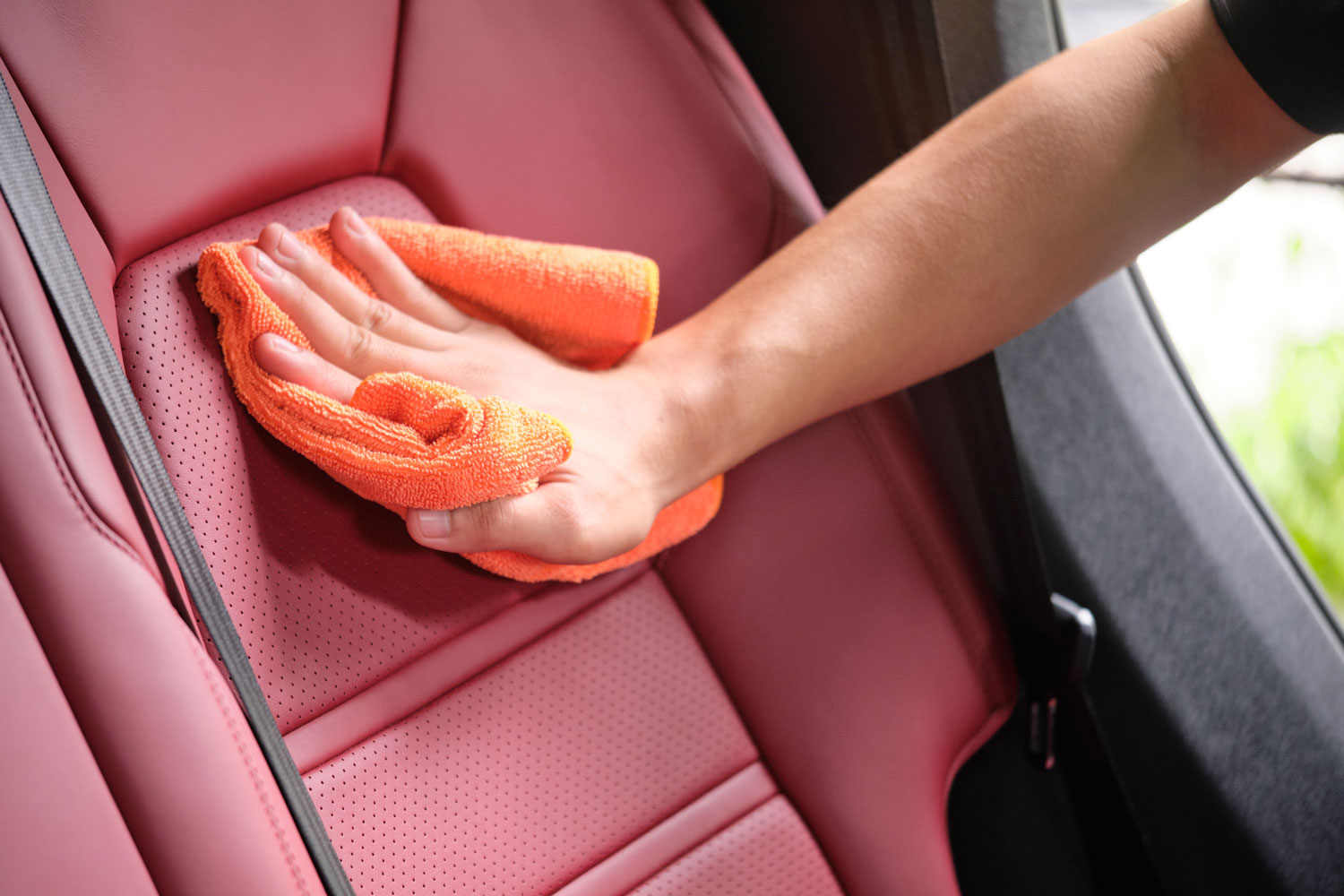
Start with clean, dry seats before applying conditioner. Use a soft cloth or sponge to apply evenly. Apply a thin layer, rubbing gently in circles. Allow the conditioner to absorb for at least 20 minutes. Wipe off any extra product with a dry cloth. Repeat conditioning every 3-6 months for best care.
:max_bytes(150000):strip_icc()/how-to-clean-leather-car-seats-5204366-hero-a9e1643de2804141afa2639918981c29.JPG)
Credit: www.thespruce.com
Maintaining Shine And Softness
Maintaining the shine and softness of leather car seats keeps your vehicle looking fresh and feeling comfortable. Proper care helps the leather last longer and prevents cracks or fading. Using the right products and methods protects the leather from damage and keeps it supple.
Regular Cleaning Schedule
Clean your leather seats every two weeks to remove dirt and oils. Use a soft cloth and a cleaner made for leather. Avoid harsh soaps or chemicals that can dry out the leather. Wipe gently and do not soak the leather. This routine keeps the surface smooth and shiny.
Protecting Against Sun Damage
Sunlight can dry and fade leather quickly. Park in shaded areas or use sunshades to reduce direct sunlight. Apply a leather conditioner with UV protection every few months. This helps keep the leather soft and prevents cracking from the heat.
Avoiding Common Mistakes
Do not use household cleaners like bleach or ammonia on leather. Avoid scrubbing hard or using rough brushes. Never use too much water as it can stain or damage the leather. Skip products not made for leather care to keep your seats safe and beautiful.
Diy Remedies For Leather Care
DIY remedies for leather care offer simple ways to keep your car seats clean and soft. These methods use items you likely have at home. They save money and avoid harsh chemicals. Caring for leather regularly helps it last longer and stay beautiful.
Homemade Cleaning Solutions
Mix equal parts of water and white vinegar for a gentle cleaner. Use a soft cloth to apply it to the leather. Wipe off dirt and stains carefully. Avoid soaking the leather. Another option is mild dish soap with water. Dip a cloth, wring it well, and clean the seats. Dry with a clean towel to prevent water marks.
Natural Oils And Waxes
Natural oils like coconut or olive oil can condition leather. Apply a small amount with a soft cloth. Rub gently in circular motions. Waxes such as beeswax protect leather from drying out. Use a tiny bit and buff the surface lightly. These natural products keep leather soft and shiny without harmful chemicals.
Precautions When Using Diy Methods
Test any solution on a small, hidden area first. Watch for color change or damage. Avoid using too much water or oil. Excess moisture can cause stains or mold. Do not use harsh cleaners like bleach or ammonia. These can ruin the leather’s surface. Always use soft cloths to prevent scratches.
Credit: www.capitalone.com
Frequently Asked Questions
What Is The Best Cleaner For Leather Car Seats?
Use a pH-balanced leather cleaner designed specifically for car seats. Avoid harsh chemicals that can dry or damage leather. Always test the cleaner on a small area first to ensure it does not cause discoloration or damage.
How Often Should I Condition Leather Car Seats?
Condition leather car seats every 3 to 6 months. Regular conditioning keeps the leather soft and prevents cracks. Adjust frequency based on climate and seat usage to maintain the leather’s appearance and durability.
Can I Use Household Products On Leather Car Seats?
Avoid household cleaners like vinegar or ammonia on leather car seats. These products can strip natural oils and cause drying or cracking. Stick to products made for leather care to ensure safe and effective cleaning.
How Do I Protect Leather Car Seats From Sun Damage?
Use a leather conditioner with UV protection to shield seats from sun damage. Park in shaded areas or use sunshades to reduce direct sunlight exposure. Regular maintenance helps prevent fading and cracking caused by UV rays.
Conclusion
Caring for leather car seats keeps them soft and strong. Use gentle cleaners made for leather to avoid damage. Always apply a good conditioner to keep the leather smooth. Clean spills quickly to stop stains from setting. Regular care makes your seats look new for years.
Protecting leather saves money on repairs later. Easy steps, big results. Your car feels nicer, and the leather lasts longer. Simple habits make a big difference every day.
