
Choosing the right weight for a forward facing car seat is one of the most important decisions you’ll make for your child’s safety. You want to be sure your little one is secure and comfortable every time they ride in the car.
But with so many options and confusing guidelines, it’s easy to feel overwhelmed. Don’t worry—this article will clear up the confusion and help you understand exactly when your child is ready to move forward facing. Keep reading to make the best choice for your child’s protection and your peace of mind.
Choosing Forward Facing Car Seats
Choosing the right forward facing car seat is important for your child’s safety. Seats have limits that match your child’s size and age. Knowing these limits helps pick the best seat. This keeps your child safe and comfortable during every trip.
Forward facing seats come in different types. Each type fits different weights and heights. Understanding these options makes the choice easier. Always check the seat’s rules before buying.
Weight Limits Explained
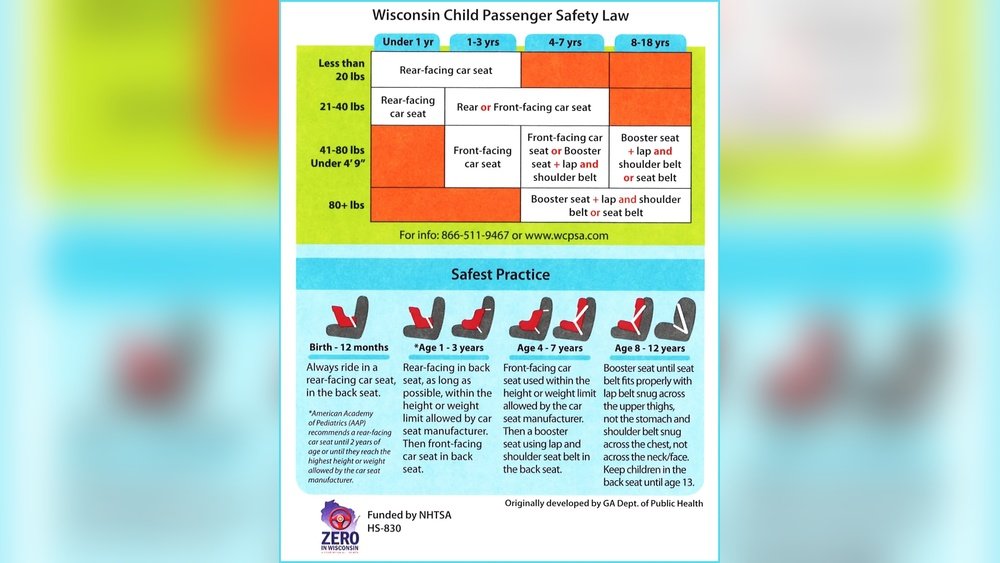
Every forward facing car seat has a weight limit. This tells you how heavy your child can be to use the seat safely. Most seats support children from 20 to 65 pounds. Some seats allow higher weight limits for bigger kids. It is unsafe to use a seat if your child is too heavy.
Age And Height Considerations
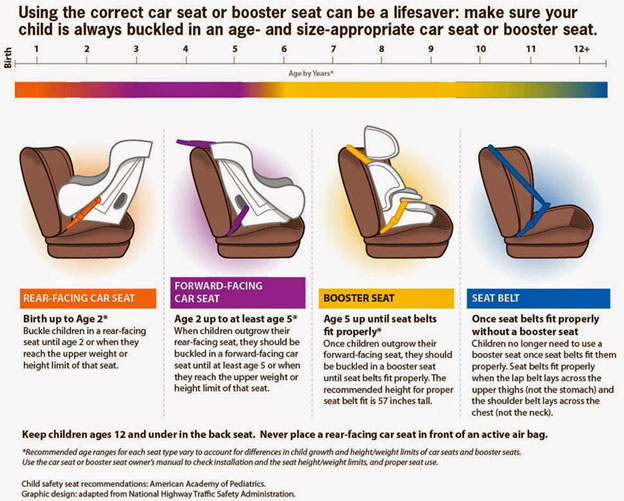
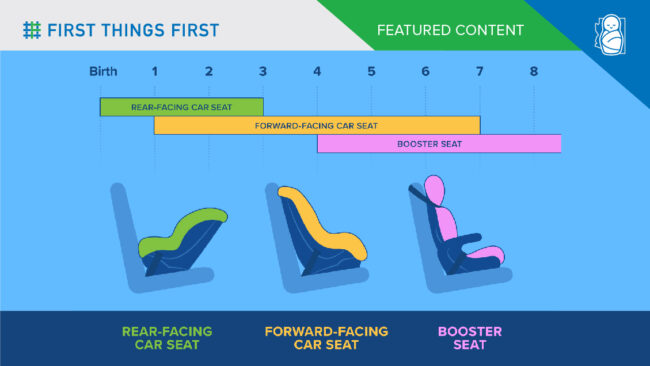
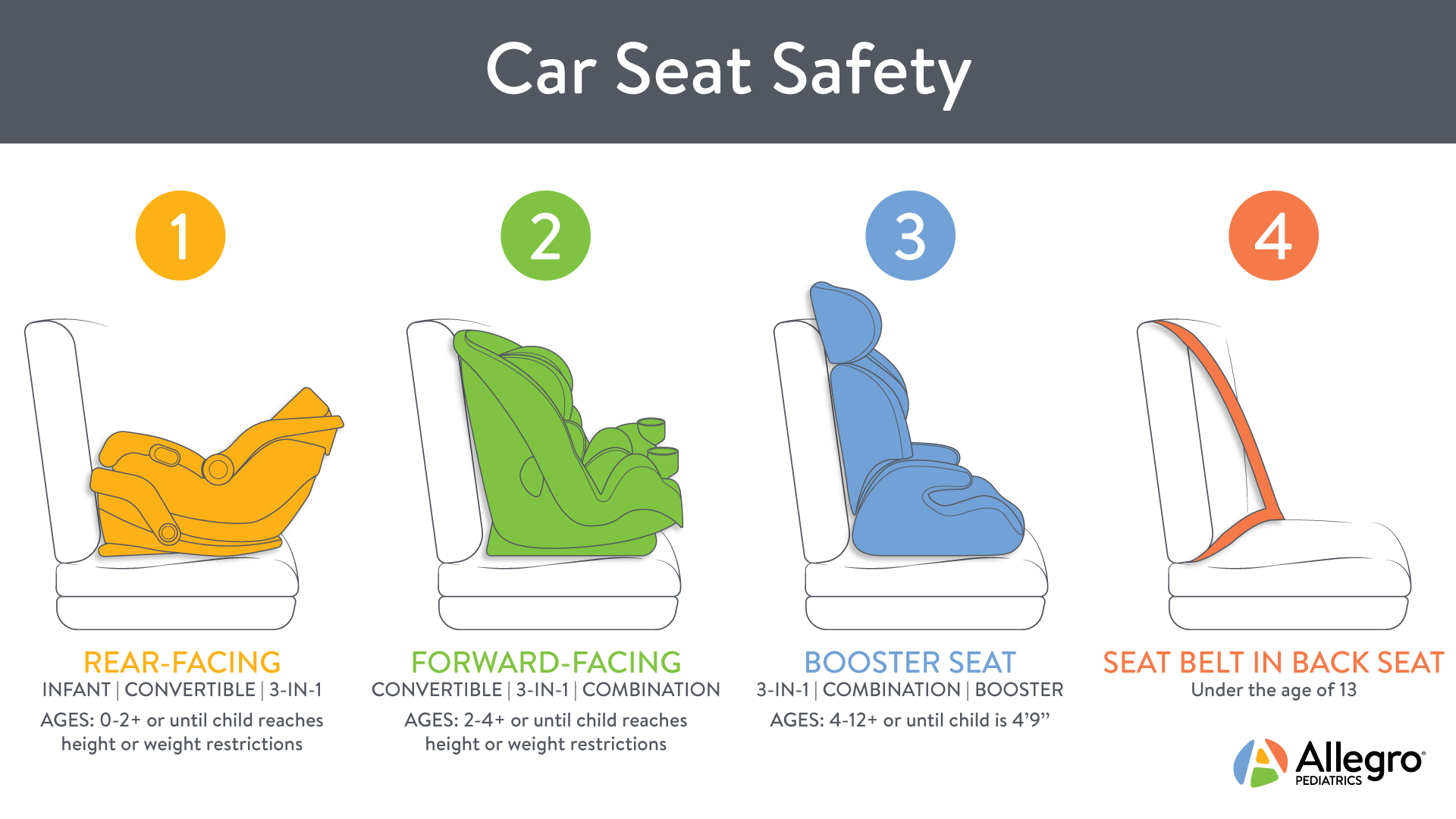
Age matters when choosing a forward facing seat. Usually, children use these seats after turning two years old. Height also matters. Your child’s head should not be above the top of the seat. If the child is too tall, it is time to switch seats. Proper fit keeps your child safe and secure.
Types Of Forward Facing Seats
There are three main types of forward facing seats. Convertible seats change from rear to forward facing. Harness-only seats use a five-point harness for safety. Booster seats raise your child to fit the car’s seat belt properly. Each type fits different ages and sizes. Choose the right type for your child’s growth stage.
Credit: www.copcp.com
Safety Standards And Regulations
Safety standards and regulations ensure your child’s forward facing car seat protects them well. These rules help parents pick the right seat for the child’s weight and age. They also guide proper installation and use.
Following these standards lowers the risk of injury during a car accident. Knowing the laws and guidelines helps keep your child safe every trip.
Federal Safety Guidelines
The National Highway Traffic Safety Administration (NHTSA) sets federal rules for car seats. These rules include weight limits and crash testing requirements. All car seats sold in the U.S. must meet these standards. Look for a label that shows compliance with federal rules.
State Laws On Car Seat Use
Each state has its own laws about car seat use. These laws set minimum weight and age for forward facing seats. Some states require booster seats after the forward facing stage. Check your state’s law to follow the correct rules. Police enforce these laws to protect children.
Expiration Dates And Recalls
Car seats have expiration dates, usually six to ten years from manufacture. Materials weaken over time, reducing safety. Using an expired seat can be dangerous. Manufacturers also issue recalls for defects or safety issues. Always register your car seat to receive recall alerts.
Installation Tips For Forward Facing Seats
Installing a forward facing car seat correctly is vital for your child’s safety. Small mistakes can reduce protection during a crash. Follow clear steps to secure the seat tightly and keep your child safe. Check the car manual and the seat instructions before starting installation.
Using The Seat Belt Vs. Latch System
Two common methods secure forward facing seats: the seat belt and the LATCH system. The seat belt goes through the car seat’s belt path and locks tightly. LATCH uses anchors built into the car and connectors on the seat. Choose one method based on your car and seat compatibility. Never use both systems at the same time unless the car seat instructions allow it.
Common Installation Mistakes
Loose installation is the biggest mistake. The seat should not move more than one inch side to side or front to back. Incorrect belt routing can cause poor protection. Make sure the belt or LATCH straps follow the correct path. Using the wrong belt lock or not tightening straps enough reduces safety. Check the harness height and fit for your child as well.
Checking Seat Stability
After installation, press down hard on the seat base. Try to move the seat from side to side and front to back. The seat must stay firmly in place. A stable seat protects your child better during sudden stops or crashes. Regularly inspect the installation for wear or loosening over time.
Credit: www.firstthingsfirst.org
When To Transition To Forward Facing
Knowing when to switch your child to a forward facing car seat is very important. This change affects your child’s safety during every trip. The right time depends on your child’s growth and development. Watch your child closely and follow expert advice.
Signs Your Child Is Ready
Your child can sit up well without help. Their neck muscles are strong enough to hold their head steady. The child has outgrown the height or weight limit of the rear-facing seat. They can follow simple instructions and stay seated properly. These signs show your child may be ready for a forward facing seat.
Risks Of Early Transition
Switching too soon can increase injury risk in crashes. The child’s body is not fully protected facing forward early. Neck and spine injuries are more likely if they face forward too soon. The car seat may not fit the child properly yet. Waiting longer keeps your child safer in most cases.
Recommendations From Safety Experts
Experts advise keeping children rear-facing as long as possible. Most recommend until at least age 2 or when child reaches seat limits. Follow the car seat manual for weight and height limits. Always use the harness properly and secure the seat tightly. Safety experts stress that rear-facing seats offer the best protection.
Maintaining Car Seat Safety
Keeping a forward-facing car seat safe is very important for your child’s protection. Regular care and checks help the seat work well. This keeps your child secure during every ride. Safety is not just about buying the right seat. It also means using it correctly and keeping it in good shape.
Regular Inspection And Cleaning
Check the car seat often for damage or wear. Look for cracks, broken parts, or loose straps. Clean the seat regularly to remove dirt and crumbs. Use mild soap and water to avoid damage. A clean seat helps the harness work properly and lasts longer.
Adjusting Harnesses For Growth
Adjust the harness straps as your child grows. Straps should fit snugly but not too tight. Move the straps to the right slots for your child’s height. This keeps your child safe and comfortable. A well-fitted harness stops your child from slipping out in a crash.
Replacing Car Seats After Accidents
Replace the car seat after any car accident. Even small crashes can cause hidden damage. A damaged seat might not protect your child well next time. Always follow the manufacturer’s advice about replacement. Safety should never be risked after a collision.
Credit: www.esseg.eu
Frequently Asked Questions
What Is The Minimum Weight For A Forward Facing Car Seat?
The minimum weight for a forward facing car seat is usually 20 pounds. Always check your car seat manual for exact limits.
When Should My Child Switch To A Forward Facing Seat?
Children should switch when they exceed rear-facing weight or height limits. This often happens around 2 years old.
Can Toddlers Use Forward Facing Seats Before 2 Years?
It’s safest to keep toddlers rear-facing until age 2. Forward facing is allowed after meeting rear-facing limits.
What Is The Maximum Weight For Forward Facing Car Seats?
Most forward facing car seats support up to 65 pounds. Verify your model’s maximum weight in the manual.
Conclusion
Choosing the right weight for a forward-facing car seat keeps your child safe. Always follow the car seat’s weight limits carefully. Check the seat’s manual and labels for exact numbers. Using the seat too early or too late can be dangerous.
Remember, safety is the top priority on every trip. Keep your child comfortable and secure while traveling. Regularly inspect the seat for wear and proper fit. Staying informed helps protect your little one every time you drive.
