
Have you ever wondered when car seats became a must-have for your little one’s safety? Understanding the history of car seats can change the way you think about keeping your child secure on every ride.
Knowing when car seats came out will give you insight into how far child safety has come—and why your child’s seat is so important today. Keep reading to discover the surprising story behind car seats and what it means for your family’s safety now.
Credit: wayb.com
Early Child Safety In Vehicles
Child safety in vehicles has always been important. Before car seats existed, parents used simple ways to protect their kids. The idea of keeping children safe while driving took time to develop. Early efforts were basic and often not very effective.
People realized cars could be dangerous for kids. This concern slowly led to new safety ideas. Understanding the risks helped create better solutions for child passengers.
Before Car Seats
In the early days of automobiles, children sat on laps or car seats were not used at all. Families often held children in their arms during rides. Some used pillows or blankets for comfort, not safety. There was little knowledge about protecting kids in crashes. Cars had no seat belts, so risks were higher. Safety was not a priority for children then.
Initial Safety Concerns
As cars became more common, accidents increased. Parents and doctors started to worry about child injuries. Early research showed that kids were at great risk in crashes. This led to questions about how to keep children safer. People began thinking about special seats designed for kids. These concerns set the stage for the first car seat designs.
The First Car Seats
Car seats are now a must-have for every child’s safety in a vehicle. They protect kids during travel and reduce injuries. But car seats were not always common. Their history shows how safety became a priority in cars.
The first car seats were simple and made to keep children secure. They were the start of many changes in car safety. Understanding their origin helps us see why car seats matter so much today.
Invention And Design
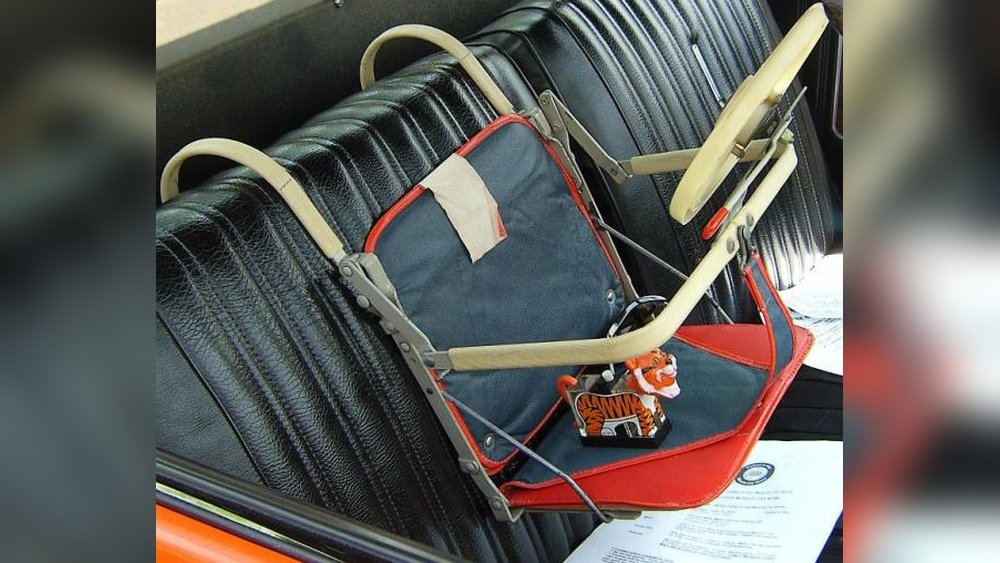
The first car seats appeared in the early 20th century. These seats were basic and used wood or metal frames. Padding was minimal, often just a thin cushion. The main goal was to stop children from falling out of the car. Designers focused on creating a small, raised seat to keep kids visible to drivers. Early models did not have straps or harnesses like today’s seats. Safety rules were not yet strict, so designs were simple and practical.
Key Innovators
Several inventors contributed to early car seat designs. One important figure was Leonard Rivkin, who patented a child safety seat in 1932. His design included straps to hold children in place. Another key innovator was Jean Ames, who introduced padded seats with adjustable straps in the 1940s. These improvements made seats safer and more comfortable. Car manufacturers also began to pay attention to child safety during this time. They worked with inventors to create better products for families.
Evolution Through The Decades
The story of car seats shows how safety grew over time. Car seats started simple and became more secure. Each decade brought new ideas and better designs. These changes helped protect children in cars better and better. Understanding this journey helps us see why car seats are so important today.
Now, let’s explore key moments in car seat history from the 1950s until today.
1950s And 1960s Developments
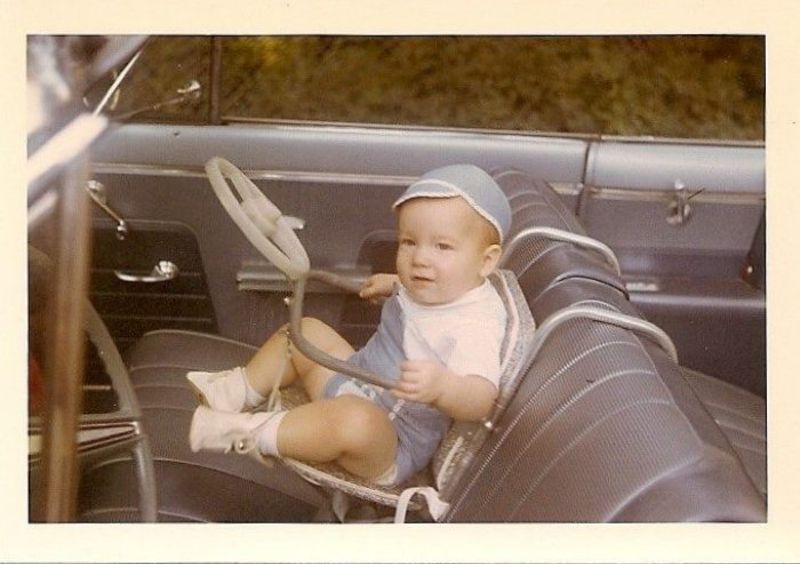
Car seats first appeared in the 1950s. Early models were basic and focused on keeping kids from falling. They mostly used metal frames and simple straps. In the 1960s, some padding was added for comfort. These seats aimed to stop children from moving around inside the car. Safety was not the main focus yet, but the idea was born.
Improvements In Materials And Safety
In the 1970s and 1980s, car seats started using better materials. Foam padding helped absorb crashes. Plastic shells replaced metal for lighter, safer seats. Harnesses became stronger and easier to use. These changes made car seats safer and more comfortable. Parents began to trust car seats more for child safety.
Introduction Of Regulations
Governments started making car seat rules in the late 1970s. Laws required children to use car seats on the road. These rules pushed manufacturers to improve designs. Testing standards ensured seats could protect in crashes. Today, regulations keep car seats safe and reliable. They help parents choose the right seat for their child’s age and size.

Credit: wayb.com
Modern Car Seat Features
Modern car seats have changed a lot over the years. They are safer, smarter, and more comfortable than before. Parents can now find seats that fit their child’s needs and keep them safe on every trip. The latest features make travel easier and more secure. Let’s explore what makes today’s car seats special.
Enhanced Safety Standards
Safety is the top priority in modern car seats. New rules require stronger materials and better designs. Seats now have side-impact protection to guard against crashes from the side. Many come with energy-absorbing foam to reduce injury. They also pass strict crash tests to ensure maximum safety for children.
Technological Innovations
Technology has improved car seats in many ways. Some models include built-in sensors to check if the seat is properly installed. Others have alarms to remind drivers if a child is left behind. Adjustable harnesses and easy-to-use buckles help secure kids quickly. These smart features help parents feel confident and calm.
Comfort And Convenience
Modern car seats focus on comfort for long rides. They have extra padding and breathable fabrics to keep children cool. Many seats grow with the child, offering adjustable headrests and reclining options. Lightweight designs and removable covers make cleaning and carrying easier. These details make every trip more pleasant for kids and parents.
Impact On Child Safety
Car seats have greatly improved child safety during travel. They protect children from injuries in car accidents. Before car seats, many children faced serious harm. Car seats keep kids secure and reduce the risk of severe injury. Their use marks a major step forward in road safety for children.
Reduction In Injuries
Car seats lower the chance of injury in crashes. They hold children firmly and spread crash forces safely. Studies show fewer hospital visits since car seats became common. Children in car seats have fewer head and chest injuries. This safety measure saves many young lives every year.
Legislation And Enforcement
Laws now require car seats for young children. These rules make sure kids travel safely in cars. Police enforce these laws with fines and warnings. Governments update laws as new safety data appears. Legal rules help increase car seat use and protect children.
Future Trends In Car Seat Design
The future of car seat design promises exciting changes. Safety, comfort, and technology will shape new models. Car seats will become smarter and more eco-friendly. These trends aim to make travel safer and more pleasant for children.
Smart Technology Integration
Car seats will have built-in sensors to track child safety. They will alert parents if the seatbelt is loose or if the child moves too much. Some seats may connect to smartphones for real-time updates. Voice control and automatic adjustments will add convenience. Smart seats will improve safety by reducing human error.
Sustainability And Materials
Future car seats will use eco-friendly materials. Recycled plastics and natural fabrics may replace traditional ones. Manufacturers will focus on durability to reduce waste. Lightweight designs will help lower fuel consumption. Sustainable car seats will support a cleaner environment.

Credit: saferide4kids.com
Frequently Asked Questions
When Were Car Seats First Introduced?
Car seats were first introduced in the 1930s. They were designed to protect children in cars. Early models were simple and lacked modern safety features. Over time, car seats evolved to meet safety regulations and improve child protection during travel.
Why Did Car Seats Become Mandatory?
Car seats became mandatory to reduce child injuries in accidents. Studies showed children were at high risk without proper restraints. Laws enforced car seat use to improve safety. This legislation has significantly lowered child injuries and fatalities in vehicles.
How Have Car Seats Evolved Over Time?
Car seats have evolved from basic designs to advanced safety systems. Modern seats include harnesses, side-impact protection, and energy-absorbing materials. Regulations and technology improvements have driven these changes. Today’s car seats offer better comfort and enhanced child safety.
What Age Groups Need Car Seats?
Car seats are required for infants, toddlers, and young children. Specific seats vary by age, weight, and height. Infants use rear-facing seats, toddlers use forward-facing seats, and older kids use booster seats. Laws vary, but all emphasize proper age-appropriate restraints.
Conclusion
Car seats first appeared in the early 20th century. They have changed a lot since then. Today, car seats keep children safe on every trip. Parents trust them to protect their kids. Knowing their history helps us value their importance.
Safety rules and designs keep improving. Always choose the right car seat for your child’s age and size. Safety is the most important part of every journey. Car seats save lives and bring peace of mind. Keep your child secure and happy on the road.
