
Are you wondering when your baby will outgrow their infant car seat? It’s a question every parent faces as their little one grows faster than you might expect.
Knowing the right time to switch can keep your child safe and comfortable during every ride. You’ll discover clear signs to watch for and expert tips to help you make the best decision for your baby’s safety. Keep reading to learn exactly when and how to make this important change with confidence.
Credit: www.babylist.com
Infant Car Seat Basics
Infant car seats are designed to keep babies safe during car rides. They provide special support for a baby’s head and neck. These seats are made for newborns and small infants. It is important to use the right car seat to protect your child.
Knowing the basics of infant car seats helps parents make smart choices. The right seat fits your baby and your car perfectly. It also follows safety rules to reduce risks in crashes.
What Is An Infant Car Seat
An infant car seat is a small, rear-facing seat for babies. It is usually lightweight and easy to carry. These seats have a handle for easy transport. They come with a base that stays in the car. The seat clicks into the base for safety and convenience.
Infant car seats fit babies from birth until they reach the seat’s weight or height limit. They protect the baby by supporting the head and body during sudden stops.
Importance Of Proper Fit
Proper fit means the car seat matches your baby’s size. The harness should be snug but not too tight. Straps must lie flat and be at or below shoulder level. The seat must be installed tightly in the car.
A correct fit prevents injury in accidents. A loose or poor fit can cause serious harm. Always check the car seat’s manual for fit guidelines. Adjust the straps as your baby grows.

Credit: www.goodeggcarsafety.com
Weight And Height Limits
Knowing the weight and height limits of infant car seats is very important for your baby’s safety. Each car seat has a specific range for both weight and height. Staying within these limits keeps your baby secure during every ride.
Car seats have labels that show the maximum weight and height allowed. Exceeding these limits may reduce the seat’s ability to protect your child. Parents should check these numbers regularly as babies grow fast.
Typical Infant Seat Limits
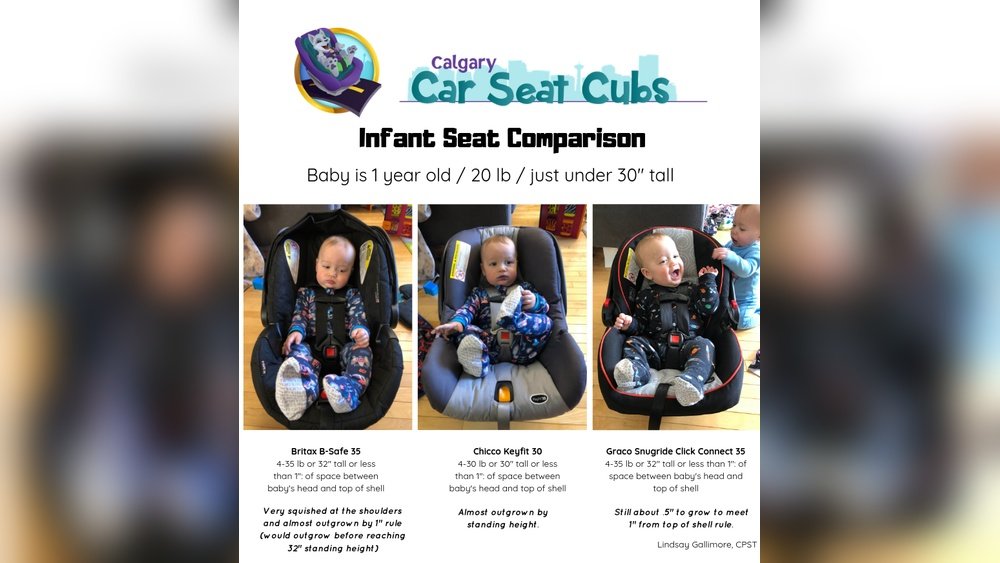
Most infant car seats fit babies from 4 to 35 pounds. The height limit usually ranges from 30 to 32 inches. Some seats allow slightly more weight or height, but these ranges cover most models.
The seat’s manual always lists exact limits. Use this guide to know when to switch. Remember, a seat used beyond its limits may not work properly in a crash.
Signs Baby Has Outgrown Seat
Look for your baby’s head reaching the top of the seat. If the top of their ears are at the seat’s top edge, it is time to change.
If your baby’s shoulders are above the harness slots, the seat is too small. The harness should fit snugly at or below shoulder level. Tighten the straps to check the fit regularly.
Also, if your baby weighs more than the seat’s limit, do not continue to use it. Moving to the next car seat type will keep your baby safer on every trip.
Safety Recommendations
Babies outgrow infant car seats when they reach the seat’s height or weight limits. Check these limits often for your child’s safety. Always switch to a larger seat once your baby no longer fits properly.
Rear-facing Safety Guidelines
Babies must ride rear-facing as long as possible. This position protects their head, neck, and spine. Most experts say keep infants rear-facing until at least age two. The car seat should be installed at the correct angle to avoid slumping. Ensure the harness fits snugly and the chest clip is at armpit level. Rear-facing seats absorb crash forces better than forward-facing ones. This setup reduces injury risk during sudden stops or collisions.
Manufacturer Instructions
Always read the car seat manual carefully. Each seat has unique weight and height limits. These limits tell you when to switch seats. Follow the instructions for installation and harness use exactly. Check the expiration date of the seat. Using an expired seat can be unsafe. Contact the manufacturer for any questions or recalls. Proper use ensures maximum protection for your baby.

Credit: www.mak.kg
Transitioning To Convertible Seats
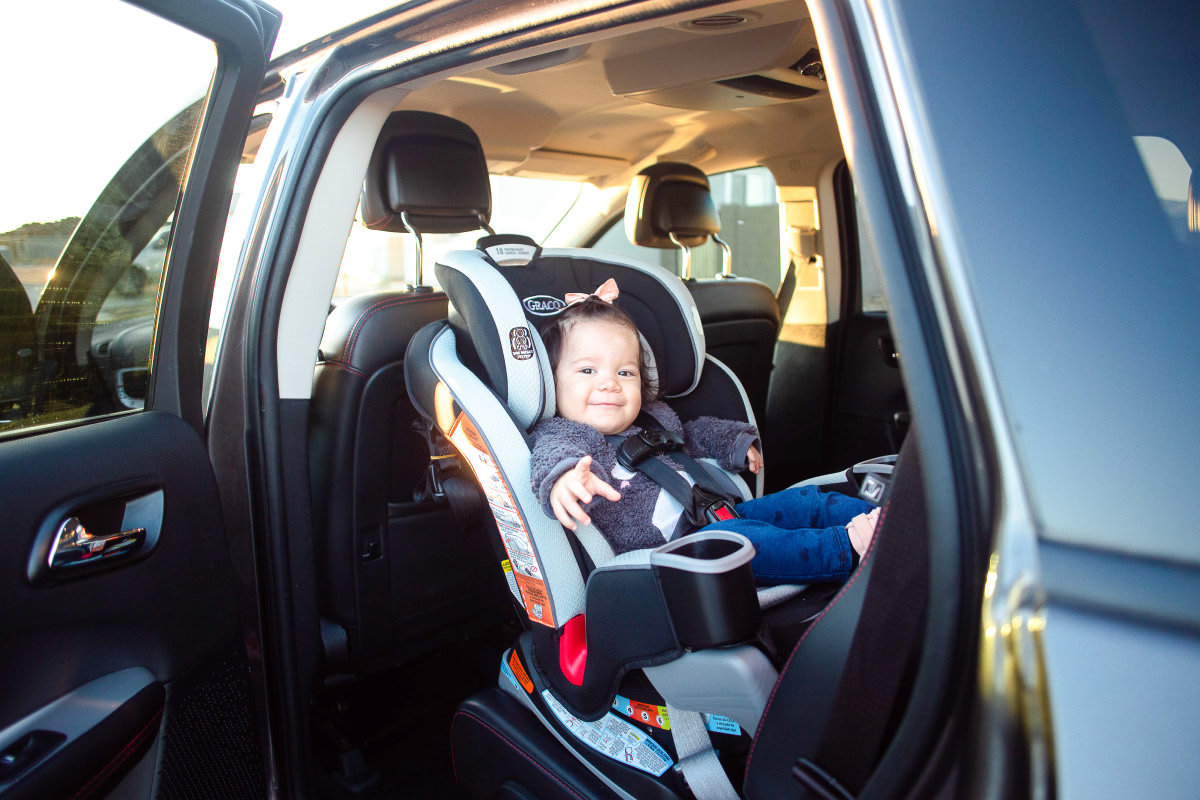
Transitioning from an infant car seat to a convertible seat is a key step in your baby’s safety journey. Convertible seats serve children from infancy through toddler years. They offer more space and features as your child grows. Knowing when and how to switch helps keep your child safe and comfortable on every ride.
When To Switch
Switch to a convertible seat after your baby outgrows the infant car seat. Check the weight and height limits on the infant seat label. Most babies move to convertible seats around 1 year old. Ensure your baby can sit upright well before switching. Always follow the car seat manufacturer’s guidelines.
Choosing The Right Convertible Seat
Pick a convertible seat that fits your car and lifestyle. Look for seats with good safety ratings and easy installation. Choose a seat that can be used rear-facing for as long as possible. Rear-facing seats protect the head and neck better in crashes. Consider a model with adjustable harness heights for a growing child.
Common Mistakes To Avoid
Using an infant car seat correctly keeps your baby safe on every ride. Many parents make common mistakes without knowing. These errors can reduce the seat’s protection. Learning what to avoid helps keep your child secure. Below are key mistakes to watch for.
Using Seats Past Expiry
Every car seat has an expiration date. Using a seat beyond this date is unsafe. Materials break down over time. The seat may not protect well in a crash. Check the label for the expiry date. Replace the seat once it expires. Never try to extend its life.
Incorrect Harness Adjustments
The harness holds your baby tight in the seat. Loose or tight straps can cause harm. Straps should be snug and lie flat. The harness clip must be at armpit level. Adjust the harness every time your baby grows. Proper fit stops movement during sudden stops.
Additional Safety Tips
Keeping your baby safe in the car goes beyond just choosing the right seat. Regular checks and care ensure the infant car seat works well and protects your child. These extra safety steps help prevent accidents and keep your baby secure during every trip.
Proper Installation Checks
Check the car seat’s installation every time before driving. Make sure the seat does not move more than an inch side to side or front to back. Secure the seat tightly using the seat belt or LATCH system. Follow the car seat manual and your car’s guide for correct installation. Never place the seat in a front seat with an active airbag.
Regular Seat Inspections
Look over the car seat often for signs of wear or damage. Check the harness straps for frays or tears. Make sure the buckles click and release easily. Clean the seat according to the manufacturer’s instructions to keep it in good shape. Replace the seat after a crash, even if it looks okay.
Frequently Asked Questions
When Should Babies Stop Using Infant Car Seats?
Babies should stop using infant car seats once they exceed the seat’s height or weight limits. Usually, this happens around 12 months or 22-35 pounds. Transitioning to a convertible car seat is recommended for better safety and comfort as the baby grows.
How Do I Know If My Baby Outgrew The Car Seat?
Check the car seat’s height and weight limits on the label. If your baby’s weight or height exceeds these limits, it’s time to upgrade. Also, if the baby’s head is too close to the seat’s top or straps feel tight, consider switching seats.
Can I Use An Infant Car Seat Beyond 1 Year?
You can use it beyond 1 year only if the baby is within the seat’s limits. However, most infants outgrow these seats by 12 to 15 months. For safety, switch to a convertible car seat once your child outgrows the infant seat.
What Is The Safest Car Seat For Toddlers After Infant Seats?
Convertible car seats are safest after infant seats. They accommodate children from infancy to toddlerhood, supporting higher weight and height limits. These seats offer rear- and forward-facing options, providing extended protection as your child grows beyond the infant car seat stage.
Conclusion
Babies grow fast and so do their needs. Infant car seats fit best until your baby reaches the seat’s weight or height limit. Always check the car seat manual for exact numbers. Safety matters most, so never rush the change.
A properly fitting seat keeps your child secure. Transition to the next seat only when your baby outgrows the infant seat. Keep your little one safe on every trip. Trust your instincts and follow safety guidelines. Your baby’s comfort and safety come first.
