

Are you worried about how long your child can safely stay in their car seat? You’ve probably heard about the “2 hour car seat rule,” but when exactly does it end?
Knowing the right answer can keep your little one safe and comfortable during every trip. You’ll discover why the 2 hour limit matters, what signs to watch for, and practical tips to make car rides easier for your child. Keep reading to learn how to protect your child and avoid common mistakes every parent should know.
The 2 Hour Car Seat Rule Explained
The 2 hour car seat rule guides how long a child should stay in a car seat safely. It helps protect children from discomfort and health risks. Parents and caregivers must understand this rule to keep children safe during travel.
This rule suggests that children should not stay in a car seat for more than two hours at a time. Prolonged sitting in a car seat can cause breathing problems and muscle stiffness. It can also increase the risk of overheating and poor blood circulation.
What Is The 2 Hour Car Seat Rule?
The rule means a child should not be in a car seat for over two hours without a break. This limit applies to both moving and parked vehicles. It helps prevent physical stress and health issues for young children.
Why Does The Rule Matter?
Car seats keep children safe during accidents but can cause harm if used too long. Sitting too long in a car seat may cause breathing difficulties. It can also lead to discomfort, which makes children fussy or upset.
How To Follow The 2 Hour Rule
Plan stops on long trips every two hours or less. Take the child out of the car seat to stretch and move around. Use breaks to feed, change diapers, and check the child’s comfort.
Exceptions To The Rule
Sometimes, short trips under two hours do not need breaks. Emergency situations may require longer car seat use. Still, try to limit time and watch for signs of distress in the child.
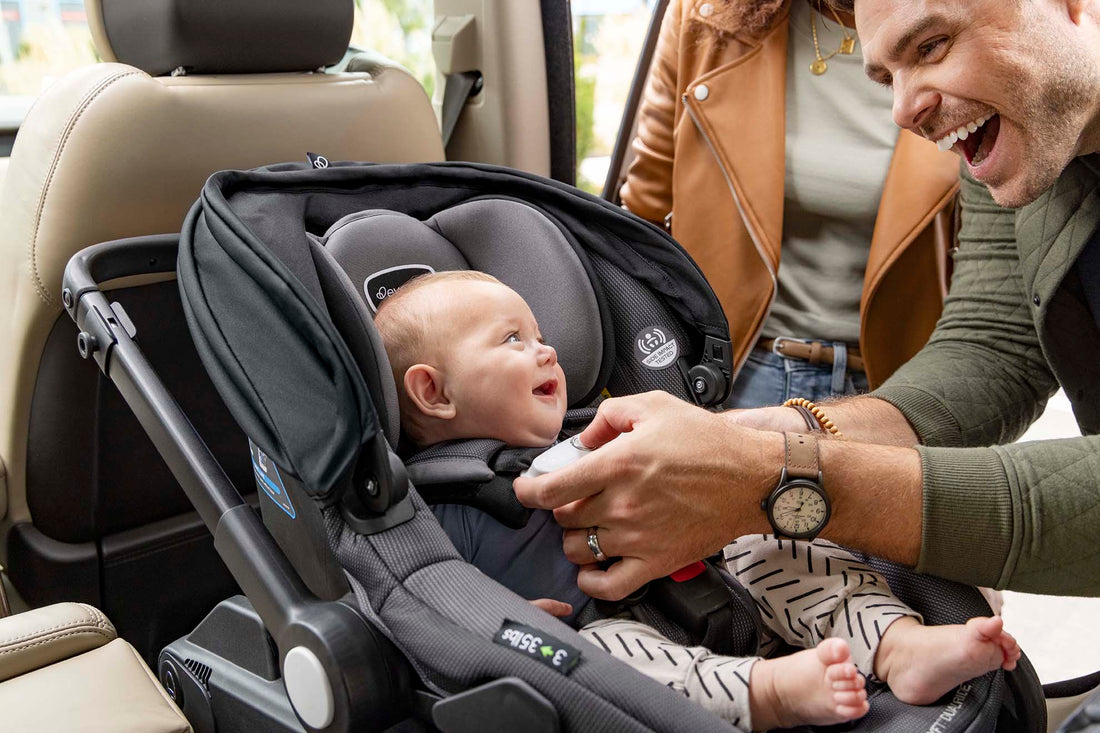
Credit: www.evenflo.com
Risks Of Prolonged Car Seat Use
Car seats keep children safe during travel. Yet, sitting too long in them can cause problems. Understanding the risks of prolonged car seat use helps parents keep kids healthy and comfortable.
Physical Discomfort And Pressure Points
Long periods in a car seat cause discomfort. The body presses against hard parts of the seat. This creates pressure points on the back and legs. Children may feel soreness or stiffness. This discomfort can make kids fussy or restless during trips.
Breathing And Circulation Concerns
Car seats keep infants in a semi-reclined position. Extended time like this can affect breathing. Some babies might struggle to breathe properly. Poor circulation may also occur if limbs stay bent too long. This can cause swelling or numbness in arms and legs.
Developmental Impact On Infants
Infants need movement to grow strong muscles and bones. Staying still in a car seat limits their activity. Prolonged use may delay motor skills like rolling or crawling. It may also affect spine development. Babies need time outside the seat for healthy growth.
Signs To Watch For In Children
Watching children for signs of discomfort in a car seat is very important. It helps prevent problems before they get serious. Parents and caregivers must know what to notice. Children cannot always say when they feel bad.
Some signs are easy to see. Others need careful attention. Knowing these signs helps decide when to stop using the car seat for long times. This keeps children safe and comfortable during travel.
Fussiness And Restlessness
Fussiness is one of the first signs a child may be uncomfortable. They might cry more than usual or show anger. Restlessness means they move a lot, trying to change position. These behaviors often show that they need a break from the car seat.
Changes In Breathing Patterns
Watch for changes in how your child breathes. Breathing may become faster or irregular. Some children may breathe through their mouth more. These changes can mean they are under stress or not comfortable in the seat.
Skin Redness Or Marks
After being in a car seat for two hours or more, check your child’s skin. Redness or small marks can appear where the straps touch. These signs show pressure and possible irritation. It is a clear signal that time in the seat should be limited.
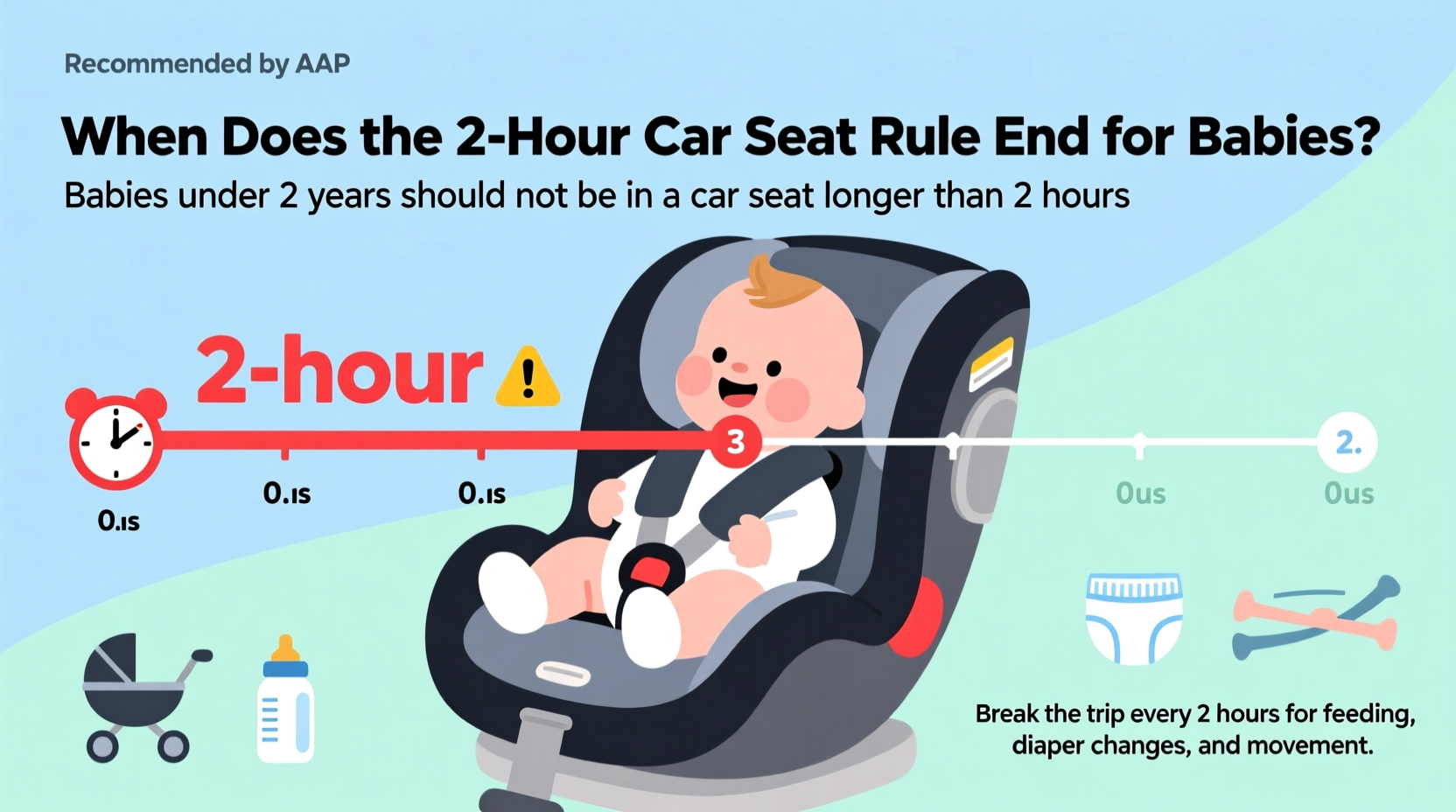
Credit: carinterior.alibaba.com
Safe Practices For Car Seat Use
Using a car seat correctly is very important for your child’s safety. Parents should follow safe practices to keep children secure and comfortable. Proper use helps avoid risks during travel and keeps kids safe in case of sudden stops or accidents.
Recommended Maximum Duration
Experts suggest children should not stay in a car seat for more than two hours at once. Sitting too long can cause discomfort and affect breathing. Shorter periods help keep children safe and happy during trips.
Importance Of Regular Breaks
Stopping every two hours is important for your child’s health. Breaks let kids stretch their legs and move around. Moving helps blood flow and reduces fussiness. Parents can use breaks to check the car seat fit and adjust if needed.
Alternatives For Long Trips
For long drives, plan stops often to avoid keeping children in the car seat too long. Use a stroller or baby carrier during breaks. These options help children stay comfortable and reduce time spent in the seat. Planning ahead makes trips safer and more enjoyable for everyone.
Legal And Safety Guidelines
Understanding the legal and safety guidelines for car seat use helps keep children safe. These rules focus on how long a child should stay in a car seat. Following these rules reduces risks during travel. Parents and caregivers must know these guidelines well.
Different rules apply depending on the country and state. The goal is to prevent harm from long periods in a car seat. Let’s explore important legal and safety points to remember.
Regulations On Car Seat Time Limits
Most states do not have strict laws on car seat time limits. Laws focus more on proper car seat installation and use. Some local guidelines suggest breaks every two hours on long trips. These breaks help avoid discomfort and health issues for children.
Always check local rules before traveling. Knowing the law ensures you follow the safest practices.
Manufacturer Recommendations
Car seat makers often advise not to keep a child in the seat over two hours. This limit helps prevent poor circulation and muscle strain. The seats are designed for travel, not long-term sitting or sleeping. Manufacturers include these warnings in manuals for safety reasons.
Following these recommendations protects children during car rides. Check the manual for specific advice on your car seat model.
Expert Safety Advice
Child safety experts recommend taking breaks every two hours. They suggest removing the child from the seat during stops. Experts warn about risks like breathing problems and pressure on the spine. Regular breaks improve comfort and reduce danger.
Experts also advise limiting car seat use outside travel. Use other safe seating options at home or in the stroller. This keeps the child healthy and happy.
Balancing Safety And Convenience
Balancing safety and convenience is key when using a car seat. Children need protection during travel, but long periods in one seat can cause discomfort. Parents often ask about the 2-hour car seat rule. This rule suggests a break every two hours to keep children safe and comfortable. Understanding how to manage this time can help make trips smoother for everyone.
Planning Travel With Breaks
Plan trips with regular stops every two hours. These breaks let children stretch and move freely. Short walks outside the car help improve circulation. Use rest stops or parks for these breaks. This practice reduces the risk of discomfort or fussiness during long rides.
Using Portable Seats And Accessories
Portable car seats and accessories add convenience on the road. Lightweight seats are easier to carry during breaks. Seat liners and cushions improve comfort for long trips. Some accessories help keep children cool or warm. These items support safety and comfort without extra bulk.
Monitoring Child Comfort On The Go
Watch children closely for signs of discomfort. Fussiness, restlessness, or crying may mean it’s time for a break. Adjust straps and seat position as needed. Offer snacks or water during stops to keep children happy. Staying alert to their needs ensures safe and pleasant travel.

Credit: www.madeformums.com
Frequently Asked Questions
When Does The 2 Hour Car Seat Rule Apply?
The 2 hour car seat rule applies during long trips for infants and toddlers. It limits continuous sitting to prevent discomfort and health risks.
Why Should Infants Not Stay In Car Seats Over 2 Hours?
Infants in car seats longer than 2 hours risk breathing difficulties and poor circulation. Frequent breaks improve safety and comfort.
How Can Parents Safely Manage The 2 Hour Car Seat Rule?
Parents should stop every 2 hours to remove children from car seats. This allows stretching and reduces health risks during travel.
Does The 2 Hour Rule Apply To All Car Seat Types?
Yes, the 2 hour limit applies to all rear-facing and forward-facing car seats to ensure child safety and comfort during trips.
Conclusion
The 2 hour car seat rule helps keep children safe and comfortable. Knowing when to take breaks prevents fussiness and discomfort. Always watch your child’s cues and plan stops on long trips. Short breaks help avoid restlessness and overheating. Remember, safety comes first on every journey.
Following this rule makes travel easier for both kids and parents. Keep your child happy and secure by respecting the 2 hour limit. Safe travels start with smart choices about car seat time.
