

Are you wondering when it’s the right time to turn your child’s car seat forward? You want to keep your little one safe while making sure they’re comfortable on every ride.
But with so many rules and advice out there, it’s easy to feel confused or unsure. This article will guide you step-by-step, helping you understand exactly when and why you should face your child’s car seat forward. Keep reading to make the best choice for your child’s safety and your peace of mind.
Rear-facing Vs. Forward-facing Seats
Choosing between rear-facing and forward-facing car seats is important for your child’s safety. Each type offers different protection levels. Understanding when to use each can keep your child safe during every trip.
Benefits Of Rear-facing Seats
Rear-facing seats protect a child’s head, neck, and spine better in crashes. The seat absorbs the impact and spreads force across the back. This reduces the risk of serious injuries. Experts recommend keeping children rear-facing as long as possible. It is safest until at least age two or until the seat’s height and weight limits are reached.
When To Switch Forward
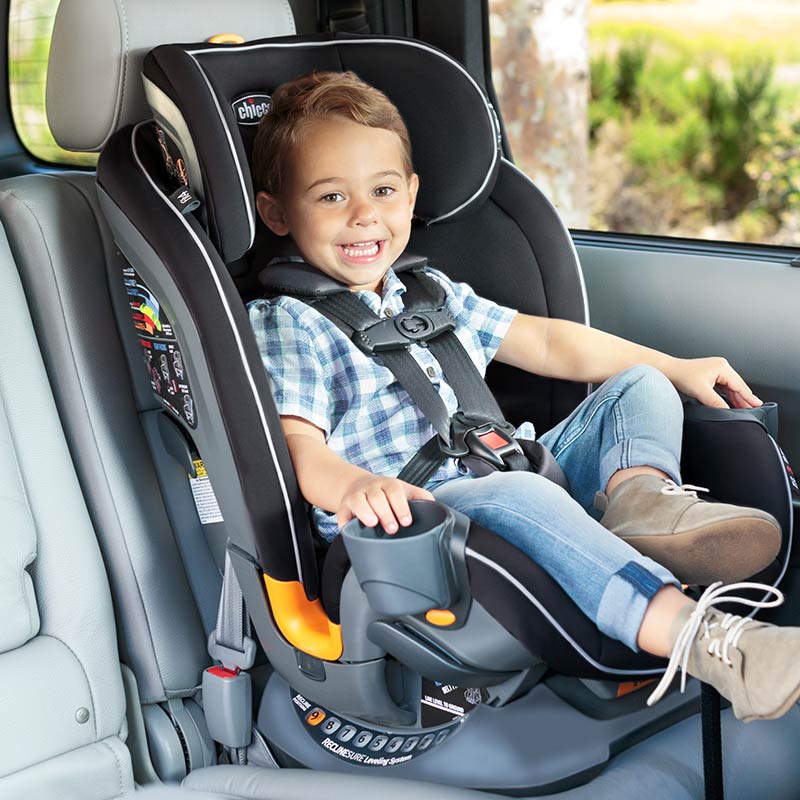
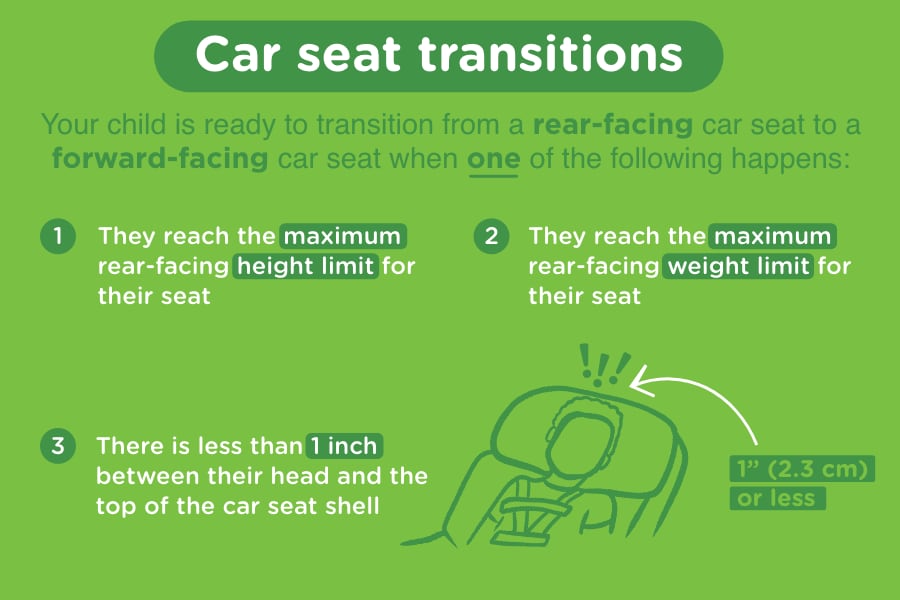
Switching to a forward-facing seat depends on your child’s size. Most children can switch after outgrowing the rear-facing seat’s height or weight limit. Many forward-facing seats fit children from about 2 years old. Always check the car seat manual for specific limits. Keep your child rear-facing longer if possible for added safety.
Credit: www.chiccousa.com
Age And Weight Guidelines
Knowing the right time to turn your child’s car seat forward is very important. Age and weight are key factors to decide when to make the switch. This helps keep your child safe during every ride. Understanding the guidelines can prevent injuries and give peace of mind.
Recommended Age Limits
Experts suggest keeping your child rear-facing until at least 2 years old. Some recommend waiting even longer, until age 3 or more. Younger children have softer bones and weaker neck muscles. Rear-facing seats support their head and spine better. Turning the seat forward too soon can increase injury risks in a crash.
Weight And Height Considerations
Car seat labels often show the maximum weight and height for rear-facing use. Many seats allow children up to 40 pounds to ride rear-facing. Height limits vary but usually depend on the top of the child’s head relative to the seat. If your child reaches these limits before age 2 or 3, follow the seat’s rules. Always check your car seat’s manual for exact limits. Safety comes first, not speed.
Safety Risks Of Early Forward Facing
Turning a car seat forward too early can put your child at risk. Young children’s bodies are still fragile. Their bones, especially the spine and neck, need extra protection in a crash. Facing forward before they are ready can lead to serious injuries. Understanding these risks helps parents make safer choices.
Impact On Child’s Spine And Neck
Children’s spines are soft and flexible. Rear-facing seats support the entire back and neck. Facing forward puts pressure on the neck in a crash. The head can whip forward quickly, causing injury. Early forward facing can harm the spinal cord. This can lead to long-term problems.
Crash Test Findings
Crash tests show rear-facing seats protect better. They spread crash forces across the body. Forward-facing seats focus force on the neck. Tests reveal higher injury risks in early forward facing. Experts recommend staying rear-facing as long as possible. This reduces injury severity in accidents.

Credit: www.evenflo.com
State Laws And Regulations
State laws and regulations guide when children can face their car seats forward. These rules protect children during car rides. They vary by region and depend on the child’s age, weight, and height. Parents must follow these laws to ensure safety and avoid penalties.
Legal Requirements By Region
Each state has its own rules for car seat direction. Some states require children to stay rear-facing until age 2 or more. Others set limits based on weight or height. Local laws usually follow safety guidelines from experts. Checking your state’s rules helps you use the correct car seat position.
Penalties For Non-compliance
Breaking car seat laws can lead to fines and tickets. Some states charge money for not following child seat rules. Others may add points to your driving record. The penalties encourage parents to keep children safe. Avoiding fines means using the right car seat position at all times.
Transitioning Your Child Safely
Transitioning your child from a rear-facing car seat to a forward-facing one is an important step. It requires careful attention to safety and your child’s comfort. Making the switch too early can be risky. Moving too late might limit your child’s space and comfort. This section guides you through recognizing the right time and how to switch safely.
Signs Your Child Is Ready
Your child should meet certain signs before facing forward. Check their age and weight first. Most children are ready after 2 years old. Weight limits vary by car seat, usually around 20 to 30 pounds. Look at their height too. If their head is near the top of the seat, it might be time.
Also, observe your child’s behavior. Are they uncomfortable in the rear-facing seat? Do they try to turn around often? These can be clues. Always follow the car seat manufacturer’s instructions. They provide safety limits that are vital.
Steps To Make The Switch
Begin by reading the car seat manual carefully. Remove the seat from the car if needed. Adjust the harness straps to fit your child snugly. Make sure the straps are at or above your child’s shoulders.
Install the seat in the forward-facing position. Use the seat belt or LATCH system to secure it tightly. Check for any movement; the seat should not move more than an inch. Place your child in the seat and buckle the harness. Ensure the chest clip is at armpit level.
Double-check everything before driving. Regularly inspect the seat for wear and proper fit. Transitioning safely protects your child during every ride.
Choosing The Right Forward-facing Seat
Choosing the right forward-facing car seat is important for your child’s safety and comfort. The seat must fit your child’s size and meet safety standards. It also needs to fit well in your vehicle. The right seat helps protect your child during every trip.
Types Of Forward-facing Seats
There are two main types of forward-facing car seats. First, the harness seat, which uses a built-in harness to secure your child. This type is best for younger kids who have outgrown rear-facing seats. Second, the combination seat, which works as a harness seat at first and then converts to a booster seat as your child grows. This type lasts longer and adapts to your child’s needs.
Features To Look For
Safety features are the top priority. Look for a seat with a strong harness system and side-impact protection. The seat should have easy installation options, such as LATCH connectors or seat belt guides. Adjustable headrests and multiple recline positions add comfort. Check the seat’s weight and height limits to ensure it fits your child well. A seat with clear instructions makes usage easier and safer.
Common Mistakes To Avoid
Choosing the right time to face a car seat forward is important. Many parents make mistakes that can put children at risk. Knowing what to avoid helps keep kids safe. Here are common errors to watch out for.
Incorrect Installation
Installing a car seat wrong is one of the biggest dangers. The seat may move too much in a crash. This reduces protection for the child. Always follow the car seat manual carefully. Use the seat belt or LATCH system as instructed. Tighten straps so the seat does not shift more than an inch. Check installation every time you drive.
Improper Harness Use
Many caregivers do not use the harness correctly. The harness should be snug and lie flat against the child’s body. Loose straps let the child slide out in a crash. The chest clip must be at armpit level. Too low or high can cause injury. Adjust the straps as your child grows to ensure a good fit.
Additional Safety Tips
Additional safety measures help protect your child after turning the car seat forward. Careful attention keeps your little one safe on every trip. Simple steps can prevent common mistakes and accidents.
Regular Seat Inspections
Check the car seat often for wear or damage. Look for cracks, broken parts, or loose straps. Make sure the seat base is tightly installed. Follow the manufacturer’s guidelines for maintenance. Replace the seat after any crash, even minor ones.
Proper Seatbelt Positioning
Ensure the seatbelt fits your child correctly. The belt should lie flat across the chest and shoulder. Avoid placing it on the neck or face. The lap belt must rest low on the hips, not the stomach. Adjust the harness straps to fit snugly without twisting.
Credit: www.strong4life.com
Frequently Asked Questions
When Is The Safest Age To Face Car Seat Forward?
Most experts recommend facing your car seat forward after your child turns 2 years old. This is when they outgrow rear-facing limits but still benefit from forward safety features.
What Weight Should My Child Be To Face Forward?
Children should face forward once they reach the car seat’s rear-facing weight limit, usually between 20-40 pounds. Always check your specific car seat guidelines.
Can Premature Toddlers Face Forward Earlier?
Premature toddlers should remain rear-facing as long as possible for better spinal protection. Consult your pediatrician before switching to forward-facing.
How Long Can A Child Stay Rear-facing?
Children can safely stay rear-facing until they reach the car seat’s height or weight limit. This is often until age 2 to 4.
Conclusion
Choosing the right time to turn a car seat forward keeps your child safe. Always follow the car seat’s weight and height limits. Keep your child rear-facing as long as possible for better protection. Check your state’s laws for specific rules.
Remember, safety comes first. Taking these steps helps ensure a safer ride every time. Stay informed and trust your instincts to protect your little one. Safety today means peace tomorrow.
