
Your baby’s safety in the car depends a lot on one simple thing: the car seat straps. But do you know exactly when to adjust them?
If the straps are too loose or too tight, they might not protect your little one properly. You want to be sure your child is secure every time you hit the road. Keep reading to find out the key moments to adjust those straps and how to do it right, so your baby stays safe and comfortable on every trip.
Why Proper Strap Fit Matters
Properly fitting car seat straps keep infants safe and comfortable. Straps that are too loose or too tight can cause problems. Knowing when to adjust them is important for your baby’s safety.
Risks Of Loose Or Tight Straps
Loose straps let the baby move too much during a ride. This can lead to injury if the seat belt does not hold firmly. Tight straps can hurt the baby’s skin and restrict breathing. Both conditions can cause discomfort and danger.
Impact On Infant Safety
Correct strap fit keeps the baby secure in the seat. It prevents the infant from slipping out in case of sudden stops. Safe straps reduce the risk of serious injuries in accidents. Always check strap fit every time you place your baby in the car seat.

Credit: uppababy.ca
Signs It’s Time To Adjust Straps
Knowing when to adjust your infant’s car seat straps is very important. Proper strap fit keeps your baby safe and comfortable during every ride. Straps that are too tight or too loose can cause discomfort or even danger. Watching for key signs helps you keep the straps just right.
Growth Milestones To Watch
Babies grow fast, especially in the first year. Notice when your baby’s shoulders reach the next harness slot. Check if the straps feel tight across the chest or stomach. Look for changes in height and weight. These signs mean it is time to adjust the straps.
Detecting Strap Looseness
Loose straps can reduce safety. You can test tightness by trying to pinch the strap at the shoulder. If you can pinch more than one inch, the straps are too loose. Make sure the straps fit snugly against your baby’s body without gaps.
Checking For Strap Twists
Strap twists reduce the harness’s strength. Always check straps for twists before placing your baby. Flat straps spread crash forces better. Twisted straps can cause discomfort and lower protection. Straighten any twists immediately to keep your baby safe.
How To Adjust Car Seat Straps
Adjusting car seat straps is important for your baby’s safety and comfort. Proper strap adjustment keeps your infant secure during every ride. Learn how to adjust the straps correctly for the best fit.
Steps For Loosening And Tightening
Start by loosening the straps. Press the strap release button or lever on the car seat. Pull the straps away from the buckle to loosen them. To tighten, pull the adjustment strap firmly until the straps are snug. Make sure the straps are even on both sides.
Positioning Straps At Shoulder Level
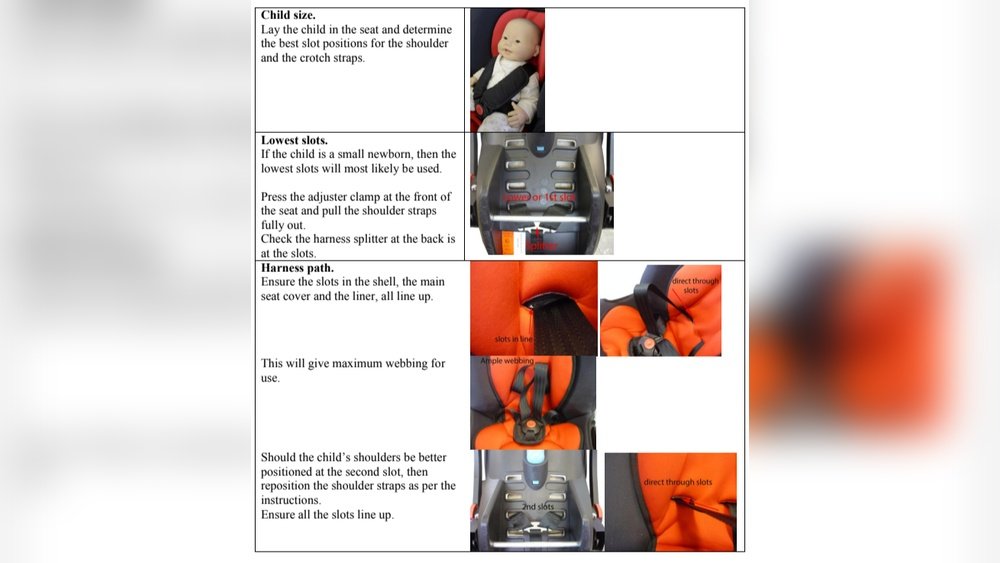
The straps should sit at or just below your infant’s shoulders. Slide the straps through the correct slots on the car seat. Check that the straps are not twisted. Proper shoulder level prevents slipping and keeps your baby safe.
Ensuring A Snug Fit
Straps should be tight but comfortable. You should not be able to pinch any slack at the shoulder. A snug fit keeps your baby secure in a crash. Check the fit every time you place your baby in the seat.
Common Mistakes To Avoid
Adjusting infant car seat straps is important for your baby’s safety. Many parents make simple mistakes that reduce protection. Avoiding these errors keeps your child secure and comfortable.
Using Incorrect Harness Slots
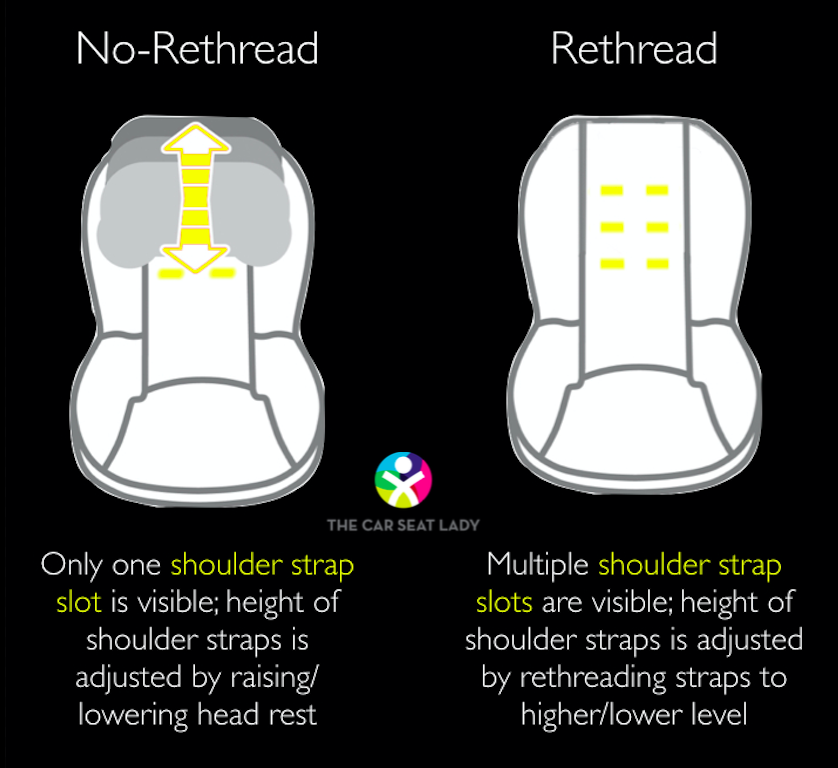
Harness slots hold the straps at the right height. Using the wrong slot weakens safety. Straps should be at or just below your baby’s shoulders. Check this each time you adjust the seat.
Overtightening The Straps
Straps should be snug but not too tight. Overtightening can hurt your baby or cause discomfort. You should fit one finger between the strap and your baby’s chest. This ensures safety and comfort.
Ignoring Manufacturer Guidelines
Each car seat is different. Manufacturer instructions explain how to adjust straps correctly. Ignoring these rules can lead to unsafe setups. Always read and follow the manual carefully.
Additional Safety Tips
Keeping your infant safe during car rides goes beyond adjusting the straps correctly. Small habits can make a big difference in safety. These tips help maintain the car seat’s effectiveness and protect your child.
Regular Strap Checks
Straps can loosen or twist during rides. Check them before every trip. Make sure straps lie flat and snug against your baby’s body. No slack or twists allowed. Adjust the harness to fit your child’s current size. This prevents slipping in case of sudden stops.
When To Replace The Car Seat
Car seats have expiration dates. Check the label for this important info. Replace the seat after any crash, even minor ones. Old seats may lose strength and safety. Using an expired or damaged seat puts your baby at risk.
Using Accessories Safely
Avoid adding extra padding or covers unless they come with the seat. Some accessories can change how straps fit. This reduces protection during a crash. Use only approved accessories made for your car seat model. Keep the area clear around the baby for proper restraint.
Credit: thecarseatlady.com

Credit: www.youtube.com
Frequently Asked Questions
When Should I Tighten Infant Car Seat Straps?
Tighten straps when they feel loose or you can pinch excess webbing. Straps must fit snugly to keep your baby safe and secure.
How Often Should Infant Car Seat Straps Be Adjusted?
Adjust straps whenever your baby grows or changes clothing thickness. Regular checks ensure straps fit properly for optimal safety and comfort.
Can Loose Car Seat Straps Harm My Infant?
Yes, loose straps increase injury risk in crashes. Secure straps prevent excessive movement and provide essential protection during travel.
When Is It Time To Move To The Next Harness Slot?
Move straps to the next slot when shoulder level reaches current slot. Proper slot placement keeps straps positioned correctly for maximum safety.
Conclusion
Adjusting infant car seat straps keeps your baby safe and comfortable. Straps should fit snugly, with no slack or twists. Check straps often as your baby grows and changes size. Straps that are too loose or tight can cause harm.
Make adjustments after dressing your baby in different clothes. Regular checks ensure your child stays secure during every ride. Keep these tips in mind for worry-free travel with your little one. Safety always comes first when using infant car seats.
