
Your child’s safety in the car depends on one simple thing: the car seat straps. But do you really know when to adjust them?
Too loose, and the straps won’t protect your little one properly. Too tight, and they could be uncomfortable or even unsafe. You’ll discover the key moments to check and adjust those straps to keep your child secure and comfortable every time you hit the road.
Keep reading—your child’s safety is worth it.
Car Seat Strap Basics
Understanding car seat straps is key to keeping your child safe. Straps hold your child in place during a ride. They stop your child from moving or falling out. Knowing about straps helps you know when to adjust them. Proper strap use means better protection for your little one.
Straps come in different types. Each has a special job. Learning about these types makes it easier to use them right. Safety depends on how well straps fit your child. Let’s explore the basics of car seat straps now.
Types Of Straps
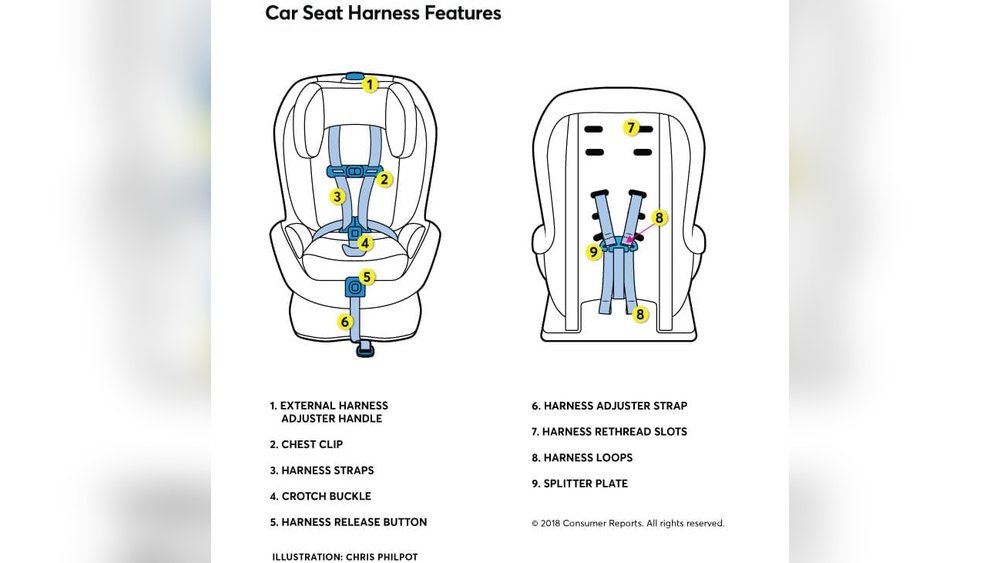
Car seats use mainly two strap types: harness straps and chest clips. Harness straps go over the shoulders and buckle between the legs. They hold the child securely in the seat. Chest clips keep harness straps in the right place on the chest. Some seats have adjustable straps for height and tightness. Each strap type works together to keep your child safe.
Role In Child Safety
Straps stop your child from moving during sudden stops. They reduce injury risk in a crash. Tight straps hold your child firmly, but not too tight. Loose straps can cause harm in an accident. Correct strap use spreads crash force safely. They protect the head, neck, and body. Adjusting straps as your child grows is vital for safety.
Credit: www.chiccousa.com
Signs To Adjust Straps
Knowing when to adjust the straps on a car seat is very important. Proper strap adjustment keeps your child safe and comfortable. Straps that are too loose or tight can cause harm in a crash. Watch for clear signs that show it is time to change the straps. These signs help you keep your child secure on every ride.
After Growth Spurts
Children grow fast. Sometimes in just a few weeks, their size changes a lot. After a growth spurt, the straps may become too tight or too loose. Check the straps regularly to see if they fit well. Straps should be snug but not dig into the skin. Adjust them to match your child’s current size.
When Switching Seat Positions
Changing the car seat position means straps may need adjustment. Moving from rear-facing to forward-facing seats often requires strap changes. The height and tightness must fit the new position. Always check the straps after moving the seat. This ensures your child stays safe and comfortable.
Post-accident Checks
Any car accident, big or small, can affect the straps. Even if the seat looks fine, the straps might be damaged or stretched. Inspect the straps carefully after a crash. Replace or adjust them if you see wear or looseness. Safety is the top priority after an accident.
How To Check Strap Fit
Checking the strap fit on a car seat keeps your child safe during travel. Proper strap fit helps protect your child in case of sudden stops or accidents. Learn how to check the straps for the best fit every time.
Tightness Test
First, pull the straps snugly over your child’s shoulders. The straps should lie flat without twists. Try to pinch the strap near the shoulder. You should not be able to pinch any slack. If you can pinch the strap, tighten it.
Strap Height Alignment
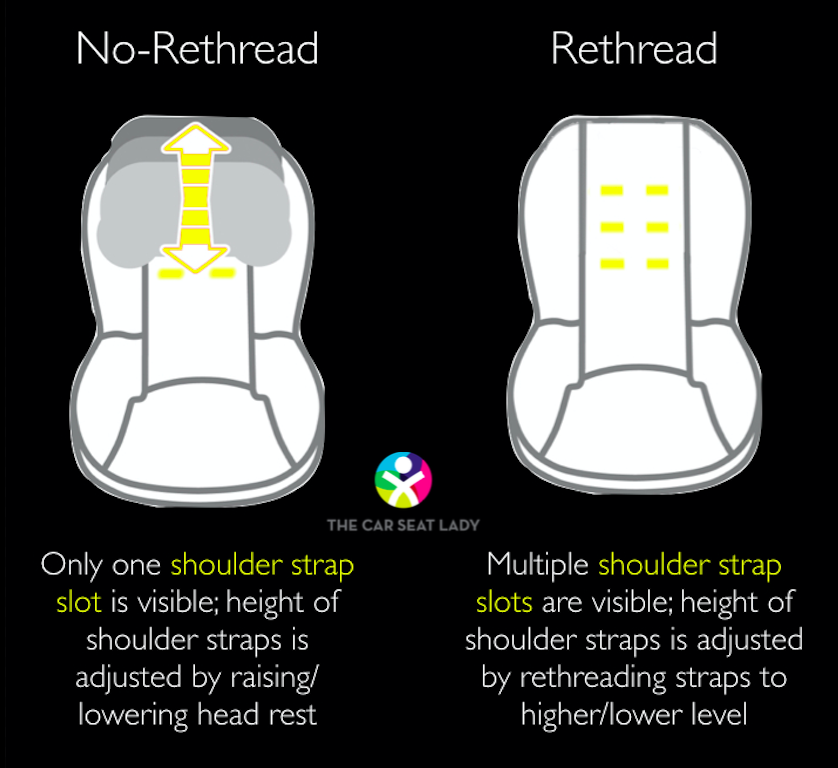
Check the strap height to match your child’s shoulders. For rear-facing seats, straps should be at or below the shoulders. For forward-facing seats, straps should be at or above the shoulders. Adjust the straps as your child grows to keep them in the right position.
Chest Clip Position
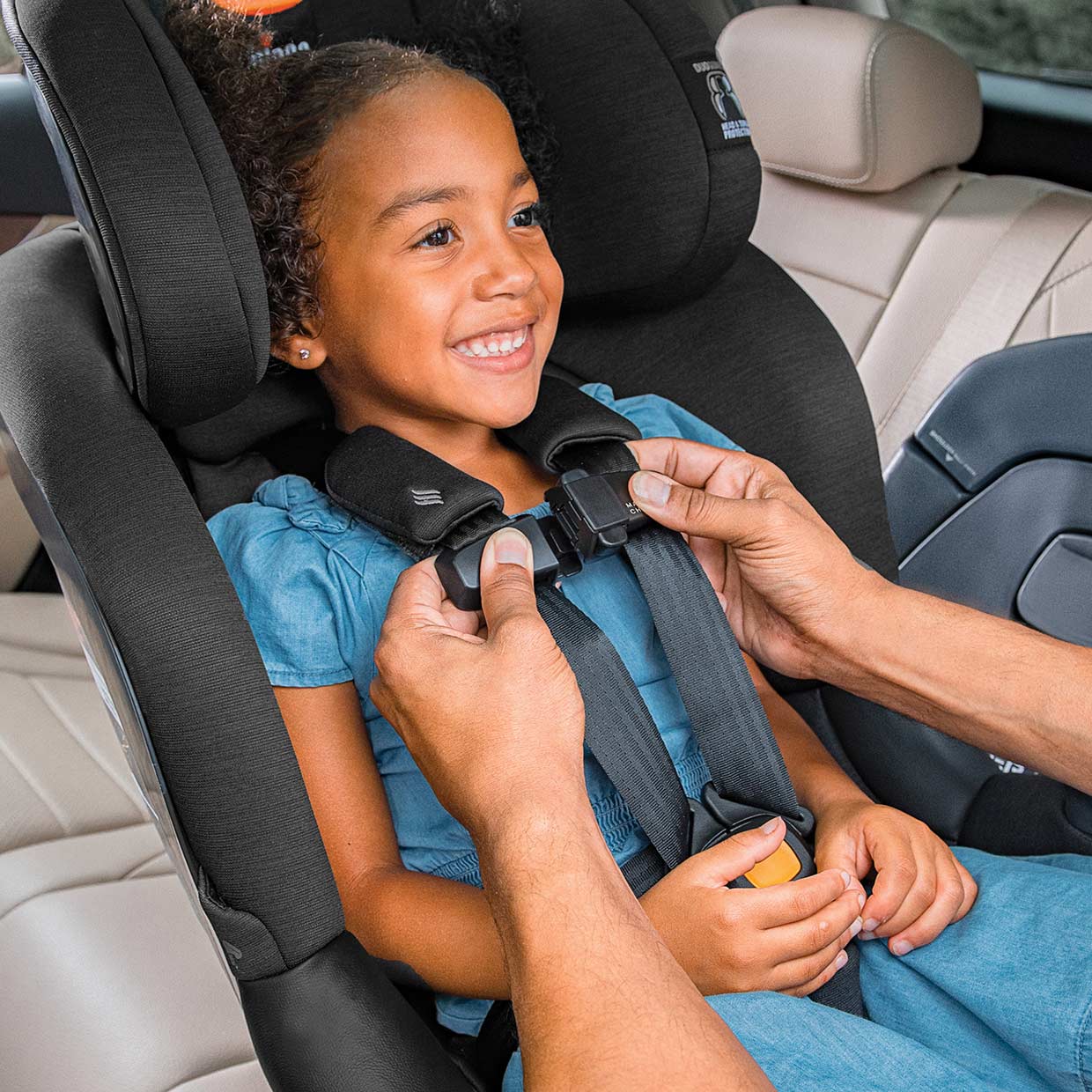
Place the chest clip at armpit level. This keeps the straps properly placed on the chest. A chest clip that is too high or too low can cause injury. Always slide the chest clip to the correct position after tightening straps.
Common Strap Adjustment Mistakes
Adjusting car seat straps correctly is crucial for child safety. Mistakes in strap adjustment can reduce protection during a crash. Parents often make errors that are easy to avoid. Knowing these common mistakes helps keep children safer on every trip.
Too Loose Or Too Tight
Straps that are too loose can allow a child to slip out in a crash. Loose straps fail to hold the child firmly in place. On the other hand, straps that are too tight can cause discomfort and restrict breathing. The right fit is snug but not painful. A good test is to slide one finger under the strap. If you cannot, the strap is too tight.
Incorrect Chest Clip Placement
The chest clip keeps the straps positioned properly on the child’s chest. Many place it too low or too high, which weakens its function. The clip should be at armpit level. This position keeps the straps over the shoulders. Incorrect placement can lead to serious injuries in a crash.
Ignoring Manufacturer Guidelines
Each car seat has specific instructions for strap adjustment. Ignoring these can lead to unsafe fits. Guidelines include proper strap height, tightness, and clip position. Always read the manual before adjusting straps. Following these rules ensures the best protection for your child.
Safety Tips For Strap Maintenance
Keeping car seat straps safe is very important for your child’s protection. Proper strap maintenance helps avoid accidents and discomfort. Regular care ensures the straps work well every time your child uses the seat.
Regular Inspections
Check the straps often for any signs of wear or damage. Look for frays, cuts, or weak spots. Make sure the buckles and adjusters work smoothly. Catch problems early before they become serious.
Cleaning And Care
Clean straps with mild soap and warm water only. Avoid harsh chemicals or bleach that weaken fabric. Let straps air dry completely before use. Keep straps free from dirt and sticky residues.
Replacing Worn Straps
Replace straps if they show damage or wear. Use parts made by the car seat manufacturer. Do not use straps from other seats or homemade fixes. Proper replacement keeps safety standards high and protects your child.

Credit: support.mountainbuggy.com
When To Seek Professional Help
Knowing when to seek professional help with car seat straps is important. Adjusting straps incorrectly can reduce safety. Professionals ensure the straps fit your child perfectly. They provide peace of mind and prevent mistakes.
Certified Car Seat Technicians
Certified car seat technicians are trained experts. They understand different car seat models and safety rules. These technicians can check the strap tightness and positioning. They help with proper installation and adjustment. Using their service reduces the risk of injury in a crash.
Using Local Safety Resources
Many communities offer free car seat check events. Local fire stations, hospitals, or police departments host them. These events provide access to trained technicians. You can get hands-on help and advice. Local resources make it easy to get proper strap adjustment.
Credit: thecarseatlady.com
Frequently Asked Questions
When Should I Tighten Car Seat Straps?
Tighten straps when your child grows or if straps feel loose. Straps must be snug to ensure safety. Check straps monthly or after heavy use.
How Do I Know If Straps Need Adjustment?
Adjust straps when they sit too low or too high on shoulders. Also, check if straps are twisted or too loose. Proper fit prevents injury in a crash.
Can I Adjust Straps Without Removing The Car Seat?
Yes, most car seats allow strap adjustment without removal. Use the harness adjuster or rethread straps. Always follow your car seat manual for safe adjustments.
Why Is Strap Height Important In Car Seats?
Strap height ensures proper restraint in a crash. Incorrect height can cause injury or ejection. Adjust straps to shoulder level or slightly above for rear-facing seats.
Conclusion
Adjusting car seat straps keeps your child safe and comfortable. Straps should fit snugly against your child’s body. Check the fit often as your child grows. Straps that are too loose or tight can cause harm. Always follow the car seat manual for proper strap height.
Regular checks help prevent accidents and injuries. Safety starts with correct strap adjustments every ride. Stay alert and keep your child secure on the road. Simple steps protect your little one during every trip.
