
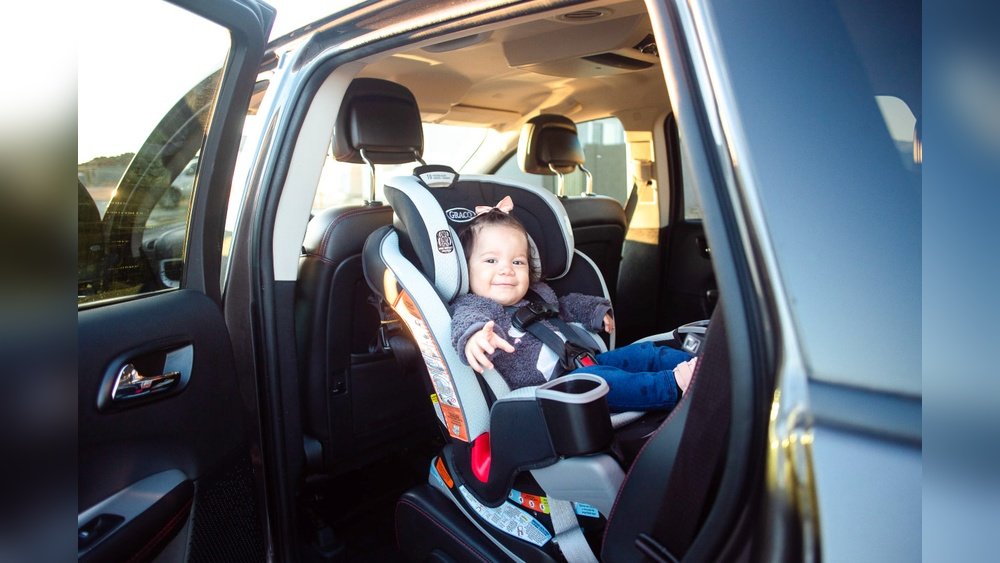
Are you wondering when it’s time to switch your child to a convertible car seat? Making this move at the right moment is important for your child’s safety and comfort.
You want to be sure your little one is secure without rushing or waiting too long. You’ll discover clear signs and simple guidelines to help you decide exactly when to make the change. Keep reading to protect your child and feel confident every time you hit the road.
Signs Your Child Is Ready
Knowing the right time to switch your child to a convertible car seat is important. It keeps your child safe and comfortable during rides. Different signs show that your child is ready for this change. These signs include age, size, and behavior. Paying attention to these clues helps you make the best choice.
Age Guidelines
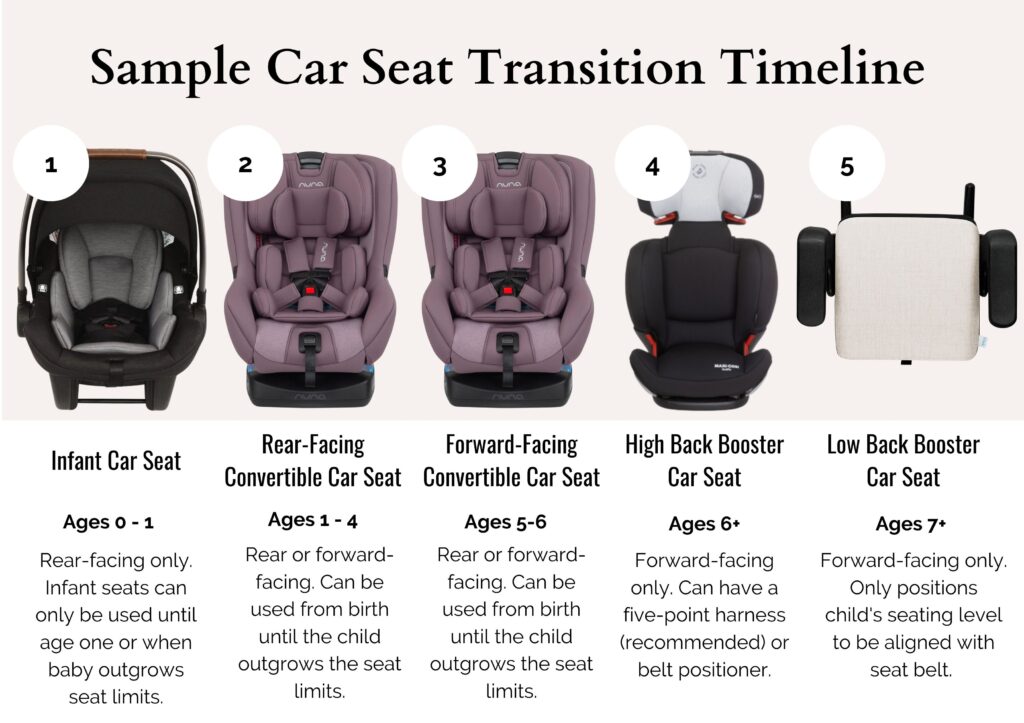
Most children move to a convertible car seat around one year old. Some may switch earlier or later depending on growth. Experts often suggest waiting until your child can sit up well on their own. This usually happens between 12 and 24 months. Always check your car seat manual for age recommendations.
Weight And Height Limits
Weight is a key factor in changing car seats. Rear-facing infant seats usually hold children up to 30 pounds. When your child grows beyond this, it may be time to move to a convertible seat. Height matters too. If your child’s head is near the top of the seat, it’s a sign to upgrade. Convertible seats often allow kids to sit rear-facing up to 40 pounds.
Behavioral Indicators
Watch how your child acts in the seat. If they seem cramped or uncomfortable, they might need a bigger seat. Fidgeting or trying to climb out can show that the current seat is too small. A child who sits calmly and fits well inside the seat is likely ready for the switch. Safety and comfort should guide your decision.
Benefits Of Convertible Car Seats
Convertible car seats offer many advantages for parents and children. They grow with your child, providing safety and comfort over a longer time. Choosing a convertible car seat means fewer changes and better protection.
Extended Use
Convertible car seats can be used for infants and toddlers. They fit children from about 5 pounds to 65 pounds. This means you do not need to buy multiple seats as your child grows. It saves space and hassle in your car. You can switch from rear-facing to forward-facing easily.
Enhanced Safety Features
These seats often include advanced safety features. Side-impact protection and strong harness systems keep children secure. They meet or exceed safety standards. The sturdy design helps reduce injury during accidents. Adjustable straps and headrests ensure a proper fit every time.
Cost-effectiveness
Buying one seat for several years saves money. No need to buy separate infant and toddler seats. Less spending on new car seats means more budget for other needs. Durable materials mean the seat lasts through multiple children. A smart choice for families on a budget.
Rear-facing Vs. Forward-facing
Choosing between rear-facing and forward-facing car seats is a key step for your child’s safety. Both options have distinct roles depending on your child’s age, size, and development. Understanding the differences helps make the right choice at the right time.
Safety Comparisons
Rear-facing seats protect a child’s head, neck, and spine better in crashes. They spread crash forces over the entire body. Forward-facing seats offer support but less protection for the neck. Experts say rear-facing seats reduce injury risk significantly. Keeping your child rear-facing as long as possible is safest.
When To Switch
Switch from rear-facing to forward-facing only after your child reaches the seat’s height or weight limit. Most children stay rear-facing until at least age two. Some car seats allow rear-facing up to 40 pounds. Follow your car seat manual’s rules strictly. Switching too early increases risk of injury.
Common Myths
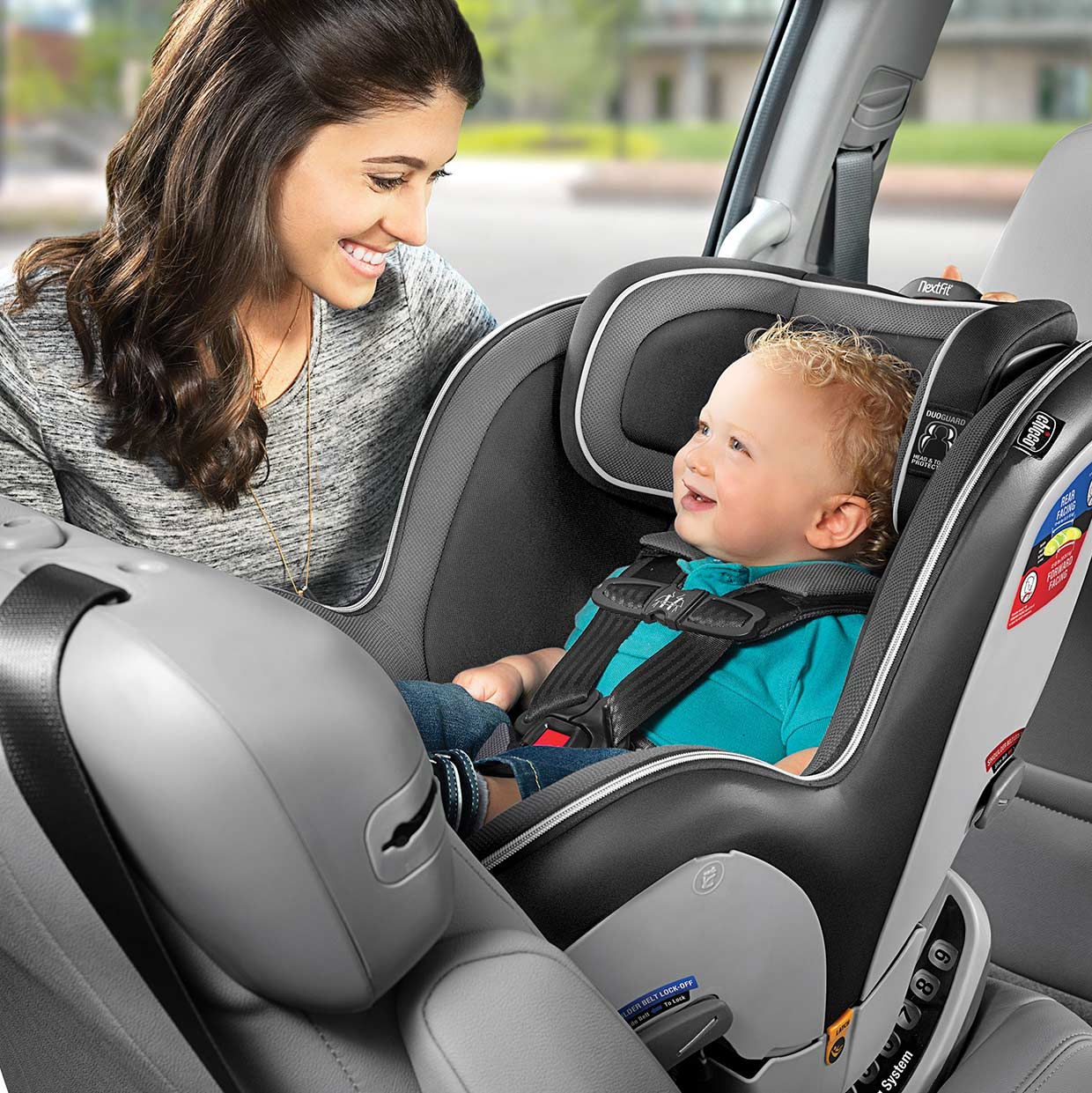
Many believe kids get bored rear-facing. Comfort and visibility improve with proper seat design. Some think forward-facing helps kids see better. Rear-facing seats have deep sides for better protection. Another myth says rear-facing seats are hard to install. Modern seats include easy installation features.
Credit: www.chiccousa.com
Installation Tips For Convertible Seats
Installing a convertible car seat correctly is very important for your child’s safety. This seat grows with your child, so setting it up right ensures protection at every stage. Follow these tips to make the installation easy and secure.
Proper Positioning
Place the convertible seat in the back seat of your car. This is the safest spot for children. Use the seat belt or LATCH system to secure the seat tightly. The seat should not move more than one inch side to side. Check the angle of the seat to keep your child’s head from falling forward. Always follow the car seat manual for specific instructions.
Harness Adjustments
Adjust the harness straps to fit snugly against your child’s body. The straps should lie flat without twists. The harness clip must be at armpit level. Tighten the straps until you cannot pinch any slack. Proper harness fit keeps your child secure during travel.
Avoiding Common Mistakes
Do not use the seat with expired or damaged parts. Avoid placing the seat in the front passenger seat with an active airbag. Never use a seat belt extender to install the car seat. Check that the harness is not too loose or too tight. Always read both the car seat and vehicle manuals for safety guidelines.
Expert Recommendations
Expert recommendations guide parents on the best time to switch to a convertible car seat. These insights come from trusted sources who focus on child safety. Understanding these tips helps parents make safe choices for their children.
Pediatrician Advice
Pediatricians suggest keeping children in rear-facing seats until at least age two. This position offers better protection for a child’s head and neck. After that, moving to a convertible seat in the forward-facing mode is safe. Doctors also remind parents to follow the car seat’s weight and height limits.
Safety Organization Guidelines
Safety groups recommend using convertible car seats after children outgrow infant seats. The American Academy of Pediatrics advises rear-facing as long as possible. Convertible seats support both rear and forward-facing positions. This flexibility helps keep children safe during growth stages.
Real-world Experiences
Many parents share their stories about switching to convertible seats. They report better comfort and longer use with these seats. Parents note the importance of reading instructions carefully. Real experiences highlight the value of proper installation and timing.
Credit: vixencomposites.com
Troubleshooting Challenges
Switching to a convertible car seat can bring new challenges. Parents often face issues that make the change tricky. Knowing how to handle these problems helps keep kids safe and happy.
Dealing With Resistance
Children may resist using the new seat at first. The shape and feel differ from their old seat. Patience is key. Let your child explore the seat before you start using it. Praise them for sitting in it. Small rewards can help encourage cooperation.
Keep the seat clean and comfortable. Sometimes, resistance comes from discomfort. Check straps and padding regularly. Adjust the seat to fit your child snugly but gently. Comfort reduces fussiness and makes the seat more inviting.
Fitting In Different Vehicles
Not all cars fit convertible seats the same way. Measure the seat and your car’s space. Try installing the seat in each vehicle you use often. Some seats need extra adapters or different installation methods. Follow the manufacturer’s guide carefully.
Test the seat’s stability after installation. A secure seat is crucial for safety. If the seat moves too much, try adjusting the straps or changing the angle. Consider professional help if unsure. Many stores offer installation checks for free.
Maintaining Comfort
Comfort affects how long children stay seated calmly. Use soft seat covers that are breathable. Remove bulky clothing before buckling your child in. This helps the seat fit better and feels nice on their skin.
Check the seat temperature, especially in hot or cold weather. Use sunshades or blankets to keep your child cozy. Regular breaks during long trips help too. Let your child stretch and move safely outside the car.

Credit: www.babylist.com
Frequently Asked Questions
When Is The Right Age To Switch To A Convertible Car Seat?
Most children switch to a convertible car seat between 1 and 4 years old. It depends on their weight, height, and development. Always follow the car seat manufacturer’s guidelines for safe transition timing to ensure maximum protection.
What Weight Limits Define Moving To A Convertible Car Seat?
Children typically move to a convertible car seat once they exceed 22 to 35 pounds. Check the specific limits on your car seat model. Staying within these limits ensures the seat offers proper support and safety.
How Do I Know If My Child Fits A Convertible Car Seat?
Your child fits if their height and weight are within the seat’s limits. The child’s shoulders should align with the seat’s harness slots. Proper fit ensures safety and comfort during rides.
Can I Use A Convertible Car Seat Rear-facing?
Yes, most convertible car seats can be used rear-facing for infants and toddlers. Rear-facing is safest until the child reaches the seat’s height or weight limit. Always follow the manufacturer’s instructions for installation.
Conclusion
Choosing the right time to switch to a convertible car seat keeps your child safe. Watch their weight and height carefully. Follow the seat’s instructions for best use. Never rush the change; comfort matters too. A proper fit helps protect your little one in every ride.
Keep checking the seat’s condition regularly. Safety always comes first on the road. Trust your judgment and stay informed. Your child’s safety depends on smart choices. Simple steps make a big difference.
