
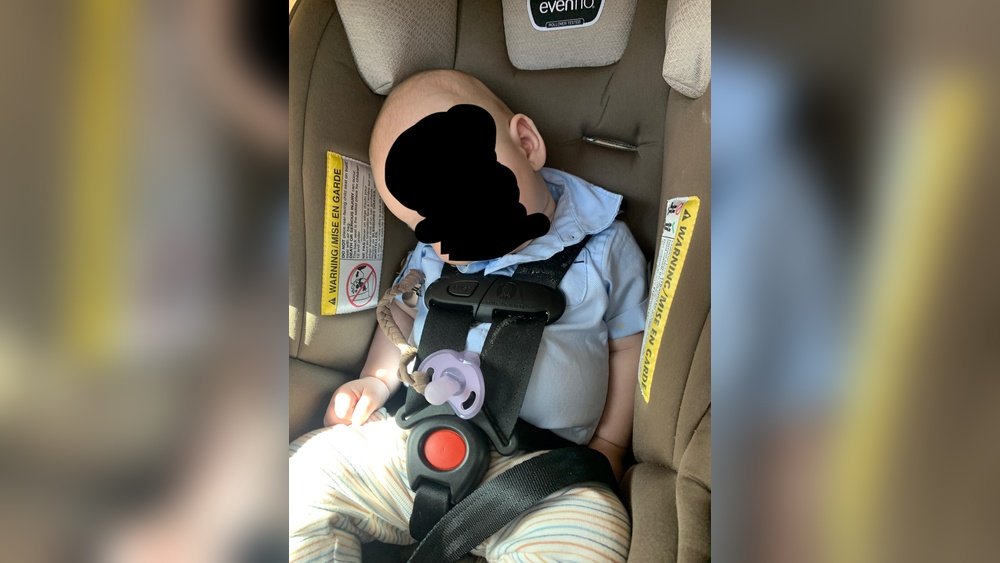
You want to keep your baby safe and comfortable every time you buckle them into their car seat. But how do you know when it’s the right time to remove the infant insert?
Leaving it in too long or taking it out too soon can affect your child’s safety and comfort on the road. You’ll discover clear signs and expert tips to help you make the best decision for your little one. Keep reading to ensure your baby’s car rides are both secure and cozy.
Infant Inserts In Car Seats
Infant inserts are special cushions designed for car seats. They help newborns fit snugly and safely in the seat. These inserts support a baby’s head, neck, and body. They also keep infants comfortable during travel.
Parents often wonder how long to use these inserts. Knowing their purpose and types helps make that decision easier.
Purpose And Benefits
Infant inserts keep babies secure and stable in car seats. They prevent the baby’s head from falling to the side. This support protects the neck and spine from injury. The inserts also fill extra space in larger seats. This makes the baby feel cozy and reduces movement. A snug fit can help calm fussy infants. It also helps maintain correct seat belt positioning for safety.
Types Of Inserts
There are several types of infant inserts available. Some are made from soft foam for comfort. Others use breathable fabric to reduce sweating. Some inserts come with extra padding around the head. Others focus on body support and alignment. Certain car seats include their own custom inserts. Parents can also buy universal inserts that fit many seats. Choosing the right type depends on the baby’s size and the seat model.

Credit: dpsjanowicewielkie.pl
Signs To Remove The Insert
Knowing when to remove the infant insert in a car seat is important for your baby’s safety. The insert helps newborns fit snugly and supports their small bodies. Over time, your baby will grow and need more space. Watch for clear signs that the insert no longer fits well. Removing it at the right time keeps your child comfortable and safe during travel.
Baby’s Growth Indicators
Notice how your baby moves inside the seat. If your baby’s body feels crowded or squeezed, it may be time to remove the insert. Check if the baby’s shoulders and hips touch the insert edges. Babies who start sitting up more strongly often need the extra space. Look for more head and leg movement, which shows growing strength and size.
Weight And Height Limits
Car seat manuals list weight and height limits for using the infant insert. Follow these limits strictly. If your baby’s weight passes the insert’s maximum, remove it immediately. Height is also key; when your baby’s head is near the top edge of the insert, it is time to switch. Use a tape measure or scale to check your baby regularly.
Head And Neck Positioning
Proper head and neck support is critical for safety. The insert supports a newborn’s head to keep it steady. If your baby’s head no longer fits well or tilts to the side, the insert may be too small. Make sure the head stays centered and does not flop forward. Good neck control means your baby is ready for the insert to come out.
Safety Risks Of Using Inserts Too Long
Using an infant insert in a car seat helps small babies fit better. But keeping it too long can cause safety problems. Parents must know when to remove the insert to keep their child safe during travel.
Leaving the insert in after your baby grows can affect the car seat’s safety. It changes how the harness fits and how the seat protects your child. Understanding these risks can help prevent injuries.
Impact On Harness Fit
Inserts add extra padding that changes the harness position. As your baby grows, the harness may become too loose or tight. Poor fit reduces the car seat’s ability to hold your child safely.
A loose harness can allow too much movement in a crash. A tight harness can cause discomfort or breathing problems. The correct fit is critical for maximum protection.
Potential For Injury
Using an insert too long can increase injury risk during a crash. The insert may shift, causing the baby to slide or fall out. It can also create pressure points, leading to bruises or worse injuries.
Proper positioning without extra padding helps distribute crash forces safely. Inserts designed for smaller infants can become harmful if your child outgrows them.
Reduced Car Seat Effectiveness
Car seats are tested without extra inserts. Adding padding changes how the seat absorbs crash energy. This may reduce the seat’s ability to protect your child.
Using the insert too long can prevent the car seat from working as designed. Removing it at the right time ensures the seat provides full safety benefits.
Transitioning Without The Insert
Transitioning your baby out of the infant insert is a key step in their car seat journey. This change helps your child sit more comfortably and safely as they grow. Removing the insert means adjusting the seat for your baby’s new size and shape.
Parents must pay attention to the harness, seat position, and comfort. These changes ensure your child stays secure without the extra padding. The process can be smooth with careful steps.
Adjusting Harness Straps
The harness straps need to fit snugly around your child. Remove the infant insert before adjusting the straps. Move the straps to a higher slot to match your baby’s height. Check that the straps lie flat and do not twist. A proper fit keeps your baby safe during travel.
Ensuring Proper Seat Position
Without the insert, the seat may need a different recline angle. Follow the car seat manual for the correct position. The seat should support your baby’s head and back well. Proper positioning reduces movement and increases safety.
Monitoring Comfort And Support
Watch your baby closely after removing the insert. Look for signs of discomfort or slipping. Use soft blankets if extra padding is needed but avoid thick items. Comfort ensures your baby stays happy and calm during rides.
Expert Recommendations
Choosing the right time to remove the infant insert in a car seat is important for your baby’s safety. Experts provide clear advice on when to make this change. Following their guidance helps protect your child during every ride.
Understanding expert recommendations ensures you do not remove the insert too early or too late. This section breaks down advice from key sources.
Manufacturer Guidelines
Car seat makers design infant inserts to support newborns. Each brand has specific instructions on when to remove these inserts. Check the manual that comes with your car seat carefully. Most recommend removal once your baby reaches a certain weight or size. Following these guidelines helps keep your child safe and comfortable.
Pediatrician Advice
Doctors who care for babies offer practical tips on car seat use. Pediatricians suggest removing the insert when your baby shows signs of outgrowing it. Watch for your baby’s head or body touching the car seat sides too much. Your doctor may also recommend removing it based on your baby’s development and growth.
Car Seat Safety Organizations
Groups focused on child safety provide clear standards. Organizations like the National Highway Traffic Safety Administration (NHTSA) give advice on car seat inserts. They stress removing the insert only when your baby fits properly without it. These agencies promote safe travel and often update their recommendations. Always check their advice to keep up with safety best practices.
Common Mistakes To Avoid
Parents often face challenges deciding when to remove the infant insert in a car seat. Mistakes can affect your baby’s safety and comfort. Knowing common errors helps you avoid problems and keep your child secure during every trip.
Removing Insert Too Early
Taking out the insert too soon can harm your baby’s safety. The insert supports your infant’s head and body. Without it, your baby may not fit the seat correctly. Wait until your child’s size and strength grow enough. Check the car seat manual for the right timing.
Ignoring Baby’s Developmental Changes
Babies grow fast and change their needs quickly. Ignoring these changes can cause discomfort or danger. Watch for signs like head control, size, and posture. Adjust the insert to match your baby’s current stage. This keeps them safe and cozy during rides.
Incorrect Insert Placement
Placing the insert wrong reduces its protection. A poorly placed insert can shift during travel. Make sure the insert fits snugly and aligns with the seat. Follow the instructions carefully to avoid gaps or loose spots. Proper placement maximizes safety and comfort for your baby.
Additional Safety Tips
Removing the infant insert at the right time is important. Safety does not stop there. Follow extra steps to keep your child safe in the car seat. These tips help protect your baby during every ride.
Regular Car Seat Checks
Check the car seat often for wear and tear. Look for cracks, broken parts, or loose straps. Clean the seat to remove dirt and crumbs. Make sure the harness fits snugly and is not twisted. Regular checks keep the seat in good shape and safe to use.
Proper Installation
Install the car seat firmly in your vehicle. Use the seat belt or LATCH system correctly. The seat should not move more than one inch side-to-side. Follow the car seat manual for step-by-step instructions. Proper installation lowers the risk of injury during crashes.
Using Age-appropriate Car Seats
Choose a car seat that fits your child’s age and size. Rear-facing seats suit infants and toddlers best. Switch to forward-facing seats only when your child outgrows the rear-facing limits. Using the right seat type ensures better protection and comfort.

Credit: www.reddit.com

Credit: www.liftingitalia.com
Frequently Asked Questions
When Is The Right Time To Remove An Infant Insert?
Remove the infant insert once your baby’s head fills the insert space. Usually, this happens around 3 to 6 months. Check your car seat manual for specific guidelines to ensure proper fit and safety.
Can Removing The Infant Insert Too Early Be Dangerous?
Yes, removing the insert too early can compromise your baby’s support. Infant inserts provide proper head and neck support for small babies. Ensure your baby is big enough to sit safely without the insert before removing it.
How Do I Know If My Baby Still Needs The Insert?
If your baby’s head is smaller than the car seat’s shell, keep the insert. The insert offers extra cushioning and support. Remove it only when your baby’s head and body fit securely without extra padding.
Does Weight Or Age Determine When To Remove The Insert?
Both weight and age matter. Most infants outgrow inserts between 10-15 pounds or 3-6 months old. Always follow the car seat manufacturer’s recommendations for the safest removal time.
Conclusion
Removing the infant insert at the right time keeps your baby safe and comfortable. Watch your child’s size and head position closely. When their body fills the seat without the insert, it’s time to take it out. Always follow the car seat maker’s instructions for safety.
A good fit means better protection during every ride. Stay alert and adjust as your baby grows. Your careful attention helps keep every trip safe and smooth. Safety first, always.
