
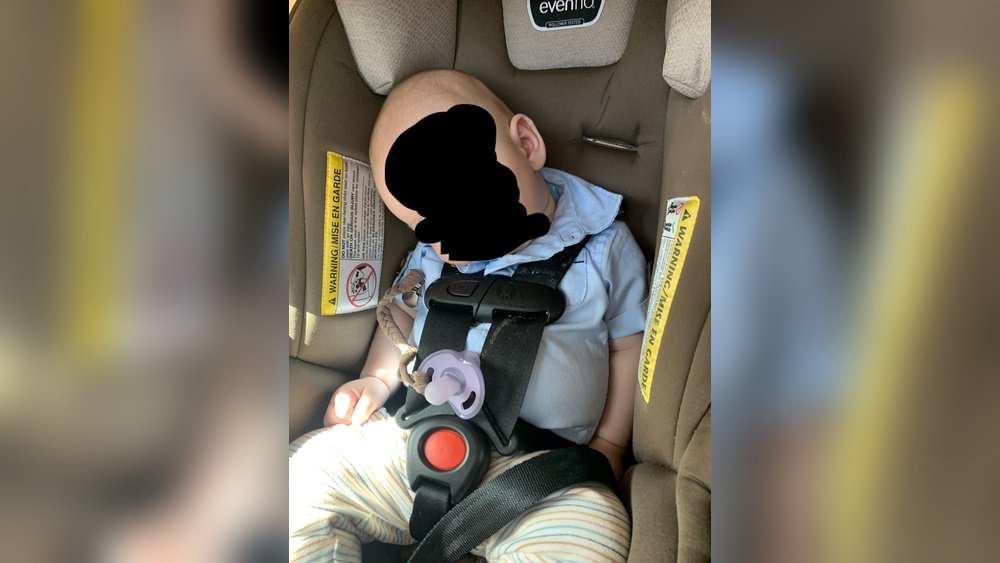
You want your baby to be as safe and comfortable as possible during every car ride. The infant insert in your car seat plays a big role in keeping your little one snug and secure.
But how do you know when it’s time to remove it? Leaving it in too long or taking it out too soon can affect your child’s safety and comfort. You’ll discover the clear signs and simple guidelines to help you decide the perfect moment to remove that infant insert.
Keep reading—you’ll feel more confident and prepared for every trip ahead.

Credit: dpsjanowicewielkie.pl
Infant Insert Purpose
The infant insert is a soft, padded cushion placed inside a car seat. It helps newborn babies fit safely and comfortably. This extra padding supports their small bodies and keeps them secure. Parents often wonder when to remove this insert. Understanding its purpose helps make that choice easier.
Benefits For Newborns
Newborns have fragile necks and small bodies. The infant insert keeps them snug and prevents slumping. It reduces the space between the baby and the car seat. This helps protect the baby during sudden stops or bumps. The insert also cushions the baby from hard car seat surfaces. It creates a cozy, secure spot for the baby to rest.
How Inserts Provide Support
The insert supports the baby’s head, neck, and back. It holds the baby in a natural position. This reduces strain on developing muscles. The insert also keeps the harness straps close to the body. This ensures the straps fit properly and do not slip. A well-supported baby stays safer and more comfortable on every trip.
Signs To Remove Insert
Knowing the right time to remove the infant insert from your baby’s car seat is important. The insert provides extra support and comfort for newborns. As your baby grows, it may become less safe and less comfortable to keep the insert in place.
Watch for clear signs that show your baby is ready to ride without the insert. These signs help keep your baby safe and comfy during every trip.
Baby’s Size And Weight
The most obvious sign is your baby’s size and weight. The infant insert is made for small babies. If your baby starts to outgrow the insert’s limits, it is time to remove it. Check the car seat manual for exact weight and height limits. Exceeding these limits can make the insert unsafe.
Head And Body Positioning
Look at how your baby sits with the insert. If your baby’s head is too high or not properly supported, the insert may be too small. The body should fit naturally without curling up or feeling cramped. If your baby’s neck or back does not rest well, remove the insert. Proper positioning helps avoid strain and injury.
Comfort And Safety Indicators
Notice your baby’s comfort during rides. Fussiness or frequent shifting might mean the insert is uncomfortable. Check that the harness fits snugly and does not press the baby’s body in awkward ways. The insert should not block airflow or cause overheating. Safety comes first, so trust your instincts and watch for any discomfort signs.
Risks Of Early Removal
Removing the infant insert too soon can cause problems for your baby. The insert provides important support and protection. Taking it out early may expose your infant to risks. Understanding these risks helps keep your child safe during every ride.
Lack Of Proper Support
The infant insert holds your baby’s head and body securely. Newborns have weak neck muscles. The insert stops their head from moving too much. Without it, the baby may slump or slide. This can cause discomfort and even breathing issues. Proper support helps your baby stay safe and calm.
Increased Injury Risk
The insert adds extra padding around your baby. It absorbs shock from sudden stops or bumps. Removing it too early reduces this protection. Your baby’s fragile body faces a higher risk of injury. The car seat alone may not cushion your child enough. Keeping the insert in place lowers chances of harm.

Credit: www.liftingitalia.com
Car Seat Manufacturer Guidelines
Every car seat comes with specific instructions from the maker. These rules tell you when to remove the infant insert. Following them helps keep your baby safe and comfortable.
Each infant insert is made to fit certain weights and sizes. Ignoring these rules can make the seat less safe. Always check the guidelines before making changes.
Reading The Manual
The manual is your best guide. It explains how to use the infant insert correctly. Look for sections about weight, height, and seat adjustments.
Don’t skip this step. The manual offers important safety tips. It also tells you when to remove the insert.
Following Weight And Height Limits
Car seat makers set weight and height limits for the insert. Once your baby grows beyond these, remove the insert. This helps the harness fit properly.
Check your baby’s size often. Use a tape measure and a scale. Stay within the safe range recommended by the maker.
Transitioning Without Insert
Removing the infant insert marks an important step in your baby’s car seat journey. This change lets your child have more room and comfort. It also helps keep them safe as they grow. Transitioning without the insert needs care and attention. Ensuring a proper fit and adjusting the harness are key tasks. These steps protect your child during every ride.
Adjusting Harness Straps
After removing the infant insert, check the harness straps. They often need to be moved to a different slot. The straps should sit at or just above your child’s shoulders. Make sure the harness is snug but not too tight. It should lie flat without twists. Proper strap adjustment keeps your baby secure in the seat.
Ensuring Proper Fit
Check the car seat fit without the insert. Your child’s back and bottom should rest fully against the seat. The head should be well supported by the car seat padding. There should be no gaps between your child and the seat. This fit helps protect your child in case of sudden stops. Always follow the car seat manual for best fit guidelines.

Credit: www.reddit.com
Expert Recommendations
Expert recommendations guide parents on when to remove the infant insert from a car seat. These insights come from trusted sources who focus on child safety and comfort. Knowing their advice helps ensure your baby travels securely.
Pediatrician Advice
Pediatricians suggest removing the insert once your baby’s head and neck are stable. This usually happens around 3 to 4 months. The insert supports a newborn’s body and keeps the head in place. After a few months, the baby’s muscles grow stronger. Removing the insert allows more room for movement. It also helps the baby develop better posture. Parents should watch their baby’s size and comfort. If the baby looks cramped or the head is not supported well, it might be time to take out the insert.
Safety Organization Tips
Safety organizations recommend checking the car seat manual for specific guidelines. Each car seat model may have different rules about the insert. Most advise removing the insert when the baby’s weight or height limit is reached. The insert should not interfere with the harness fit. A snug harness is vital for safety during travel. Inserts are for small infants only. Using them past the recommended stage can reduce safety. Regularly inspect the car seat and the insert condition. Replace inserts that are worn out or damaged to keep your baby safe.
Common Mistakes To Avoid
Using an infant insert correctly is very important for your baby’s safety and comfort. Many parents make simple mistakes about when to remove the insert. These errors can affect how well the car seat protects your child. Understanding common mistakes helps you keep your baby safe on every ride.
Keeping Insert Too Long
Some parents keep the infant insert even after the baby outgrows it. This can make the car seat harness too loose. A loose harness reduces the seat’s ability to protect your child. It can also cause discomfort and poor posture. Remove the insert once your baby’s head or shoulders are above it. Use the car seat manual to check the right time.
Removing Insert Too Soon
Removing the insert too early can cause your baby to sit too low. This lowers the effectiveness of the car seat’s protection. The baby might move around more, which is unsafe. The insert supports small infants and keeps them snug. Wait until your baby grows bigger before taking it out. Always check weight and height limits for guidance.
Frequently Asked Questions
When Should I Remove The Infant Insert In A Car Seat?
Remove the infant insert when your baby outgrows it. Check the weight and height limits on the car seat manual. Typically, removal happens around 4 to 6 months or when the baby’s head is above the insert.
Why Is The Infant Insert Important For Newborns?
The infant insert provides extra support and cushioning for newborns. It ensures a snug fit, preventing slouching and protecting the baby’s delicate head and neck during travel. It helps maintain proper posture and safety in the car seat.
How Do I Know If My Baby Is Ready Without The Insert?
Your baby is ready when their head is level with or above the insert. Also, if they have enough room for proper seat harness fit, it’s time to remove the insert. Always follow the car seat manufacturer’s guidelines.
Can Removing The Insert Too Early Be Unsafe?
Yes, removing the infant insert too early can cause poor support and increase injury risk. The insert stabilizes small infants, so remove it only when your baby fits properly without it. Always prioritize comfort and safety.
Conclusion
Removing the infant insert at the right time keeps your baby safe. Check your car seat manual for weight and height limits. The baby should sit comfortably without extra padding. Too much padding can cause wrong harness fit. Watch your child’s growth and comfort closely.
A snug and secure fit is the goal. Safety comes first during every car ride. Remember, small changes make a big difference in protection. Stay alert and adjust the seat as needed. Safe travels start with the right car seat setup.
