
If you’ve been in a car accident, you might be wondering if your child’s car seat is still safe to use. This is a question that every parent should take seriously.
Your child’s safety depends on it. Knowing when to replace a car seat after an accident can protect your little one from hidden damages that aren’t always visible. Keep reading to find out exactly what signs to look for and why replacing the seat might be the best choice for your family’s peace of mind.
Don’t take any chances—your child deserves the best protection.
Signs Of Damage
After a car accident, checking for signs of damage on your car seat is crucial. Some damage is easy to spot. Other times, it hides beneath the surface. Knowing what to look for helps keep your child safe.
Visible Cracks And Deformations
Look carefully at the seat shell and frame. Cracks or bends show the seat may not protect well anymore. Even small cracks can grow over time. Deformed parts mean the seat absorbed a strong impact. Replace the seat if you see these signs.
Impact On Structural Integrity
The seat’s strength matters most after a crash. Damage inside the plastic or metal parts can weaken it. The seat might not hold together in another accident. Some damage is not visible but still dangerous. When in doubt, it is safer to get a new car seat.
Harness And Buckle Condition
Check the harness straps and buckle carefully. Straps can stretch or fray after impact. The buckle may stick or fail to latch properly. These issues stop the seat from securing your child tightly. Damaged harness or buckles require immediate replacement.
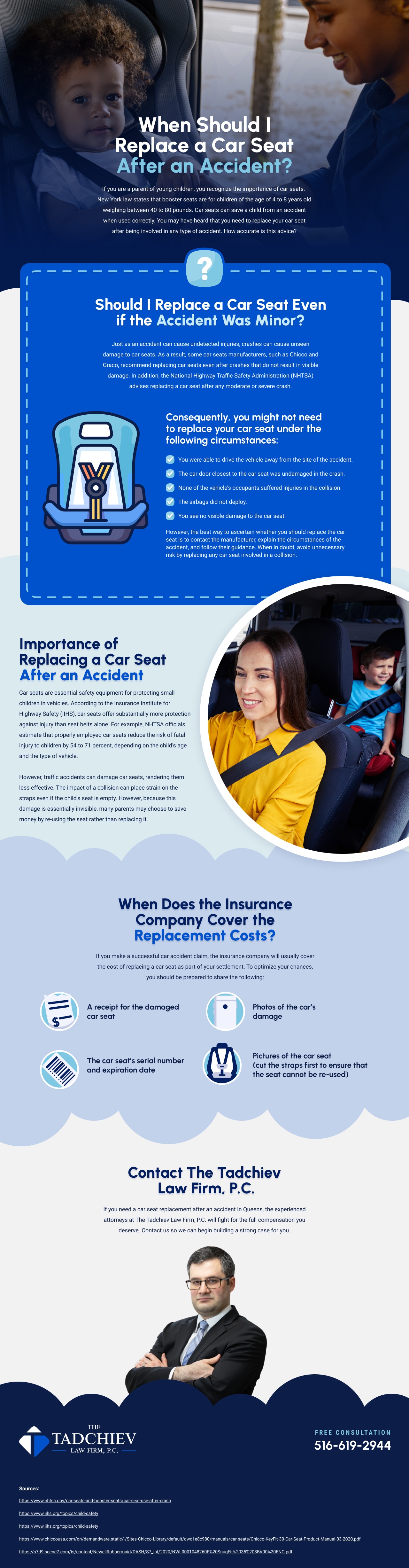
Credit: tadchievlaw.com
Manufacturer Recommendations
Manufacturer recommendations guide you on when to replace a car seat after an accident. These guidelines ensure your child’s safety by following tested standards. Car seat makers design their products to protect children in crashes. They also set rules about replacement and maintenance.
Checking The Manual
The car seat manual has key safety instructions. It tells if a seat must be replaced after a crash. Some seats need replacement after any impact, even minor ones. Others allow use if no visible damage exists. Always read the manual carefully to know what to do.
Recall Notices And Safety Alerts
Manufacturers issue recalls to fix safety problems. Recalls may require replacing the car seat. Check for any recall notices on your seat’s model. Safety alerts inform you about issues found after purchase. Stay updated by visiting the manufacturer’s website.
Expiration Dates
Car seats have expiration dates for safety reasons. Materials weaken over time, reducing protection. Use the seat only within its lifespan. The expiration date is on the seat or in the manual. Replace the seat when it reaches this date, even without an accident.
Types Of Accidents
Car accidents vary in type and severity. Each type affects car seats differently. Knowing the kind of accident helps decide if the car seat needs replacement. The damage might not always be visible. Safety is the top priority for every child. Understanding accident types guides the right action for car seat safety.
Minor Fenders And Their Effects
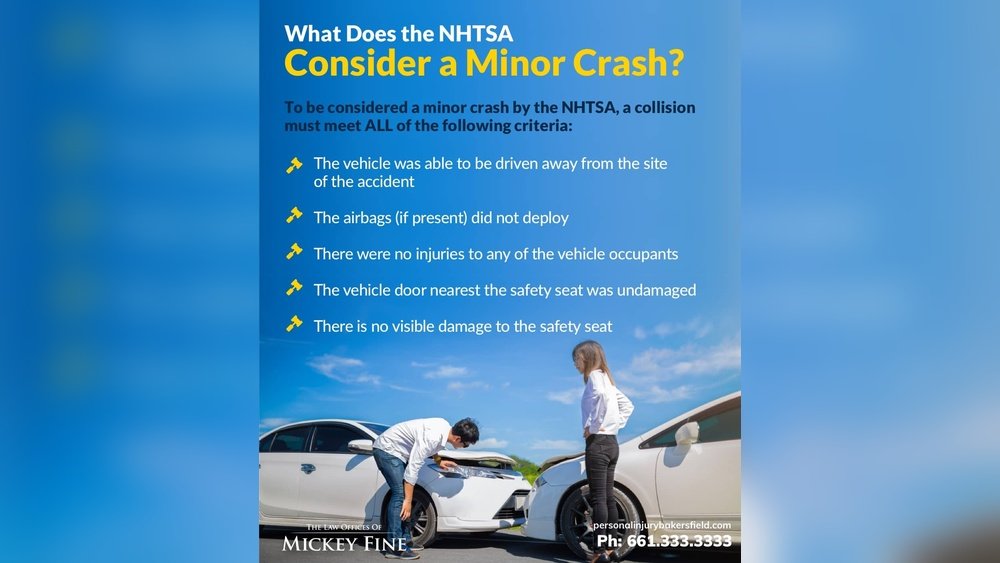
Minor fenders usually involve low-speed bumps or small hits. These accidents rarely cause serious damage to car seats. The seat might look fine, but internal parts could be weakened. Check for cracks, dents, or broken straps. Even small damage can reduce seat safety. If unsure, replace the seat to be safe.
Moderate To Severe Collisions
Moderate and severe collisions put great force on car seats. The impact can break the seat frame or harm the harness system. These damages often go unseen but can be dangerous. Car seats exposed to these collisions should be replaced right away. Protecting the child means never using a seat after a serious crash.
Side-impact Vs. Frontal Impact
Side-impact crashes hit the car from the side. These affect the car seat’s side protection. Frontal impacts hit the car head-on. They stress the seat’s front parts and harness. Both types can damage the seat differently. Always check the seat carefully after any impact. Replace the seat if there is any sign of damage.
Credit: www.chiccousa.com
Safety Standards And Regulations
Car seat safety is a top priority after any accident. Knowing the safety standards and regulations helps you decide when to replace a car seat. These rules protect your child by ensuring the seat still works well. Understanding these guidelines can save lives and avoid injury risks.
Federal Safety Guidelines
The National Highway Traffic Safety Administration (NHTSA) sets federal rules for car seats. They require car seats to meet crash test standards. After an accident, the seat might not protect your child properly. The NHTSA advises replacing the car seat if it was in a moderate or severe crash. This keeps your child safe on every ride.
State Laws On Car Seat Replacement
States may have different laws about car seat replacement. Some states require replacing a car seat after any crash. Others follow federal guidelines but add specific rules. Check your state’s rules to know exactly what to do. Following these laws ensures you avoid fines and keep your child safe.
Certification Labels
Every car seat has a certification label showing it meets safety standards. Look for labels from the NHTSA or other safety groups. These labels include important info like the model number and manufacture date. Keep this information when deciding to replace the seat. It helps confirm the seat’s safety and expiration date.
Inspection Tips After A Crash
After a car accident, checking your child’s car seat is very important. Some damage might not be easy to see. Careful inspection helps keep your child safe. Follow these tips to know what to check and who to ask for help.
Visual And Physical Checks
Start by looking closely at the car seat. Check for cracks in the plastic shell. Look for broken or bent parts. Examine the harness straps for cuts or frays. Make sure the buckles click and release properly. Test the seat’s stability by shaking it gently. Any loose parts can mean the seat is unsafe.
Professional Assessments
Sometimes you need expert advice. A trained child passenger safety technician can inspect the seat. They know what to look for after a crash. They can tell if the seat still meets safety rules. Many fire stations or hospitals offer this service for free or low cost.
When To Contact The Manufacturer
Contact the car seat maker if you find damage or have doubts. The manufacturer can guide you on whether to replace the seat. Some seats have crash history labels or recall info. Keep the model number and date of manufacture ready when you call. This helps get quick and accurate advice.
Replacement Timing
Knowing the right time to replace a car seat after an accident is very important. Not every accident means you must buy a new seat immediately. Some situations need quick action, while others allow more time to decide.
Immediate Replacement Needs
Replace the car seat right away if it was in a crash. Even small accidents can damage the seat’s structure. Cracks or broken parts may not be easy to see. The seat may not protect your child properly anymore. Safety experts always say: better safe than sorry. Using a seat after a crash puts your child at risk.
Signs You Can Wait
Some car seats may still be safe after minor bumps. Check the seat carefully for visible damage. Look for cracks, broken buckles, or loose straps. If the seat seems intact and works well, you might wait. Read the manufacturer’s instructions about accident guidelines. Some brands allow use after certain types of crashes. Always follow these rules to keep safety first.
Balancing Safety And Practicality
Think about both safety and cost when deciding. A new car seat costs money but protects your child. Weigh the risk of using a damaged seat against the price. If unsure, ask a safety expert or your local inspection station. Your child’s safety should guide your choice. Don’t delay replacing a seat if you suspect damage.
Choosing A New Car Seat
Choosing a new car seat after an accident is very important. Safety is the top priority for your child’s protection. The right car seat can provide comfort and security during every trip. Understanding what to look for helps you make the best choice.
Latest Safety Features
New car seats come with advanced safety features. Side-impact protection cushions your child’s head and body. Energy-absorbing foam reduces crash forces. Easy-to-use harness systems keep your child secure. Look for seats that pass strict safety tests and certifications.
Compatibility With Your Vehicle
Not every car seat fits all vehicles. Check if the seat attaches well to your car’s seat belts or LATCH system. Measure your car’s back seat space before buying. A seat that fits tightly and correctly keeps your child safer during travel.
Budget Considerations
Car seats come in many price ranges. Set a budget before shopping. Choose the best safety features within your budget. Remember, a higher price does not always mean better safety. Focus on certified, well-rated models that fit your needs.

Credit: tadchievlaw.com
Frequently Asked Questions
When Should I Replace A Car Seat After A Crash?
Replace a car seat immediately after any moderate or severe crash. Even minor impacts can weaken its safety. Manufacturers recommend replacement to ensure maximum protection for your child.
Can A Car Seat Look Fine But Be Unsafe?
Yes, damage may not be visible but can compromise safety. Internal parts may break or weaken. Always replace after any accident to avoid hidden risks.
How Long After An Accident Can I Use My Car Seat?
Use the car seat only until the accident ends. Replace it as soon as possible afterward. Safety standards require immediate replacement post-crash to protect your child.
Are All Car Seats Replaceable After Every Accident?
Most manufacturers advise replacing after any crash. Some may allow reuse after very minor impacts. Check your car seat manual for specific guidelines and follow them strictly.
Conclusion
A car seat keeps your child safe during travel. After an accident, its strength may weaken. Always check for cracks, dents, or broken parts. Many experts say to replace the seat after any crash. Using a damaged seat can put your child at risk.
Trust safety over saving money. Your child deserves the best protection. Stay alert and follow safety rules. This small step can make a big difference. Keep your child safe on every trip.
