
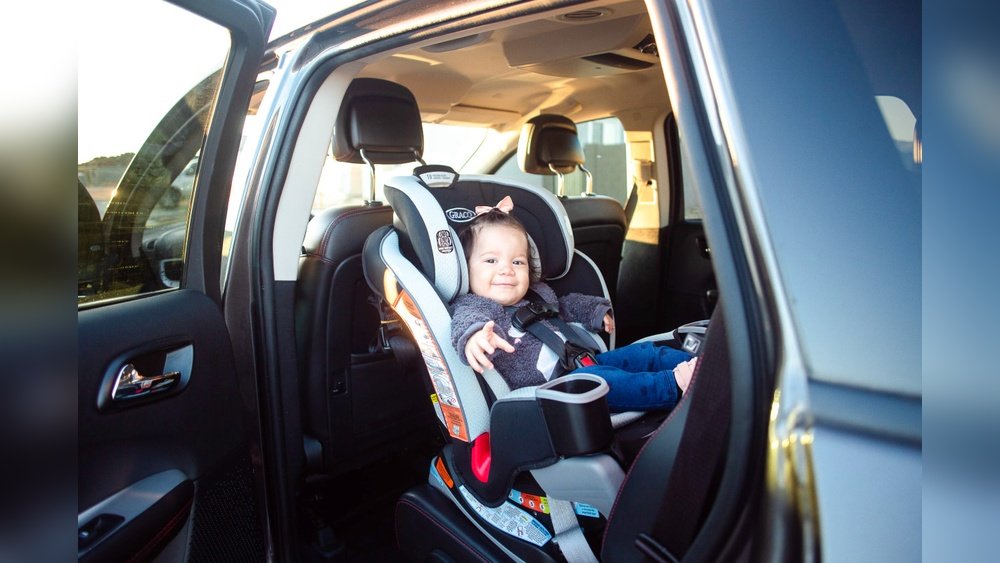
You want to keep your baby safe every time you hit the road. But how do you know when it’s time to switch out of an infant car seat?
Using the right seat at the right time can make a big difference in protecting your little one. If you’re unsure about when to make the change, you’re not alone—and getting it right is easier than you think. Keep reading to discover the key signs and expert tips that will help you make the safest choice for your child’s next ride.
Infant Car Seat Basics
Infant car seats keep babies safe during car rides. These seats fit newborns and small infants. They protect a baby’s head, neck, and body in crashes. Parents must know when to switch to a bigger seat. Understanding the basics helps make the right choice.
Purpose And Design
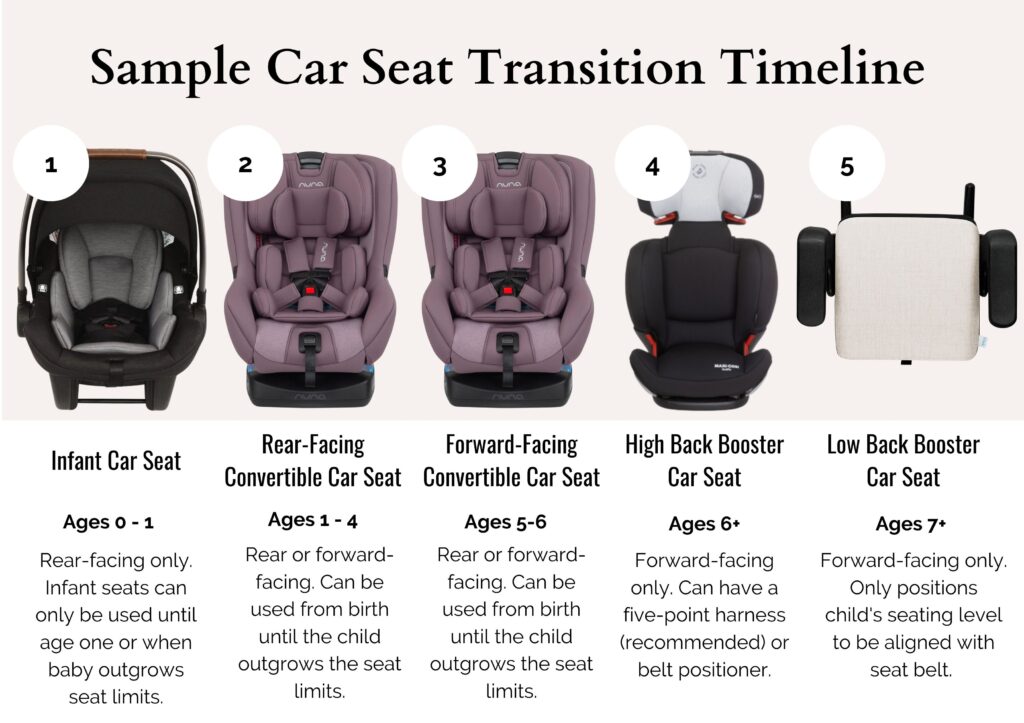
Infant car seats are rear-facing only. This position supports a baby’s fragile spine. The seats have a harness to hold the baby securely. Many come with a handle for easy carrying. The design also offers side impact protection. These seats are lightweight and portable. They fit in most cars with a base or belt.
Age And Weight Guidelines
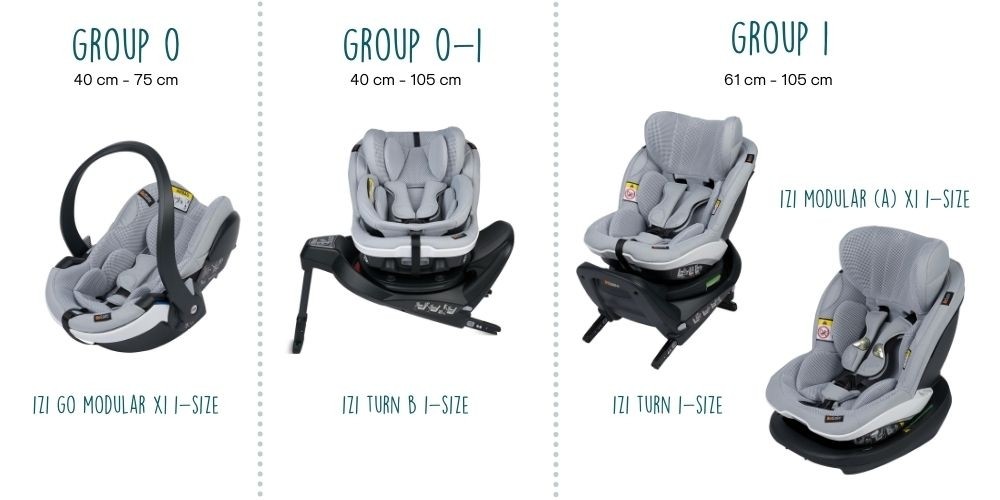
Infant car seats suit babies from birth up to about one year. Most seats have weight limits between 22 and 35 pounds. Height limits usually range from 29 to 32 inches. Babies grow fast, so check these limits often. Exceeding these limits means it is time to switch seats. Safety depends on following the manufacturer’s guidelines exactly.
Credit: www.reapinteractive.com
Signs To Switch Out
Knowing when to switch out an infant car seat is important for your child’s safety. Several signs show it is time to move to the next seat. Watch your baby closely for these changes. This helps you act before any risk appears.
Reaching Height Limits
Each infant car seat has a height limit. When your baby grows taller than this, it is time to switch. A seat that fits well supports your child better. It also keeps the harness in the right place for safety.
Exceeding Weight Limits
Infant car seats also have weight limits. Carrying a child heavier than the seat allows can be unsafe. The seat may not protect your baby well in a crash. Check the seat’s label to find the correct weight limit.
Head Position Issues
Your baby’s head position shows a lot about fit. If the head falls forward or to the side, it means the seat is too small. Poor head support can cause breathing problems. A bigger seat helps keep your baby’s head steady and safe.
Risks Of Staying Too Long
Using an infant car seat for too long can cause problems. Babies grow fast, and their needs change quickly. Staying too long in a car seat made for infants can affect their safety and comfort. Parents must know the risks to keep their child safe on every trip.
Safety Hazards
Infant car seats have height and weight limits. Exceeding these limits makes the seat unsafe. A bigger baby may not fit properly. This can cause poor harness fit and less protection.
Babies who outgrow the seat can move too much. In a crash, this movement increases injury risk. The car seat may not absorb impact well for bigger babies. Using the wrong seat can lead to serious harm.
Comfort Concerns
Infant car seats are made for small babies. A larger baby may feel cramped and uncomfortable. Tight straps and lack of space can cause fussiness. Long trips become stressful for both baby and parents.
Uncomfortable babies may try to move often. This can distract the driver and increase danger. Proper comfort helps keep babies calm and safe. Switching seats at the right time improves the ride for all.
Credit: sampannacapital.com
Choosing The Next Seat
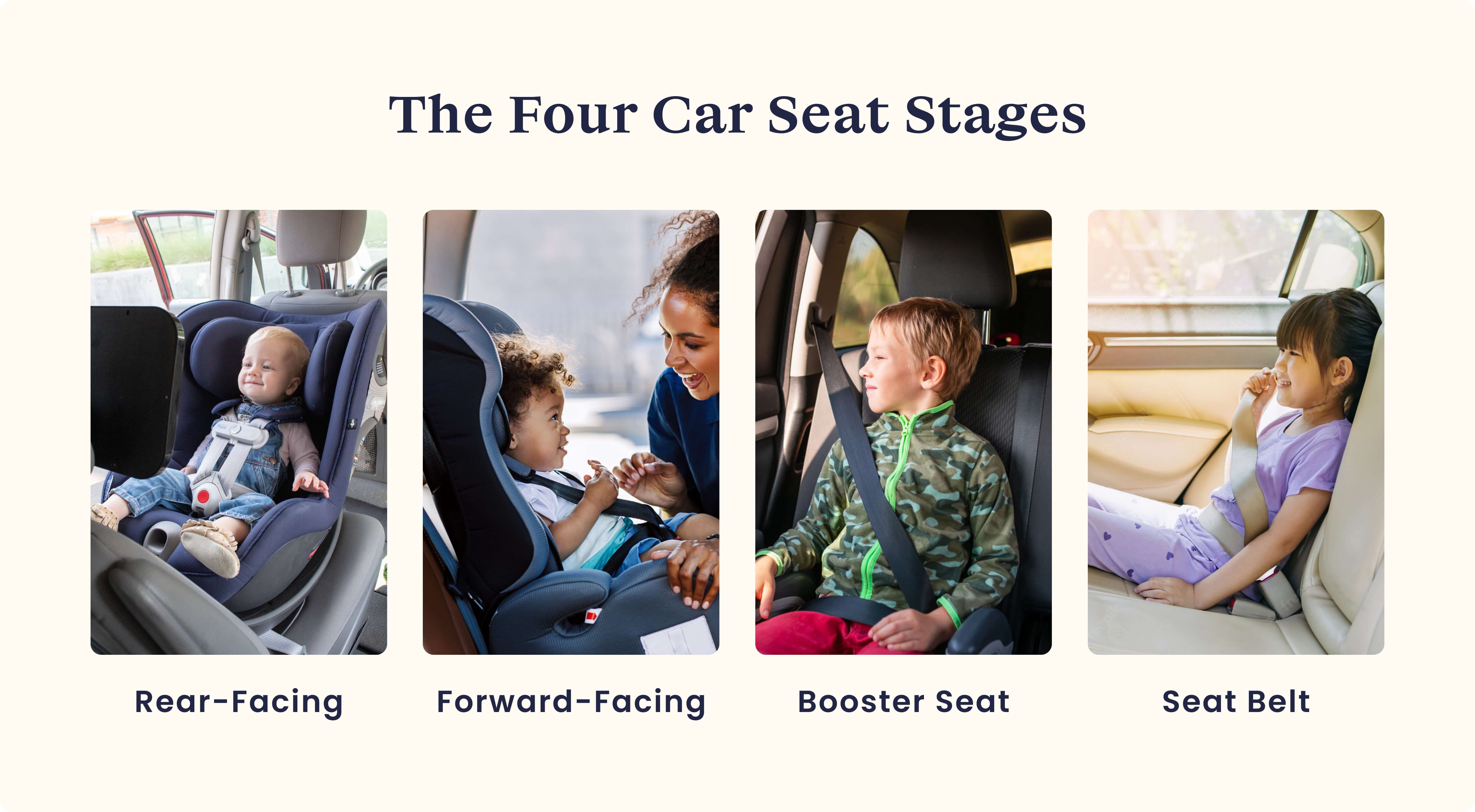
Choosing the right car seat after the infant stage is very important. Safety rules change as your child grows. The new seat must fit your child’s size and weight. Comfort is also key for every ride. Parents should know the types of seats available. This helps make a safe and smart choice.
Different seats suit different ages and needs. Some seats grow with your child. Others work best for a certain stage. Knowing what options exist can save money and keep your child safer. Here are two common choices for the next car seat.
Convertible Car Seats
Convertible car seats change from rear-facing to forward-facing. These seats last longer than infant-only seats. They hold children from about 5 to 65 pounds. Rear-facing is best for toddlers under 2 years. Then, switch the seat to face forward as the child grows.
Convertible seats offer good protection and comfort. They have adjustable harnesses and headrests. Many parents like these seats for their flexibility. They also save space by not needing two separate seats.
Forward-facing Options
Forward-facing seats are for older toddlers and young children. These seats use a harness to keep kids secure. They fit children who have outgrown rear-facing limits. Usually, this means kids over 2 years old and 20 pounds.
Some forward-facing seats convert into booster seats later. These help children sit safely using the car’s seat belt. Always check the seat’s weight and height limits. Follow the safety instructions to keep your child protected.
Installation Tips
Installing an infant car seat correctly is key for your baby’s safety. Small mistakes can reduce the seat’s protection during a crash. Follow these simple tips to ensure the seat fits well and stays secure on every ride.
Proper Fit
Choose a car seat that matches your child’s weight and height. The seat should fit snugly in your vehicle’s back seat. Check the car manual to find the best spot for installation. The base must sit flat and not move more than an inch side to side or front to back.
Securing The Seat
Use the vehicle’s seat belt or LATCH system to secure the car seat tightly. Pull the belt or straps until the seat doesn’t shift. Double-check the angle to keep your baby’s head from falling forward. Lock the belt to avoid loosening during travel.
Credit: elfuslenis.lt
Legal Requirements
Knowing the legal rules about infant car seats helps keep children safe. Laws tell parents when to change car seats. These rules protect kids during travel. Understanding them avoids fines and keeps children secure.
State Laws
Each state has its own rules for car seat use. These laws say how long to use an infant car seat. Some states require children to stay rear-facing until a certain age or weight. Others set limits based on height. Parents must follow their state’s laws for safety and legal reasons.
Violating state laws can lead to fines or penalties. Police may stop drivers who don’t use car seats properly. Knowing and following these laws ensures children travel safely and legally.
Manufacturer Recommendations
Car seat makers provide important safety guidelines. They recommend when to stop using an infant car seat. These guidelines include weight and height limits. Most infant seats support children up to 30-35 pounds.
Following these instructions helps keep the child comfortable and safe. Ignoring manufacturer advice can increase injury risk in a crash. Always check the car seat manual before switching seats.
Expert Advice
Choosing the right time to switch your child from an infant car seat is important for safety. Experts offer clear advice to help parents decide. Listening to professionals ensures your child travels safely and comfortably.
Pediatrician Recommendations
Pediatricians suggest keeping your child in an infant seat until they reach the seat’s weight or height limit. Many infants outgrow these seats by 12 months. Doctors advise watching your child’s growth closely. They also recommend switching when your child’s head is near the top of the seat. Comfort and safety come first. Pediatricians remind parents to follow the car seat manual carefully.
Safety Organization Guidelines
Safety groups set clear rules for car seat use. The American Academy of Pediatrics says use a rear-facing seat as long as possible. This usually means until your child is about 2 years old. National Highway Traffic Safety Administration suggests moving to a convertible seat after infant limits are reached. These guidelines focus on protecting children in crashes. Checking these rules helps parents make safe choices. Always update your car seat as your child grows.
Frequently Asked Questions
When Should I Stop Using An Infant Car Seat?
Stop using an infant car seat when your baby exceeds the height or weight limit. Usually, this is around 30 pounds or 32 inches. Always check the car seat manual for exact limits to ensure safety before switching.
How Do I Know My Baby Outgrew The Car Seat?
Your baby outgrows the car seat when their head is within one inch of the top or they exceed weight limits. Also, if their shoulders are above the harness slots, it’s time to switch to a convertible seat.
What Are The Safety Signs For Switching Car Seats?
Safety signs include your baby’s weight or height exceeding limits, difficulty fitting comfortably, or the harness being too tight. Switching promptly ensures proper protection during travel and reduces injury risk.
Can I Switch To A Convertible Car Seat Early?
Yes, you can switch early if your infant car seat no longer fits safely. Convertible car seats accommodate larger children and offer extended rear-facing use for better protection.
Conclusion
Switching out of an infant car seat is important for safety. Watch your baby’s growth and weight closely. Follow the car seat manual for correct limits. Move to a convertible seat once your child outgrows the infant seat. Always secure your child properly before every trip.
Staying informed helps protect your little one on the road. Safety first, every time. Keep checking and adjust as your child grows. A safe ride starts with the right seat.
