
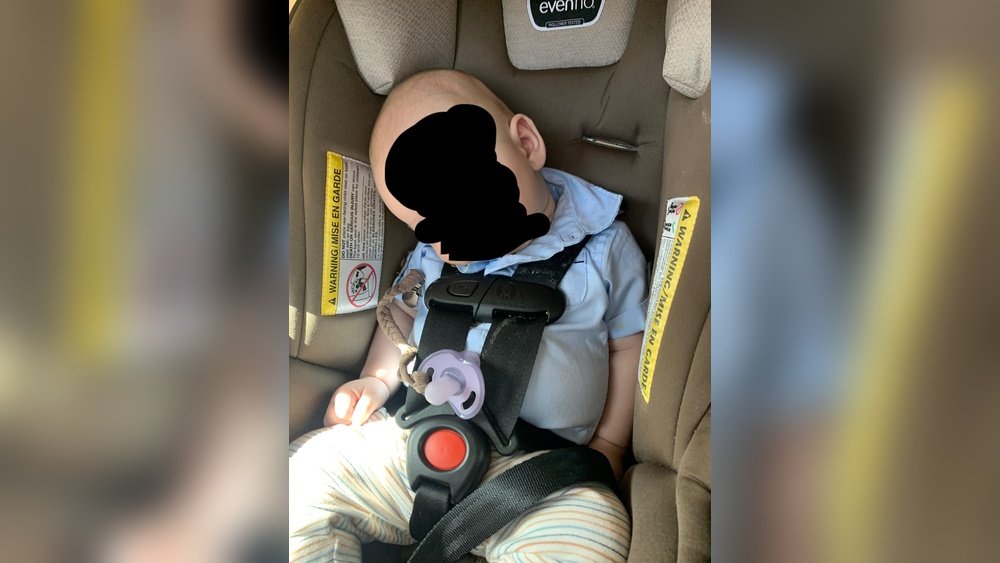
Are you wondering when it’s the right time to take the car seat insert out? You want to keep your baby safe and comfortable, but knowing exactly when to remove that extra padding can be confusing.
Taking it out too soon or too late could affect your child’s safety or comfort during every ride. You’ll discover clear signs and simple tips to help you decide the perfect moment to remove the insert—so you can drive with confidence and keep your little one secure every time.
Keep reading, because this could make all the difference in your daily trips.
Purpose Of Car Seat Inserts
Car seat inserts play an important role in keeping newborns safe and comfortable. They help position babies correctly in their car seats. Inserts also support the baby’s body during travel. Parents often wonder how long to keep these inserts in place. Understanding their purpose helps make safer choices for infants.
Support For Newborns
Newborns have small, fragile bodies. Their neck and head muscles are weak. Car seat inserts provide extra support to keep the baby’s head stable. This prevents the head from slumping forward or sideways. Proper support reduces the risk of injury during sudden stops.
Enhancing Comfort
Soft padding in inserts cushions the baby from hard car seat surfaces. Inserts create a snug fit that reduces movement. This helps babies feel secure and calm during rides. Comfort is key for longer trips and peaceful naps in the car.
Common Types Of Inserts
Several types of inserts exist for different needs. Some are made from foam for firm support. Others have plush fabric for extra softness. Some inserts come with removable layers to adjust thickness as babies grow. Choosing the right insert depends on the car seat model and baby’s size.

Credit: www.reddit.com
Signs To Remove The Insert
Knowing when to remove the car seat insert is important for your baby’s safety and comfort. The insert supports smaller babies, but it should not be used for too long. Watch for clear signs that your baby is ready to go without it. These signs help keep your child safe during every ride.
Baby’s Size And Weight
Check your baby’s size and weight regularly. Inserts are made for small newborns. If your baby grows taller or heavier, the insert may no longer fit properly. A tight fit can cause discomfort or unsafe positioning. Use the car seat weight limits as a guide. Once your baby reaches the upper limit, it is time to remove the insert.
Head And Neck Position
Look at your baby’s head and neck position in the car seat. The insert helps keep the head stable for very small infants. If your baby’s head no longer stays supported or tilts forward, the insert might be too small. Your baby should sit with a straight head and neck. If the insert blocks this, remove it to prevent breathing problems.
Manufacturer Guidelines
Always read the car seat manual carefully. Manufacturers give clear instructions on when to use and remove the insert. Follow their guidelines strictly for safety. Some inserts are only for newborns under a certain weight or height. Ignoring these rules can lead to dangerous rides. Keep the manual handy and check it often as your baby grows.
Safety Risks Of Keeping Inserts Too Long
Using a car seat insert is helpful for newborns and small infants. It provides extra support and keeps them snug. But keeping the insert too long can cause safety problems. Parents must know when to remove it to keep their child safe.
Car seat inserts are designed for small babies only. As your child grows, the insert can cause issues. These problems affect how the harness fits, the baby’s comfort, and safety during a crash.
Restricting Proper Harness Fit
Car seat harnesses must fit closely to the child’s body. The insert adds padding that can make the harness too loose. A loose harness lets the child move more in a crash. This raises the chance of injury. Removing the insert ensures the harness fits tightly and safely.
Impaired Airflow And Overheating
Inserts can block airflow around the baby. Babies cannot cool themselves well. This leads to overheating, which is dangerous. Overheating raises the risk of sudden infant death syndrome (SIDS). Taking out the insert helps keep the baby cool and comfortable.
Increased Injury Risk
The insert changes the child’s position in the seat. It can place the baby too high or at the wrong angle. This affects how forces spread in a crash. The risk of injury increases if the baby is not in the correct position. Removing the insert at the right time reduces injury risk.

Credit: www.reddit.com
Steps To Remove The Insert Safely
Removing the car seat insert is an important step as your child grows. The insert provides extra support for smaller babies. But it can become unsafe or uncomfortable as your baby gets bigger. Follow these steps to remove the insert safely. This helps keep your child secure and comfortable in the car seat.
Preparing The Car Seat
Start by placing the car seat on a flat surface. Make sure the seat is clean and dry. Check the car seat manual for specific instructions. Remove any toys or covers that might be in the way. Locate the insert and see how it is attached. Some inserts have snaps, Velcro, or straps. Take your time to avoid damaging the car seat.
Adjusting Harness Straps
Loosen the harness straps before removing the insert. This makes it easier to take out the padding. After removing the insert, adjust the harness straps to fit your child. The straps should lie flat without twists. Make sure the straps come through the correct slots. Adjust the height and tightness as needed for safety.
Checking For Proper Fit
Once the insert is out and the straps are adjusted, check the fit. Your child’s shoulders should be at or just above the harness slots. The harness should be snug but comfortable. You should not be able to pinch any slack. Make sure your child sits well without extra padding. Proper fit keeps your child safe during travel.
When To Transition Out Of Infant Car Seats
Knowing when to transition out of infant car seats is important for your child’s safety and comfort. Infant car seats are designed for newborns and small babies. But babies grow fast. At some point, they will outgrow these seats. Moving to the next car seat type keeps your child secure on every trip.
Watch your baby’s size and behavior closely. Changes in weight, height, and skills signal it is time to switch seats. The right timing helps avoid risks from using a seat that is too small or too big. Here are key points to consider for a smooth transition.
Weight And Height Limits
Every infant car seat has a weight and height limit. These limits show the maximum size your baby can safely fit. Check the labels on the seat or the manual. When your baby reaches or nears these limits, prepare to move on.
Exceeding limits can reduce the seat’s protection. Babies need enough space to sit comfortably and be properly strapped in. Always follow the manufacturer’s guidelines for safety.
Developmental Milestones
Pay attention to your baby’s development. Babies who can sit up well, hold their head steady, or show signs of restlessness may need a different seat. These milestones often mean the infant seat no longer fits their needs.
Babies who outgrow the infant seat’s position may feel uncomfortable or try to move too much. A seat designed for older babies offers better support for these new abilities.
Choosing The Right Next Seat
After the infant seat, a convertible or combination car seat is the next step. These seats fit bigger babies and toddlers. Look for seats that allow rear-facing use for as long as possible. Rear-facing seats protect the head and neck better in crashes.
Choose a seat that matches your child’s size and meets safety standards. Easy installation and good harness systems add extra protection. This choice keeps your child safe as they grow.

Credit: www.liftingitalia.com
Expert Tips For Maintaining Car Seat Safety
Keeping a car seat safe is very important for your child’s protection. Experts suggest simple steps to ensure the seat stays secure. These tips help parents know when to remove the car seat insert. They also guide on how to keep the seat safe as your child grows.
Regularly Inspecting The Seat
Check the car seat often for any damage or wear. Look at the straps, buckles, and fabric carefully. Make sure the insert fits well and is not torn. Remove the insert when your child outgrows it or it no longer fits properly. Regular checks catch problems early and keep the seat safe.
Following Recalls And Updates
Stay updated about your car seat model. Manufacturers may issue recalls or safety updates. Register your seat online to get alerts. Follow instructions from the company on inserts and other parts. This keeps your car seat in the safest condition possible.
Consulting Child Passenger Safety Technicians
Experts called Child Passenger Safety Technicians can help. They know all about car seats and safety rules. Ask them when to take the insert out. They can show you how to install the seat correctly. Their advice ensures your child travels safely every time.
Frequently Asked Questions
When Should I Remove A Car Seat Insert?
Remove the car seat insert when your baby’s head and body no longer fit snugly. Typically, this happens around 3 to 6 months. Ensure your baby’s head is aligned with the seat’s headrest for safety and comfort before removing the insert.
How Do I Know If My Baby Outgrows The Insert?
Check if your baby’s head or body extends beyond the insert edges. If the insert no longer supports their posture or restricts movement, it’s time to remove it. Always prioritize your baby’s comfort and safety when deciding.
Can Leaving The Insert Too Long Be Unsafe?
Yes, using the insert too long can restrict your baby’s movement and cause discomfort. It might also impact proper harness positioning, reducing safety during travel. Remove the insert promptly once your baby outgrows it to maintain safety.
Does Removing The Insert Affect Car Seat Safety?
Removing the insert improves safety as your baby grows. Inserts are designed for smaller infants, and removing them ensures the harness fits correctly. Always follow manufacturer guidelines to maintain optimal safety standards.
Conclusion
Car seat inserts help keep babies safe and comfortable. Remove the insert when your baby grows bigger. Check if your baby’s head and body fit well. Your child should sit flat and supported without gaps. Using the insert too long can cause discomfort or safety risks.
Always follow the car seat maker’s instructions carefully. Keep your child secure on every ride. Safety first, always.
