
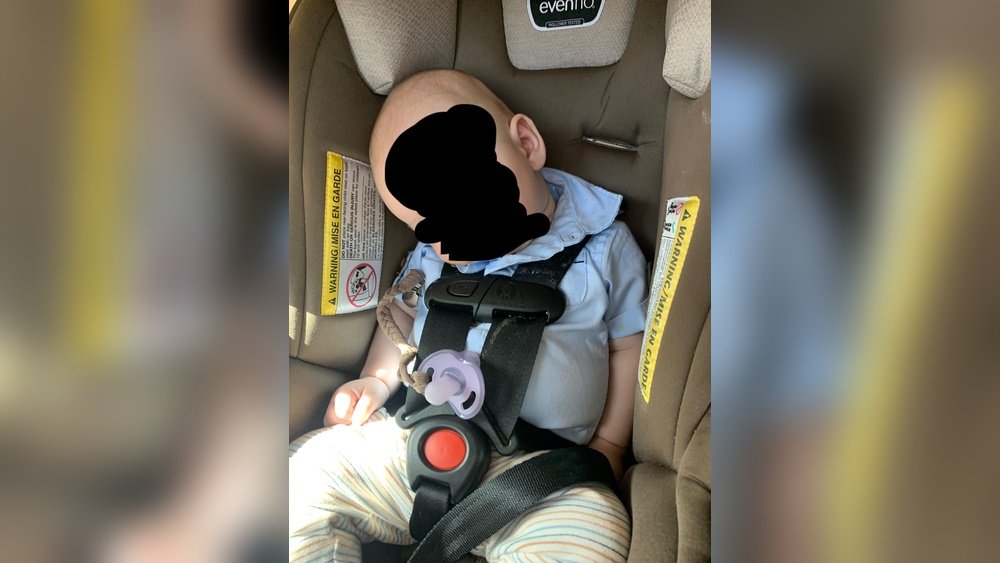
You want to keep your baby safe and comfortable every time you buckle them into their car seat. But when is the right time to take the insert out of the car seat?
Removing it too early or too late can affect your child’s safety and comfort. You’ll discover the simple signs that tell you when it’s time to remove the insert. Knowing this will help you make the best choice for your little one’s ride.
Keep reading to find out exactly what to look for and why it matters so much.
Signs To Remove Car Seat Insert
Knowing when to remove the car seat insert is important for your baby’s safety and comfort. Inserts help newborns fit snugly in the car seat. As your baby grows, the insert may become too small or uncomfortable. Watch for clear signs to know the right time to take it out. Removing the insert too early or too late can affect how well your baby fits in the seat.
Baby’s Weight And Height Limits
Check the car seat manual for weight and height limits. Most inserts suit babies under a specific weight, often under 11 pounds. If your baby is heavier or taller, the insert might be too small. Using an insert beyond these limits can reduce safety. Follow the guidelines to keep your baby secure.
Head And Neck Positioning
Watch your baby’s head and neck while in the seat. The insert supports newborns’ heads. If your baby’s head no longer fits well or tilts awkwardly, it may be time to remove the insert. Proper head and neck positioning helps prevent breathing issues. Make sure your baby sits comfortably and safely.
Legroom And Comfort
Look at your baby’s leg space inside the car seat. Tight legroom can cause discomfort or restrict movement. If your baby’s legs feel cramped or bent unnaturally, the insert might be too thick. Removing it can create extra room and improve comfort. A happy baby makes car rides easier for everyone.

Credit: www.reddit.com
Risks Of Keeping Insert Too Long
Using a car seat insert helps newborns fit safely in their seats. It offers extra support and comfort. Still, keeping the insert too long can cause problems. Parents should know the risks to keep their child safe and comfortable.
Impact On Child’s Safety
Keeping the insert too long can reduce safety. The insert may change how the child sits. This can affect how the car seat protects them in a crash. The child might move into a risky position.
Restriction Of Movement
An insert limits the baby’s movement. Babies need space to move their arms and legs. Too much restriction can cause discomfort and fussiness. It can also affect the child’s muscle development over time.
Potential For Improper Harness Fit
The insert changes the fit of the harness straps. Straps may sit too loosely or too tightly. A poor fit reduces the harness’s ability to protect. The child could slip out or face pressure points.
When To Use Inserts For Newborns
Newborns need extra support in car seats to stay safe and comfortable. Inserts help hold babies in the right position. They provide cushioning and reduce gaps around the baby’s body. Parents must know when to use inserts and how to use them properly.
Purpose Of Car Seat Inserts
Car seat inserts keep newborns snug and secure. They prevent the baby from slumping or sliding. Inserts also protect the baby’s head and neck by offering gentle support. They make the car seat fit smaller babies better. This helps keep the harness straps tight and safe.
Types Of Inserts Available
Many inserts exist for different needs. Some support the head and neck. Others cushion the body or legs. Some are made with soft foam, others with padded fabric. Choose inserts made for your car seat model. Avoid using thick or bulky inserts not designed for car seats.
Proper Placement And Adjustment
Place the insert flat and centered in the seat. Make sure the baby lies comfortably against it. Adjust the harness straps over the insert, not under. The straps must fit snugly on the baby’s body. Check that the insert does not push the baby forward. Always follow the car seat manual for guidance.
Adjusting Car Seat As Baby Grows
Adjusting your baby’s car seat is important as they grow. A proper fit keeps your child safe and comfortable during every ride. Car seats come with inserts for newborns. These inserts provide extra support for tiny bodies. As your baby gets bigger, the inserts may no longer fit well. This change means it is time to adjust the car seat.
Harness Height And Tightness
Check the harness height often. The straps should be at or just above your baby’s shoulders. Adjust the harness height to match their growth. Tighten the straps so they hold your baby snugly. The harness should lie flat without twists. A loose harness can be unsafe in a crash.
Seat Recline And Support
The seat recline angle is important for safety and comfort. Newborns need a more reclined position to support their head and neck. As your baby grows, adjust the seat to a more upright position. This change helps older babies sit comfortably. Also, remove any extra padding that no longer fits well.
Transitioning Without Inserts
When your baby outgrows the inserts, remove them carefully. Without inserts, the car seat should still fit snugly. Check for any gaps or loose areas. If you notice any, adjust the harness or seat padding. Always follow the car seat manual for proper removal and adjustments. This step ensures your child stays safe as they grow.
Expert Recommendations And Guidelines
Knowing the right time to take out the insert from a car seat is important for your child’s safety. Experts give clear advice on this. Following their guidelines helps keep your child secure and comfortable. Here are the main expert recommendations and guidelines to consider.
Manufacturer Instructions
Each car seat brand has specific rules about inserts. These instructions show the correct age, weight, and height for removing the insert. Follow these rules strictly to avoid unsafe use. The manual also explains how to use the insert properly. Always read the manual before changing the car seat setup.
Pediatrician Advice
Pediatricians suggest removing the insert when the child grows too big for it. A child who looks cramped or uncomfortable may need the insert removed. Doctors watch for signs like head position and body fit. They advise parents to check these signs often. Pediatricians also remind parents to keep the child’s safety first.
Safety Organization Standards
Groups like the National Highway Traffic Safety Administration set rules for car seat use. These standards include guidelines about inserts. They recommend removing inserts once the child’s weight or height exceeds the limit. Safety organizations test car seats to make sure they protect kids well. Following their standards helps prevent injuries in accidents.

Credit: www.liftingitalia.com
Common Mistakes To Avoid
Parents often face confusion about when to remove the insert from a car seat. Mistakes during this process can affect your baby’s safety and comfort. Knowing what to avoid helps keep your child secure and happy during rides.
Many parents make errors that cause discomfort or reduce safety. Learning common mistakes ensures you do the right thing at the right time.
Removing Insert Too Early
Taking out the insert before your baby is ready can harm support. Inserts provide extra padding and hold newborns safely. Without it, babies may slide or slump in the seat. Wait until your child’s head and body fit well without the insert. Check the car seat manual for age and size guidelines.
Ignoring Baby’s Comfort Signs
Babies cannot tell you directly when they feel unsafe. Watch for fussiness, squirming, or unusual stillness during rides. These signs may mean the insert is uncomfortable or missing. Keep an eye on your baby’s reactions every trip. Adjust the insert or harness if your baby seems uneasy.
Improper Harness Adjustments
The harness must fit snugly after removing the insert. A loose harness puts your baby at risk in a crash. Tighten the straps so you cannot pinch extra webbing. Make sure the harness clips sit at the right height. Always adjust the harness to match your baby’s current size.

Credit: www.reddit.com
Frequently Asked Questions
When Should I Remove The Infant Insert From Car Seat?
Remove the infant insert when your baby’s head and body fit well without extra padding. This usually happens around 4 to 6 months. Ensure your child has proper support and safety without the insert to avoid discomfort or improper harness fit.
How Do I Know If Car Seat Insert Is Too Small?
If your baby’s head or body touches the car seat shell or straps without the insert, it’s too small. Also, if the insert causes tightness or discomfort, it’s time to remove or replace it for better safety and comfort.
Can I Use Car Seat Insert For Toddlers?
No, car seat inserts are designed for infants only. Toddlers need the full car seat without inserts for proper fit and safety. Using inserts for toddlers can cause improper harness positioning and reduce protection during travel.
Does Removing Insert Affect Car Seat Safety?
Removing the insert improves safety once your baby outgrows it. Inserts provide extra support for newborns but can hinder proper harness fit as your child grows. Always follow manufacturer guidelines for safe removal timing.
Conclusion
Removing the insert from your car seat helps keep your child safe and comfortable. Watch your baby’s size and posture to know the right time. Too small an insert can harm, too big can be uncomfortable. Check the car seat manual often for clear guidelines.
Trust your instincts and your child’s needs. A good fit means safer rides and happier trips. Keep your child’s safety the top priority every time. Simple steps make a big difference in travel safety.
