
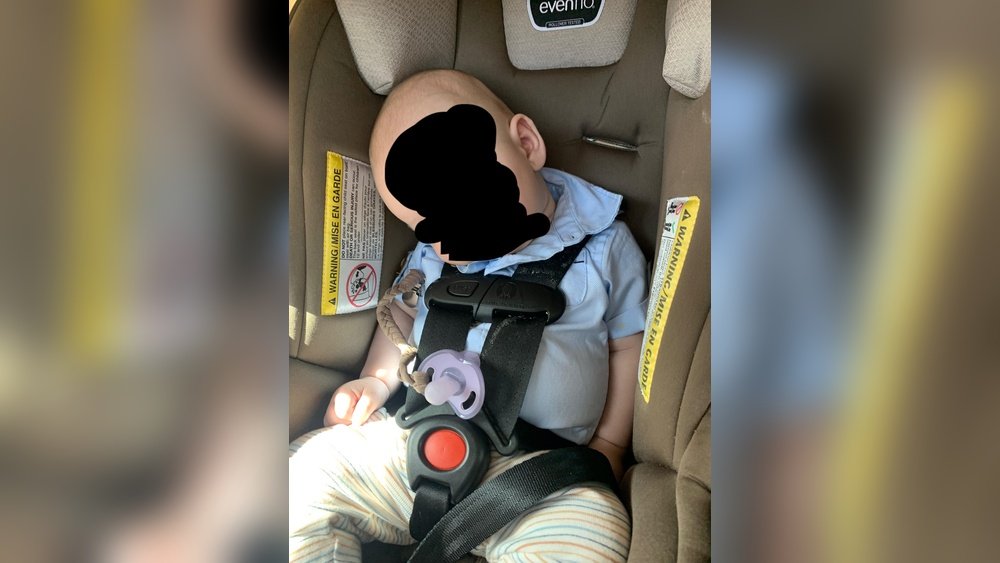
If you’re using an infant car seat, you’ve probably wondered when the right time is to take out the car seat insert. It’s a small detail, but it can make a big difference in your baby’s comfort and safety.
You want to make sure your little one is snug and secure without any unnecessary padding that might affect the fit. You’ll discover the clear signs that show when it’s time to remove the insert, helping you keep your baby safe and comfortable every time you hit the road.
Keep reading to learn exactly what to look for and why it matters.
Purpose Of Infant Car Seat Inserts
Infant car seat inserts help keep newborns safe and comfortable during travel. They fill extra space in the car seat, creating a snug fit. Inserts support a baby’s head, neck, and body. This support prevents the baby from slumping or sliding around. Inserts also protect delicate newborns by cushioning them from bumps and jolts.
Parents use inserts for the first few months until babies grow bigger. Inserts ensure the car seat fits the baby’s small size. They also help babies stay in the right position for safety. Without an insert, a newborn might not sit properly in a larger car seat. This can lead to unsafe travel conditions.
How Inserts Support Newborns
Car seat inserts hold babies in a secure, upright position. They support the head to prevent it from falling sideways. Inserts also keep the baby’s body stable and centered. This reduces the risk of injury during sudden stops or turns. The padding absorbs shocks to protect the baby’s soft body. Inserts help newborns stay calm and comfortable on trips.
Materials And Designs
Most inserts use soft, breathable fabrics to keep babies cool. Foam padding is common for gentle cushioning and support. Some inserts have removable parts for easy cleaning. Designs vary to fit different car seat brands and models. Many inserts include extra head support or side wings. Parents should choose inserts that match their baby’s size and needs.
Signs Your Baby Has Outgrown The Insert
Knowing when your baby has outgrown the infant car seat insert is important. The insert keeps your baby safe and comfortable. But as your baby grows, it may no longer fit correctly. Using the insert too long can affect safety and comfort. Watch for clear signs that it is time to remove it.
Weight And Height Limits
Check the car seat manual for weight and height limits of the insert. Most inserts support babies up to about 11 pounds or 20 inches tall. If your baby is heavier or taller, the insert may not fit properly. Using the insert beyond these limits can reduce protection in a crash. Always follow the manufacturer’s guidelines.
Head And Body Positioning
Your baby’s head should stay centered and supported in the insert. If the head starts tilting forward or to the side, it is a sign the insert is too small. The body should fit snugly without being squeezed. If your baby looks cramped or cannot move naturally, the insert is no longer suitable. Proper positioning helps protect your baby’s neck and spine.
Risks Of Using Inserts Too Long
Using infant car seat inserts for too long can cause problems. These inserts are designed to support small babies. But as the baby grows, the insert may no longer fit well. This can lead to safety risks and discomfort.
Parents must watch their baby’s size and movements. Keeping inserts past the right time may cause issues with breathing and harness fit. Knowing these risks helps keep babies safe in the car seat.
Breathing And Airway Concerns
Infant inserts can push a baby’s head forward. This position may block the airway. It makes breathing harder for the baby. Babies with smaller neck muscles are at higher risk.
Too much padding can also trap heat. Overheating adds to breathing problems. Parents should remove inserts once the baby holds their head up well.
Impact On Proper Harness Fit
Car seat harnesses keep babies secure. Inserts change the space inside the seat. This can make the harness too loose or too tight.
A loose harness lets the baby move too much. A tight harness can hurt the baby or cause discomfort. Both cases reduce the car seat’s protection.
Removing the insert at the right time helps the harness fit correctly. Always check the harness fit after removing the insert.

Credit: www.pwmachineservices.com
When To Remove The Insert
Knowing when to remove the infant car seat insert is important for your baby’s safety and comfort. Inserts provide extra support for small babies. But as your baby grows, the insert may not fit well. Removing it at the right time helps your child sit properly and stay safe.
Manufacturer Guidelines
Always check the car seat manual first. Manufacturers give clear rules about insert use. They state the weight and size limits for inserts. These guidelines help ensure the baby fits the seat correctly. Removing the insert too early or too late can cause problems. Follow the instructions to keep your child secure.
Pediatrician Recommendations
Pediatricians suggest removing the insert based on your baby’s development. When the baby’s head and neck control improve, the insert may no longer be necessary. Doctors also watch for signs of discomfort or tightness. They recommend removal once the baby fills the seat properly. Talk to your pediatrician if unsure about timing.
Adjusting To Life Without The Insert
Removing the infant car seat insert is a big step for your baby. It means your little one is growing and needs more space to sit comfortably. This change helps your baby move more freely. It also ensures better safety as the car seat fits your baby’s size better without the insert.
Adjusting to life without the insert takes some care. You must check the car seat harness and make sure your baby stays comfortable. This helps your baby feel secure during every ride.
Ensuring Proper Harness Adjustment
Without the insert, the car seat harness needs to fit your baby well. Tighten or loosen the straps so they sit snugly on your child’s shoulders. The harness should lie flat and not twist. Make sure you can fit only one finger between the harness and your baby’s chest. This keeps your baby safe and secure.
Maintaining Baby’s Comfort And Safety
Watch your baby’s position in the seat. Their head should rest comfortably without leaning too much to one side. Use the car seat’s headrest or padding designed for older babies. Dress your child in light clothing that does not bunch up under the straps. Check often that your baby looks happy and calm during the ride.

Credit: www.reddit.com
Common Myths About Car Seat Inserts
Parents often wonder about the use of infant car seat inserts. Many myths confuse the best time to remove these inserts. It is important to know the facts for your baby’s safety and comfort.
Car seat inserts are designed to support newborns and smaller infants. But some beliefs about their use are not true. Understanding these myths helps you use the inserts correctly.
Myth: Inserts Always Increase Safety
Many think that car seat inserts always make a car seat safer. This is not true. Inserts can help a small baby fit better, but they do not add extra protection. Car seats are tested without inserts. Using wrong inserts or placing them incorrectly can reduce safety. Always follow the car seat maker’s instructions. Never add extra padding not approved by the manufacturer.
Myth: Inserts Can Be Used Indefinitely
Some parents believe inserts should stay in the car seat until the child grows out of the seat. This is a mistake. Inserts are for newborns and small infants only. When your baby’s head fills the insert or their shoulders rise above it, it’s time to remove it. Keeping inserts too long can interfere with harness fit and safety. Remove the insert as your baby grows for the best protection.
Additional Safety Tips For Infant Car Seats
Using an infant car seat insert helps keep your baby snug and secure. Knowing when to remove it is important for safety. Along with this, some extra safety tips ensure your infant’s car seat works best. These tips help protect your child during every ride.
Regular Seat Inspections
Check the car seat often for any signs of wear or damage. Look for cracks, broken parts, or loose straps. Make sure the harness is not twisted or frayed. Clean the seat according to the manufacturer’s instructions. Regular inspections help catch problems early before they become dangerous.
Correct Installation Techniques
Install the car seat tightly in your vehicle. The seat should not move more than an inch side to side. Use either the seat belt or LATCH system as the manual says. Ensure the harness fits your baby snugly without gaps. Proper installation keeps your baby safe in every trip.
Credit: www.reddit.com
Frequently Asked Questions
When Should I Remove The Infant Car Seat Insert?
Remove the infant car seat insert when your baby outgrows the recommended weight or size limits. Check the car seat manual for exact guidelines. Typically, once your baby’s head is above the insert or feels cramped, it’s time to remove it for safety and comfort.
How Do I Know If My Baby Needs The Insert?
If your baby’s head and body fit snugly with extra padding, the insert is needed. When your baby becomes too big for the insert or it causes tightness, it’s time to take it out. Always prioritize proper fit and safety standards.
Can Removing The Insert Too Early Be Unsafe?
Yes, removing the insert too early can reduce support and protection. The insert is designed to provide head and body stability for smaller infants. Remove it only when your baby no longer fits safely, as per manufacturer recommendations.
Does Every Infant Car Seat Require An Insert?
No, not all infant car seats come with inserts. Some models have built-in padding designed to fit newborns without extra inserts. Always check your car seat’s instructions to understand if an insert is needed or optional.
Conclusion
Knowing when to take out the infant car seat insert helps keep your baby safe. Remove it once your baby grows and fits the seat better without extra padding. Check your car seat manual for specific weight and size limits.
Always make sure the harness fits snugly and comfortably. Proper use of the insert supports your baby’s posture and security. Staying aware of your child’s growth ensures the car seat works as it should. Safety first, always.
