
You want to keep your baby safe every time you travel. But how do you know when it’s time to move your little one out of their infant car seat?
Making this switch at the right moment is crucial for your child’s comfort and safety. You’ll discover clear signs and expert advice to help you decide exactly when to transition out of the infant car seat. Keep reading to ensure your baby’s travel gear matches their growing needs perfectly.
Car Seat Basics
Choosing the right car seat keeps your baby safe during every trip. Knowing the basics helps parents decide when to change seats. This section covers key points about infant car seats.
Infant Car Seat Features
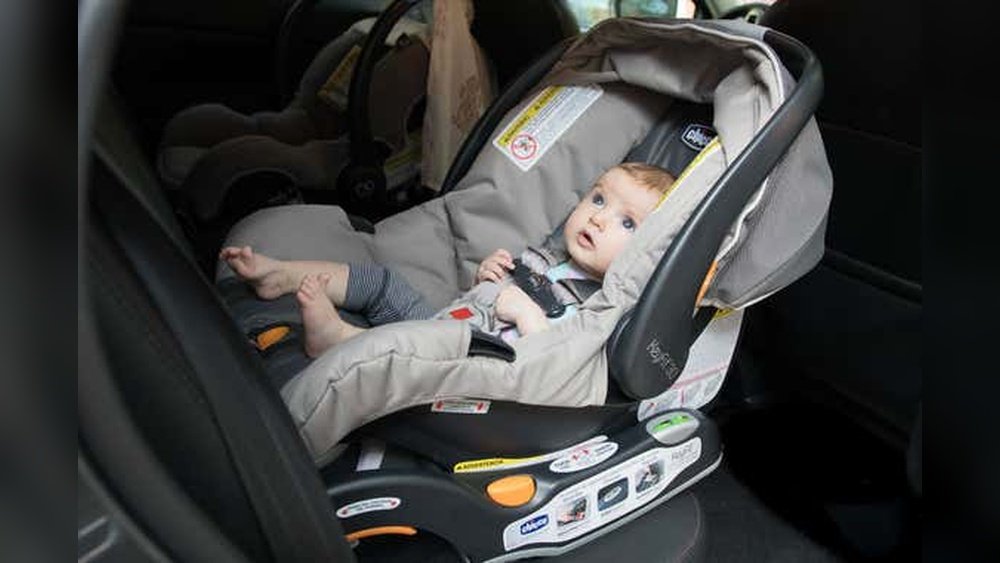
Infant car seats are designed for newborns and small babies. They have a handle for easy carrying. The seat faces the rear of the car. Most include a removable base for quick installation. Soft padding protects your baby’s head and body.
Weight And Height Limits
Each infant car seat has specific weight and height limits. Babies usually fit until they weigh about 22 to 35 pounds. Height limits vary but often range from 26 to 32 inches. Exceeding these limits means it’s time for a new seat.
Safety Standards
Infant car seats must meet strict safety rules. Look for labels showing compliance with government tests. Seats undergo crash testing to ensure protection. Always use a seat that meets current safety standards.

Credit: kdfoundation.org
Signs Baby Outgrows Infant Seat
Knowing when your baby outgrows the infant car seat is important for their safety. Infant seats have limits on size and weight for a reason. Watching for signs your baby has outgrown the seat helps you decide the right time to switch.
Babies grow fast. What fits today may not fit tomorrow. Look closely at how your baby fits in the seat. Check for clear signs it is time to move on to the next seat.
Reaching Weight Limit
Each infant seat has a maximum weight limit. This limit is set by the manufacturer. When your baby’s weight reaches this limit, it is time to change seats. The seat may no longer protect your child properly. Check the label on the car seat for weight details. Keep weighing your baby regularly to track this.
Head Position Issues
Your baby’s head should rest comfortably within the seat. If the head starts to lean forward or slouch, this is a warning. Poor head support can block airways and cause breathing problems. A seat that fits well supports the head and neck fully. Watch your baby’s head position during rides.
Leg Space Problems
Legs need enough room to move freely in the seat. If your baby’s legs curl awkwardly or hang over the edge, they have outgrown the seat. Tight leg space causes discomfort and may affect posture. A seat that fits allows your baby to stretch their legs safely. Check leg room during every trip.
When To Switch To Convertible Seat
Choosing the right time to switch from an infant car seat to a convertible seat matters for your child’s safety. Convertible seats grow with your child and offer longer use. Knowing the right time helps you keep your child safe and comfortable during every ride.
Age Recommendations
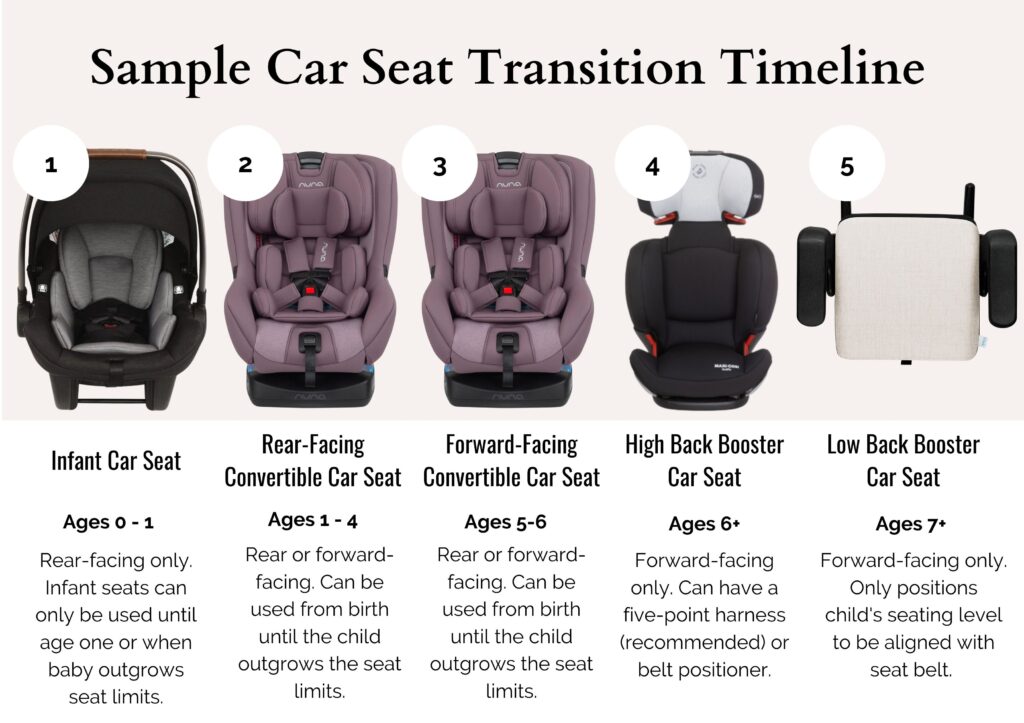
Most children switch to a convertible seat around 12 to 24 months. Some use it earlier if they outgrow the infant seat’s weight or height limits. Always check the car seat manual for specific age and size guidelines.
Benefits Of Convertible Seats
Convertible seats work both rear-facing and forward-facing. This flexibility saves money as it replaces multiple seats. They offer more space and comfort for toddlers. Easy to adjust, they fit children of different sizes well.
Safety Advantages
Keeping your child rear-facing longer in a convertible seat lowers injury risk. Convertible seats have stronger frames and better side impact protection. They keep your child secure during sudden stops or crashes. Proper use greatly reduces the chance of injury.
Credit: centromedicoloira.com
Transition Tips
Transitioning your child from an infant car seat to the next stage can feel tricky. Safety and comfort must come first. Following smart transition tips helps make the change smooth. This section covers key points to guide you through the process.
Choosing The Right Seat
Select a seat that fits your child’s size and weight. Check the seat’s height and weight limits carefully. Pick a seat with good safety ratings. Consider seats that grow with your child for longer use. Choose a model that fits well in your car.
Installation Guidelines
Read the instruction manual before installing the new seat. Secure the seat tightly using the car’s seat belt or LATCH system. The seat should not move more than one inch side to side. Make sure the seat angle is correct for your child’s age. Test the seat to confirm it is stable.
Adjusting Harness And Straps
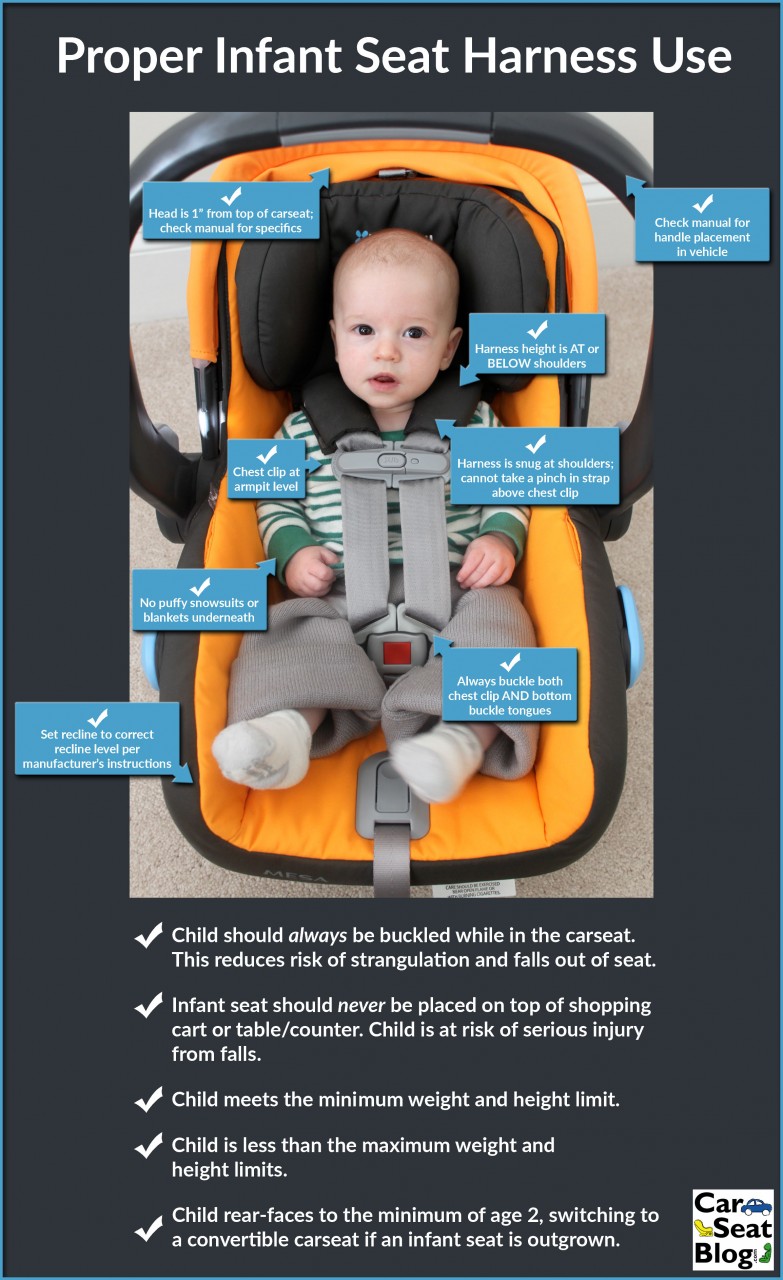
Adjust the harness height to match your child’s shoulders. Straps should lie flat without twists or slack. Tighten the harness until it fits snugly against your child’s body. Check the chest clip position; it should be at armpit level. Regularly check and adjust straps as your child grows.
Common Mistakes To Avoid
Parents want the best for their babies, especially in car safety. Many make common errors when changing from an infant car seat. These mistakes can risk your child’s protection and comfort. Avoiding these errors is key to a smooth and safe transition.
Switching Too Early
Moving your child to a bigger seat too soon can cause harm. Infant car seats are designed for newborns and small babies. Using a toddler seat before your baby is ready can reduce safety. Wait until your child meets the height and weight limits. Follow the car seat’s guidelines strictly for the best protection.
Incorrect Installation
Installing a car seat incorrectly is very common. Even a small mistake can make the seat unsafe. Check the manual carefully every time you install the seat. Make sure the seat belt or latch system is tight and secure. The seat should not move more than an inch side to side. Take your time to get it right.
Ignoring Safety Recalls
Car seat recalls happen for safety reasons. Ignoring these recalls puts your child at risk. Always check if your car seat model has any recalls. Register your seat with the manufacturer to get updates. Replace or repair your seat quickly if a recall is issued. Safety updates are important for peace of mind.
Expert Safety Advice
Knowing when to move your child from an infant car seat is important. Safety experts provide clear advice to guide parents. Following their tips helps keep your child safe during every ride. This section shares key expert safety advice.
Consulting Child Safety Experts
Child safety experts recommend using the infant seat until your child reaches the height or weight limit. They suggest checking the car seat manual for exact limits. Experts also advise parents to consider the child’s comfort and ability to sit upright. Asking a certified car seat technician can provide personalized guidance. These professionals help ensure the right seat choice for your child’s growth.
Regular Seat Inspections
Experts stress the importance of inspecting the car seat regularly. Look for signs of wear or damage to the straps and buckles. Check that the seat is installed tightly and correctly in the car. A loose or damaged seat can reduce protection in a crash. Inspecting your child’s seat often helps catch problems early and keeps your child safe.
Staying Updated With Guidelines
Safety rules for car seats change over time. Experts advise parents to stay informed about the latest laws and recommendations. Following updated guidelines ensures your child uses the safest seat available. Visit trusted websites or contact local safety programs for current information. Staying updated helps parents make the best choice for their child’s safety.
Credit: www.takertrailers.ee
Frequently Asked Questions
When Should I Stop Using An Infant Car Seat?
Stop using an infant car seat when your baby exceeds the height or weight limit. Usually, this is around 12 months or 22 pounds. Also, check your car seat’s manual for specific guidelines to ensure maximum safety.
How Do I Know If My Baby Is Ready For A Toddler Seat?
Your baby is ready for a toddler seat when they outgrow the infant car seat’s height or weight limit. Signs include the top of their head nearing the seat’s top or shoulders above the harness slots. Always follow manufacturer instructions.
Can I Use An Infant Car Seat After One Year?
You can use an infant car seat after one year if your baby still fits within its height and weight limits. However, many babies outgrow these limits by 12 months. Safety and comfort should guide your decision to switch seats.
What Are The Risks Of Transitioning Too Early?
Transitioning too early to a toddler seat can reduce protection in crashes. Infant seats are designed for newborns and small babies, offering better head and neck support. Prematurely switching may increase injury risk, so follow size and weight guidelines carefully.
Conclusion
Knowing the right time to change your child’s car seat keeps them safe. Watch their weight and height closely. Follow the car seat manual rules. Don’t rush the switch too early. A proper seat helps protect during travel. Always choose a seat that fits your child well.
Safety matters most on every trip. Trust your judgment and keep learning about child safety. Your careful attention makes a big difference. Keep your child secure and happy on the road.
