
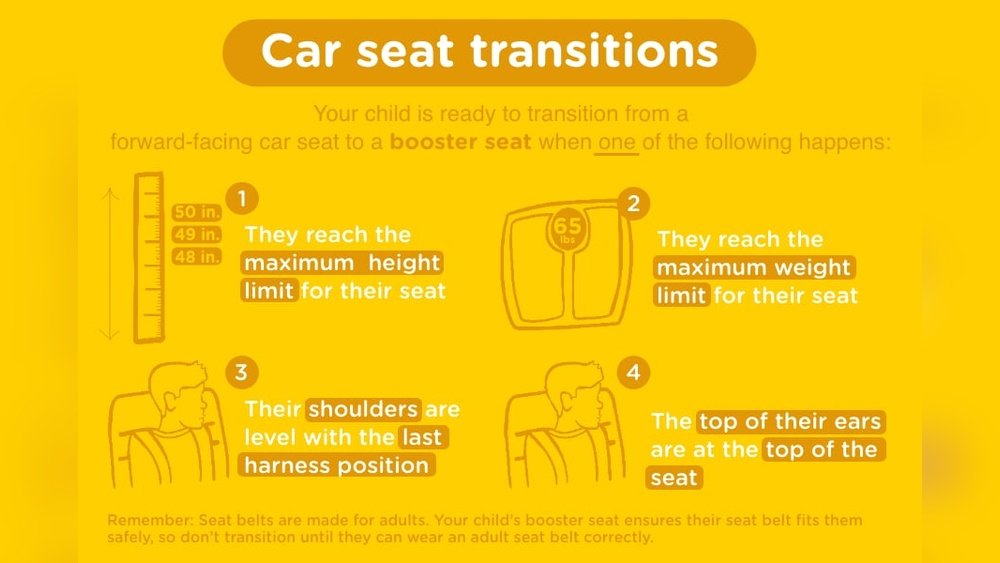
Deciding when to turn your child’s car seat to front-facing can feel confusing and even stressful. You want to keep your little one safe, but you also want to know the right time to make the switch.
If you’re wondering how to choose the best moment, you’re in the right place. This guide will help you understand the key signs and important safety rules, so you can feel confident every time your child rides in the car.
Keep reading to learn exactly when and why the change matters for your child’s safety.
Rear Facing Benefits
Keeping a car seat rear facing for as long as possible offers many safety benefits for young children. This position supports a child’s body better during a crash. It reduces injury risks by spreading crash forces across the strongest parts of their body.
Experts recommend rear facing seats because they protect a child’s head, neck, and spine. This protection is especially important in sudden stops or accidents. Understanding these benefits helps parents make safer choices for their children’s car travel.
Crash Protection
Rear facing car seats absorb crash forces better than front facing seats. They cradle the child’s entire body during a collision. This reduces the impact on vital areas like the head and chest. The seat moves with the child, lowering the chance of serious injury. Studies show rear facing seats lower injury risk by up to 75% in crashes.
Neck And Spine Safety
Young children have fragile necks and spines. Rear facing seats support these areas by spreading crash forces along the back. This stops the neck from bending too far forward in a crash. It also protects the spine from sudden jolts. Keeping a child rear facing helps avoid neck and spine injuries during accidents.

Credit: vixencomposites.com
Age And Weight Limits
Knowing the right time to turn a car seat to front facing is very important for child safety. Age and weight limits help parents decide when to make this change. These limits vary by car seat brands and local laws. Understanding these rules keeps children safe during car rides.
Manufacturer Recommendations
Each car seat brand provides clear age and weight guidelines. Most seats suggest keeping the child rear-facing until at least two years old. Weight limits vary but usually range from 20 to 40 pounds for rear-facing seats. Always check the car seat manual for exact numbers. Follow these guidelines to ensure the seat fits your child properly.
Legal Requirements
Local laws set minimum age and weight for front-facing seats. Many places require children to stay rear-facing until age two or more. Weight limits can differ, so verify the rules in your area. Legal rules help protect children by enforcing safe car seat use. Obeying these laws avoids fines and keeps kids safer on the road.
Signs To Switch Forward
Knowing when to switch a child’s car seat to forward-facing is important for safety. There are clear signs that show it’s time to make the change. These signs help keep your child safe and comfortable during car rides.
Child’s Height And Weight
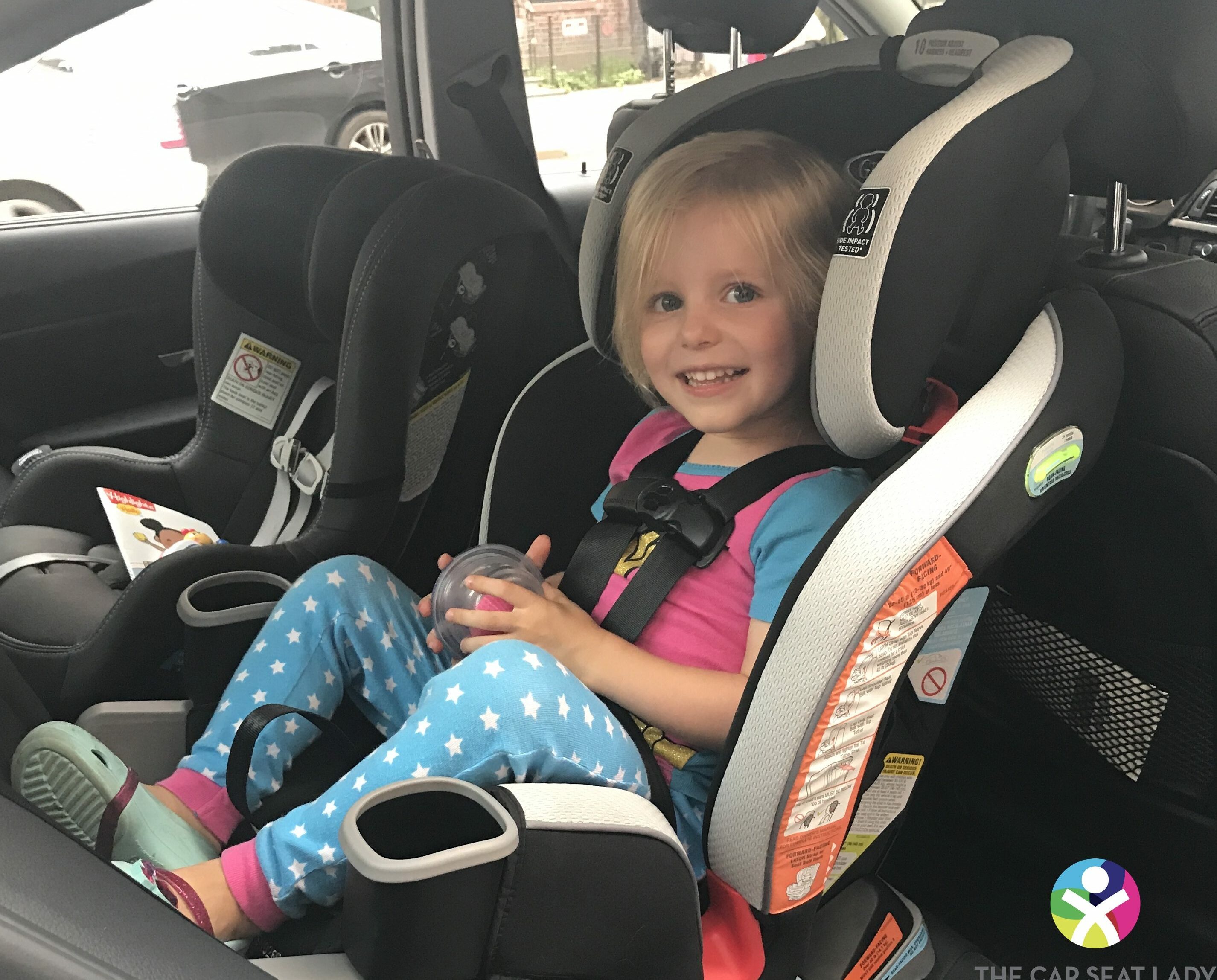
Check the car seat’s label for height and weight limits. Most rear-facing seats fit children up to 40 pounds. Your child may be ready to turn forward after they reach this weight or height. Always use the manufacturer’s guidelines to decide.
Head Positioning
The child’s head should stay inside the seat’s backrest. If the head is above the top edge, it means the seat is too small. This is a sign to switch to a forward-facing seat. Proper head support prevents injuries during sudden stops.
Seat Fit And Comfort
Comfort matters as much as safety. If the child looks cramped or can’t sit straight, it may be time to change. The harness should fit snugly without hurting. A well-fitted seat helps the child stay secure and relaxed.
Credit: thecarseatlady.com
Choosing The Right Forward Facing Seat
Choosing the right forward facing car seat is important for your child’s safety. Forward facing seats come in different styles and sizes. Picking one that fits your child’s age, height, and weight is key. A good seat will keep your child secure and comfortable during every ride.
Many seats offer extra features to make travel safer and easier. Understanding these features helps you choose the best seat for your child. Always check the seat’s safety ratings and instructions before buying.
Harness Types
Forward facing seats use harnesses to hold your child in place. Most have a five-point harness. It has straps over both shoulders, both hips, and between the legs. This design spreads crash forces across the body. It reduces the risk of injury during sudden stops.
Some seats have adjustable harness heights. You can move straps as your child grows. This ensures a snug fit at all times. Avoid seats with only lap belts, as they do not offer enough protection for young children.
Installation Tips
Proper installation is crucial for the seat to work well. Always follow the manufacturer’s guide step-by-step. Use either the seat belt or the LATCH system to secure the seat tightly. The seat should not move more than an inch side to side or front to back.
Place the seat in the back seat of your car. It is the safest spot for children. Double-check that the harness fits your child snugly. The straps should lie flat and not be twisted. Tighten the harness so you cannot pinch any slack.
Common Mistakes To Avoid
Turning a car seat to front-facing is a big step for your child’s safety. Many parents make mistakes that can put their kids at risk. Knowing what to avoid helps keep your child safe on every ride.
Early Transition Risks
Switching too soon can be dangerous. Rear-facing seats protect your child’s head and neck better in crashes. Moving to front-facing early increases injury risk. Wait until your child meets the car seat’s size and weight limits. Always follow the manufacturer’s guidelines for timing.
Improper Harnessing
Incorrect harness use is common and unsafe. The straps must be snug and lie flat without twists. The harness clip should be at armpit level. Loose straps or wrong clip position reduce protection. Double-check the fit every time you buckle up your child.

Credit: www.evenflo.com
Expert Recommendations
Experts give clear advice on when to turn a car seat to front facing. Their guidelines focus on child safety and proper development. Following expert recommendations helps keep children safe during travel. Understanding these rules ensures parents make the best choice for their kids.
Pediatric Guidelines
Doctors say children should stay rear-facing as long as possible. Most recommend at least until age 2. This position protects the child’s head, neck, and spine better in a crash. Some kids can remain rear-facing until they reach the car seat’s weight or height limits. Pediatricians urge parents not to rush switching to front facing.
Safety Organization Advice
Organizations like the American Academy of Pediatrics give clear rules. They suggest keeping children rear-facing until at least 2 years old. Some seats allow rear-facing up to 40 pounds or more. Safety groups stress checking the car seat manual for specific limits. They remind parents that front facing too early raises injury risk.
Maintaining Safety After Transition
After turning your child’s car seat to the front-facing position, safety remains the top priority. This change means new risks and new rules to follow. Keeping the seat secure and checking it often helps protect your child during every ride. Small steps make a big difference.
Proper maintenance of the car seat ensures it works as intended. A well-installed seat reduces the chance of injury. It fits your car and your child perfectly. Careful attention to installation and regular checks can prevent accidents.
Proper Seat Installation
Always follow the car seat manufacturer’s instructions. Use the seat belt or LATCH system to secure the seat tightly. The seat should not move more than one inch side to side or front to back. Make sure the harness fits snugly around your child. The chest clip should sit at armpit level. Double-check the angle to keep your child comfortable and safe.
Regular Seat Checks
Check the car seat every time before driving. Look for loose straps, worn parts, or broken buckles. Make sure the seat is still installed correctly. Adjust the harness as your child grows. Clean the seat to avoid dirt buildup. Regular checks help keep the seat in top condition and your child safe.
Frequently Asked Questions
When Is It Safe To Turn A Car Seat Front Facing?
It is safe to turn a car seat front facing when your child is at least 2 years old and meets the height and weight limits set by the car seat manufacturer. Always follow your car seat’s specific guidelines for safety.
What Are The Height And Weight Limits For Front-facing Seats?
Height and weight limits vary by car seat model. Generally, children should weigh at least 20-22 pounds and be tall enough to sit with their back against the seat. Check your car seat manual for exact limits before switching to front facing.
Why Keep A Child Rear-facing Longer?
Rear-facing seats protect a child’s head, neck, and spine better during crashes. Keeping your child rear-facing until at least age 2 reduces injury risk by distributing crash forces more safely.
How Does Switching To Front Facing Affect Child Safety?
Switching to front facing too early increases injury risk in a crash. Front-facing seats offer less support in sudden stops. Follow safety guidelines and wait until your child meets the car seat’s age, height, and weight requirements.
Conclusion
Choosing the right time to turn a car seat front facing keeps children safe. Follow the height and weight limits on the car seat label. Always keep your child rear facing as long as possible. This position protects the head and neck better in crashes.
Check your car seat instructions regularly for updates. Staying informed helps you make the best choice for your child’s safety. Remember, safety comes first on every ride. Small changes can make a big difference. Keep your child secure and comfortable during every trip.
