
Is your child’s car seat still the safest choice for them? Knowing exactly when to upgrade your car seat can protect your little one from harm and give you peace of mind every time you hit the road.
You might think it’s time to switch, but are you sure you’re making the right move? This guide will help you spot the signs that say it’s time for an upgrade—and why waiting too long can put your child at risk.
Keep reading to learn how to keep your child safe and comfortable on every drive.

Credit: www.vicentetorns.com
Age And Weight Limits
Knowing the right time to upgrade a car seat is very important for your child’s safety. Age and weight limits are key factors to watch. These limits help ensure the car seat fits your child properly and protects them well during travel.
Manufacturer Guidelines
Each car seat comes with a label that shows age and weight limits. These instructions tell you when to switch to the next seat type. Follow these rules strictly. Using a seat beyond its limits can reduce safety. Check the manual or the seat’s label for exact numbers.
Growth Milestones
Children grow fast. They might outgrow a car seat before they reach the weight limit. Watch for signs like their head reaching the top of the seat or shoulders passing the harness slots. These signs mean it’s time to upgrade. Always choose a seat that matches their current size, not just age or weight.

Credit: garinfobahn.com
Physical Damage To Car Seat
Physical damage to a car seat is a clear sign it needs replacing. Damage can weaken the seat’s safety features. It also reduces comfort and support for your child. Regularly check the seat for any signs of damage. Small issues can turn into big problems fast.
Cracks And Wear
Cracks in the plastic shell are serious. They can break during a crash and fail to protect your child. Look for any visible cracks or deep scratches. Worn straps and buckles also reduce safety. Straps must hold tight and not fray. Buckles should click securely every time.
Expired Car Seats
Car seats have expiration dates, usually six to ten years. Materials break down over time and lose strength. Expired seats may not meet current safety rules. Check the label for the expiration date. Never use a seat past its expiry. Using an expired seat risks your child’s safety.
Comfort And Fit Issues
Comfort and fit are key to your child’s safety in a car seat. A seat that fits well supports your child’s body and helps keep them secure. When the seat feels tight or loose, it may be time to upgrade. Comfort issues often point to a need for a better fit or a newer model.
Harness Tightness
The harness should fit snugly, with no slack. It must lie flat without twisting. If you struggle to tighten the harness enough, the seat might be too small. A harness that is too tight can hurt your child. Too loose, and it won’t protect properly. Changing to a seat with adjustable straps can solve this problem.
Head And Neck Support
Proper head and neck support keeps your child safe during sudden stops. If your child’s head falls forward or to the side, the seat may not fit well. Older seats may lack updated support features. Look for seats with padded headrests that grow with your child. Good support prevents discomfort and reduces injury risk.
Safety Recall Alerts
Safety recall alerts are critical for car seat owners. These alerts warn about defects that might harm your child. Staying updated on recalls can prevent serious injuries. Car seats are tested for safety, but sometimes issues appear after purchase. A recall means the manufacturer found a problem that needs fixing.
Ignoring recall alerts can risk your child’s safety. Prompt action can mean the difference between danger and protection. Knowing when and how to respond to recalls is essential for every parent and caregiver.
How To Check For Safety Recalls
Visit official websites that list car seat recalls. Enter your car seat’s model number and manufacture date. These details are usually on a label on the seat. Regularly checking ensures you catch recalls early. Some sites offer email alerts for new recalls.
What To Do When Your Car Seat Is Recalled
Stop using the seat immediately if the recall is serious. Contact the manufacturer for instructions. They often provide free repairs or replacements. Follow their guidance carefully to keep your child safe. Do not try to fix the seat yourself.
Signs Your Car Seat Might Need Upgrading
Recall alerts can show when a seat is outdated or unsafe. Age matters; most car seats expire after six years. Damage or missing parts also call for an upgrade. Upgrading ensures your child has the best protection available. Always choose seats that meet current safety standards.
Changes In Vehicle Compatibility
Vehicle designs change over time. These changes affect car seat compatibility. Choosing the right car seat means checking if it fits your vehicle well. An older car seat might not match a new vehicle’s layout. This mismatch can reduce safety and comfort for your child.
Car manufacturers update seat belt systems and anchor points. Newer vehicles may have different LATCH systems or seat shapes. These updates can make some car seats less secure or harder to install. Parents should review their car seat’s fit regularly as they change cars or buy new models.
New Seat Belt And Anchor Designs
Modern vehicles use updated seat belts and anchors. Some have built-in tensioners for better safety. Older car seats might not connect properly to these new designs. This can cause loose or incorrect installation. Upgrading ensures the car seat locks tightly and holds the child securely.
Changes In Vehicle Seating Layout
New cars often have different seat shapes and sizes. Some have contoured seats or fold-down armrests. These changes can affect how a car seat fits. A seat that was snug in one vehicle might wobble in another. Choosing a car seat that matches the seat shape improves stability.
Compatibility With Advanced Safety Features
New vehicles come with safety features like side airbags and sensors. Some car seats may block these systems or trigger false alarms. Upgrading to a car seat designed for these features helps maintain vehicle safety. It also protects your child from airbag-related injuries.
Transitioning Between Seat Types
Changing your child’s car seat is important for safety and comfort. Kids grow fast. Their needs change as they get bigger. Knowing the right time to switch between seat types helps protect them on the road. The transition depends on your child’s age, weight, and height. Each seat type offers different support and protection.
Parents should watch for signs that their child has outgrown their current seat. Moving too soon or too late can affect safety. Understanding the key steps in upgrading helps make the process smooth and safe.
Rear-facing To Forward-facing
Rear-facing seats protect a child’s head, neck, and spine better in a crash. Most experts recommend staying rear-facing as long as possible. The switch to forward-facing happens when a child reaches the seat’s weight or height limit. Usually, this is around age 2 to 4 years.
Forward-facing seats use a harness to keep the child secure. Make sure the harness fits snugly and the seat is installed tightly. Always follow the car seat manual for proper use. This step ensures your child gets the best protection for their size.
Booster Seats
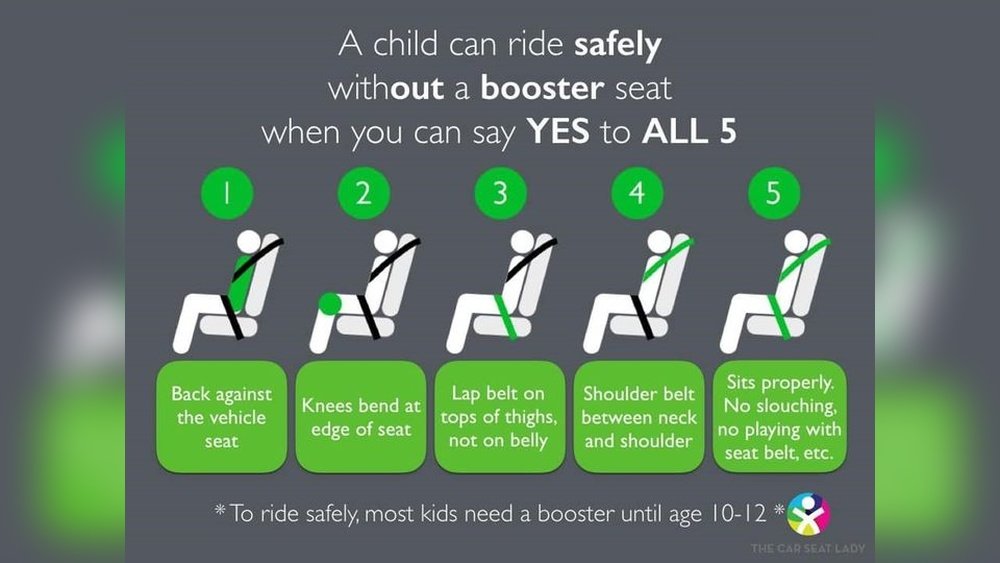
Booster seats help bigger kids use the car’s seat belt properly. The seat belt fits better over their shoulder and lap. Kids move to booster seats after outgrowing forward-facing seats with a harness. This usually happens between ages 4 and 7.
Booster seats improve safety by positioning the belt correctly on the body. Without a booster, the belt can cause injury in a crash. Children should stay in booster seats until the car belt fits well without it. This often means they are about 4 feet 9 inches tall and 8 to 12 years old.
Behavioral Signs From Your Child
Children show clear signs when their car seat no longer fits well. Parents can notice changes in behavior during car rides. These changes help decide if it is time to upgrade the car seat. Watching your child closely during trips is important. Small clues often tell a bigger story about comfort and safety.
Discomfort And Fussiness
Children may become restless or complain often during rides. They might fuss or cry more than usual. This fussiness can mean the seat is too tight or too loose. An uncomfortable seat puts pressure on their body. Poor support makes it hard for them to sit still. These signs show that the current car seat might not fit well anymore.
Difficulty Buckling
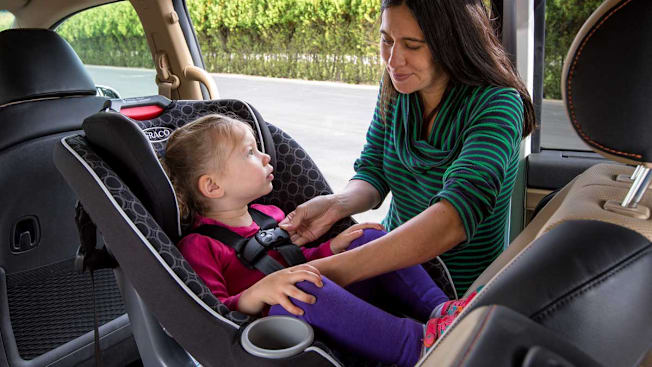
Struggling to fasten the harness or buckle is a key sign. Your child might resist getting strapped in. They may push away the straps or try to unbuckle themselves. Tight or awkward straps can cause frustration. If buckling takes longer than before, it could mean the seat size is wrong. Upgrading to a better-fitting seat makes buckling easier and safer.
Credit: www.consumerreports.org
Frequently Asked Questions
When Should I Upgrade My Infant Car Seat?
Upgrade your infant car seat when your baby outgrows the height or weight limit. Check the seat’s manual for specific limits. Also, consider upgrading if the seat is expired or damaged for safety.
How Do I Know If My Toddler Needs A New Car Seat?
Your toddler needs a new car seat when they exceed the current seat’s weight or height limits. Transition to a convertible or booster seat for better support and safety.
Can Car Seats Be Used After Their Expiration Date?
No, car seats should not be used after their expiration date. Materials weaken over time, reducing crash protection. Always check the manufacturer’s expiration date before use.
What Signs Indicate It’s Time To Switch To A Booster Seat?
Switch to a booster seat when your child is too tall or heavy for a forward-facing seat. Also, when the harness no longer fits properly, a booster is safer.
Conclusion
Choosing the right time to upgrade your car seat keeps your child safe. Watch for signs like weight limits, seat damage, or comfort issues. Growing kids need seats that fit well and meet safety rules. Don’t wait too long or switch too soon.
A proper car seat protects during every trip. Stay informed and check your seat often. Safety matters most on the road. Trust your instincts and act when needed. Your child’s comfort and security come first. Simple steps make every ride safer and easier.
