
Have you ever wondered what to do with your expired car seat? You’re not alone.
When a car seat reaches its expiration date, it’s no longer safe for your child, but tossing it in the trash doesn’t feel right either. You want to protect your little one, keep the environment safe, and follow the rules—but where can you actually take that old car seat?
Keep reading, and you’ll discover easy, practical options to dispose of or recycle your expired car seat the right way. Your child’s safety and peace of mind are worth it.
Why Expired Car Seats Matter
Expired car seats matter because they can put children at risk. Car seats wear out over time. The materials weaken and may fail in a crash. Using an expired seat means trusting old safety gear.
Parents and caregivers must understand these risks. Knowing why expiration dates exist helps protect children better. Safe car travel depends on strong, reliable seats.
Risks Of Using Expired Seats
Expired car seats may not protect children properly. Plastic parts can crack or break easily. Straps may lose strength and fail during impact. Padding can degrade, reducing comfort and safety. Crash tests do not cover expired seats. Using them increases injury chances in accidents.
Legal And Safety Standards
Car seat makers follow strict safety rules. These rules set expiration dates to ensure reliability. Laws in many places require using approved, non-expired seats. Authorities recommend replacing seats after the expiration date. Safety standards change over time. Older seats may not meet current rules.

Credit: saferide4kids.com
Signs Your Car Seat Has Expired
Car seats have a limited life span. Using an expired car seat can put a child’s safety at risk. Knowing the signs of an expired car seat helps keep children safe. It also guides you on when to replace or recycle the seat.
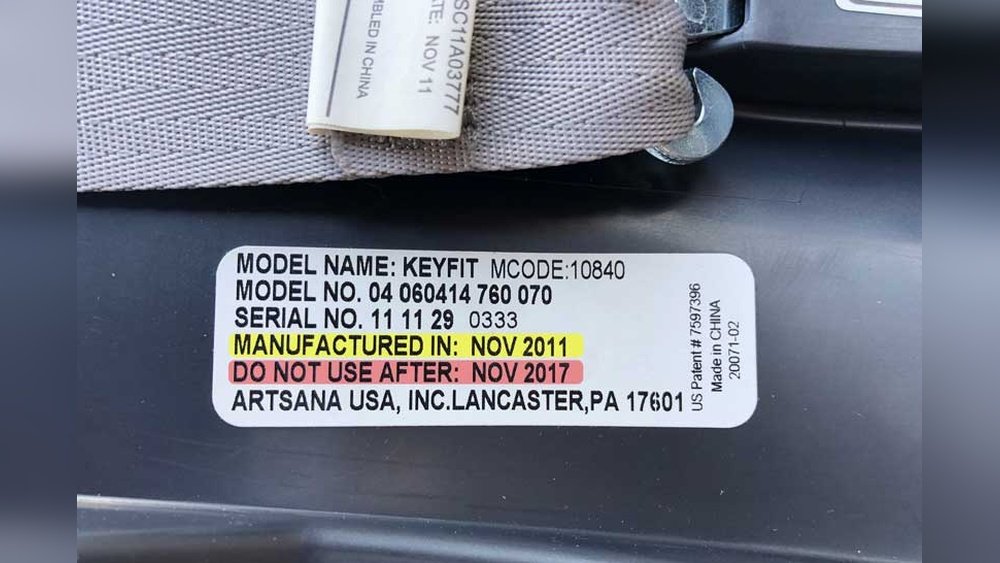
Manufacture Date Check
Every car seat has a manufacture date printed on a label. This date tells you when the seat was made. Car seats usually expire 6 to 10 years after this date. Check this label carefully before using the seat.
Do not guess the age of the car seat. Expired seats may not protect well in crashes. The plastic and straps weaken over time. Always confirm the exact manufacture date.
Physical Damage And Wear
Look for cracks or breaks in the plastic shell. These weaken the car seat’s structure. Worn or frayed straps can fail during a crash. Check the buckle and locking mechanisms too.
Faded colors or missing parts also show wear. Seats with damage or heavy wear should not be used. Safety depends on the seat’s condition, not just its age.
Safe Disposal Options
Expired car seats need proper disposal to avoid harm to people and the environment. Throwing them in the trash can cause pollution or injury. Safe disposal options help remove these seats responsibly. They ensure parts are recycled or discarded correctly.
Local Recycling Centers
Many local recycling centers accept expired car seats. They separate plastic, metal, and fabric parts for recycling. Check with your nearest center for rules and drop-off times. Some centers require appointments or special packaging.
Hazardous Waste Facilities
Hazardous waste facilities handle items that can harm the environment. Expired car seats with chemicals or batteries belong here. These facilities break down harmful parts safely. Find your local hazardous waste site to dispose of the seat properly.
Car Seat Recycling Programs
Car seat recycling programs specialize in handling old seats. They often partner with manufacturers or safety groups. These programs ensure materials are reused or recycled correctly. Search online for programs near you that accept expired car seats.

Credit: toledoparent.com
Donation And Repurposing Ideas
Expired car seats should not go to waste. They can serve new purposes or help others in need. Donation and repurposing give these seats a second life. It helps reduce waste and supports communities.
Some places accept expired car seats for specific uses. Others have rules about what they can take. Creative reuse ideas also make old seats useful again.
Donation Restrictions
Most charities do not accept expired car seats for child safety. Seats older than six years lose crash protection. Used seats may have hidden damage or worn parts.
Some programs accept expired seats for training or recycling only. Check local laws and charity rules before donating. Always ask if the seat is safe for donation.
Creative Reuse Suggestions
Expired car seats can become pet carriers or beds. They provide a cozy and secure spot for small pets. Use the straps and padding for crafting or storage.
Old seats can turn into garden seats or tool holders. Their sturdy design suits outdoor or workshop use. Paint or decorate them to fit your style.
Preparing Car Seats For Disposal
Preparing car seats for disposal is important for safety and recycling. Proper steps help avoid accidents and make recycling easier. Follow simple actions before you throw away an expired car seat.
Removing Padding And Straps
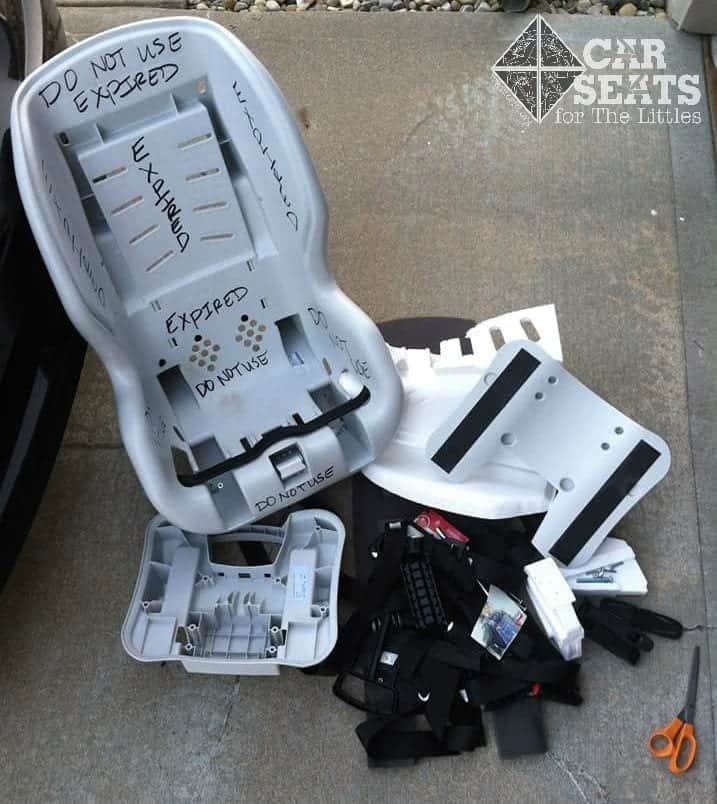
Start by taking off all padding from the seat. Padding is often made of foam and fabric. Removing it helps recycling centers sort materials better. Next, unbuckle and cut the straps. Cutting straps prevents reuse and keeps others safe. Use scissors or a knife carefully to cut all straps.
Disabling The Seat For Safety
Make the seat unusable to avoid accidents. Use a screwdriver to remove parts like the plastic shell or metal pieces. Break or cut the plastic parts if you cannot remove them. Mark the seat with a permanent marker. Write “Do Not Use” on the seat clearly. Disabling stops someone from using an old, unsafe seat again.
Finding Disposal Locations Near You
Finding a place to dispose of expired car seats can feel confusing. Many people do not know where to take them. Proper disposal is important for safety and the environment. Local options vary. This section helps you find disposal locations near you.
Using Online Resources
Start by searching online for car seat recycling or disposal centers. Many websites list local drop-off points. Some cities have special programs for expired car seats. You can enter your zip code to find nearby options. Check recycling websites and community forums. These resources often provide clear instructions.
Contacting Local Authorities
Call your city or county waste management office. They can tell you about car seat disposal rules. Some areas have scheduled collection events. Local fire stations or police departments may accept old car seats. Ask about safe disposal methods. Authorities offer reliable information and support.
Environmental Impact Of Improper Disposal
Expired car seats are often thrown away without thought. This careless disposal harms the environment. Car seats contain plastic, metal, and foam. These materials take years to break down. Toxic chemicals can leak into soil and water. This pollution affects plants, animals, and people.
Understanding the impact helps us make better choices. Proper disposal keeps the environment safe. It reduces waste and pollution. It also saves resources by recycling parts.
Landfill Concerns
Most expired car seats end up in landfills. Landfills fill up quickly with non-biodegradable waste. Plastic parts in car seats take hundreds of years to decay. Chemicals from foam and metals can seep out. These toxins pollute groundwater and soil. Wildlife living near landfills can get harmed. Landfills also produce greenhouse gases like methane. These gases contribute to climate change. Landfill waste adds to long-term environmental damage.
Benefits Of Responsible Disposal
Taking expired car seats to proper centers helps the planet. Recycling recovers metals and plastics for reuse. It lowers the need for new raw materials. This saves energy and reduces pollution. Proper disposal also stops toxic leaks into nature. Some programs repurpose parts for other uses. Giving old seats a second life reduces waste. Responsible actions support cleaner air and water. They protect communities and wildlife from harm.
Credit: csftl.org
Frequently Asked Questions
Where Can I Safely Dispose Of Expired Car Seats?
Expired car seats can be disposed of at local recycling centers or hazardous waste facilities. Some communities offer special collection events for bulky items. Always check with your city’s waste management guidelines to ensure proper disposal.
Can Expired Car Seats Be Donated Or Reused?
No, expired car seats should not be donated or reused. Safety standards change, and materials degrade over time. Using expired seats puts children at risk, so always replace them with new, certified car seats.
Are There Recycling Programs For Expired Car Seats?
Yes, some organizations and manufacturers offer recycling programs for expired car seats. Programs vary by location, so contact local recycling centers or car seat manufacturers to find available options near you.
What Should I Do If I Can’t Find A Recycling Center?
If no recycling center accepts expired car seats, contact your local waste authority for guidance. They may offer special disposal days or direct you to authorized drop-off locations.
Conclusion
Expired car seats should never be used again. They lose their safety features over time. Many local recycling centers accept old car seats. Some stores offer trade-in programs for expired seats. Donating is not safe unless the seat is unused.
Check your city’s waste disposal guidelines for details. Proper disposal helps protect children and the environment. Always replace car seats after their expiration date. Keep your child safe with a new, certified seat. Taking action today ensures safer rides tomorrow.
