
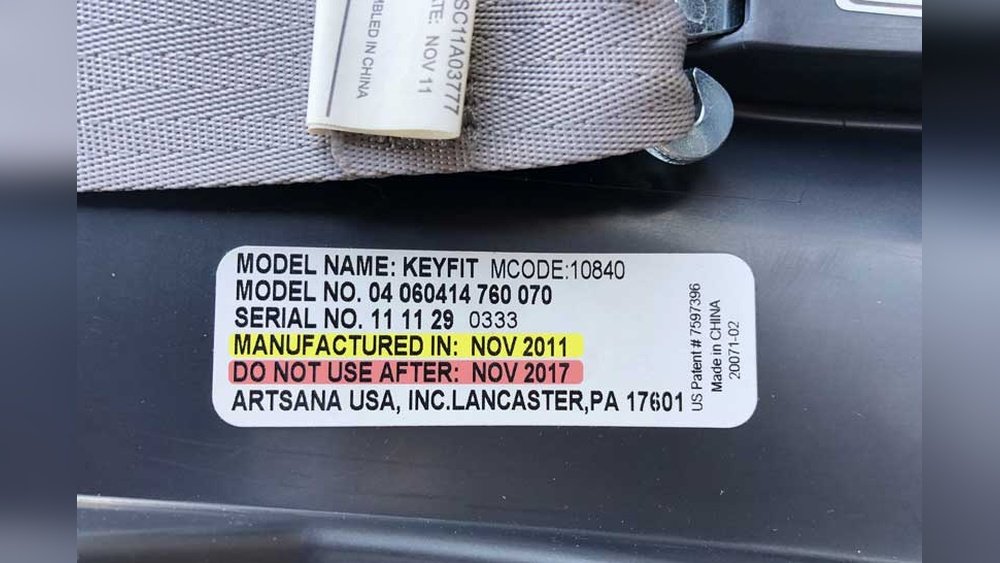
Have you ever wondered if your child’s car seat is still safe to use? You might be surprised to learn that car seats don’t last forever.
Knowing where to find the car seat expiration date can protect your little one from hidden dangers on the road. You’ll discover exactly where to look for this important information and why it matters for your child’s safety. Keep reading to make sure your car seat is still doing its job—because your child’s safety can’t wait.
Credit: southernmaineonthecheap.com
Why Car Seats Expire
Car seats do not last forever. They have expiration dates for important reasons. Knowing why car seats expire helps parents keep children safe. Safety depends on many factors that change over time.
Material Wear And Tear
Car seats face daily use and stress. The plastic can weaken from heat and cold. Straps may fray or lose strength. Padding breaks down and loses protection. These changes reduce the seat’s safety.
Safety Standards Updates
Rules for car seats improve with new research. Older seats may not meet the latest safety tests. Expiration dates ensure seats follow current laws. Using an expired seat could mean less protection.
Manufacturer Guidelines
Each car seat comes with a set lifespan. Manufacturers test their products to set this limit. The expiration date is based on safety and durability. Following these guidelines helps prevent accidents and injuries.
Locating The Expiration Date
Finding the expiration date on a car seat is important. It helps ensure your child’s safety. Car seats do not last forever. The materials can wear out over time. Knowing where to find this date is the first step.
Common Label Locations
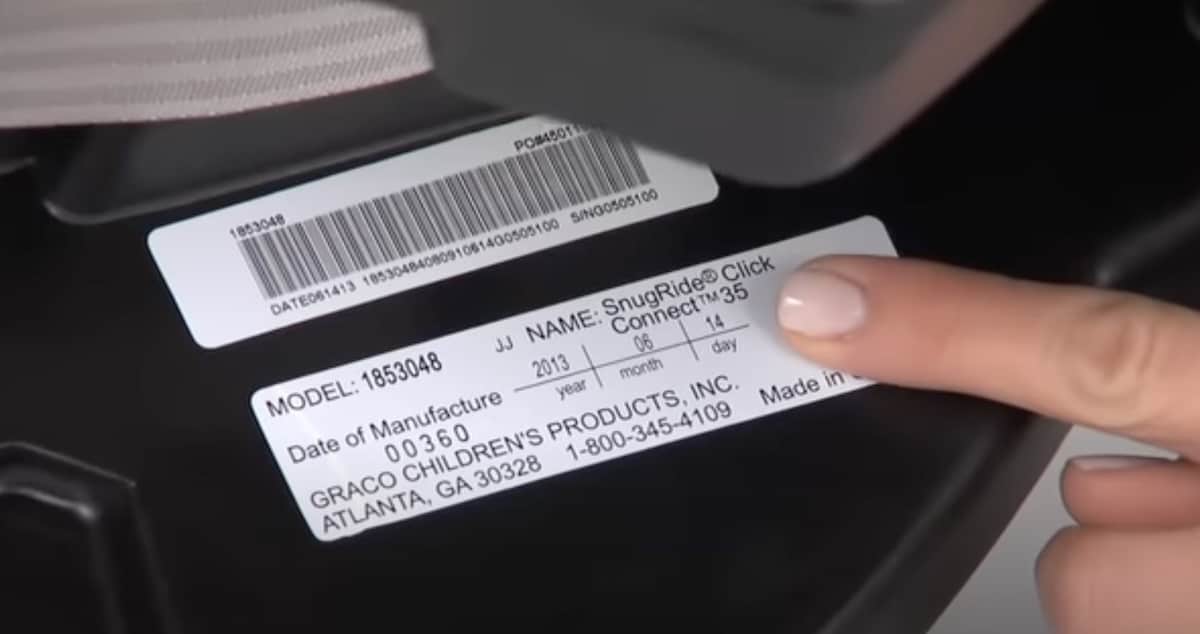
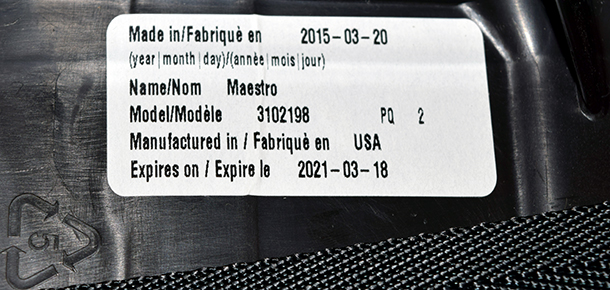
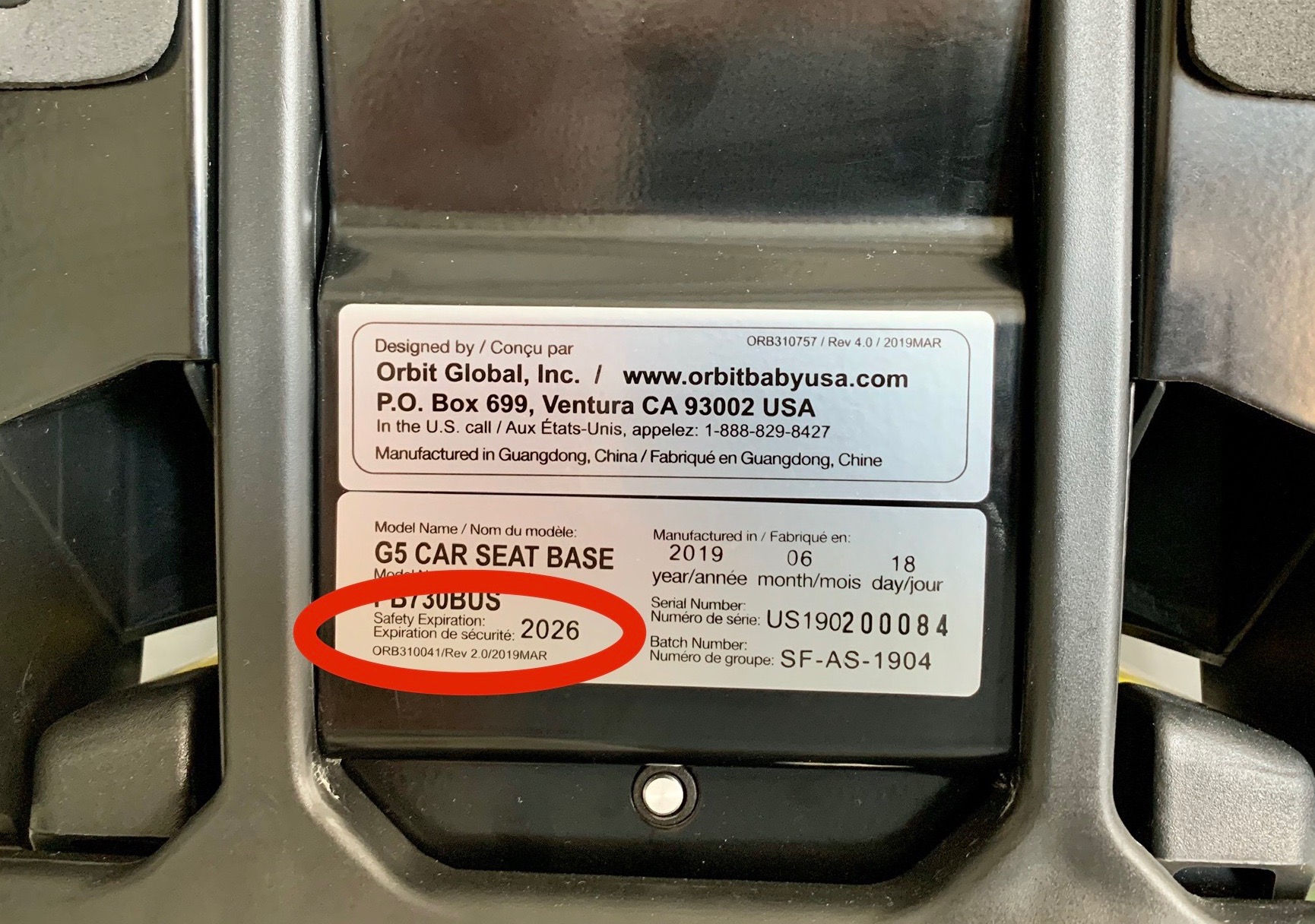
The expiration date is usually on a label or sticker. Check the back of the car seat. Look under the seat where the fabric meets the plastic. Some seats have the label on the bottom. Others place it on the side near the harness straps.
Labels can be hard to see at first. Use a flashlight if needed. The date might be small or faded. Make sure to check carefully.
Reading The Date Format
Expiration dates can look different. Some show a month and year, like “12/2025”. Others have a full date, such as “December 2025”. The date might also say “Do not use after”.
Check if the date means the end of the month. Usually, the seat expires on the last day. Always read the label carefully to avoid mistakes.
Using The Manual And Online Resources
The car seat manual often shows the expiration date. Find the section about safety or maintenance. Manuals explain how to read the labels too.
Manufacturer websites also help. Enter your car seat model number to find expiration details. Some sites have guides to explain date formats.
Keep your manual or save a copy online. It helps you check the seat’s safety anytime.
Risks Of Using Expired Car Seats
Using an expired car seat puts a child’s safety at risk. Car seats have a limited life span. Over time, their parts wear out or become less effective. Knowing the risks helps parents make safe choices.
Reduced Crash Protection
Expired car seats may not protect well in crashes. Safety features like harnesses and padding lose strength. The seat might break more easily during impact. This increases the chance of injury for the child.
Material Degradation
Plastic and foam can weaken with age. Sunlight and temperature changes cause damage. Cracks and brittleness can develop unseen. This damage makes the seat less safe over time.
Warranty And Liability Issues
Expired seats no longer have a valid warranty. Manufacturers do not cover old seats. Using an expired seat may void insurance claims. Liability can be a problem after an accident.
Credit: blog.cincinnatichildrens.org
Extending Car Seat Lifespan Safely
Extending the lifespan of a car seat keeps your child safe and saves money. Taking good care of the seat helps it last longer without losing its strength. Small actions like cleaning, storing, and checking the seat can make a big difference. These steps keep the seat in good shape and ready for use.
Proper Cleaning Techniques
Clean the car seat regularly to remove dirt and spills. Use mild soap and warm water for the fabric. Avoid harsh chemicals that can damage the material. Let the cover dry completely before putting it back. Clean the plastic parts with a damp cloth. Do not soak the seat or use a washing machine. Proper cleaning keeps the seat fresh and safe.
Storage Tips
Store the car seat in a dry, cool place when not in use. Avoid direct sunlight to prevent fading and material weakening. Keep the seat away from moisture to stop mold growth. Do not place heavy items on top of the seat. Proper storage protects the seat’s structure and fabric. It also helps the seat last longer.
Regular Inspections
Check the car seat often for any signs of wear or damage. Look for cracks in the plastic and frayed straps. Make sure all buckles and parts work correctly. Replace the seat if you find any damage. Regular checks ensure the seat stays safe. It helps you catch problems early before they become serious.
When To Replace Your Car Seat
Knowing when to replace your car seat is very important for your child’s safety. Car seats do not last forever. Over time, parts wear out and may not protect your child properly. You should check your car seat regularly and replace it at the right time.
After A Crash
Car seats must be replaced after any crash. Even a small crash can weaken the seat’s structure. The safety parts inside might break without visible signs. Using a car seat after a crash is unsafe. Always get a new seat after an accident.
Visible Damage Signs
Look for cracks, broken parts, or worn straps. These signs mean the car seat is not safe. Check the harness and buckles to ensure they work well. Faded or torn fabric can reduce protection. Replace the seat if you see any damage.
Age-based Replacement
Car seats have expiration dates from the manufacturer. Usually, a seat lasts 6 to 10 years. Plastic and materials weaken over time. Using an expired car seat risks your child’s safety. Always check the label for the expiration date and replace the seat on time.
Credit: support.orbitbabyusa.com
Choosing A New Car Seat
Choosing a new car seat means more than just picking a model that looks good. Safety and durability matter most. Parents want a seat that protects their child well. Knowing where to find the car seat expiration date helps avoid old, unsafe products. This guide helps you make smart choices for your child’s safety.
Checking Expiration Dates Before Purchase
Always check the car seat expiration date before buying. Expired seats may have weak parts or outdated safety rules. The date is usually on a sticker or molded into the plastic. Never buy a used car seat without finding this date. A fresh seat offers the best protection for your child.
Features To Consider
Look for easy installation features. Seats with clear instructions reduce errors. Adjustable straps and headrests help the seat grow with your child. Good padding adds comfort and safety. Choose a seat that fits your car well. These features make travel safer and easier.
Certification And Safety Ratings
Check for certification labels like FMVSS 213 in the U.S. These prove the seat meets safety standards. Review safety ratings from trusted sources. High ratings mean better crash protection. Certifications and ratings guide you to trusted products.
Frequently Asked Questions
Where Can I Find The Car Seat Expiration Date?
The car seat expiration date is usually found on a sticker or embossed label. Check the back, bottom, or side of the seat. It often includes the month and year the seat expires.
Why Does A Car Seat Have An Expiration Date?
Car seats expire because materials weaken over time. Safety standards also change. Using an expired seat may reduce protection during crashes.
How Long Is A Typical Car Seat Expiration Period?
Most car seats expire between 6 to 10 years from the manufacture date. Check your specific seat’s label for exact information.
Can I Use A Car Seat After Its Expiration Date?
No, using a car seat past its expiration date is unsafe. The seat may fail in a crash due to worn materials.
Conclusion
Every car seat has an expiration date. It keeps your child safe from old, worn-out materials. You can find this date on a label or molded into the plastic. Using a seat past its date is risky. Car seats wear out over time and may not protect well.
Check the date often to know when to replace. Safety matters most for your little ones. Keep your child secure by using a seat that is still good. Simple steps can prevent big problems.
