
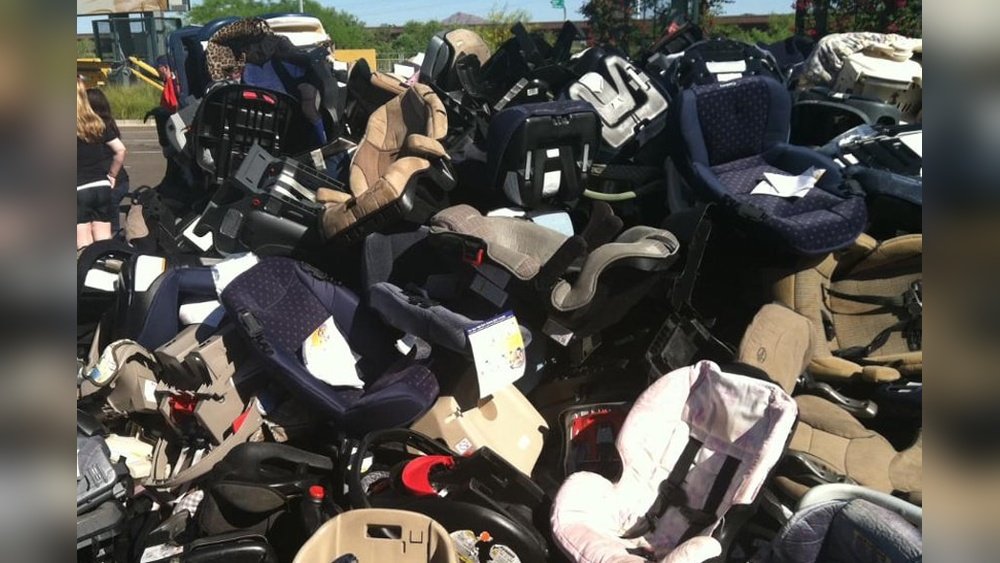
If you have an old car seat lying around, you might be wondering where to dispose of it safely and responsibly. Throwing it in the trash isn’t always the best option, and you want to make sure your child’s safety gear doesn’t end up harming the environment.
You’re about to discover simple, practical places where you can take your used car seat. Keep reading to learn the best ways to get rid of it without stress or confusion. Your peace of mind—and the planet—will thank you.

Credit: www.arloren.com
Why Dispose Of Car Seats Properly
Proper disposal of car seats matters for many reasons. Old car seats can harm the environment and cause safety problems. Knowing why to dispose of car seats properly helps protect your family and the planet. It also ensures that your community stays safe.
Environmental Impact
Car seats contain plastic, metal, and foam. These materials take a long time to break down in landfills. If not disposed of correctly, they add to pollution and waste. Burning car seats releases toxic chemicals into the air. Recycling parts of the car seat can reduce waste. It saves resources and lowers pollution. Proper disposal helps keep the Earth cleaner and healthier.
Safety Concerns
Old car seats may look fine but lose their safety features over time. Using expired or damaged seats can harm children in a crash. Disposing of car seats correctly stops others from using unsafe seats. Many disposal programs destroy the seats to keep them from being reused. This prevents accidents caused by broken or expired car seats. Safety must always come first.
Signs Your Car Seat Needs Disposal
Car seats protect your child in the car. But they do not last forever. Knowing when to throw away a car seat keeps your child safe. Some signs show it is time to dispose of your car seat. Pay close attention to these signs to avoid risks.
Old or damaged car seats may not work well in a crash. They lose their strength and safety features. Check your car seat often. Look for clear signs that it needs disposal.
Expiration Dates
Every car seat has an expiration date. This date is printed on a label or molded into the plastic. Expiration usually happens 6 to 10 years after the seat is made. After this date, the materials weaken. The seat may no longer protect your child properly. Using an expired car seat is unsafe.
Damage And Wear
Cracks, broken parts, or missing pieces mean danger. Damage weakens the car seat’s structure. Straps that are frayed or stretched lose strength. Padding that is worn out can reduce comfort and safety. If the car seat was in a crash, replace it immediately. Even if no damage is visible, crash forces can hurt the seat’s safety. Never use a damaged car seat.
Local Recycling Centers Accepting Car Seats
Local recycling centers often accept car seats for proper disposal. These centers help reduce waste and keep harmful materials out of landfills. Recycling centers break down car seats and recycle parts like metal and plastic.
Using local centers is a smart way to dispose of old car seats safely. Many communities offer this service free or for a small fee. Check your area’s recycling program for specific rules about car seat drop-off.
How To Find Nearby Centers
Search online for recycling centers near you that accept car seats. Use keywords like “car seat recycling” and your city name. Visit your city or county waste management website for a list of locations.
Call local recycling centers to confirm they take car seats. Some centers require appointments or special preparation. Ask about drop-off times and any fees before you go.
What To Expect At Drop-off
Bring your car seat to the center during their open hours. Staff may ask you to remove padding or straps before dropping it off. Follow their instructions to make the process smooth.
Centers may sort the car seats by material type for recycling. Some parts may be reused, while others are properly discarded. Staff can answer questions about how they recycle your car seat.
Specialized Car Seat Recycling Programs
Specialized car seat recycling programs offer safe and eco-friendly ways to dispose of old car seats. These programs focus on breaking down car seats into reusable materials. This helps reduce waste and protects the environment.
Many options exist to recycle car seats properly. Some come directly from manufacturers. Others are run by nonprofits or local groups. Both play important roles in car seat recycling.
Manufacturer Take-back Options
Some car seat makers offer take-back programs. You can send your old car seat to them. They recycle parts safely and reuse materials.
These programs often come with clear instructions. This makes recycling easy and hassle-free. Check with the car seat brand for details.
Nonprofit And Community Initiatives
Nonprofits and community groups often run car seat recycling drives. They collect old seats from local residents. Then, they work with recycling centers to process them.
These initiatives raise awareness about safe disposal. They also help keep car seats out of landfills. Find local groups that host recycling events near you.
Alternative Disposal Methods
Finding the right way to dispose of old car seats can help protect the environment. Alternative disposal methods offer practical options beyond throwing them away. These methods extend the life of car seats or turn them into useful items.
Donation For Reuse
Donating car seats helps families who need affordable child safety gear. Many charities accept gently used car seats in good condition. Always check if the seat meets current safety standards before donating. Some programs inspect and clean seats before giving them to others. Donation reduces waste and supports community needs.
Upcycling Ideas
Upcycling turns old car seats into creative, useful objects. The seat cushions can become pet beds or garden seats. Straps and buckles work well for crafting bags or belts. Upcycling keeps materials out of landfills and gives them new life. Simple projects can save money and make unique items.
Credit: csftl.org
Preparing Car Seats For Disposal
Preparing car seats for disposal helps protect the environment and ensures safety. Proper preparation makes recycling or trash disposal easier. Follow simple steps to get your car seat ready.
Removing Hazardous Parts
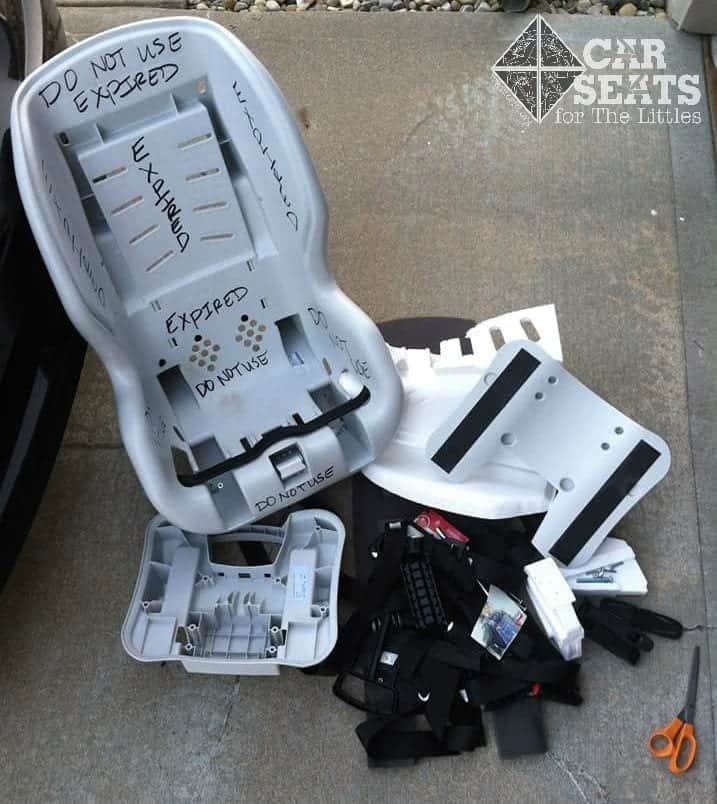
Start by taking out the car seat’s metal parts. These include screws, bolts, and any sharp objects. Remove the plastic pieces that contain chemicals or batteries. Check the manual to find hazardous components. Removing these parts prevents harm to workers and the environment.
Cleaning And Packaging Tips
Clean the car seat before disposal. Use mild soap and water to remove dirt and stains. Let it dry completely to avoid mold or bad smells. Wrap the seat in a clear plastic bag or old sheet. This keeps the seat intact and easier to handle. Label the package with “Used Car Seat” for recycling centers.
Avoiding Common Disposal Mistakes
Disposing of car seats requires care to avoid common mistakes. Wrong disposal can harm the environment and waste useful materials. Understanding the right steps helps keep communities clean and safe.
Illegal Dumping Risks
Throwing car seats in unauthorized places is illegal. It creates health hazards and pollutes neighborhoods. Illegal dumping can lead to fines or legal trouble. Always use proper disposal sites to prevent these risks.
Misuse Of Recycled Materials
Car seats contain plastics and metals that can be recycled. Improper disposal stops these materials from being reused. Recycled parts may end up in low-quality products if not sorted correctly. Proper recycling protects resources and reduces waste.
Credit: csftl.org
Frequently Asked Questions
Where Can I Safely Dispose Of Old Car Seats?
You can dispose of old car seats at local recycling centers or hazardous waste facilities. Some retailers also offer take-back programs for used car seats.
Can I Donate A Used Car Seat?
Yes, but only if it meets safety standards and isn’t expired or damaged. Many charities accept gently used, approved car seats.
Are Car Seats Recyclable?
Car seats are partially recyclable. Metal parts can be recycled, but plastic and foam components often require special handling.
What Should I Do If My Car Seat Is Expired?
Do not use expired car seats. Check local disposal guidelines for safe disposal or recycling options to avoid hazards.
Conclusion
Proper disposal of car seats helps keep the environment clean. Many local recycling centers accept old car seats. Some stores also offer take-back programs for used seats. Donating usable seats can help families in need. Always check local rules before discarding car seats.
Safe disposal prevents waste and protects the community. Remember, recycling and donating extend the life of these items. Take a moment to find the right place nearby. Your effort makes a positive difference in your area.
