
Do you have a car seat that your child has outgrown or no longer needs? Instead of letting it sit unused or tossing it away, you can give it a new life by donating it.
But where exactly can you donate a car seat? Finding the right place isn’t always easy, and you want to make sure your donation truly helps a family in need. Keep reading, and you’ll discover simple, trustworthy options for donating your car seat safely and responsibly.
Your small action can make a big difference in keeping children safe on the road.

Credit: kdfoundation.org
Why Donate Car Seats
Donating car seats helps many families and communities. It gives children safe rides and supports those who need help. Giving away old or unused car seats is a kind act with many benefits. Let’s see why donating car seats matters.
Benefits For Families
Many families cannot afford new car seats. Donations provide safe seats for their children. Parents feel relief knowing their kids travel safely. It helps families keep their children protected on the road. Donated car seats make a real difference in their daily lives.
Environmental Impact
Throwing away car seats adds to landfill waste. Donating keeps seats out of trash and reduces pollution. It helps reuse materials and saves resources. This simple action supports a cleaner planet. Giving a car seat a second life protects the environment.
Community Support
Donating car seats builds stronger communities. It shows care and kindness to neighbors in need. Local groups often distribute seats to families who ask for help. This act creates trust and connection among people. Supporting each other helps communities grow healthier and safer.
Car Seat Donation Guidelines
Donating a car seat helps many families keep their children safe. Follow clear guidelines to make sure your donation is useful. Car seats must meet safety rules and be in good shape. Check the age and condition before donating. This keeps every child secure on the road.
Safety Standards
Donate only car seats that meet current safety laws. The seat should have a label showing it passed crash tests. Avoid seats that don’t meet national safety rules. This ensures the child will be protected during travel.
Condition Requirements
Car seats must be clean and free from damage. Check for cracks, broken parts, or missing pieces. Straps should not be frayed or torn. A damaged car seat can fail to protect a child.
Age And Expiry Checks
Car seats expire after a few years. Check the manufacture date on the label. Do not donate seats that passed their expiry date. Old seats may have weak materials or outdated safety features.
Local Charities Accepting Car Seats
Donating a car seat can help families in need and keep children safe. Local charities often accept car seats to support parents who cannot afford new ones. These organizations check the seats for safety and give them to families who need them most.
Nonprofit Organizations
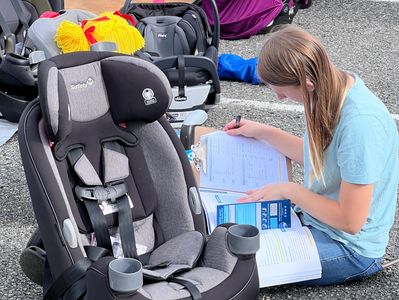
Many nonprofit groups accept car seats as donations. They often run programs that focus on child safety. These groups inspect and clean the seats before giving them away. Donating here ensures the seat helps a family in your community.
Community Centers
Community centers sometimes collect car seats for local families. They offer support programs for parents and caregivers. Donating your seat here can directly impact families nearby. These centers often host events where they distribute donated seats.
Women’s Shelters
Women’s shelters accept car seats to help mothers and children. Shelters provide a safe place for families escaping difficult situations. A donated car seat can give a child a secure ride. Shelters appreciate donations that improve safety for their residents.

Credit: www.reddit.com
National Programs For Car Seat Donations
National programs for car seat donations help families across the country. These programs make it easier to give away or receive car seats safely. They work through many channels to reach people in need. Many organizations join forces to run these programs smoothly.
Government Initiatives
Government agencies run programs to collect and distribute car seats. These initiatives focus on safety and proper use. They often provide free or low-cost car seats to low-income families. Some states have special events for car seat checks and donations. These programs follow strict safety rules to protect children.
Large-scale Donation Drives
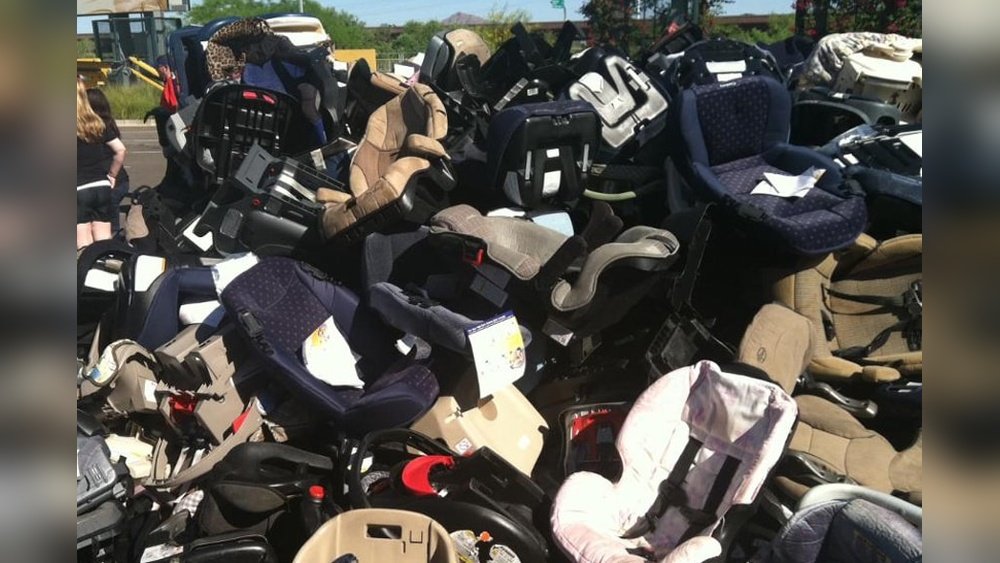
Donation drives collect many car seats at once. They happen in communities, schools, and workplaces. Volunteers gather seats to clean and check them for safety. Drives usually aim to help families who cannot afford new seats. These events create awareness about child passenger safety.
Partnerships With Retailers
Retail stores often partner with donation programs. These partnerships make donation drop-offs easy and convenient. Some stores offer discounts for donating old car seats. Retailers also help spread the word about safe car seat use. They support programs by hosting collection bins and events.
Hospitals And Health Clinics
Hospitals and health clinics often accept car seat donations. They help families who cannot afford new seats. These places ensure babies travel safely from day one. Donated car seats support newborn safety programs and educate parents on proper use. Hospitals provide a trusted way to give back to the community.
Newborn Assistance Programs
Many hospitals run newborn assistance programs. These programs offer car seats to new parents in need. The goal is to keep newborns safe on the road. Donated seats are cleaned and checked before use. This helps families who face financial challenges.
Safety Education
Hospitals teach parents how to use car seats correctly. Staff show how to install and adjust the seat. Safety education helps prevent injuries in car accidents. Donated seats often come with instructions or staff support. Parents leave confident and ready to protect their child.
Donation Procedures
Each hospital has clear steps for donating car seats. Usually, seats must be in good condition with no damage. Some hospitals accept only new or barely used seats. Donors should contact the hospital first to learn rules. Proper cleaning and packaging improve chances of acceptance.
Credit: safekidsmaine.org
Online Platforms And Marketplaces
Online platforms and marketplaces offer easy ways to donate car seats. These options connect donors with families or organizations in need. They save time and help find a good home for your car seat. Here are some popular online places to consider.
Donation Websites
Donation websites specialize in accepting items like car seats. They often work with charities and shelters. You can list your car seat for donation quickly. These sites guide you through the donation steps. Some even offer free pickup services.
Social Media Groups
Social media groups are great for local donations. Join groups focused on community giving or parenting. Post your car seat with clear photos and details. Many people in your area may need it. Social media makes communication fast and easy.
Peer-to-peer Exchanges
Peer-to-peer platforms let you connect directly with other users. Exchange or donate your car seat without middlemen. These sites often include reviews and ratings. They help build trust between donors and receivers. It’s a simple way to find a new owner quickly.
Preparing Your Car Seat For Donation
Preparing your car seat for donation is an important step. It ensures the seat is safe and ready for a new child. A clean and well-packed seat makes a good impression. It shows care and respect for the next user. Follow these simple steps to get your car seat ready.
Cleaning Tips
Remove all covers and padding from the car seat. Wash them gently by hand or in a washing machine. Use mild soap and cold water only. Wipe the plastic and metal parts with a damp cloth. Avoid harsh chemicals that can damage the materials. Let everything dry completely before reassembling the seat.
Documentation Needed
Gather all manuals and instruction booklets that came with the car seat. Include the original receipt if possible. Check the expiration date on the seat. Do not donate a car seat that is expired or has been in a crash. Attach any safety recall notices related to the seat. These papers help the new owner use the seat safely.
Safe Packaging
Wrap the car seat in a clean plastic bag to protect it. Use bubble wrap or soft cloth to cushion it inside the box. Choose a sturdy box that fits the seat without bending parts. Seal the box tightly with strong tape. Label the box clearly as “Car Seat Donation.” This protects the seat during transport and storage.
Alternatives If Donation Isn’t Possible
Sometimes, donating a car seat is not an option. The seat may be too old or damaged. Or local donation centers may not accept it. In these cases, other choices help you dispose of the car seat safely and responsibly.
Recycling Options
Car seats have plastic, metal, and fabric parts. Recycling centers may accept these materials separately. Check with your local recycling facility about car seat rules. Some areas offer special programs for recycling car seats. Breaking down the seat first can make recycling easier.
Trade-in Programs
Some stores offer trade-in deals for new car seats. You can bring your old seat and get a discount. These programs help remove old seats from landfills. Ask at baby stores or large retailers about trade-in offers. It’s a good way to upgrade safely and save money.
Disposal Guidelines
Throwing a car seat in the trash requires care. Remove all straps and padding to prevent reuse. Cut or damage the seat to stop others from using it. Check local rules for bulky trash or special pickups. Proper disposal keeps children safe and protects the environment.
Frequently Asked Questions
Where Can I Donate A Used Car Seat Safely?
You can donate used car seats to local charities, shelters, or nonprofit organizations. Always check if the seat meets safety standards and is not expired before donating.
Are There Restrictions On Donating Car Seats?
Yes, many organizations only accept car seats that are less than six years old and have no damage. Always verify the donation guidelines before giving your car seat.
Which Organizations Accept Car Seat Donations?
Common places include Safe Kids coalitions, children’s hospitals, and domestic violence shelters. These groups often distribute seats to families in need.
Can I Donate A Car Seat Online?
Yes, some platforms and local Facebook groups allow you to donate or sell car seats online. Make sure to follow safety and expiration date guidelines.
Conclusion
Donating a car seat helps families in need stay safe. Choose places like shelters, charities, or local organizations. Always check if the seat meets safety rules before donating. Clean and inspect the seat to make it ready. Your gift can protect a child and bring peace.
Giving feels good and makes a real difference. Find a nearby donation spot and help today. Small actions create big changes for children’s safety.
