
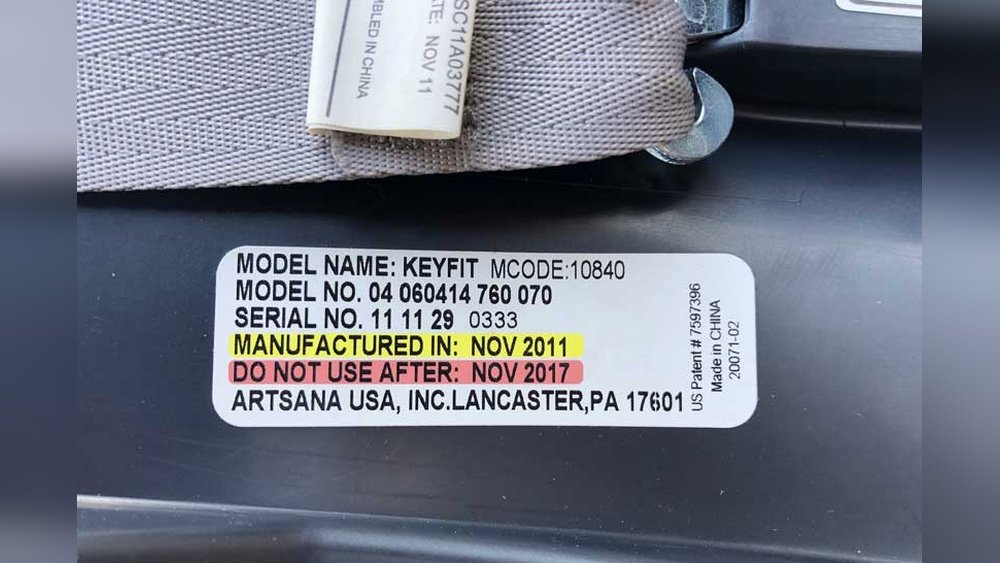
Are you sure your child’s car seat is still safe to use? Knowing where to find the expiration date on a car seat can protect your little one from hidden dangers.
Car seats don’t last forever, and using an expired seat can put your child at risk. You’ll learn exactly where to look for the expiration date, why it matters, and what to do once your car seat has passed its prime.
Keep reading to make sure your child’s safety is never compromised.
Expiration Date Importance
Knowing the expiration date of a car seat is very important. Car seats wear out over time and may not protect your child well after that date. The materials can break down and lose strength. This can make the seat unsafe in a crash. Always check the expiration date before using a car seat.
Safety Risks Of Expired Seats
Expired car seats may have weakened parts. Plastic and straps can get brittle or cracked. This reduces the seat’s ability to absorb crash forces. Old seats might not fit your child properly anymore. Safety standards also change, making old seats outdated. Using an expired seat increases injury risk in accidents.
Manufacturer Recommendations
Car seat makers set expiration dates for safety reasons. These dates appear on labels or molded into the seat. Most seats last about six to ten years from the manufacture date. The date tells you when the seat stops meeting safety tests. Follow the manufacturer’s advice to keep your child safe.
Credit: southernmaineonthecheap.com
Common Expiration Locations
Car seats have expiration dates to keep children safe. These dates show how long the seat stays strong and reliable. Finding the expiration date helps avoid using old or unsafe seats. The date is not always easy to spot. It hides in common places on the car seat.
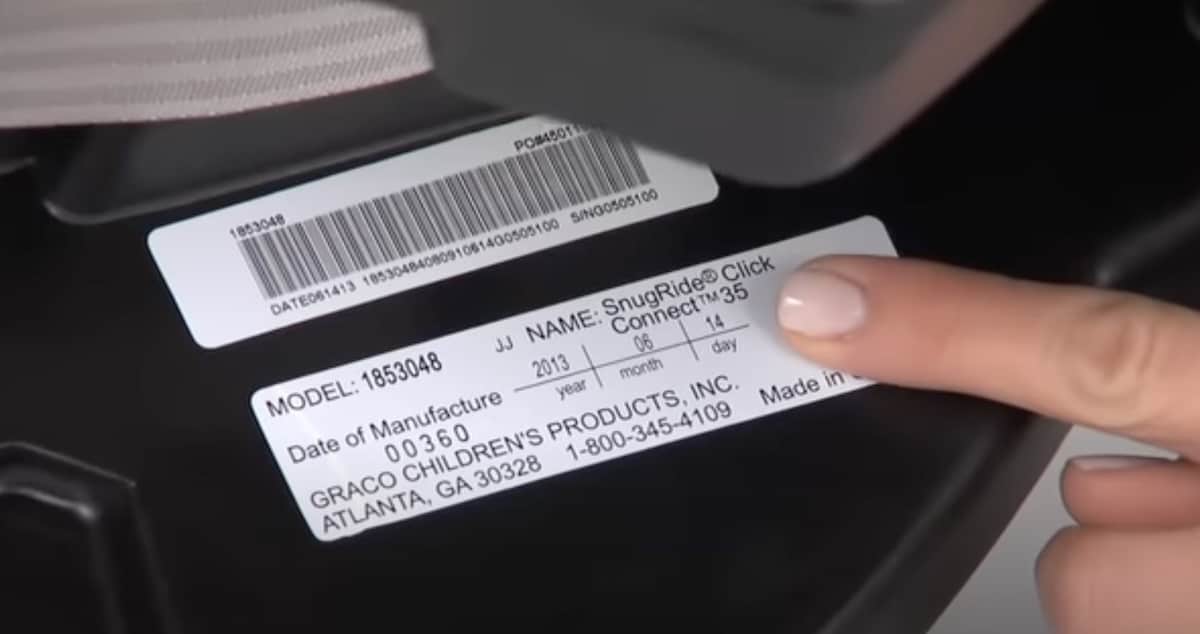
Labels On The Seat Base
The base of the car seat often has a label. This label shows important information, including the expiration date. It is usually a white or silver sticker. The date may be printed as “EXP” or “Expires.” Check the label carefully to find the exact month and year.
Stickers On The Frame
The metal or plastic frame inside the seat may have a sticker. This sticker can hold the expiration date. It might be small and placed where the seat connects to the car. Look closely on the back or bottom of the seat frame. The sticker might also include manufacturing details.
Imprinted Dates On The Seat
Some car seats have the expiration date imprinted directly on the plastic or fabric. This means the date is pressed into the material. It can be found near the seat base or on the back. The imprint might be faint, so use light or a finger to feel the numbers. This method ensures the date won’t rub off easily.
How To Read The Date
Finding the expiration date on a car seat is important for safety. Knowing how to read this date helps you use the seat correctly. The date may look different depending on the brand or model. This guide explains how to understand the date format on car seats.
Date Format Variations
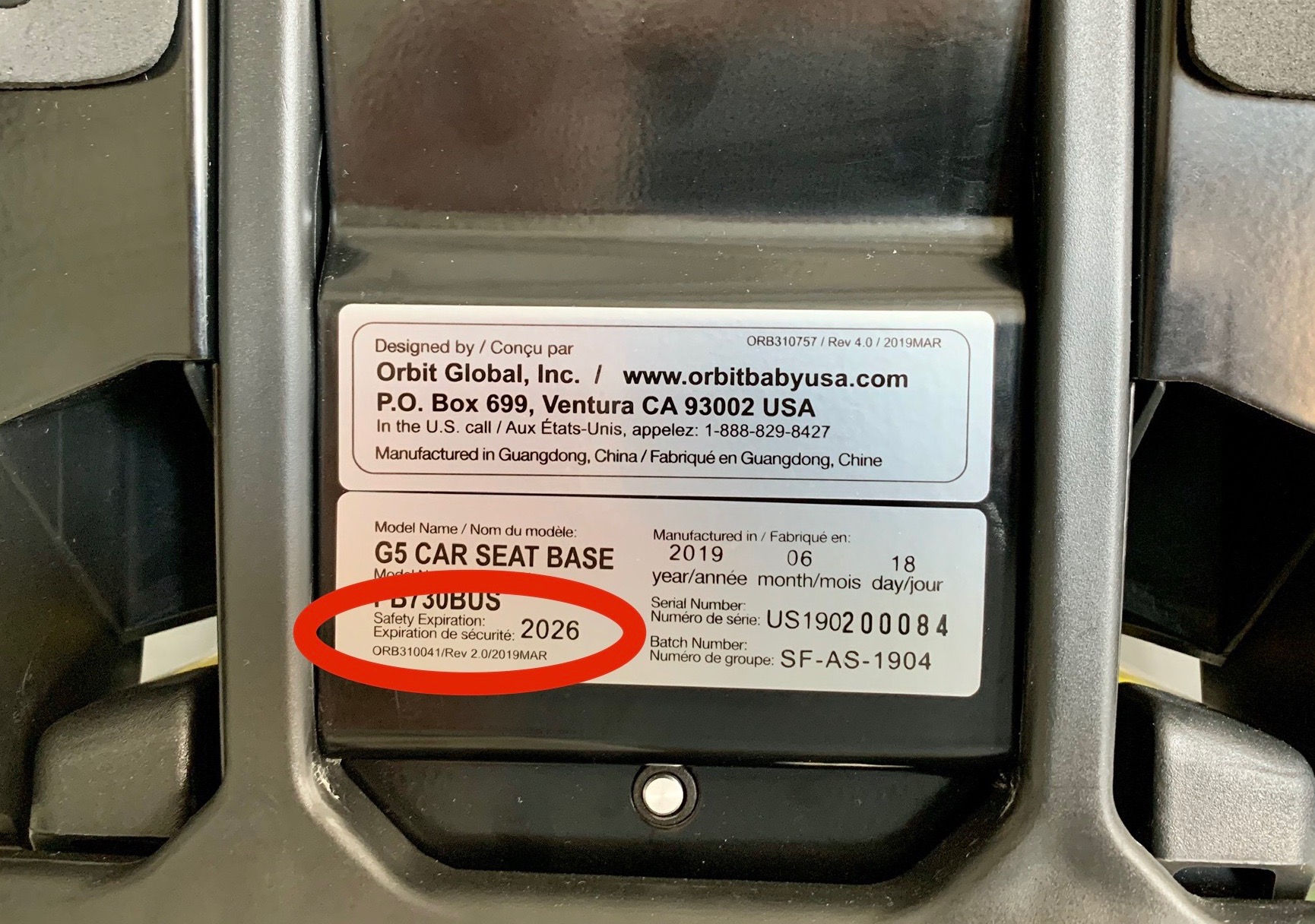
Car seat expiration dates can appear in several ways. Some use month and year only, like “07/2025.” Others may show the full date, such as “07-15-2025.” Letters or symbols might appear near the date. These markings do not change the expiration but may confuse you. Look closely at the numbers to find the correct date.
Interpreting Month And Year
The most common format shows the month first, then the year. For example, “08/24” means August 2024. Some seats show the year first, like “2024/08.” Check the user manual if unsure. The expiration usually falls six years after the manufacture date. Use the date to know when to replace your car seat.
Credit: support.orbitbabyusa.com
When No Date Is Visible
Sometimes, the expiration date on a car seat is hard to find or missing. This can be confusing and concerning for parents. Knowing the seat’s expiration date is important for safety. There are ways to find the date even when it is not visible on the seat itself.
Checking The Manual
The car seat manual often has the expiration date printed inside. Look for a section about the seat’s lifespan or safety guidelines. The manual may also explain how long the seat is safe to use. If you still have the original booklet, check it carefully. This is the easiest way to find the expiration date.
Contacting The Manufacturer
The manufacturer can provide the expiration date if you cannot find it on the seat or manual. You will need the model number and the manufacturing date. These details are usually on a label or sticker on the seat. Call or email the company’s customer service for help. They can tell you how long the seat lasts and when it should be replaced.
Tips For Safe Use
Using a car seat safely is very important for your child’s protection. Car seats have rules to keep your child safe on every trip. Knowing how to use the car seat right helps prevent accidents and injuries. Follow these simple tips to keep your child secure and comfortable.
Regular Inspections
Check the car seat often for wear and damage. Look for cracks, broken parts, or frayed straps. Make sure the harness works well and locks properly. Clean the seat according to the manufacturer’s instructions. Regular checks help catch problems early and keep the seat safe.
Avoiding Secondhand Risks
Used car seats may have hidden dangers. They might be expired, damaged, or recalled. Never use a seat without knowing its full history. Ask the seller for the expiration date and any accident reports. Buying new or from trusted sources is safer for your child.
Credit: consumercare.coscokids.com
Frequently Asked Questions
Where Is The Expiration Date On A Car Seat Located?
The expiration date is usually found on a sticker or molded into the plastic shell. Check the back or bottom of the seat for this information.
Why Do Car Seats Have Expiration Dates?
Car seats expire due to material wear and changing safety standards. Expired seats may not protect children effectively in crashes.
How Can I Tell If My Car Seat Is Expired?
Look for a date stamped on the seat or a label indicating the expiration. If unsure, check the manufacturer’s website for guidelines.
What Happens If I Use An Expired Car Seat?
Using an expired car seat can increase injury risk. The seat may have weakened materials or outdated safety features.
Conclusion
Finding the expiration date on a car seat keeps your child safe. Most seats have this date on a label or molded into the plastic. Always check this before buying or using a seat. Expired seats may not protect well in crashes.
Remember, safety changes over time. Using a seat past its expiration can be risky. Keep your child secure by knowing where to find this important date. Stay informed and choose wisely every time.
