
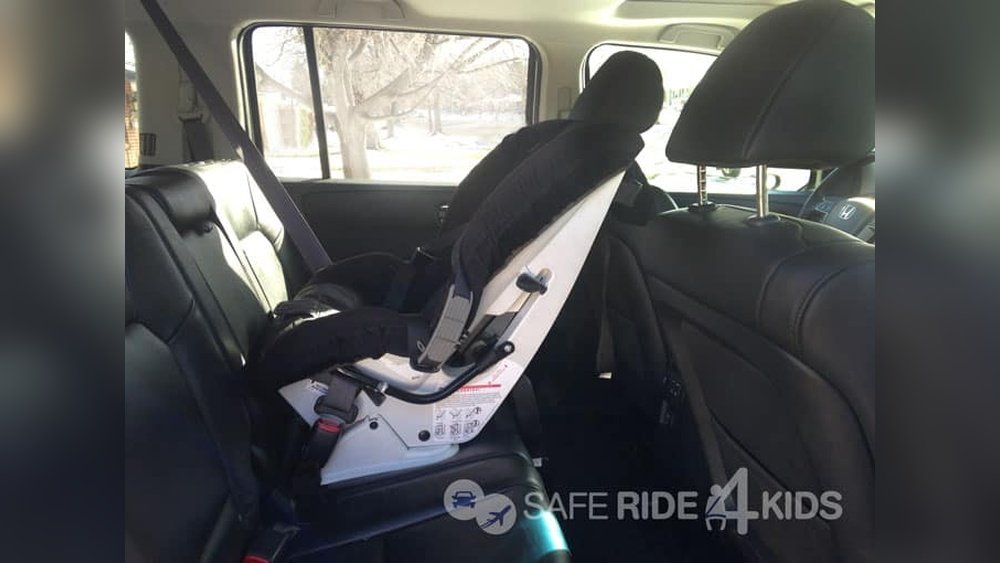
Choosing which side to put your car seat might seem like a small decision, but it can make a big difference in your child’s safety and your daily routine. You want to protect your little one the best way possible, but with so many opinions and rules, it’s easy to feel unsure.
What if the answer is simpler than you think? Keep reading, because understanding the right side for your car seat could save you time, reduce stress, and most importantly, keep your child safer every time you hit the road.
Credit: www.inspirahealthnetwork.org
Best Car Seat Position
Choosing the best spot for a car seat is important for safety. The position affects how well your child is protected during a ride. Cars have several seating options. Each spot has its own safety level and convenience. Picking the right place can keep your child safer in case of sudden stops or accidents.
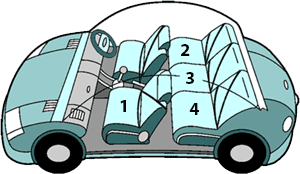
Parents often ask where exactly to place the car seat. The answer depends on the car’s design and your child’s age and size. Understanding the benefits of each seat position helps in making a smart choice. The two main spots to consider are the rear middle seat and the side seats.
Rear Middle Seat Advantage
The rear middle seat is often the safest place for a car seat. It is the farthest from the doors and windows. This position offers more protection during side impacts. It also keeps your child away from airbags in the front seats.
Many safety experts recommend the middle seat for this reason. It reduces the risk of injury in most crash types. The middle spot also allows easier supervision from the driver or front passenger.
Some cars may not have a full seatbelt or latch system in the middle. Check your car manual to ensure the seat fits well here. If the middle seat is suitable, it is the best place to install a car seat.
Side Seat Pros And Cons
Side seats offer easier access for placing and removing the car seat. It can be simpler to buckle up your child here. Side seats usually have strong seatbelt anchors and latch points.
The downside is that side seats are closer to doors. This makes them less safe during side crashes. Your child may also be near airbags that could deploy in an accident. Some parents prefer side seats for convenience despite the risks.
Consider your car’s safety features before choosing a side seat. Always use the correct installation method. Proper installation is key to protecting your child no matter the position.
Factors Influencing Placement
Choosing the right side for your car seat depends on many important factors. These factors help keep your child safe and comfortable. Understanding them will guide you to make the best choice. Below are key points to consider when placing a car seat.
Vehicle Type And Size
Different cars have different space inside. Small cars might fit a car seat better on one side. Large vehicles may offer more room in the back seat. Consider how many passengers usually ride with you. The placement should allow enough space for everyone. Also, check the doors and windows for easy access.
Child Age And Weight
Young children need rear-facing seats for safety. Older children use forward-facing seats or boosters. Heavier children may need stronger, bigger seats. Check the car seat limits for age and weight. Place the seat where it fits your child’s size best. This helps keep them safe in any crash.
Seat Belt And Latch Compatibility
Not all car seats work with every vehicle’s seat belts. Some cars have LATCH anchors to secure seats easier. Check if your car has LATCH and where the anchors are. Use the LATCH system if your car seat supports it. Always follow the car seat and vehicle instructions for proper installation.
Safety Guidelines And Recommendations
Choosing the right side for a car seat is key to keeping children safe in the car. Following safety rules helps protect kids in case of an accident. Many parents feel unsure about the best side to place the car seat. Clear guidelines can ease this worry and improve safety.
Understanding current rules and avoiding common errors ensures the seat works as it should. Proper installation and placement reduce risks and increase security for young passengers.
Current Safety Standards
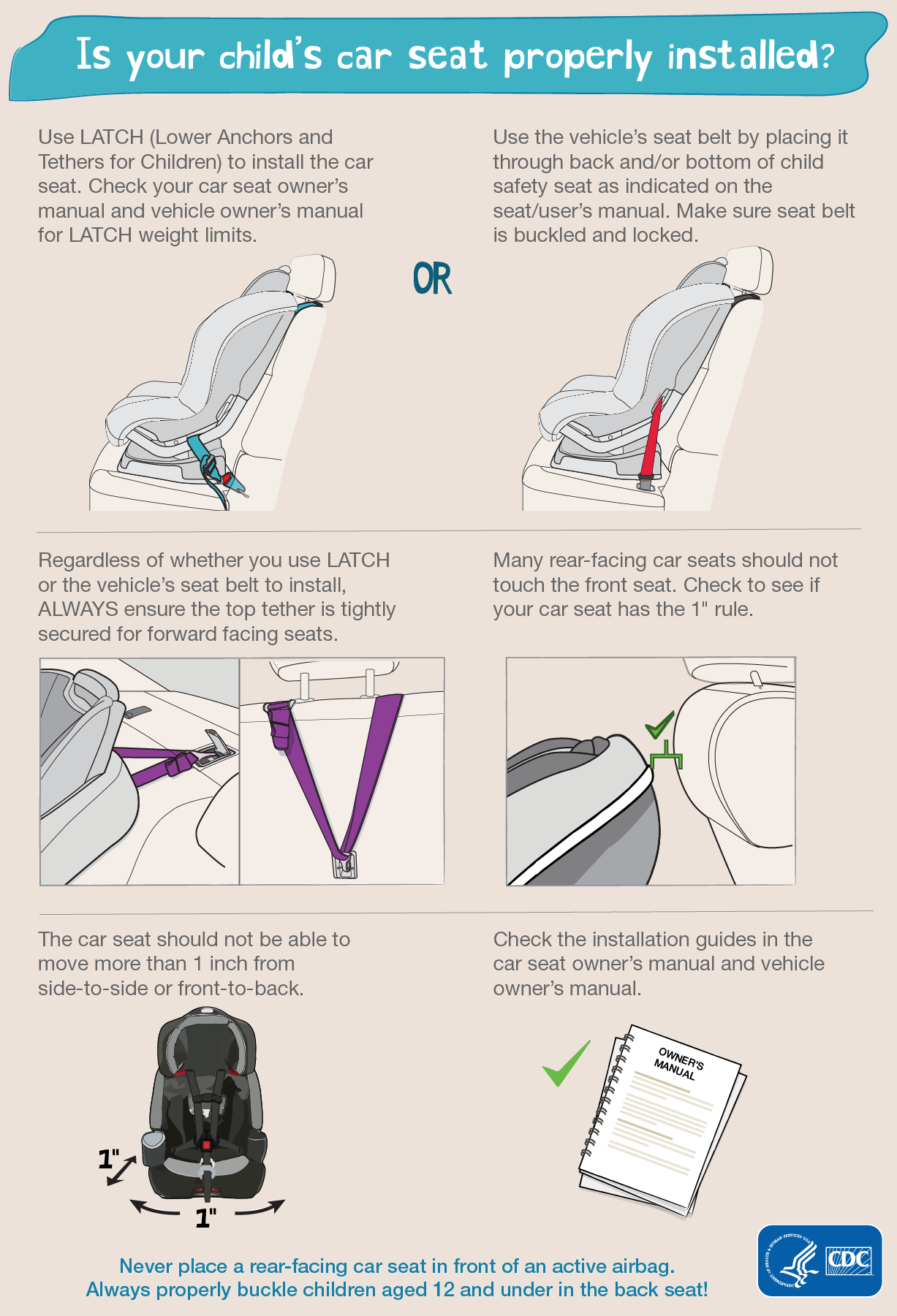
Safety standards require placing the car seat in the back seat. The back seat is the safest spot for children under 13 years old. Many experts say the middle seat is the best position. It keeps the child far from doors and airbags. Always use the car seat that fits your child’s age and size. Follow the car seat manual and car owner’s guide for proper installation. Check that the seat is tightly secured and does not move more than an inch. Use the harness correctly to keep the child snug and safe.
Common Mistakes To Avoid
Do not place the car seat in the front seat with an active airbag. Airbags can cause serious injuries to young children. Avoid loose straps or harnesses that are too tight or too loose. Never install the car seat without using seat belts or LATCH systems. Make sure the car seat faces the right direction for your child’s age. Rear-facing is best for infants and toddlers. Forward-facing seats are for older children who meet the height and weight limits. Do not use secondhand seats without checking their history. Old or damaged seats may not protect your child properly.
Installation Tips For Secure Fit
Installing a car seat correctly is vital for your child’s safety. A secure fit reduces the risk of injury during a crash. Follow these simple tips to ensure the car seat stays firmly in place. Safety starts with proper installation.
Checking For Tightness
Push and pull the car seat at the base. It should not move more than one inch side to side or front to back. Tighten the seat belt or LATCH strap until the seat is snug. A loose seat can be dangerous in an accident.
Using Tethers And Anchors
Tethers and anchors add extra stability to the car seat. Attach the tether strap to the designated anchor point in your vehicle. This prevents the seat from tipping forward during a sudden stop. Always use the correct anchor for your seat model.
Professional Inspection Benefits
Experts can check your installation for safety. They spot mistakes that are easy to miss. Many fire stations and hospitals offer free car seat checks. A professional’s help ensures your child travels safely every time.
Special Situations
Choosing the right side for your car seat can be tricky in special situations. These situations need careful thought to keep your child safe. Below are some common special cases and tips on where to place the car seat.
Multiple Car Seats
When you have more than one child needing car seats, space becomes tight. The back seat is usually best for all car seats. Place the largest seat in the middle if possible. This position keeps children away from car doors and airbags. Make sure all seats fit well and do not block seat belts.
Airbag Considerations
Airbags can be dangerous for children in car seats. Never put a rear-facing car seat in the front seat with an active airbag. Always use the back seat for any child under 13 years old. Check your car’s manual for airbag warnings. Some cars have options to turn off airbags in front seats.
Traveling In Different Vehicles
Traveling in rental cars or taxis means car seat placement can change. Inspect the vehicle’s back seat before installing the car seat. Look for secure seat belts or LATCH anchors. Choose the spot with the best fit and safety features. Always double-check the seat’s installation after moving it.
Credit: www.childcarseats.org.uk

Credit: www.youtube.com
Frequently Asked Questions
Which Side Is Safest For A Car Seat?
The rear passenger side is safest for a car seat. It’s farthest from traffic, reducing injury risk during collisions. This position also allows easier access for parents to secure the child safely.
Can I Install A Car Seat On The Driver’s Side?
Installing a car seat on the driver’s side is possible but less recommended. It exposes the child to traffic in accidents. The rear passenger side remains the preferred safer spot for installation.
Is The Middle Seat Best For A Car Seat?
Yes, the middle seat is often the safest place. It provides maximum protection from side impacts. However, ensure your vehicle’s middle seat has proper anchors and enough space for secure installation.
Should Car Seats Face The Rear Or Front?
Car seats should face the rear as long as possible. Rear-facing seats offer better head and neck protection for infants. Switch to front-facing only when the child meets height and weight limits.
Conclusion
Choosing the right side for your car seat keeps your child safe. Most experts suggest the back seat, away from airbags. Placing the seat on the passenger side often makes loading easier. Always check your car’s manual for specific advice.
Secure the seat tightly and follow the seat’s instructions. Safety comes first. A proper car seat position can protect your child in any trip. Keep these points in mind every time you travel. Safety and comfort go hand in hand.
Your child deserves the best protection on the road.
