
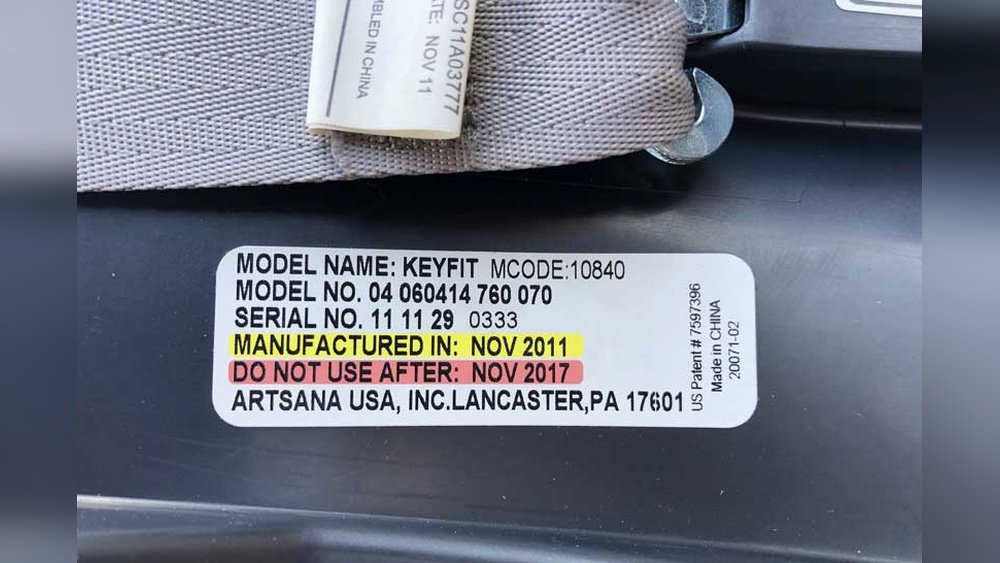
Have you ever wondered why your car seat has an expiration date? You might think a seat is safe to use as long as it looks fine, but there’s more to it than meets the eye.
Understanding why car seats expire is crucial for your child’s safety. If you want to protect your little one the right way, you need to know what happens to car seats over time and why using an expired one can be risky.
Keep reading, and you’ll discover the important reasons behind car seat expiration and how it affects your child’s safety every time you hit the road.
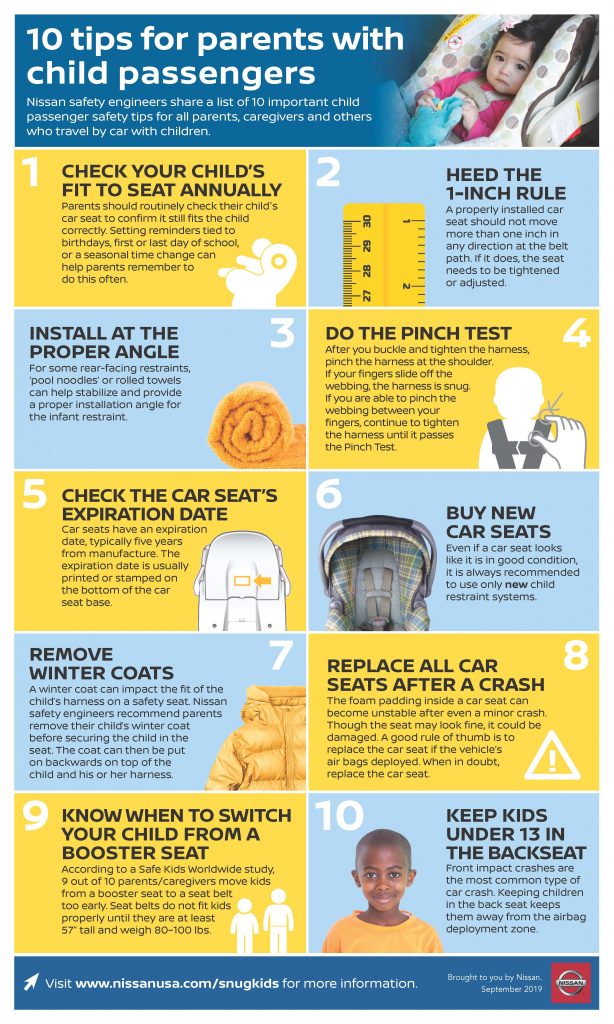
Credit: www.passportnissanva.com
Lifespan Of Car Seats
Car seats protect children during travel. They must work perfectly to keep kids safe. Over time, car seats wear out and lose effectiveness. Knowing how long a car seat lasts helps parents use them safely.
Typical Expiration Period
Most car seats last about 6 to 10 years. Plastic parts weaken with age and use. Straps and buckles can also break down. Old seats may not protect children well in a crash. Using expired seats is risky and unsafe.
Manufacturer Guidelines
Each car seat brand sets its own expiration date. This date is on the label or manual. Manufacturers test seats to find this limit. Following their instructions ensures the seat works right. Always check the seat’s label before use.

Credit: www.specialtomato.com
Materials And Wear
Car seats are made from different materials that change over time. These parts wear out and lose strength. This makes the seat less safe for children. Understanding how materials break down helps explain why car seats expire. It also shows why regular checks are important to keep kids safe.
Degradation Over Time
Plastic parts in car seats become brittle as they age. This happens even if the seat looks fine outside. The foam padding inside can also lose its shape and softness. These changes reduce the seat’s ability to protect a child during a crash. Metal parts may rust or weaken, causing failure under stress. Over time, the whole seat loses its original strength.
Impact Of Uv Exposure
Sunlight damages car seat materials quickly. UV rays break down plastic and fabric fibers. This causes fading, cracking, and weakening of the seat’s parts. A seat left in a hot car for long times wears out faster. Even short periods of sun exposure add up. This damage lowers the seat’s safety and comfort.
Safety Standards Evolution
Car seat safety rules have changed a lot over the years. These changes help keep children safer in cars. As experts learn more about crashes, they update the rules and designs. This process means older car seats may not meet new safety needs. Understanding these updates helps explain why car seats expire.
Changes In Regulations
Government agencies update car seat rules regularly. They set new standards based on crash tests and research. These rules control materials, design, and performance. Older seats might miss new safety features or tests. Expiration dates ensure seats follow the latest safety laws. This protects children by using the best safety technology.
Advancements In Technology
Car seat makers use new materials and designs. They improve crash protection and comfort. Modern seats include better straps, padding, and locking systems. Over time, materials can weaken or break. Expired seats may lose their ability to protect properly. Using newer seats means using improved technology for child safety.
Risks Of Using Expired Seats
Using an expired car seat can put a child’s safety at risk. Car seats are made with materials that weaken over time. This wear can reduce their ability to protect a child during a crash. Expired seats may also have parts that fail unexpectedly. These risks make it important to know why car seats expire and what happens if you keep using them too long.
Reduced Crash Protection
Car seats lose strength as they age. The plastic and foam can become brittle. This means the seat may not absorb crash forces well. The harness and straps may also weaken. They might break or loosen in a crash. An expired seat cannot guarantee the same level of safety as a new one.
Potential For Component Failure
Parts of the car seat can fail with time. Buckles might not latch properly or get stuck. The frame can crack or warp without visible signs. Expired seats may have missing or broken parts. These failures can prevent the seat from working correctly during an accident.
Identifying Expiration Dates
Car seats do not last forever. They have expiration dates to keep children safe. Knowing how to find these dates is very important. Expired seats might lose their strength or safety features. This section helps you learn how to spot the expiration date on your car seat.
Locating Labels And Stamps
Check the car seat carefully for labels or stamps. Most car seats have a sticker on the back or bottom. This sticker shows the date of manufacture and expiration. Sometimes, the date is printed on the frame or under the fabric. Look for words like “expiration” or “use by” near the date. These labels are small but easy to find if you look closely.
What To Do If Date Is Missing
Some older seats may not have an expiration date. Try to find the model number and brand name. Use these details to search online for expiration info. Contact the car seat maker’s customer service for help. If you cannot find the date, it is safer to replace the seat. Using a seat with no expiration date risks your child’s safety.
Proper Maintenance Tips
Proper maintenance helps extend the life of your car seat. It keeps the seat safe and comfortable for your child. Regular care prevents wear and tear. This section shares simple tips to maintain your car seat well.
Cleaning Without Damage
Use mild soap and warm water for cleaning. Avoid harsh chemicals that can weaken the seat material. Gently wipe the fabric and straps with a soft cloth. Never soak the straps or use bleach. Let all parts air dry fully before use.
Storage Recommendations
Store the car seat in a dry, cool place away from sunlight. Heat and moisture can damage the plastic and fabric. Avoid placing heavy items on top of the seat. Keep it in a clean area to prevent dirt buildup. Proper storage helps maintain the seat’s strength and safety.
When To Replace Your Car Seat
Knowing when to replace your car seat is important for your child’s safety. Car seats wear out over time and lose their protection. It is not only about the age of the seat but also about its condition and history. Understanding key signs helps you make the right choice to keep your child safe during every ride.
After Accidents
Car seats are designed to protect in crashes. After any accident, the seat may have hidden damage. Even small crashes can weaken the structure. Replace your car seat after a crash to ensure full safety. Never use a car seat that has been in an accident, no matter how minor it seems.
Signs Of Wear And Tear
Check your car seat regularly for damage. Look for cracks in the plastic or broken parts. Straps that are frayed or stretched out reduce safety. Padding that is compressed or missing cannot protect well. If the seat does not work properly, it is time to replace it. A worn car seat cannot keep your child safe in a crash.
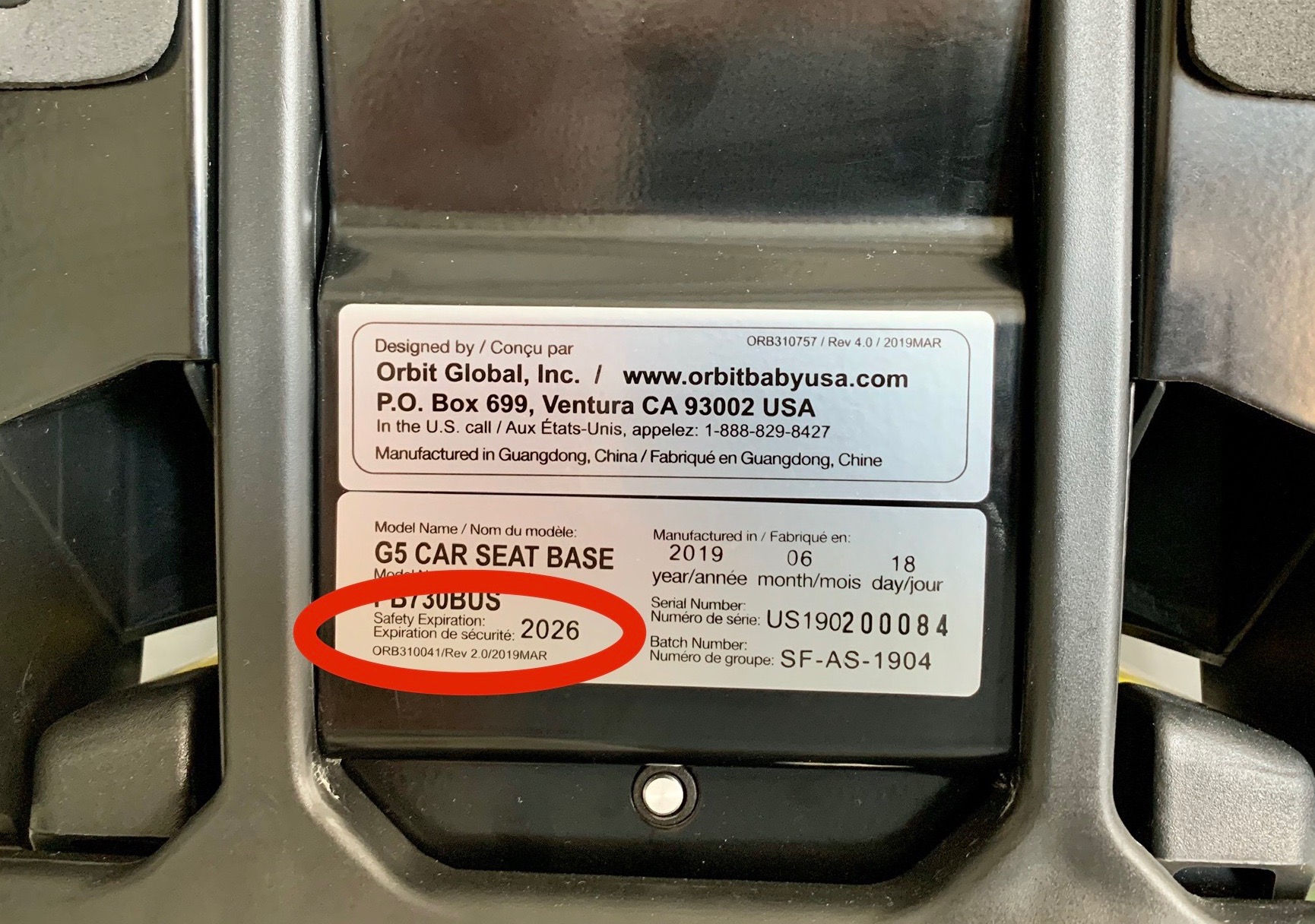
Credit: support.orbitbabyusa.com
Frequently Asked Questions
Why Do Car Seats Have Expiration Dates?
Car seats expire due to material degradation over time. Exposure to heat, sunlight, and wear weakens safety components. Expired seats may not protect children effectively during crashes. Manufacturers set expiration dates to ensure optimal safety and performance.
How Long Do Car Seats Typically Last?
Most car seats last between 6 to 10 years from the manufacture date. This timeframe varies by brand and model. Always check the label on your car seat for the exact expiration date.
What Risks Come From Using Expired Car Seats?
Using expired car seats increases injury risk during accidents. Old straps, buckles, and foam can fail under stress. Expired seats may not meet current safety standards, reducing protection for your child.
Can Car Seats Be Used After Expiration?
No, car seats should not be used after their expiration date. Safety features degrade, making the seat unreliable. Always replace expired car seats to ensure your child’s safety.
Conclusion
Car seats expire for safety reasons and wear over time. Materials break down and may fail in a crash. Using an expired seat puts your child at risk. Check the expiration date on every car seat. Replace seats after accidents, even if no damage shows.
Stay safe by following manufacturer guidelines and laws. Keep your child secure with a current, reliable car seat. Safety first, always.
