
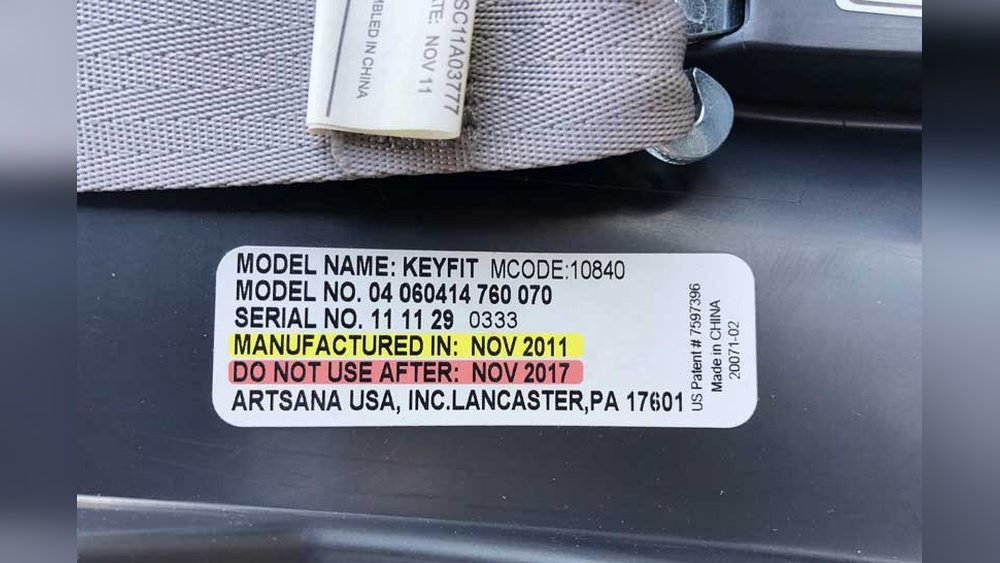
Have you ever wondered why car seats come with an expiration date? It might seem strange at first—after all, your car seat looks perfectly fine, so why replace it?
The truth is, using an expired car seat can put your child’s safety at risk. Understanding why these dates exist is key to keeping your little one protected every time you hit the road. Keep reading to discover the hidden reasons behind car seat expiration dates and learn how to make the safest choice for your child’s future.
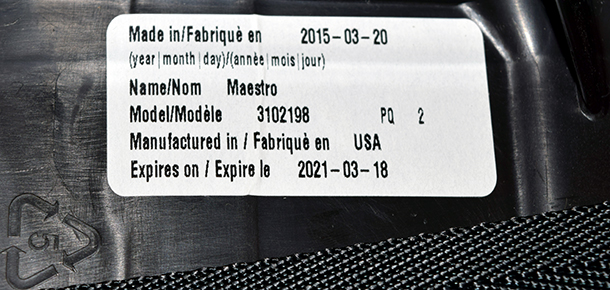
Credit: blog.cincinnatichildrens.org
Car Seat Lifespan
Car seats protect children in cars. They wear out over time. Knowing the lifespan helps keep kids safe. Every car seat has a limit for safe use. This limit depends on many factors.
Materials And Wear
Car seats are made from plastic, foam, and fabric. These materials weaken after years of use. Plastic can become brittle and break easily. Foam can lose its shape and cushioning. Fabric may tear or fade. Sunlight, heat, and cleaning products speed up wear. Old seats may not protect well in a crash.
Manufacturer Guidelines
Car seat makers set expiration dates. These dates are usually 6 to 10 years from the seat’s manufacture. Dates appear on labels or manuals. They base these dates on safety tests and material aging. Using a seat past its date can be unsafe. Following these guidelines helps ensure maximum protection.
Safety Risks Of Expired Seats
Car seats protect children during travel. Their design and materials ensure safety. Over time, parts wear out. This wear reduces protection. Expired car seats may not keep children safe. Understanding the risks helps parents make smart choices.
Degraded Protection
Plastic parts weaken with age. Straps lose strength and may tear easily. Foam padding can break down and offer less cushioning. Buckles might stop working properly. These changes reduce the car seat’s ability to protect a child. An old seat may fail in a crash.
Recall And Safety Standards
Car seat rules change often. New safety tests set higher standards. Older seats may not meet these rules. Recalls fix known problems in some seats. Expired seats may miss important updates. Using a current seat ensures the best safety features.
Factors Influencing Expiration
Car seats do not last forever. Their safety and strength change over time. Many factors affect how long a car seat stays safe to use. These factors explain why car seats have expiration dates.
Exposure To Sunlight And Heat
Sunlight and heat can weaken car seat materials. Plastic parts can become brittle after long sun exposure. Fabric and straps may fade or wear out faster. Heat can reduce the seat’s ability to protect in a crash.
Crash History
Any crash can damage a car seat’s safety. Even small accidents may cause hidden cracks. These cracks make the seat less reliable. Car seats used in a crash should be replaced.
Storage Conditions
How a car seat is stored matters. Damp or humid places can cause mold or rust. Storing a seat in a garage with extreme temperatures can harm it. Proper storage helps keep the seat strong and safe.
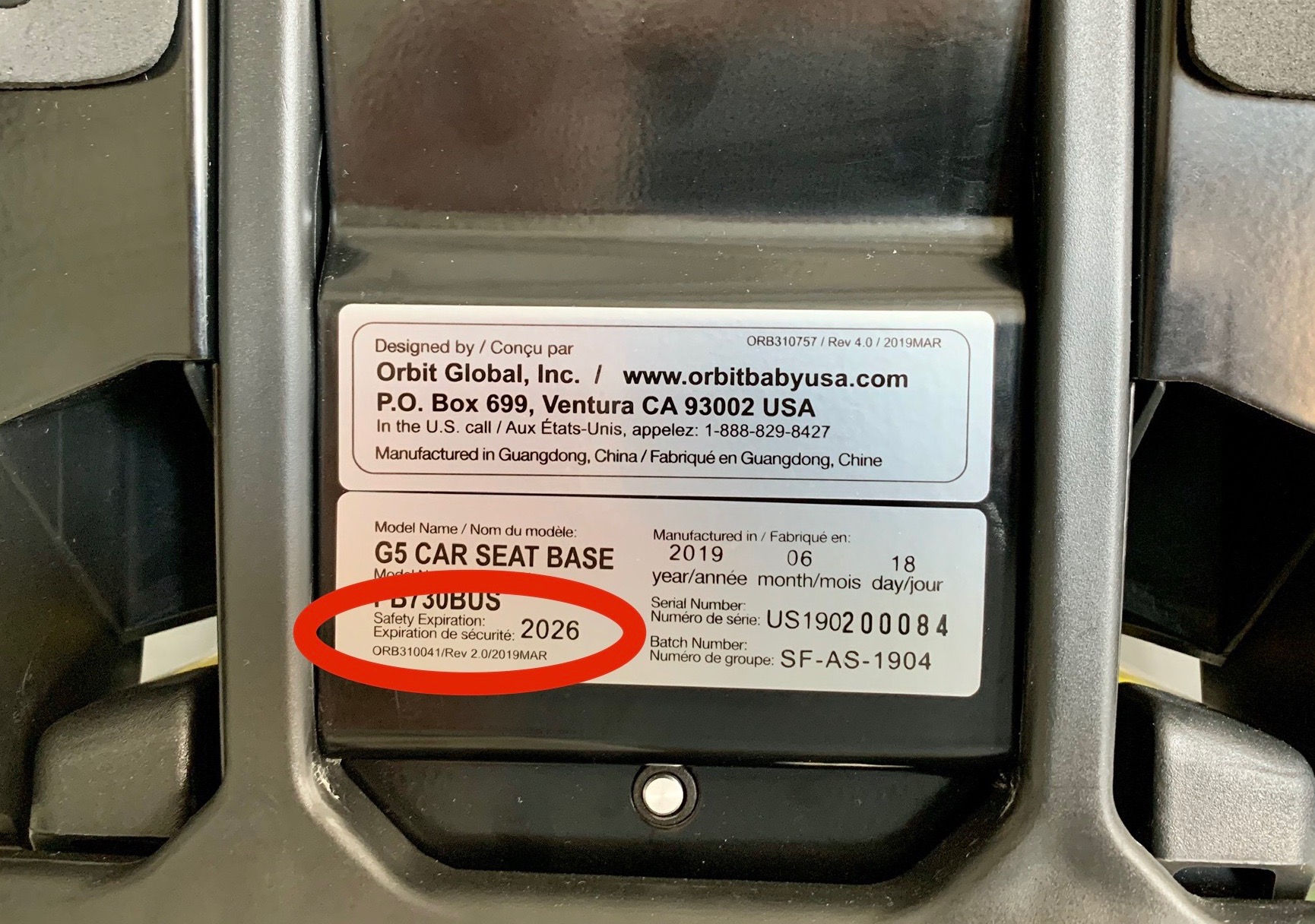
Credit: support.orbitbabyusa.com
How To Check Expiration Dates
Knowing how to check the expiration date on a car seat keeps your child safe. Car seats do not last forever. The materials wear out over time. The expiration date tells you when to replace the seat. Checking this date is simple and important.
Locating The Label
The expiration date is on a label attached to the car seat. This label is usually on the back or bottom of the seat. Sometimes it is under the padding or near the belt path. The label includes other information like the model number and manufacturing date.
Interpreting The Date
The date on the label shows when the car seat expires. It might be written as a month and year or a specific day. Some seats use a sticker or a printed date. The expiration is often six to ten years after the manufacturing date. Use this date to know if the seat is still safe to use.
Proper Disposal And Replacement
Car seats have expiration dates for safety reasons. Over time, materials weaken. Parts may break or stop working well. Using an expired car seat risks a child’s safety. Proper disposal and replacement help keep kids safe on every ride.
Safe Disposal Methods
Old car seats should never be reused or sold. They may have unseen damage. Dispose of them safely to prevent accidents. Many local recycling centers accept car seats. Some fire stations or police departments offer take-back programs. Check your area’s rules before throwing seats away.
Cut the straps and remove padding before disposal. This stops others from using unsafe seats. Mark the seat as expired with a permanent marker. This helps prevent accidental reuse by others.
Choosing A New Seat
Select a car seat that fits your child’s age and size. Always check the seat’s expiration date before buying. Look for seats with good safety ratings. Read the instruction manual carefully. Proper installation is key to protection.
Replace car seats after any crash, even minor ones. Damage may not be visible but can reduce safety. Keep track of your seat’s expiration date. Plan to buy a new one before it expires.
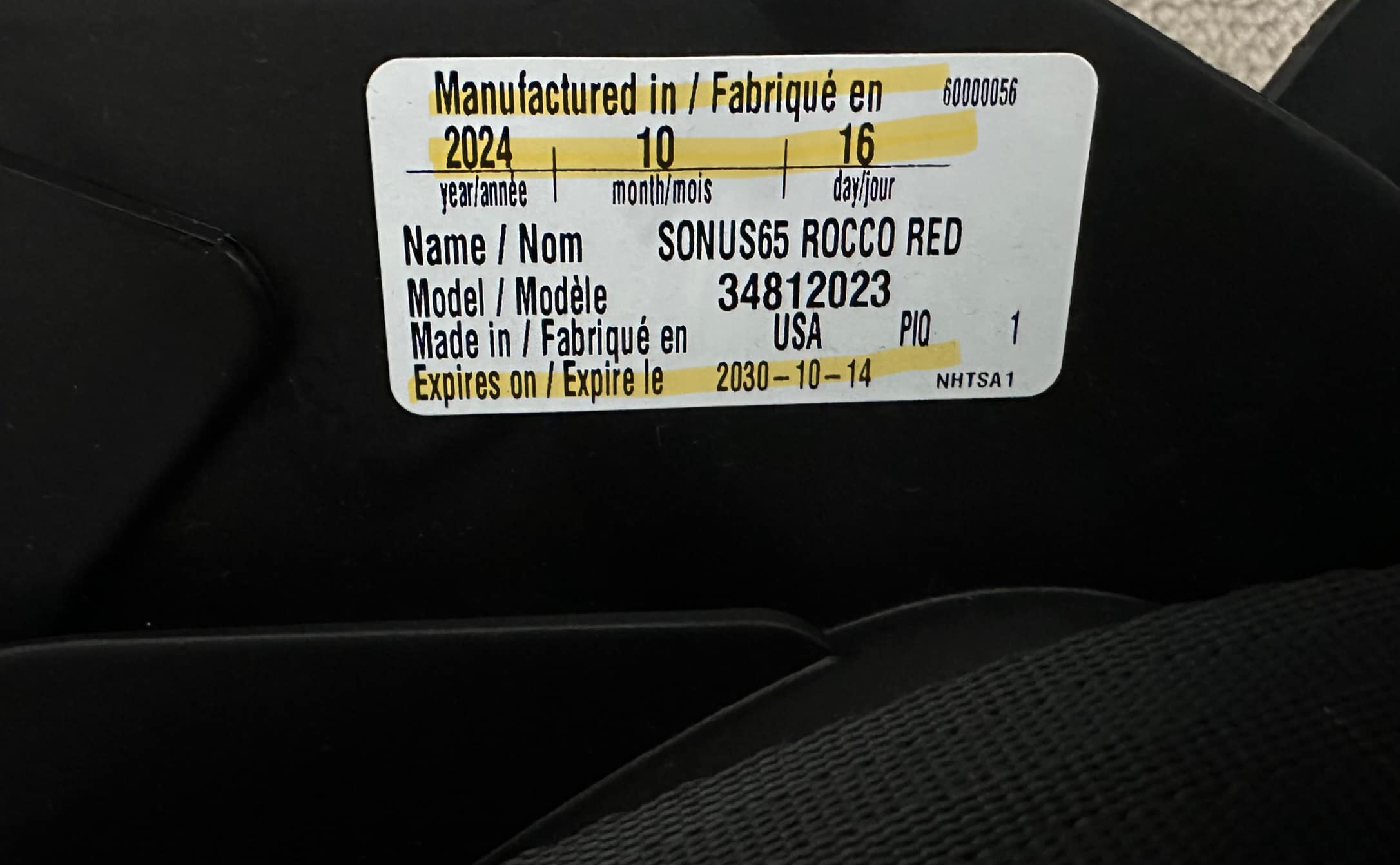
Credit: www.babylist.com
Regulations And Standards
Car seats have expiration dates because of strict regulations and safety standards. These rules protect children from using old or damaged seats. Over time, materials can wear out or become unsafe. Following these standards helps keep kids safe on every ride.
Federal Requirements
The government sets rules for car seat safety. These rules include expiration dates. The National Highway Traffic Safety Administration (NHTSA) requires car seats to last no more than six to ten years. This limit ensures seats stay strong and safe. It also helps remove seats that may have hidden damage or outdated technology.
Manufacturer Differences
Each car seat maker decides their own expiration period. This depends on the materials used and design. Some seats last longer, while others have shorter life spans. Always check the label or manual to find the exact expiration date. Using a seat past this date can risk your child’s safety.
Frequently Asked Questions
Why Do Car Seats Have An Expiration Date?
Car seats expire to ensure safety standards. Over time, materials degrade and may fail in a crash. Expiration dates help parents know when to replace seats for optimal protection.
How Long Do Car Seats Typically Last?
Most car seats last between 6 to 10 years. The exact duration depends on the manufacturer’s guidelines and material durability. Always check the label for specific expiration dates.
Can Expired Car Seats Still Protect Children?
Expired car seats may not provide full protection. Aging plastics and weakened parts can compromise safety during impacts. Using non-expired seats ensures the best crash protection.
What Happens If You Use An Expired Car Seat?
Using expired seats increases injury risk in crashes. Worn materials may break or fail to secure your child properly. It’s best to replace seats once they expire.
Conclusion
Car seats expire to keep children safe on every ride. Materials wear down over time, reducing protection in crashes. Expiration dates help parents know when to replace seats. Using an expired seat can risk serious injury. Always check the date before buying or using a car seat.
Safety should never be compromised for convenience or cost. Trust the expiration date as a vital safety guide. Keep your child secure by using a seat in good condition. Safety matters most, every single trip.
