
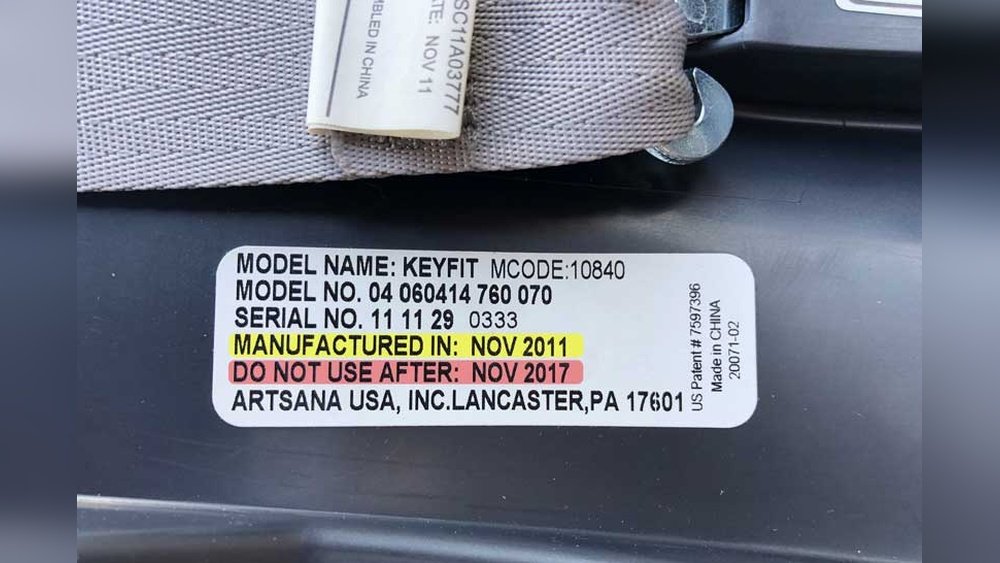
Have you ever noticed that your car seat comes with an expiry date? It might seem strange at first—after all, it’s just a seat, right?
But understanding why car seats have an expiration date could protect your child’s safety in ways you never imagined. If you want to make sure your little one stays secure on every ride, keep reading. This article will reveal the surprising reasons behind car seat expiration and what you need to know to keep your family safe every time you buckle up.
Car Seat Expiry Basics
Car seats keep children safe during travel. They face wear and tear over time. Materials weaken, and safety features may fail. This is why car seats have an expiry date. Understanding this helps parents protect their kids effectively.
Knowing the basics of car seat expiry is important for every caregiver. It ensures the seat works as it should in an accident. Let’s explore what a car seat expiry date means and common timeframes for these limits.
What Is A Car Seat Expiry Date
A car seat expiry date shows the last safe day to use the seat. After this date, the seat may not protect a child properly. It is set by the manufacturer based on safety tests. The expiry date considers material breakdown and technology changes. Using a seat past its expiry date increases risk in crashes.
Common Expiry Timeframes
Most car seats expire between 6 to 10 years from manufacture. Infant seats often expire closer to 6 years. Convertible and booster seats may last up to 10 years. Check the label or manual for exact expiry information. Heat, sunlight, and accidents can shorten a car seat’s life. Always replace a seat after an accident, even if it is before expiry.
Materials And Wear
Car seats are made from many materials that change over time. These materials face constant stress and exposure. Sunlight, temperature changes, and daily use all affect their condition. This wear impacts the seat’s safety and strength. Understanding how materials wear out explains why car seats have expiry dates.
Degradation Of Plastic Components
Plastic parts in car seats break down over time. Sunlight causes plastic to become brittle and crack. Heat can soften plastic, reducing its shape and support. Chemicals from cleaning products may weaken plastic fibers. Cracks and breaks lower the seat’s ability to protect a child.
Effects On Safety And Durability
Worn materials reduce a car seat’s safety. Straps can fray or lose strength. Buckles may stop working correctly. Foam padding loses its shock-absorbing power. These changes increase the risk of injury during a crash. Expiry dates help ensure car seats remain reliable and strong.
Safety Standards And Regulations
Car seats have expiry dates because safety rules change over time. These rules keep children safer during car rides. Regulations make sure car seats meet the latest safety tests. Expiry dates help parents know when to replace seats for better protection.
Changes In Safety Guidelines
Safety guidelines update every few years. Experts learn more about crash impacts and child protection. New tests and standards improve how seats protect children. Old seats may not meet these new rules. Expiry dates reflect these changes to keep kids safe.
Impact On Older Car Seats
Older car seats may not protect well in crashes. Materials can weaken or break down over time. Straps and buckles can wear out or fail. Expired seats may miss new safety features. Using an old seat can increase injury risks.
Credit: consumercare.coscokids.com
Manufacturer Recommendations
Car seat manufacturers provide clear expiry dates for safety reasons. These recommendations help parents use car seats that protect children properly. Following the expiry date ensures the seat works as designed during a crash. Manufacturers test materials and parts to last a certain time only. After this period, the seat might fail to protect a child fully.
Why Manufacturers Set Expiry Dates
Car seats face wear and tear over time. Plastic, foam, and straps can weaken or degrade. Exposure to sunlight, temperature changes, and accidents can damage the seat. These factors lower the seat’s ability to protect children. Manufacturers set expiry dates to warn users about these risks. Using a seat past its expiry can lead to serious injury. Expiry dates help keep children safe by encouraging timely replacement.
How To Find Expiry Information
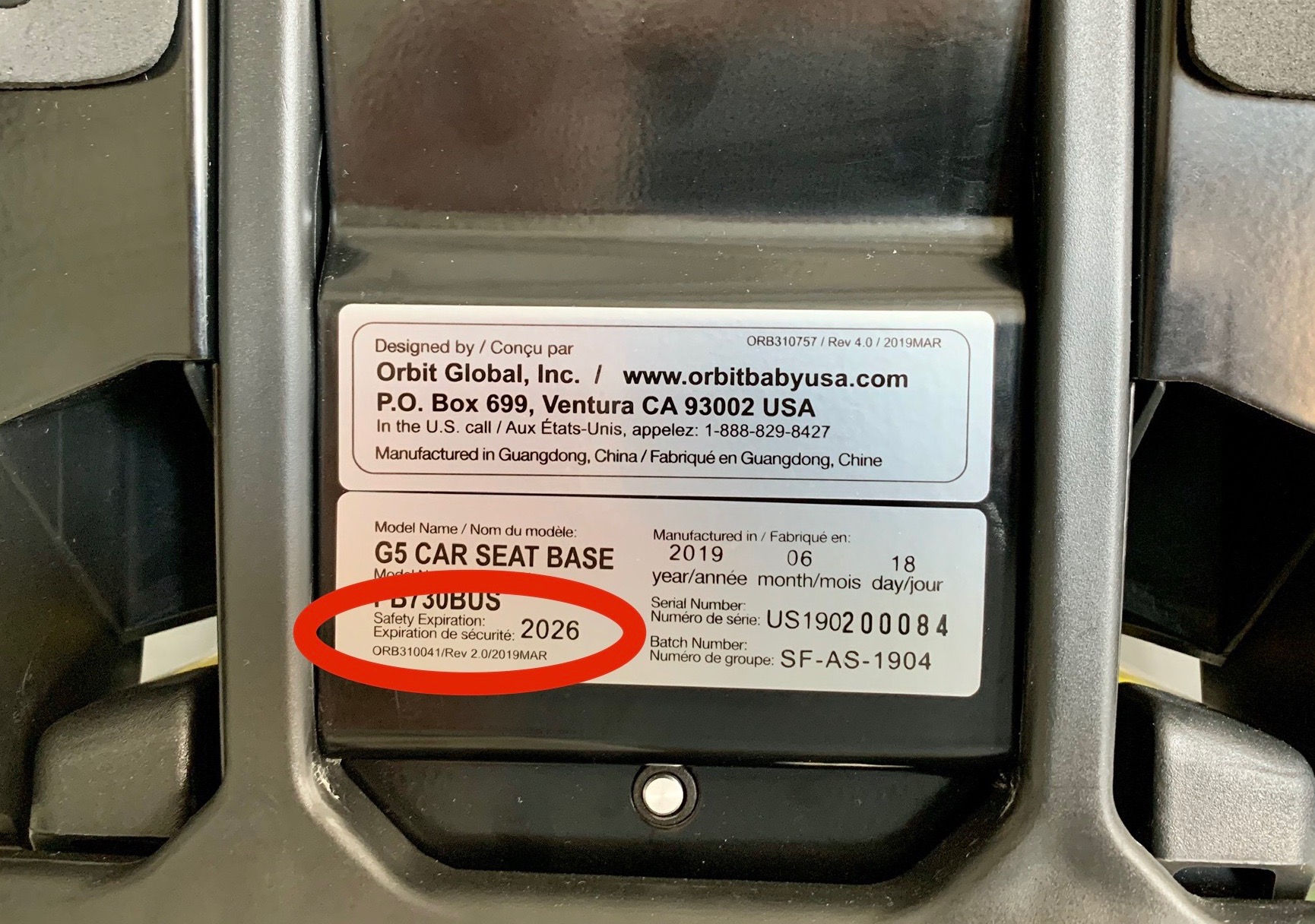
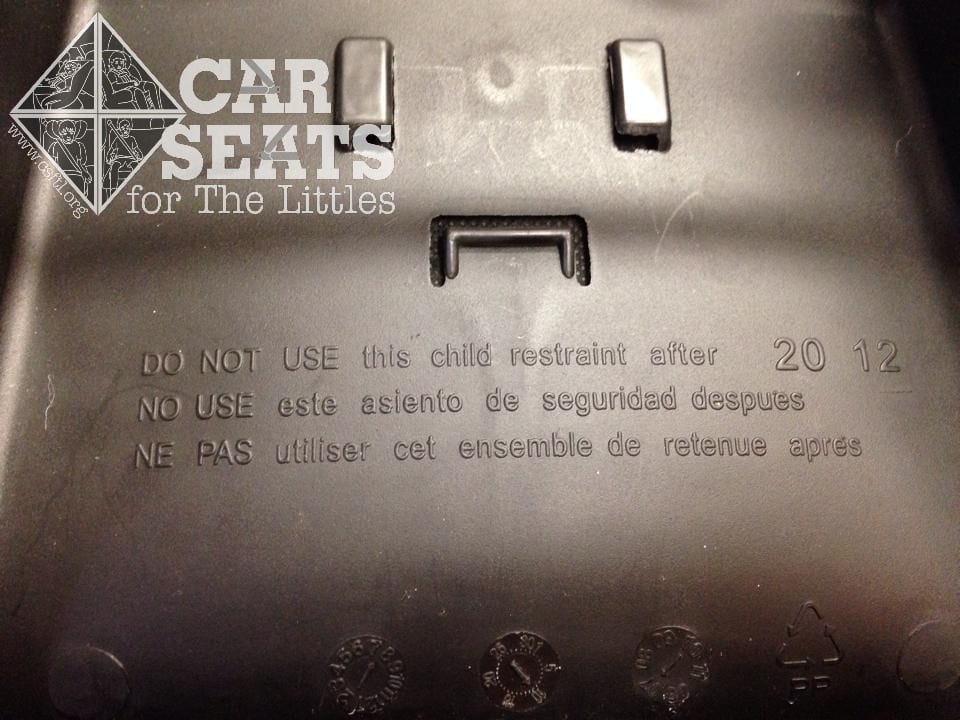
Look for a label or sticker on the car seat. It usually shows the manufacture date and expiry date. This label is often on the side or bottom of the seat. Some seats have the expiry printed in the manual. Check the manufacturer’s website for specific details too. Knowing the expiry date helps parents plan for a new seat. Always use a car seat within the recommended time frame.
Risks Of Using Expired Car Seats
Using an expired car seat brings serious risks for your child’s safety. Car seats have a limited life span for good reasons. Over time, materials weaken, and safety features can fail. This makes expired car seats unsafe during crashes.
Compromised Crash Protection
Crash protection is the main job of a car seat. Over time, plastic and foam parts lose strength. They may crack or break in a crash. This reduces the seat’s ability to protect your child. Old seats may not absorb crash forces well. This puts your child at greater risk of injury.
Potential For Component Failure
Car seats have many parts: straps, buckles, and shells. These parts wear out with time. Straps may fray or lose tension. Buckles can stop working properly. Shells can become brittle and crack. Any failure can cause the seat to not hold your child safely. Using an expired seat means risking broken parts when they are needed most.
Proper Maintenance Tips
Proper maintenance helps extend the life of car seats. It also keeps them safe for children. Regular care prevents wear and tear. Follow simple steps to keep seats in good shape.
Cleaning Without Damage
Use mild soap and warm water to clean the seat cover. Avoid harsh chemicals that can weaken fabric and plastic parts. Gently scrub with a soft cloth or sponge. Rinse well to remove soap. Let the seat air dry completely before use. Do not use a washing machine unless the manual says it is safe. Check for stains often and clean them quickly to avoid damage.
Storage Best Practices
Store car seats in a dry, cool place away from sunlight. Sunlight can fade colors and weaken materials. Avoid damp areas to prevent mold and mildew growth. Keep seats upright to maintain their shape. Cover them with a breathable fabric to keep dust off. Do not stack heavy items on top. Proper storage keeps the seat safe and ready for use.
When To Replace Your Car Seat
Knowing when to replace your car seat is important for your child’s safety. Car seats don’t last forever. Over time, their materials weaken and may not protect well during a crash. Understanding the signs can keep your child safe.
Signs Of Wear And Damage
Look for cracks in the plastic shell. Check if the straps are frayed or torn. Padding that is flattened or missing can reduce protection. Buckles should click and release easily. Any broken parts mean it is time to replace the seat.
After An Accident
Car seats absorb crash forces. Even small accidents can damage them. Replace the seat after any crash, no matter how minor. Hidden damage can make the seat unsafe. Never use a car seat involved in a crash again.
Credit: support.orbitbabyusa.com
Choosing A New Car Seat
Choosing a new car seat is important for your child’s safety and comfort. Car seats protect children during travel. They must fit well and work properly. Expired or damaged seats can fail in accidents. New car seats come with better features and safety technology. Picking the right one helps keep your child secure and comfortable on every trip.
Features To Consider
Check the car seat’s weight and height limits. It should match your child’s size. Look for easy installation options to avoid mistakes. Adjustable straps and headrests grow with your child. Padding and fabric matter for comfort. Consider seats with removable covers for easy cleaning. Choose a seat that fits your car’s design and space. Always pick a seat with clear instructions and labels.
Latest Safety Innovations
Modern car seats include side-impact protection to reduce injury. Energy-absorbing foam helps lessen crash forces. Many seats have built-in lock-offs for secure installation. Some models offer anti-rebound bars for extra stability. Sensors and indicators show correct harness tightness. New designs use stronger materials to improve durability. Safety standards improve regularly, so newer seats meet higher requirements.
Credit: csftl.org
Frequently Asked Questions
Why Do Car Seats Have Expiration Dates?
Car seats expire due to material wear and safety technology updates. Over time, plastic and straps degrade, reducing crash protection. Expiry ensures optimal safety by encouraging timely replacement with updated models.
How Long Do Car Seats Typically Last?
Most car seats last between 6 to 10 years. The exact duration depends on manufacturer guidelines and usage conditions. Always check the label for the specific expiration date.
What Risks Come From Using Expired Car Seats?
Expired car seats may fail in crashes due to weakened materials. Safety standards also evolve, making old seats less effective. Using an expired seat increases injury risk during accidents.
Can Car Seats Be Reused After Expiration?
Reusing expired car seats is not recommended. Their protective features may be compromised, risking child safety. It’s best to replace them with current models meeting modern safety standards.
Conclusion
Car seats have an expiry date for safety reasons. Over time, materials wear out and lose strength. Old seats may not protect children well during crashes. Chemicals inside can break down and cause harm. Using expired seats risks your child’s safety.
Always check the seat’s date before use. Replace seats after expiry to keep kids safe. Safety should always come first in every ride. Trust only seats that meet current safety standards. Keep your child protected with a reliable car seat.
