
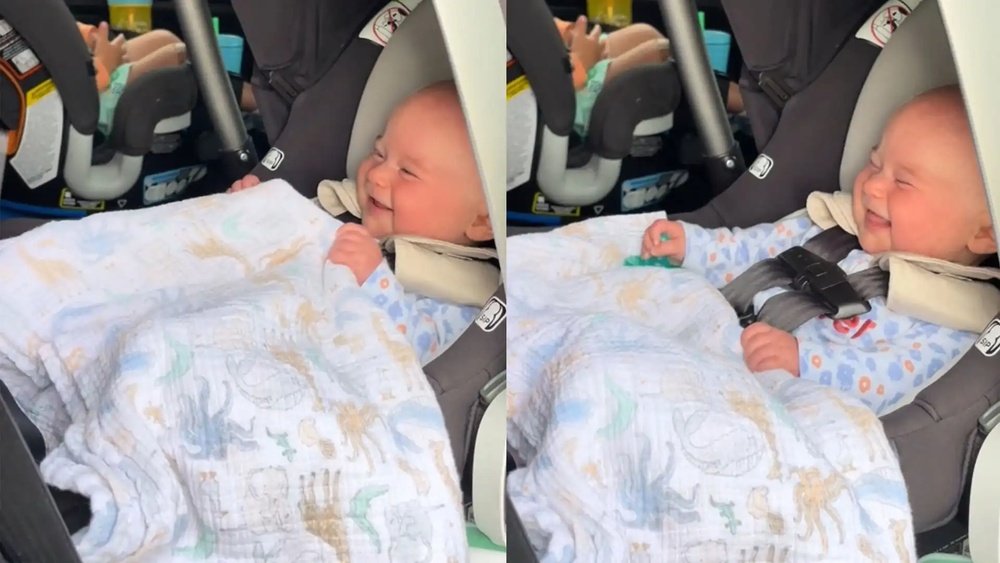
You’ve probably faced this frustrating moment: you buckle your baby into the car seat, ready to go, and immediately, the crying starts. You wonder, “Why does my baby hate the car seat?” You’re not alone, and it’s not just about being fussy.
Understanding the reasons behind your baby’s discomfort can make car rides smoother and less stressful for both of you. Keep reading, and you’ll discover simple, effective ways to help your baby feel safe and happy in their car seat.
Common Reasons Babies Dislike Car Seats
Many babies cry or fuss in their car seats. Understanding why helps parents calm their little ones. Babies dislike car seats for several common reasons. These reasons often relate to comfort, mood, and physical feelings. Knowing these can make car rides smoother and safer.
Discomfort And Poor Fit
Car seats must fit babies well. Too tight or too loose causes discomfort. Straps that pinch or press can upset babies. Padding that is thin or hard also bothers them. A seat that does not support their body well causes fussiness.
Temperature Issues
Babies feel hot or cold quickly. Car seats can trap heat or feel chilly. Overheating makes babies sweaty and unhappy. Cold seats make babies shiver and cry. Proper clothing and seat covers help keep a good temperature.
Hunger Or Tiredness
Hungry or tired babies dislike being confined. Hunger makes them fussy and restless. Sleepy babies want to lie down comfortably. Car seats limit their movement and comfort. Feeding or resting before trips reduces fussiness.
Fear Of Confinement
Some babies feel scared in small spaces. Car seats can feel like a tight cage. This fear causes crying and resistance. Holding or soothing babies before placing them helps. Gradual familiarization with the seat calms them.
Motion Sensitivity
Babies can be sensitive to car movement. The rocking or bouncing may upset their stomach. This causes nausea and crying. Smooth driving and short trips can ease this. Some babies adapt over time to car motion.
Signs Your Baby Is Uncomfortable
Babies cannot tell us with words when they feel uneasy. They show signs through their actions and sounds. Recognizing these signs helps parents know when the car seat causes discomfort. Watch closely for changes in behavior. These clues help you understand your baby better and keep them calm.
Crying And Fussiness
Crying is often the first sign of discomfort. If your baby cries more than usual, the car seat might be the cause. Fussiness means they are not happy or relaxed. The tight straps or the seat position may hurt or annoy them. Pay attention to the tone and length of crying.
Restlessness And Squirming
Restlessness shows that your baby wants to move. Squirming means they try to change positions for comfort. A baby stuck in an uncomfortable seat will wiggle a lot. This action tells you the seat does not fit well or feels wrong. Check if the straps are too tight or if the seat is too hot.
Avoiding Eye Contact
Babies often look at their parents for comfort. If your baby avoids eye contact, it may mean discomfort. They might turn their head away or close their eyes. This behavior can show they feel stressed or upset. Notice if this happens only in the car seat or at other times too.
Choosing The Right Car Seat
Choosing the right car seat is key to keeping your baby calm and safe during car rides. A well-fitted seat can make your baby feel comfortable and secure. It also helps prevent fussiness and crying. Focus on finding a seat that fits your baby’s needs perfectly.
Age And Size Appropriateness
Pick a car seat that matches your baby’s age and size. Babies grow fast, so check the weight and height limits on the seat. Using a seat too big or too small can cause discomfort. A good fit supports your baby’s posture and keeps them snug.
Proper Installation
Install the car seat correctly every time. A loose or tilted seat can make your baby feel unsafe. Follow the manual carefully or ask for help from a professional. A secure seat reduces movement and helps your baby relax.
Padding And Support Features
Look for seats with soft padding and extra support. Cushions around the head and neck help your baby stay comfortable. Good padding absorbs bumps on the road. This makes rides smoother and less stressful for your baby.

Credit: arloren.com
Tips To Make Car Rides Comfortable
Making car rides comfortable can help your baby enjoy the journey. Small changes can make a big difference. Try these simple tips to ease your baby’s discomfort during car rides.
Adjusting Temperature And Clothing
Keep the car temperature just right. Not too hot or too cold. Dress your baby in soft, breathable clothes. Avoid heavy layers that can make them sweat. A comfortable baby is less likely to fuss.
Using Soothing Sounds Or Music
Gentle sounds can calm your baby. Play soft music or white noise. These sounds mimic the womb environment. Use a low volume to avoid startling your baby. This helps distract and relax them during rides.
Timing Rides Around Sleep Schedules
Plan trips when your baby usually naps. A sleepy baby is easier to calm. Avoid long rides when your baby is hungry or tired. Consistent sleep times reduce fussiness in the car seat.
Techniques To Calm Your Baby In The Car
Keeping a baby calm in the car can be tough. Many babies dislike their car seats. The confined space and movement can make them uneasy. Using simple techniques helps soothe your baby. These tricks create a calmer ride for both of you.
Gentle Touch And Reassurance
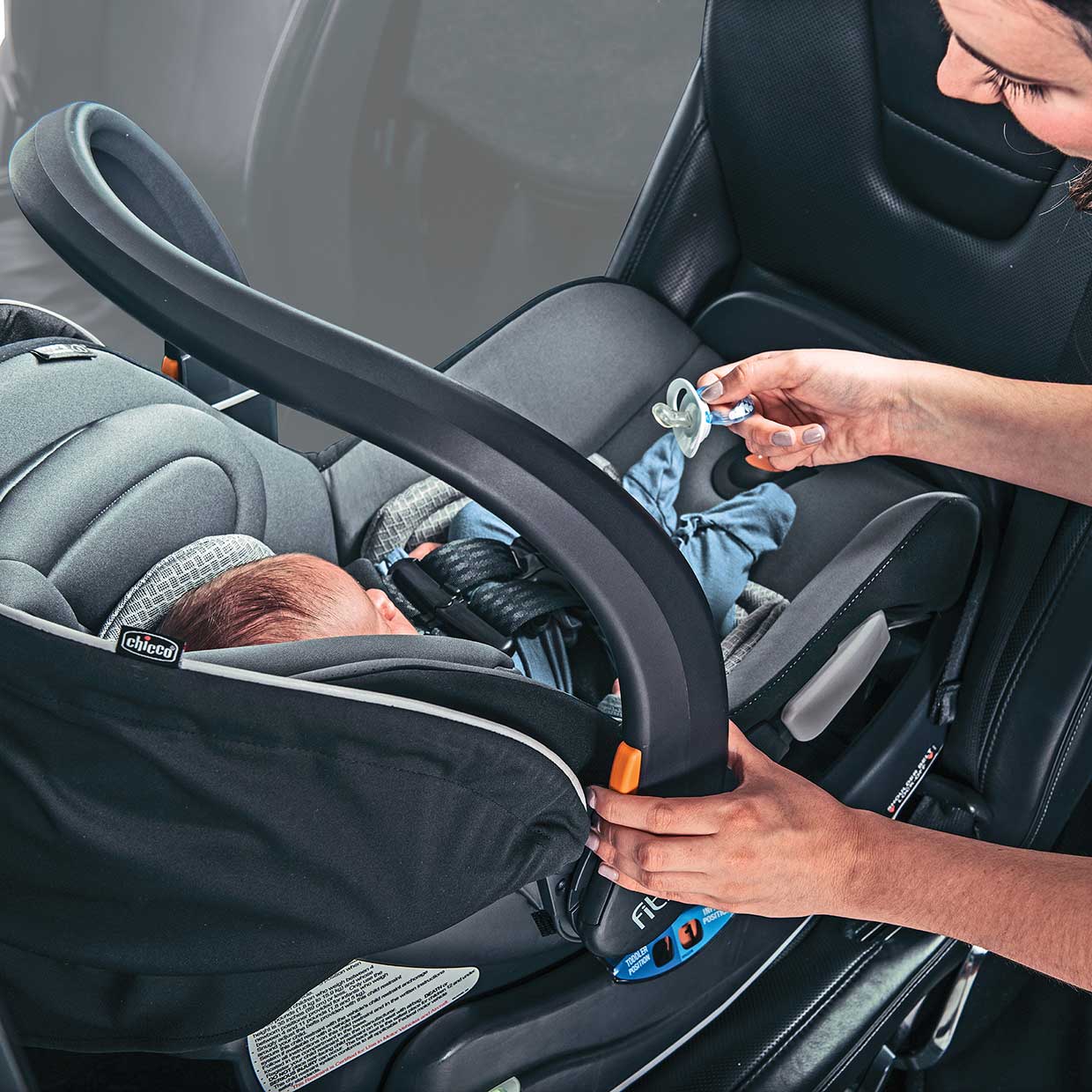
Soft touches can comfort a fussy baby. Lightly rubbing their back or holding their hand helps. Calm words and a gentle voice reassure them. This makes the car seat feel safer and less scary. Your presence is a strong comfort for your baby.
Favorite Toys Or Blankets
Bring along a favorite toy or blanket. Familiar items bring comfort in new places. A soft blanket or cuddly toy can distract your baby. These objects provide a sense of security. They help reduce crying and fussiness during the ride.
Frequent Breaks On Long Trips
Stop often on longer trips. Let your baby out of the car seat for a bit. Fresh air and a short walk calm them down. Breaks prevent overstimulation and discomfort. Regular pauses make the journey easier for your baby.
Credit: www.chiccousa.com
When To Seek Professional Help
Sometimes, your baby might keep crying in the car seat no matter what you try. This can be stressful for both you and your little one. Knowing when to seek professional help is important. It can guide you to the right support and care for your baby.
Persistent Distress Despite Solutions
Your baby cries in the car seat even after you try different tricks. You adjust the straps, offer toys, or sing songs. Yet, the distress continues. This ongoing discomfort may signal a deeper issue. Watch for signs like constant fussiness or refusal to stay in the seat.
Consulting Pediatricians
Doctors can check your baby’s health and comfort. They listen to your concerns and observe your baby’s behavior. Pediatricians can offer advice or suggest steps to ease the problem. They also guide you on safe car seat use and comfort tips.
Checking For Underlying Medical Issues
Sometimes, medical problems cause car seat distress. Ear infections, reflux, or skin irritation might be the reason. A doctor’s exam helps find hidden issues. Treating these can make car rides easier and safer for your baby.
Credit: www.drive.com.au
Frequently Asked Questions
Why Does My Baby Cry In The Car Seat?
Babies often cry in car seats due to discomfort or feeling confined. They may dislike the straps or the seating position. Motion sickness or hunger can also cause distress. Ensuring proper strap adjustment and frequent breaks can help ease their discomfort during car rides.
How Can I Make My Baby Like The Car Seat?
Try making the car seat cozy with soft blankets or toys. Gradually increase car seat time to build comfort. Use soothing voices or play gentle music. Always check that straps are snug but not too tight for added security and comfort.
Is It Normal For Babies To Hate Car Seats?
Yes, many babies dislike car seats initially. The unfamiliar environment and restricted movement can cause fussiness. Most babies adjust over time as they get used to the seat and associate it with positive experiences like trips or naps.
Can Car Seat Discomfort Affect My Baby’s Safety?
Discomfort may cause your baby to squirm or try to escape, risking unsafe positioning. Proper fit and adjustments are essential. Ensuring the car seat is appropriate for your baby’s age and size improves safety and comfort simultaneously.
Conclusion
Babies often dislike car seats because they feel uncomfortable or scared. Small changes can help them feel safe and calm. Try soft padding, favorite toys, or gentle voices during rides. Keep the car cool and avoid loud noises. Patience is key; babies need time to adjust.
Every baby is different, so find what works best for yours. With care and attention, car rides can become peaceful moments for both of you. Keep trying, and soon your baby may enjoy the car seat more.
