
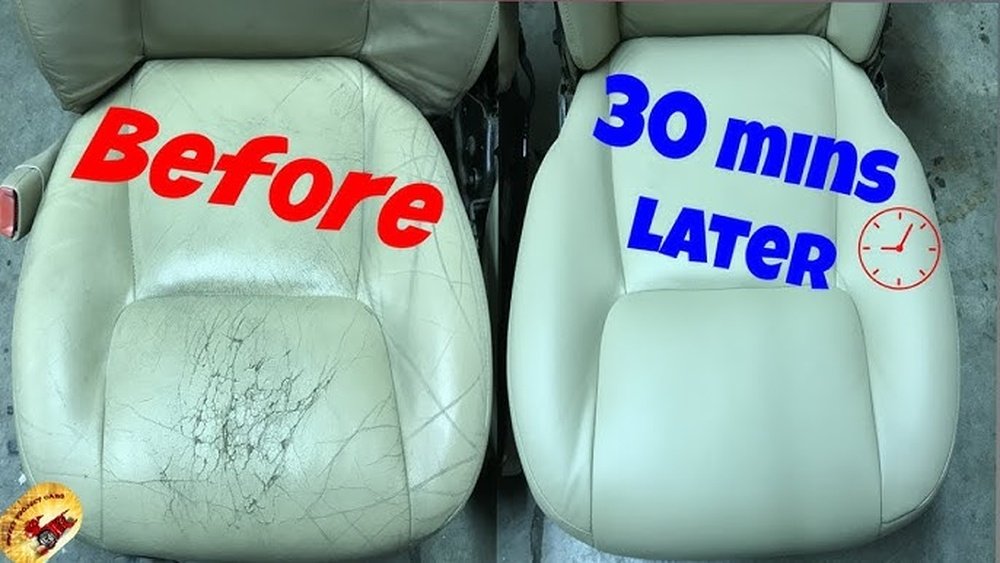
Are your car’s vinyl seats feeling stiff, cracked, or uncomfortable? You might be wondering if WD-40 can bring back that soft, smooth feel you remember.
It’s a common question for many car owners who want an easy fix without spending a lot of money. But before you grab that can, it’s important to know how WD-40 interacts with vinyl and whether it’s truly the solution you need.
Keep reading to discover the truth about using WD-40 on your vinyl seats—and learn the best way to restore their comfort and shine.

Credit: 10kwraps.com
Wd-40 And Vinyl Seats
WD-40 is a popular spray used in many households and garages. It is known for its ability to loosen stuck parts and stop squeaks. Some car owners wonder if WD-40 can soften vinyl seats in cars. Understanding how WD-40 works on vinyl is important before using it on your car seats.
What Wd-40 Does
WD-40 is a lubricant and water displacer. It helps to remove moisture and prevent rust. It can also break down sticky residues and protect metal parts. However, WD-40 is not a conditioner for vinyl or leather materials. It does not add softness or flexibility to vinyl seats. Instead, it may leave a slippery or oily surface.
Common Uses On Car Surfaces
Car owners use WD-40 mainly on metal parts like hinges, locks, and bolts. It stops squeaks and loosens rusted pieces. Some also use it to remove sticky tape or gum from glass or plastic. WD-40 is not usually used for cleaning or conditioning vinyl seats. For vinyl care, special cleaners and conditioners are safer and more effective.

Credit: www.youtube.com
Effect Of Wd-40 On Vinyl
WD-40 is a popular product for many household and car tasks. Some people wonder if WD-40 can soften vinyl seats in cars. Understanding its effect on vinyl is important before using it on your car seats. Vinyl is a type of plastic that covers many car seats. It needs care to stay soft and not crack over time.
Impact On Vinyl Softness
WD-40 can make vinyl feel a bit softer at first. It works by adding a thin layer of oil on the surface. This layer can reduce stiffness temporarily. The vinyl might seem smoother and less dry after application. Yet, this softness does not last long. WD-40 does not deeply hydrate or restore vinyl like special conditioners do.
Potential Risks And Damage
Using WD-40 on vinyl seats can cause problems. The oil in WD-40 may attract dust and dirt. This can make the seats look dirty faster. Over time, WD-40 might break down the vinyl’s surface. This leads to cracks or peeling in the material. It can also cause discoloration or stains. WD-40 is not made for vinyl care. Using products made for vinyl is safer and better.
Alternative Methods To Soften Vinyl
Softening vinyl seats in cars can be tricky. Some products may harm the material or leave sticky residue. There are safer alternatives that keep vinyl soft and flexible. These methods help extend the life of your seats. They also improve comfort during long drives.
Using Vinyl Conditioners
Vinyl conditioners are made specifically for softening and protecting vinyl. These products add moisture back into the material. They prevent cracking and drying out. Apply a small amount with a clean cloth. Rub gently and let it absorb fully. Regular use keeps the vinyl smooth and supple. Choose conditioners that do not contain harsh chemicals. This protects the seat color and texture.
Home Remedies For Softening
Simple household items can help soften vinyl seats too. Mix equal parts of water and white vinegar in a spray bottle. Lightly spray the solution on the vinyl. Wipe with a soft cloth to clean and condition. Another option is baby oil or mineral oil. Use sparingly to avoid making the seat slippery. Test on a small area first to check for any damage. These remedies improve vinyl flexibility and comfort.
Expert Tips For Vinyl Seat Care
Taking care of vinyl seats keeps them soft and looking new. Proper care stops cracks and stiffness. Use gentle methods to clean and maintain the seats. Follow expert tips for best results.
Cleaning Techniques
Start by wiping seats with a soft cloth. Use warm water mixed with mild soap. Avoid harsh chemicals that damage vinyl. Gently scrub with a soft brush on tough stains. Rinse with clean water and dry with a towel. Clean regularly to prevent dirt buildup.
Maintenance Practices
Apply a vinyl conditioner to keep seats soft. Do this every few months for best effect. Avoid direct sunlight to prevent fading and cracking. Use seat covers to protect from damage. Check seats often and fix small tears quickly. Proper care extends the life of vinyl seats.
Avoiding Common Mistakes
Using WD-40 on vinyl car seats can be tricky. Many make mistakes that harm the seats instead of softening them. Knowing what to avoid keeps your seats safe and looking good. This section helps you steer clear of common errors.
Products To Avoid
Some products damage vinyl seats more than help. Avoid harsh solvents like acetone or alcohol. These dry out and crack the vinyl. Stay away from oil-based cleaners not made for vinyl. They leave stains and attract dirt. Choose gentle, vinyl-safe cleaners instead.
Handling Old Or Cracked Vinyl
Old or cracked vinyl needs careful care. WD-40 may not fix deep cracks or brittleness. Use a vinyl conditioner made for aged seats. Clean the seats first with a soft cloth. Apply the conditioner gently to avoid more damage. Regular care helps keep old vinyl flexible and smooth.
Credit: www.ebay.com
Frequently Asked Questions
Does Wd-40 Soften Vinyl Car Seats Effectively?
WD-40 can temporarily soften vinyl seats by adding moisture and flexibility. However, it’s not a long-term solution and may cause damage over time. Use specialized vinyl conditioners for better results and seat protection.
Is Wd-40 Safe For Cleaning Vinyl Car Seats?
WD-40 is not recommended for cleaning vinyl seats. It contains petroleum-based solvents that can degrade vinyl material. Use mild soap and water or vinyl-specific cleaners for safe and effective cleaning.
Can Wd-40 Prevent Vinyl Seats From Cracking?
WD-40 does not prevent vinyl seats from cracking. It lacks UV protection and conditioning agents. Use products designed to protect and nourish vinyl to maintain seat durability and appearance.
What Is The Best Alternative To Wd-40 For Vinyl Seats?
Vinyl conditioners or protectants are the best alternatives. These products restore softness, add shine, and protect against UV damage. They ensure longer life and better appearance of vinyl seats.
Conclusion
WD-40 can help soften vinyl seats in cars, but with care. It loosens dirt and makes the surface smoother. Avoid using too much to prevent damage. Always test on a small area first. For best results, combine WD-40 with gentle cleaning.
Soft, clean seats last longer and feel better. Vinyl needs regular care to stay flexible. Keep your car seats comfortable with simple, safe steps. Easy and effective maintenance is the key.
